When Kwun Tong Maryknoll College in Hong Kong announced it would tighten its mobile phone rules on campus, some pupils reacted so strongly that the Catholic boys’ school was forced to put the changes on hold.
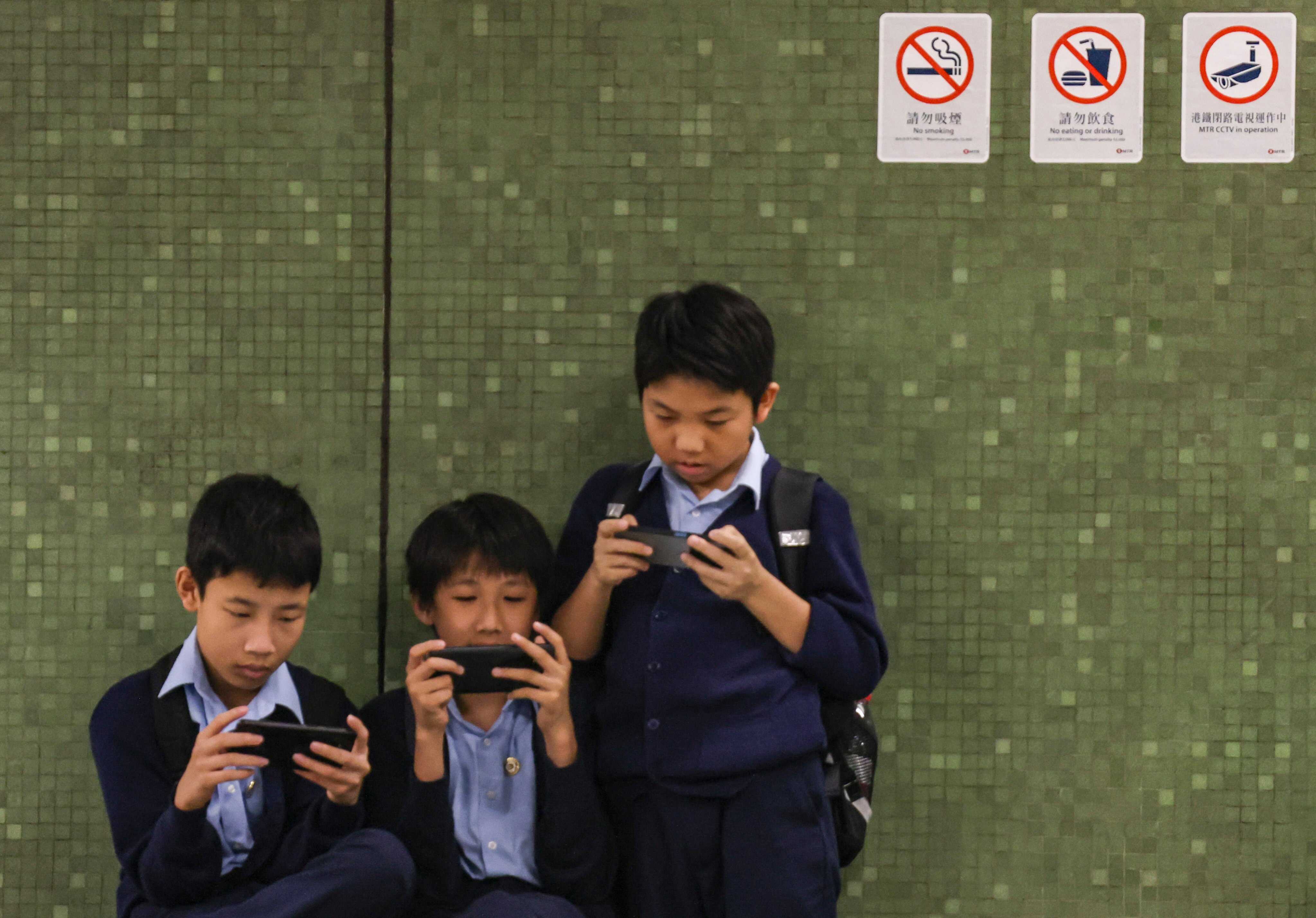
The secondary school, which currently only bans pupils from using their mobile phones on campus, had planned to require that devices be stored in designated lockers on each floor. Gaming near the school entrance was also to be banned, with rule-breakers facing four demerits.
Form Five student James Chan* was among those who launched a petition against what they described as a “heavy-handed” policy. He said forcing more than 120 students in one grade to retrieve their phones from a single locker area at lunchtime would create daily chaos. He added that many pupils relied on their phones to order and pay for lunch online.
James said it would be unfair to tighten the rules because some students broke them more often than others. He, however, admitted that he and his classmates did scroll through their phones during lessons.
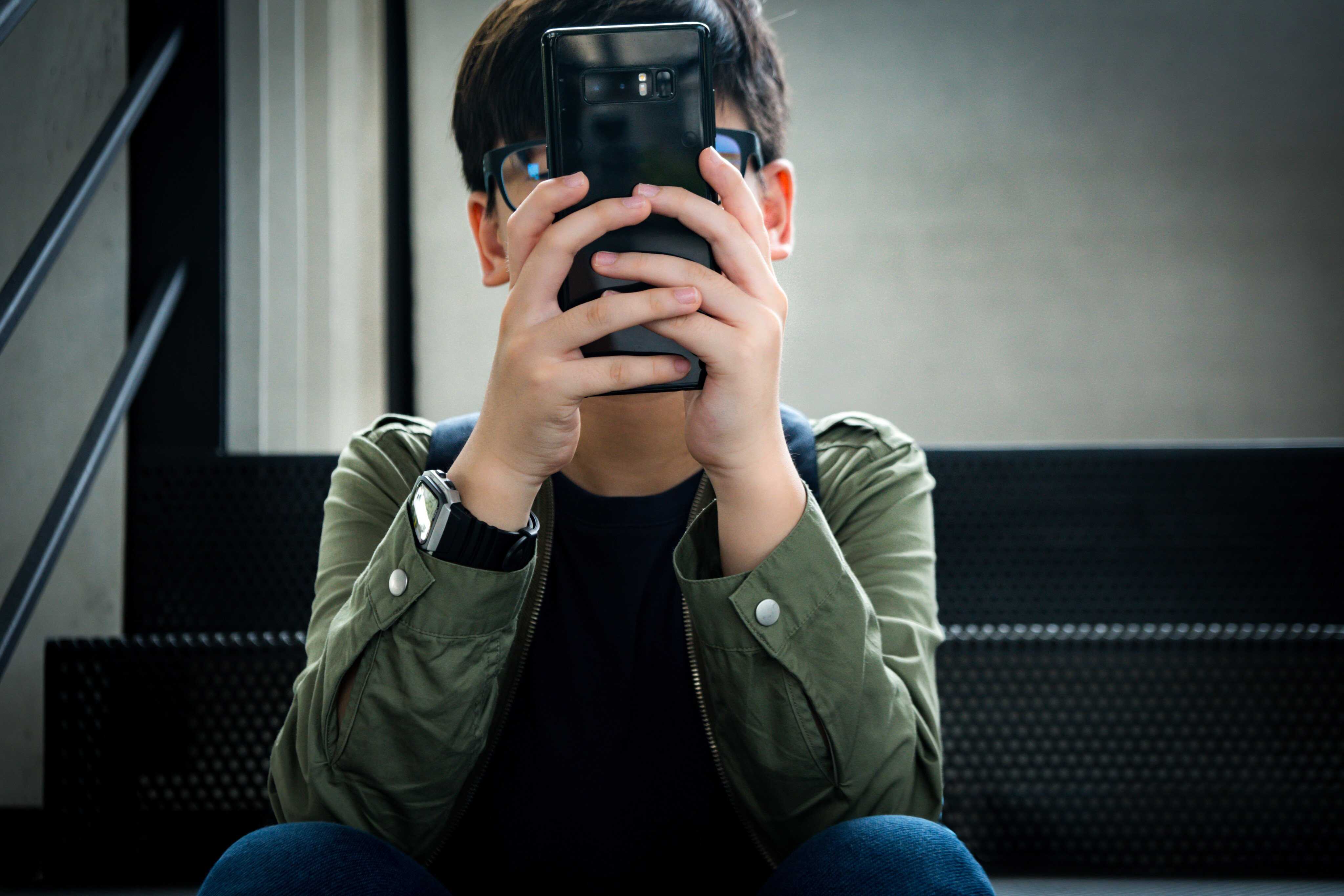
“Some lessons are boring … so we choose to scroll on our phones to kill time,” he said, adding that they had also used their phones to socialise during recess, such as creating reels on social media platforms together.
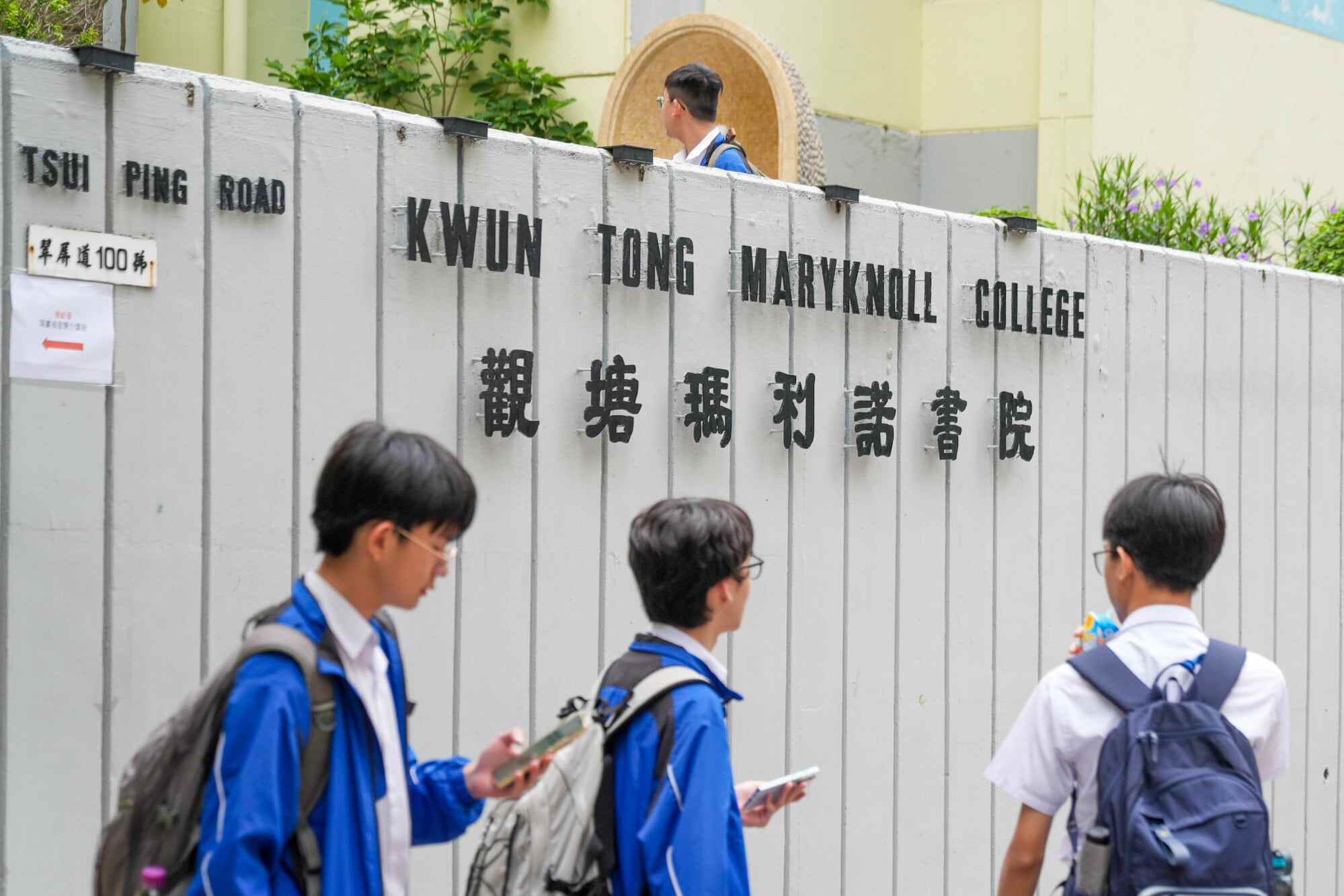
James said he spent six hours on his phone on weekdays and up to eight hours on weekends, averaging five hours on WhatsApp calls with friends. His parents do not restrict his usage. But pupils knew where to draw the line, he said.
“We are the ones who bear the results of our exams and the DSE [Diploma of Secondary Education], and we know how phones affect us. We are actually more self-aware than adults think,” he said.
The school had initially planned to impose the new rules on Form Three and Four students in a trial in April before extending them to other year groups. However, objections forced a rethink.
“The phone locker policy is under revision, and the school will continue to consult stakeholders, including parents and students,” principal Caroline Sin Nga-lam said.
The school’s U-turn has highlighted the contentious nature of the issue, with some arguing mobile phones are a necessity for transport and payment purposes, while others are concerned about social media addiction and its impact on youth development.
Mobile phone rules on campus are set by individual schools in Hong Kong. Educators and parents who spoke to reporters showed no consensus on whether there should be a blanket ban.
France has enforced a nationwide mobile phone ban for students up to middle school level since 2018, with many institutions requiring devices to be kept in pouches or lockers during the day. There have also been discussions on banning phones in senior secondary schools starting from the 2026-27 academic year.
In Britain, the government introduced a statutory ban on smartphones in state-funded schools in England starting on June 29, with schools responsible for ensuring pupils switch off or store away their devices throughout the day.
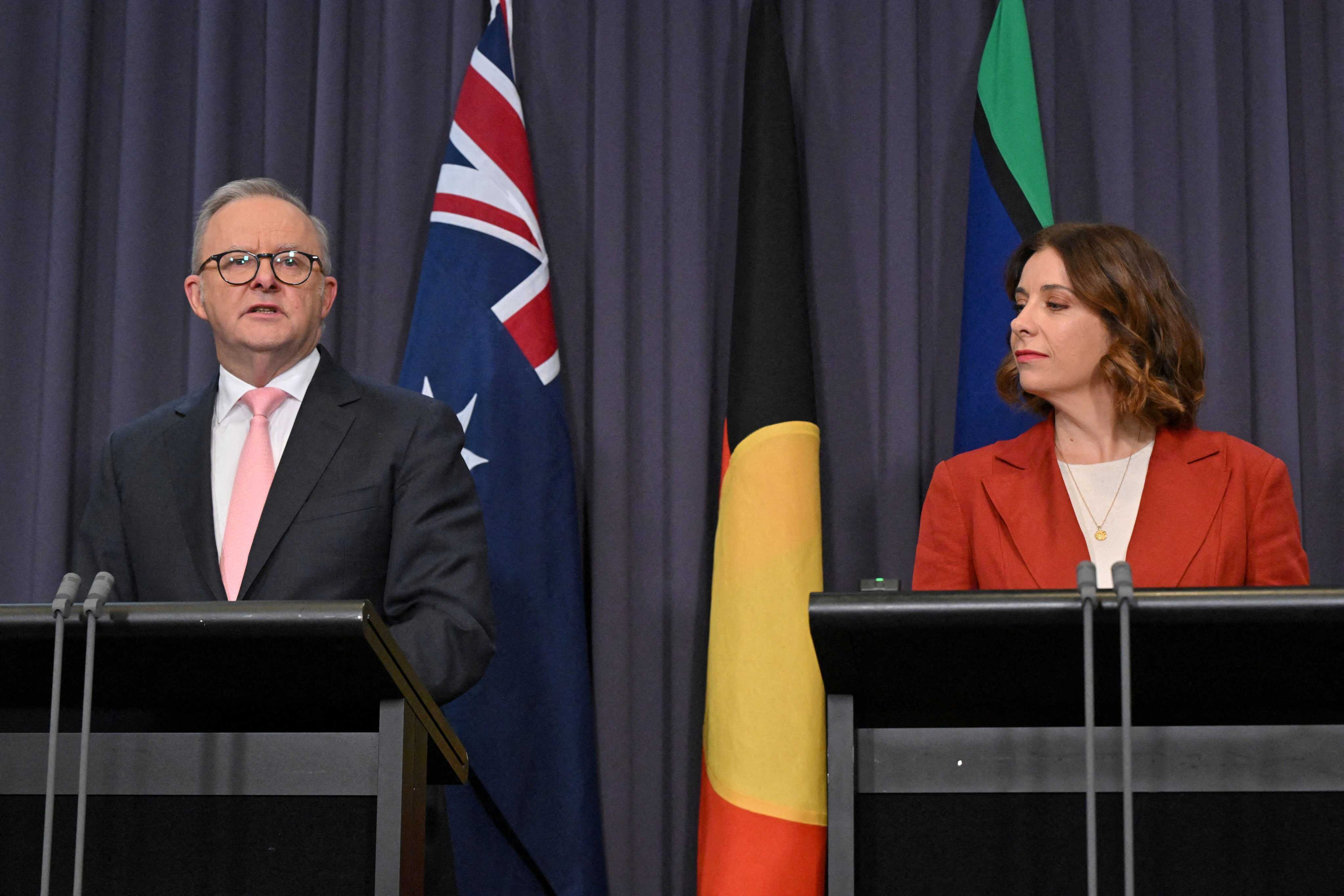
British Prime Minister Keir Starmer also announced plans in June for a social media ban for all children under the age of 16 using the same model as Australia, which became the world’s first country to impose such restrictions in December 2025.
In 2024, Hong Kong’s Secretary for Education Christine Choi Yuk-lin said in a reply to a question on phone management on campuses that schools should enforce their rules in a lawful, sensible and reasonable manner, while ensuring fairness and consistency in application, and respect for students’ dignity.
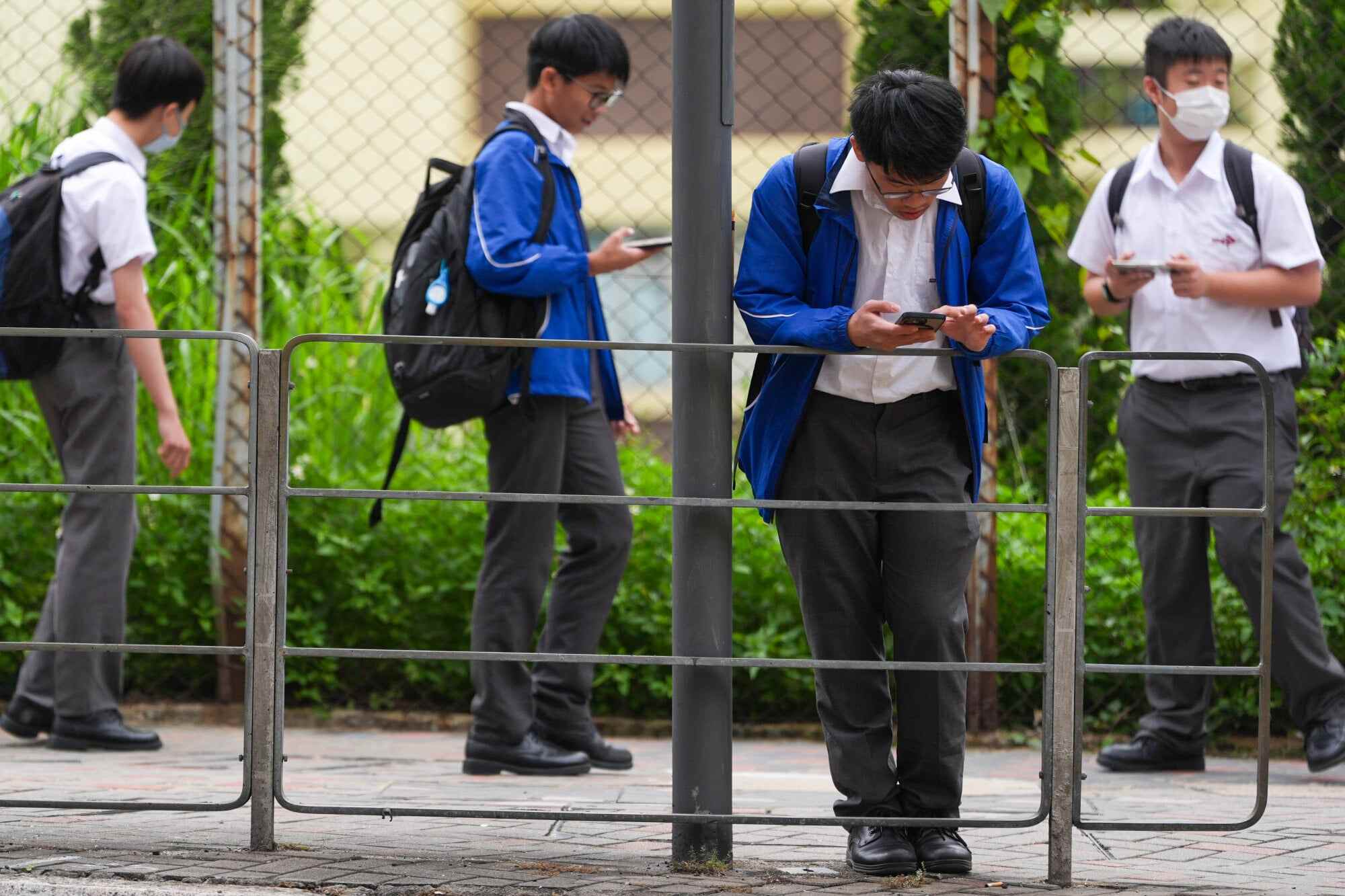
Ng Wun-kit, principal of Pui Kiu Middle School and a lawmaker, said mobile phone policies should remain the responsibility of schools, as each had to consider its own circumstances, such as administrative needs and storage space.
“Like our school, students live in different parts of Hong Kong and rely on taking public transport, which may require tapping phones for fare payment every day. Parents may also want to know where they are after school,” he said.
Ginny Wong, a Form Six student at Po Leung Kuk Yao Ling Sun College in Tsuen Wan, said her school would also require pupils to lock their phones away upon entering the campus in the coming semester, although no penalty had been specified.
She said her screen time averaged about six hours on weekdays, mostly on social media via her phone and on her tablet for online tutorials and digital design apps for personal interest. Her parents have not imposed any restrictions.
Terrance Nam, acting chairman of the Kowloon City District Federation of Parent-Teacher Associations, said many secondary schools had implemented phone locker policies or provided students with tablets or more basic devices for limited communication to curb over-reliance on artificial intelligence in learning.
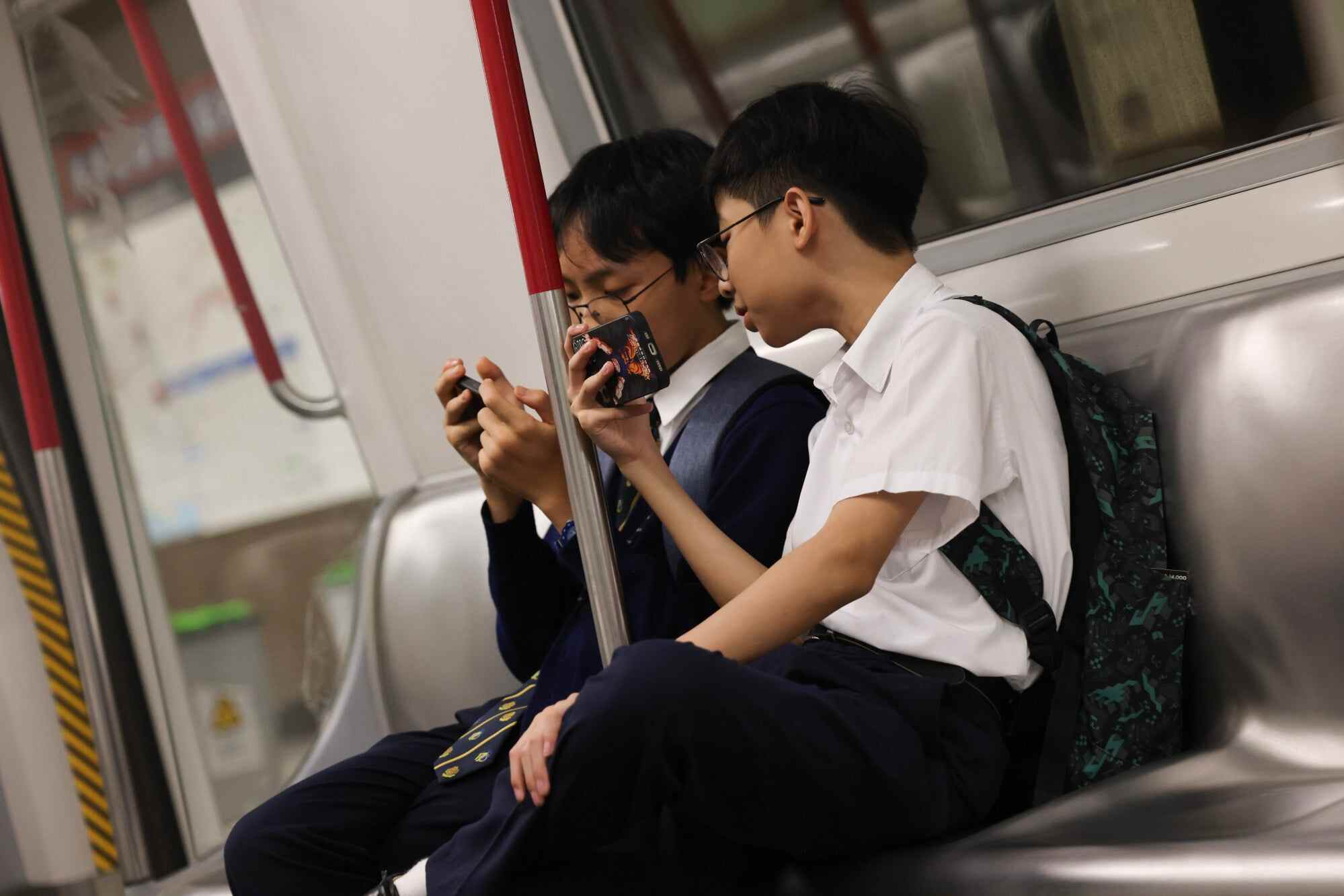
He said communication was key to implementing such policies.
“The school should explain to parents why it has this policy, and there should also be school-based guidance to ensure fairness,” he said.
Robert Board, founder of Look Up Hong Kong – a parent-led group launched in April 2024 to delay children’s smartphone use – said mobile devices should be kept out of bedrooms and schools so youngsters could experience childhood in the real world.
He stressed the importance of parent-school collaboration, noting that more than 500 parents from over 100 schools had signed the group’s Smartphone Delay Pact as of May. The voluntary commitment involves withholding smartphones until children turn 14, with a broader goal of keeping them off social media until 16.