From treating eating disorders to engineering robots that help patients heal from injuries, many of Hong Kong’s top scorers in the International Baccalaureate (IB) programme hope to use their talents to make a difference.
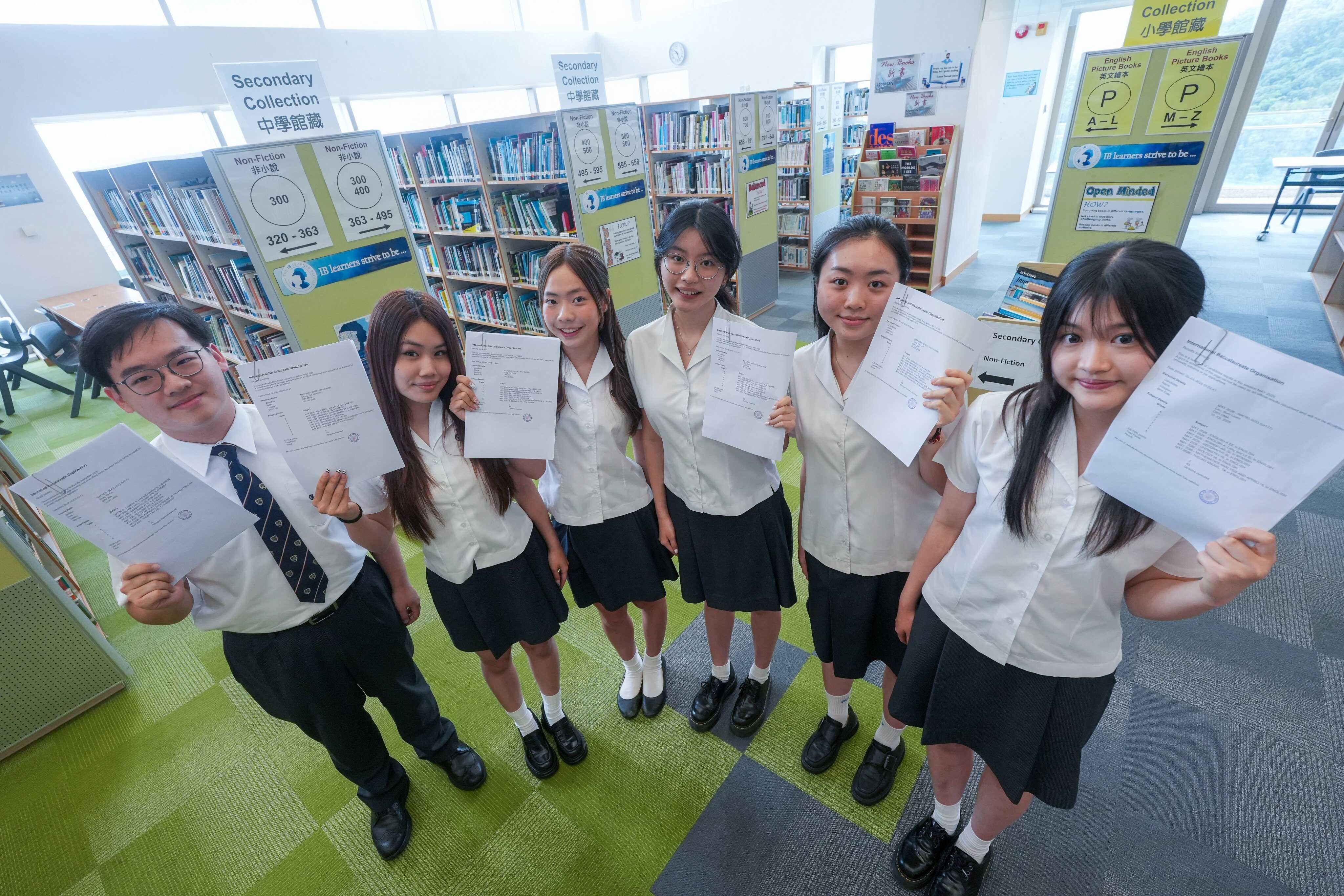
Among the 2,912 Hong Kong students who sat for the exam in May, at least 73 from 17 schools have achieved top marks. They received their results on Monday.
The average score for Hong Kong students was 37.02 points out of the maximum 45 points, up from 36.72 last year, according to the IB organisation. It is nearly 20 per cent higher than the global average of 30.88.
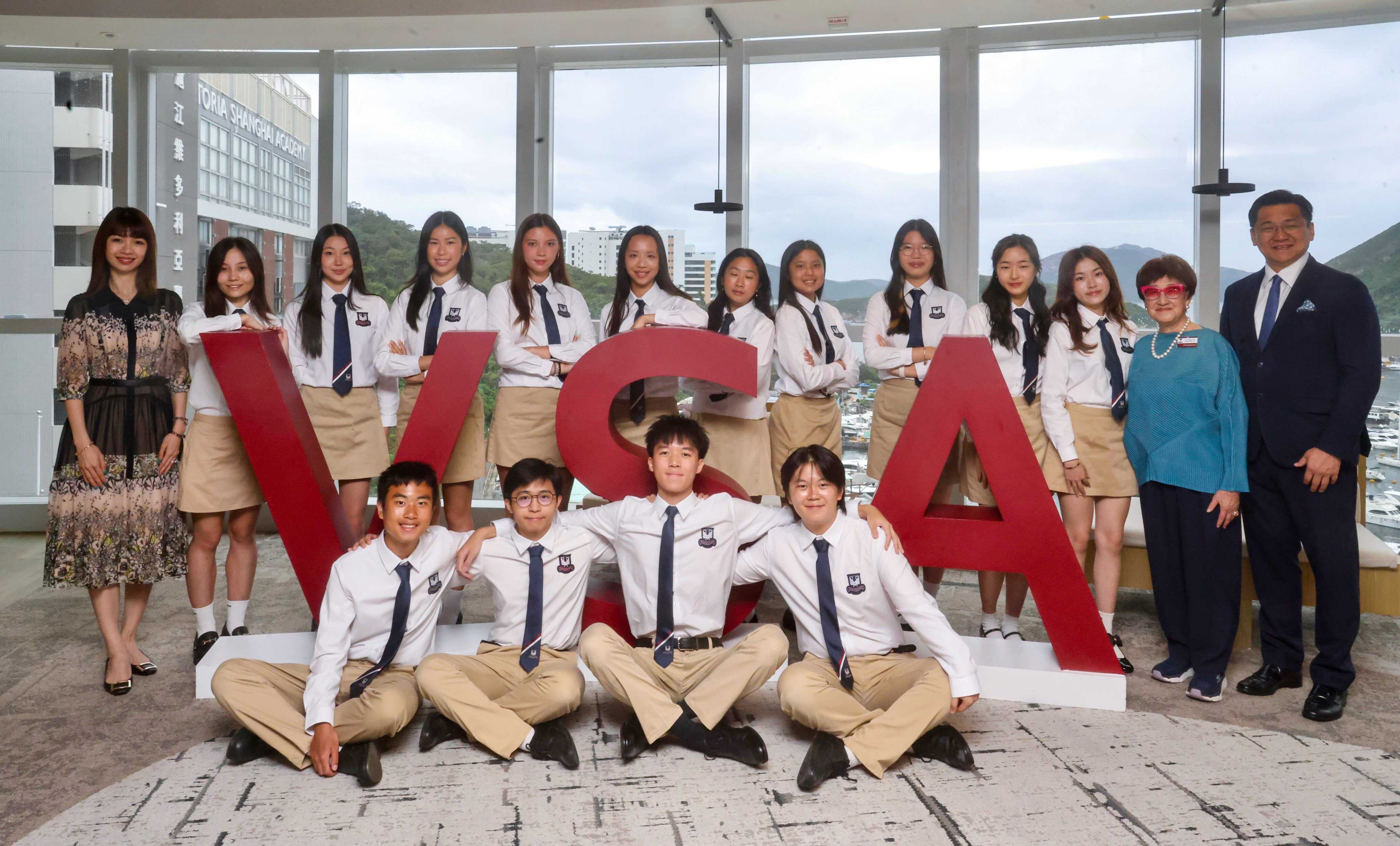
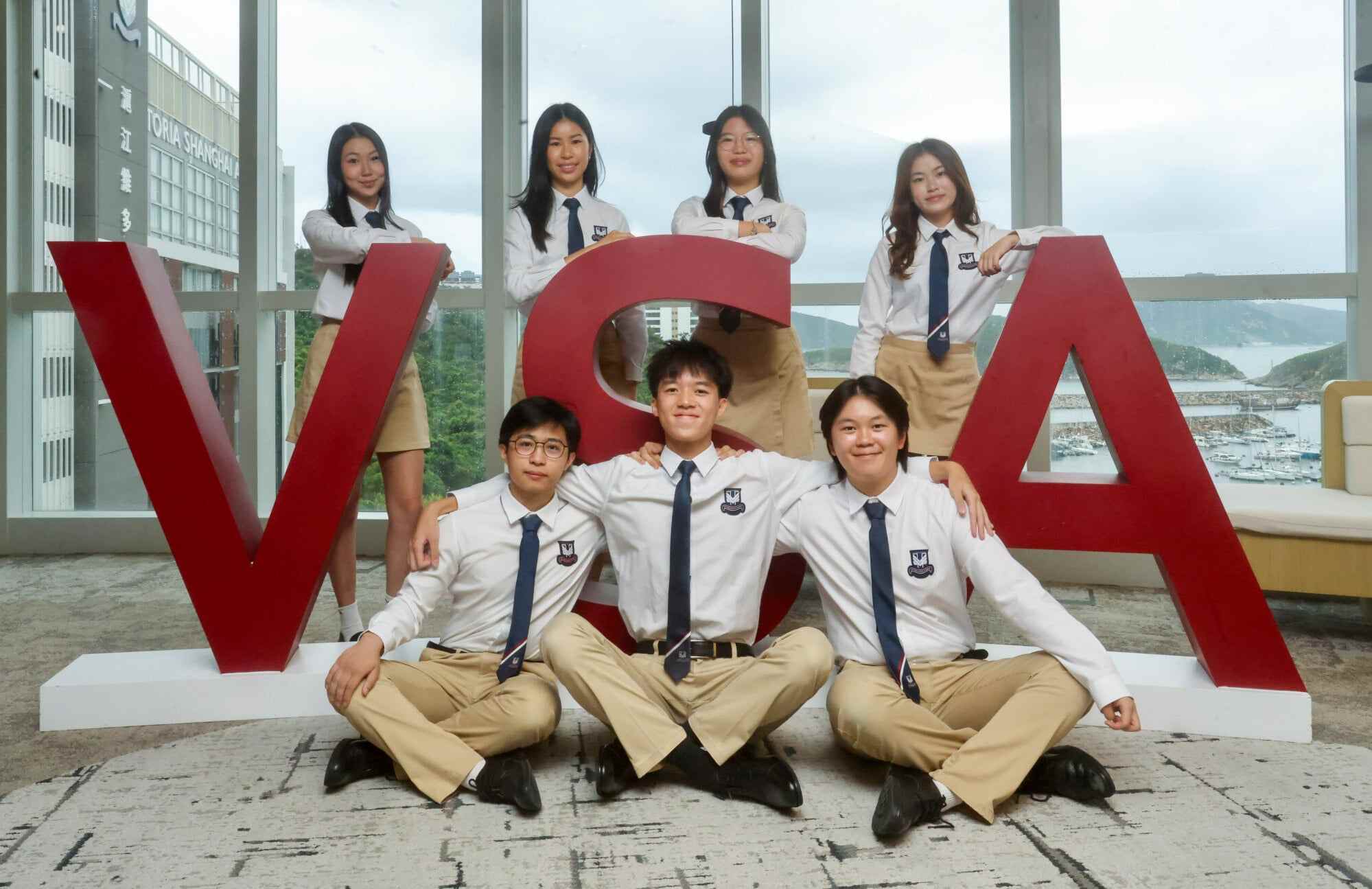
Victoria Shanghai Academy recorded nine perfect scorers – its best result on record – while another eight students scored 44. The school’s average score was 39.
Among the school’s perfect scorers is Genevieve Cheuk, 18, who plans to study medicine at the University of Hong Kong (HKU). She sees the potential for artificial intelligence (AI) to be a supplement for human doctors.
“For example, we already have AI that can analyse chest X-rays to detect pneumonia or other diseases, making it a very useful tool for diagnosis,” she explained.
But the teen noted that human connection would still be the most important part of healthcare: “As a doctor, communication is vital – talking to our patients, as well as collaborating with other doctors and nurses.”
Another perfect scorer from the same school, Matthew Wong, 17, will study politics and economics at the London School of Economics, in hopes of pursuing a career in green finance or public policy.
His goal is to create sustainable frameworks for economic policies, and he connected this with his involvement in his school’s green finance club called Kiva.
“We would micro-lend money to low-income families, such as families in the Philippines, so they could afford solar panels. This allowed us to tackle both inequality and climate change at the same time,” he said. “I believe Hong Kong can play a very similar role on a larger scale.”
He hopes to return to Hong Kong after graduation to “help bridge Western capital with Chinese technology”.
“Hong Kong ... serves as a crucial window to mainland China. We know that China is making great strides in many green energy technologies, and in the future, I would love to return to Hong Kong to work,” the teen said.
Shannon Wong, another perfect scorer from Victoria Shanghai Academy, wants to dedicate her legal career to serving as a voice for the marginalised in society.
With the goal of becoming a barrister and eventually a judge, the 18-year-old plans to study law or a double degree in law and business administration at HKU.
“Hong Kong operates under a highly unique ‘one country, two systems’ framework, and I would love to work under that legal umbrella in the future,” she explained.
At Po Leung Kuk Choi Kai Yau School, most top scorers plan to pursue medicine, including Ashley Chiu, 18, who wants to become a psychiatrist.
“I saw many of my dancing classmates had eating disorders and anorexia. I felt really helpless about it, so I started doing research. I discovered that in psychiatry, you can learn a lot about these issues, and I genuinely want to help people,” she said.
She has yet to decide between HKU and Chinese University but is determined to stay in the city.
“I want to serve Hong Kong in my career; since I was born and raised here, I should stay,” she said.
Another perfect scorer from the same school, Carrinna Tong Hoi-lam, 17, plans to study medicine in Hong Kong, though she is still choosing which university to attend. Driven by an interest in biology and genetics, Carrinna hopes to focus on research.
“Scientific research is truly the most important thing for the future of the medical field,” she said. “There are still many diseases that cannot be cured yet, and existing treatments can cause great harm.”
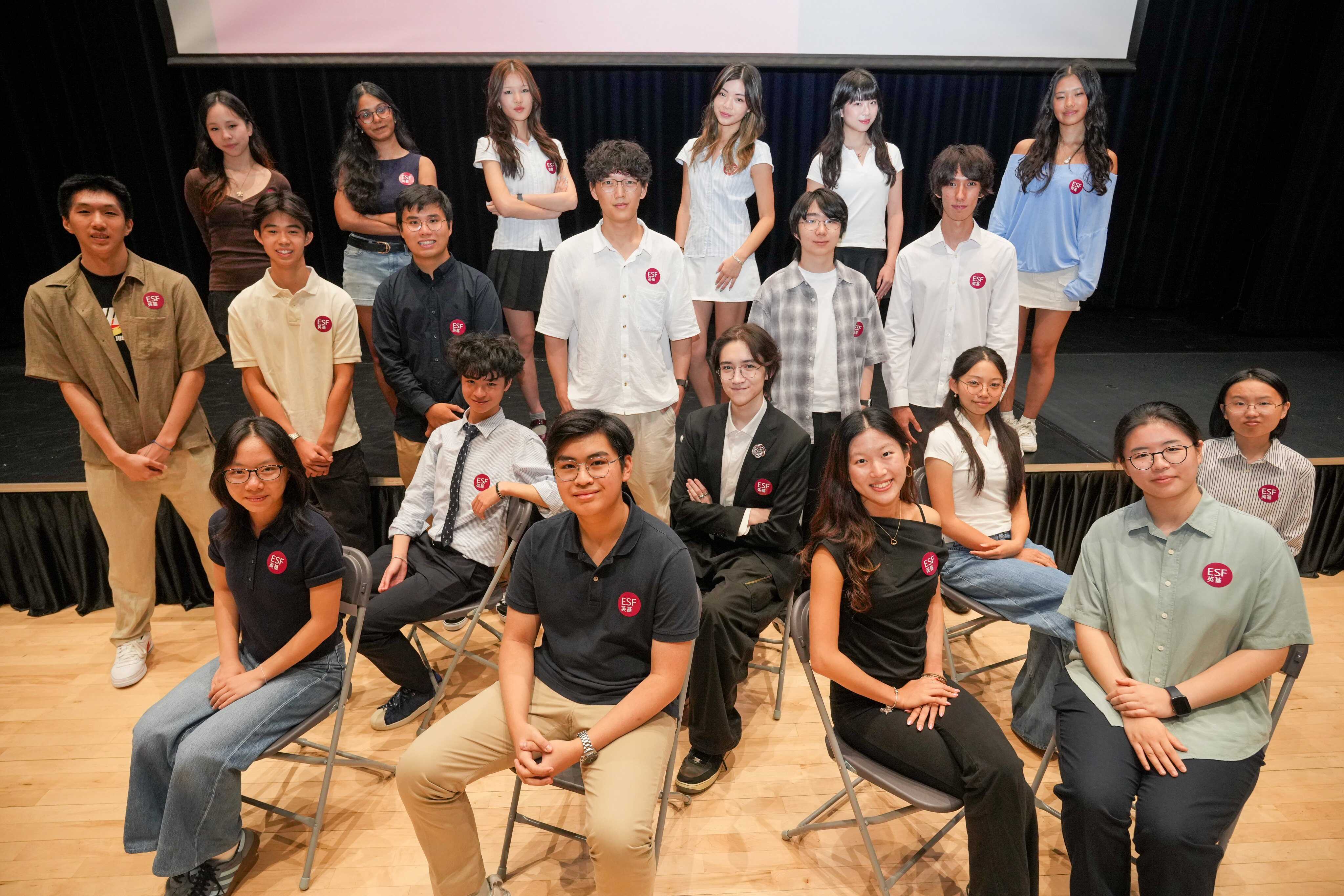
Maxwell Yu Miller, 18, a top scorer from the English Schools Foundation’s South Island School, plans to study mechanical engineering at the University of Michigan in the United States. Looking ahead, he is eyeing robotics and space exploration.
“With robotics, I’d probably be interested in devices or robots that can help with rehabilitation or with making patients’ lives easier,” he said.
He added: “In the future, space exploration will be very important just to our development as a whole ... So I’m very interested in, for example, building rovers that go explore other planets or bodies.”
But a high score on the exam does not always mean that a student will study medicine, law or the sciences.
One near-perfect scorer from Victoria Shanghai Academy will study archaeology and anthropology at the University of Oxford.
Natalie Yeung, 18, said she had long been fascinated with how belief systems could be represented in art.
“Ever since I was little ... I was interested in how people across different religions interact with systems of belief and how those intersect with daily life,” she shared.
“Taking [a] higher-level art [course] sparked my interest in how people express their world views materially, and archaeology is the unique discipline that gives that tangible aspect of daily life due justice.”