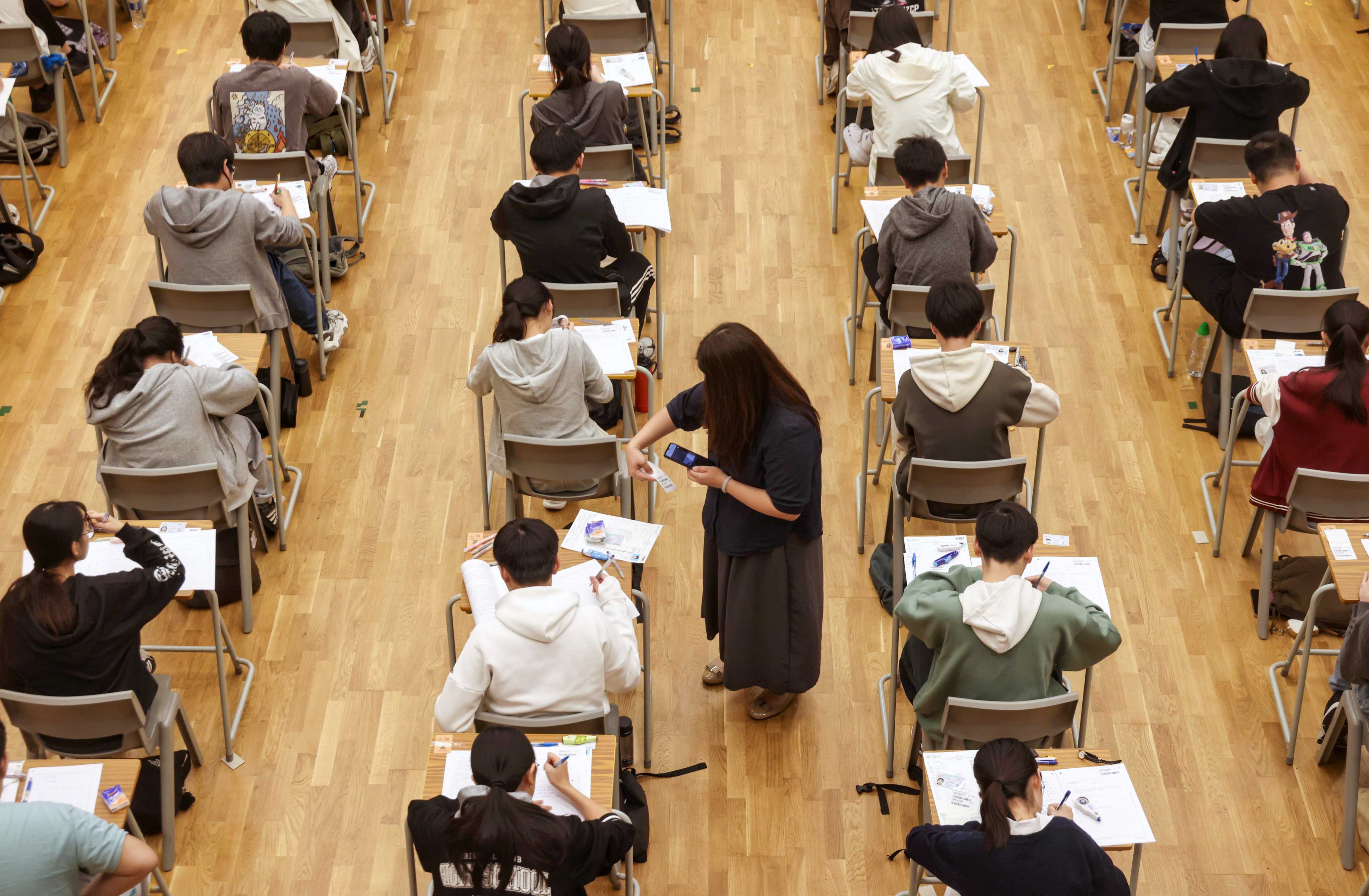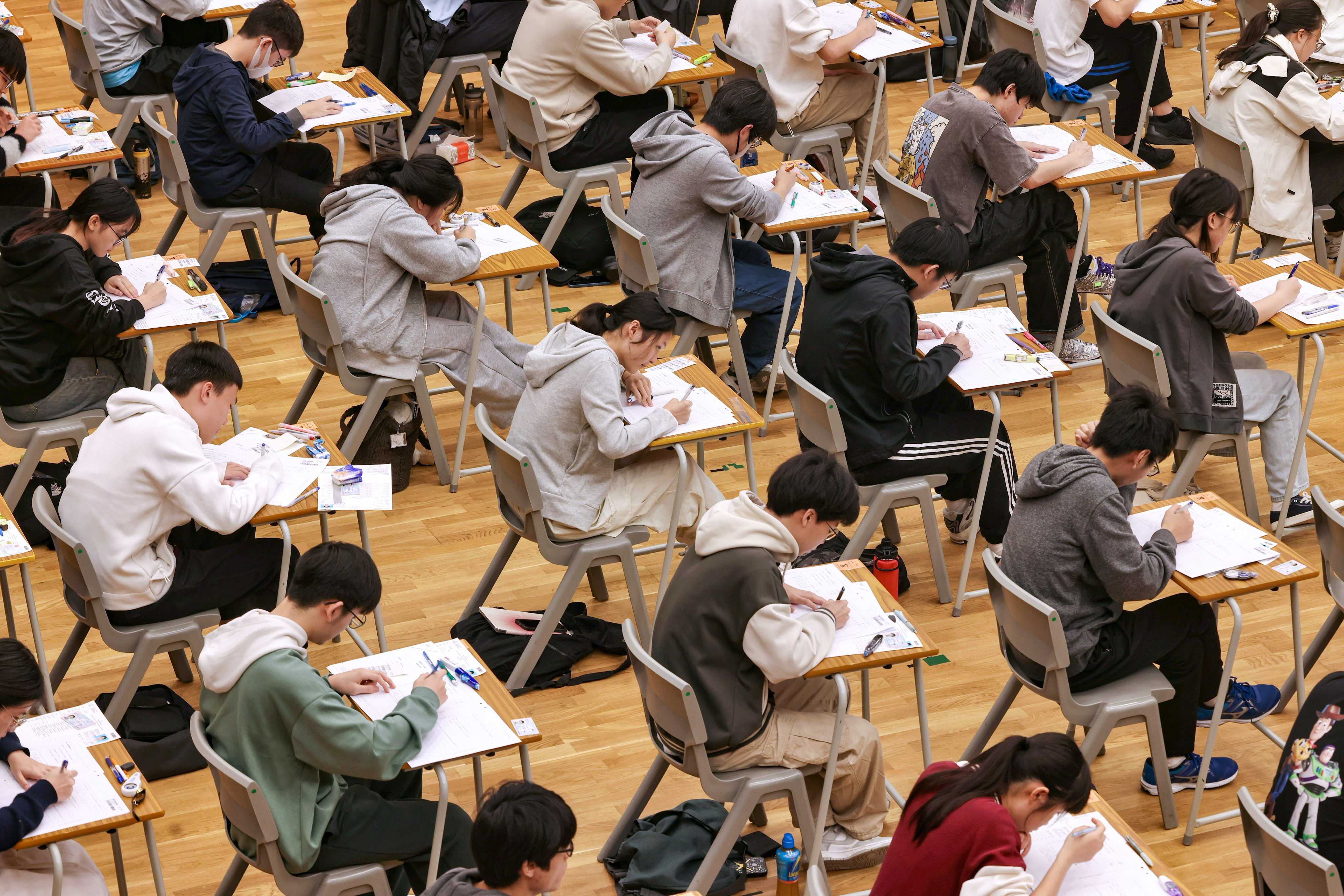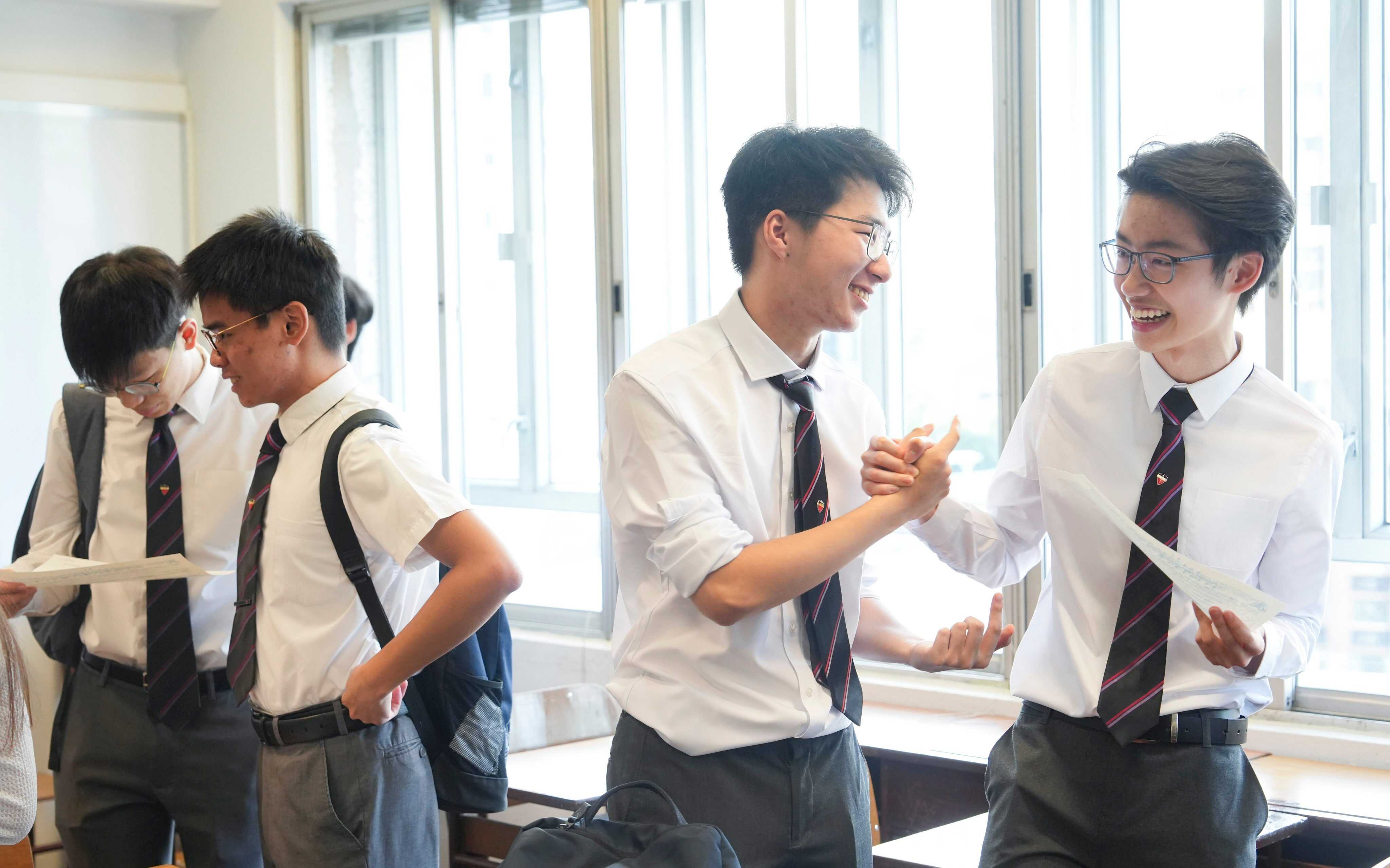
On Wednesday, July 15, thousands of Hong Kong students will receive their Diploma of Secondary Education (DSE) exam results: a climactic milestone. The day is bound to bring stress, anxiety and – hopefully – some relief.
To prepare for the big day, here are some things to remember, including a checklist of what to bring, what to expect and tips to mentally prepare.
First, the weather
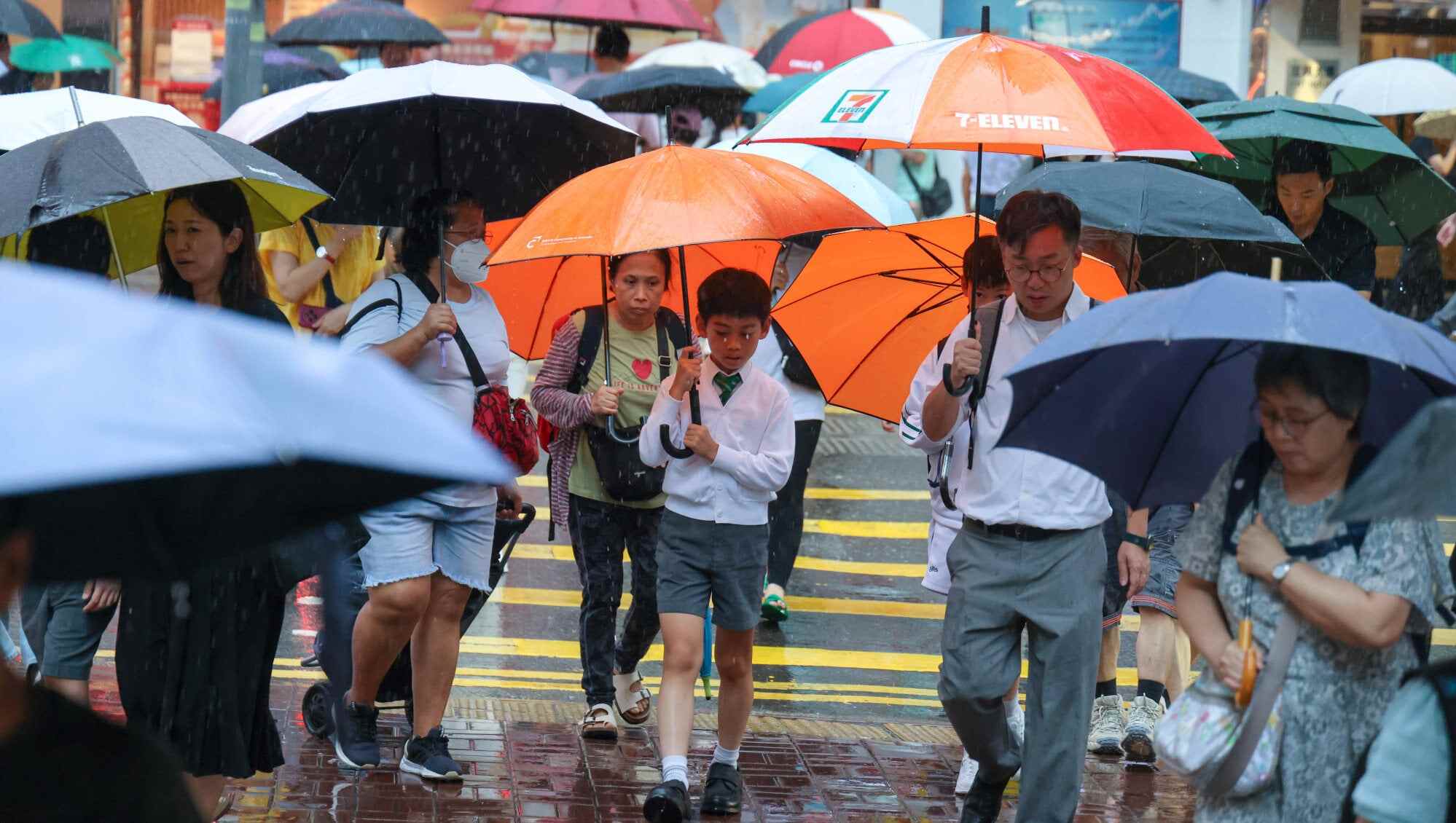
It looks like stormy conditions are ahead. Candidates should be prepared for some heavy showers and squally thunderstorms (accompanied by brief but sudden strong winds) in the early morning.
The Hong Kong Observatory notes that the weather will remain unsettled for the rest of the day. Expect high temperatures up to 30 degrees Celsius and humidity between 80 and 90 per cent.
In the unlikely case that the weather forecaster issues a No 8 typhoon signal or above, a black rainstorm warning, or any other extreme conditions by 6am, the release of results may be postponed.
Make sure to dress appropriately, and don’t forget an umbrella!
Here is a checklist guide of what to bring:
-
Your HKID card (original and copy) and HKDSE exam result notice
-
Any relevant report cards (such as school reports from Form Four to Six), certifications (including for non-school competitions or extracurricular activities) and student identification
-
Plenty of water and some light snacks
-
Fully charged phone and a spare charger, as you may need to contact someone or access important information
-
An umbrella and any other weather-appropriate accessories
-
Cash and your Octopus card
-
Basic stationery and conditional offer or reference letters, if you have any
Applying to a local university
Students who have applied through the Joint University Programmes Admissions System (Jupas) or Electronic Advance Application System (EAPP) and received a conditional offer can check to see if their DSE results meet the requirements. If so, they can complete admission procedures and then pay a reservation fee online.
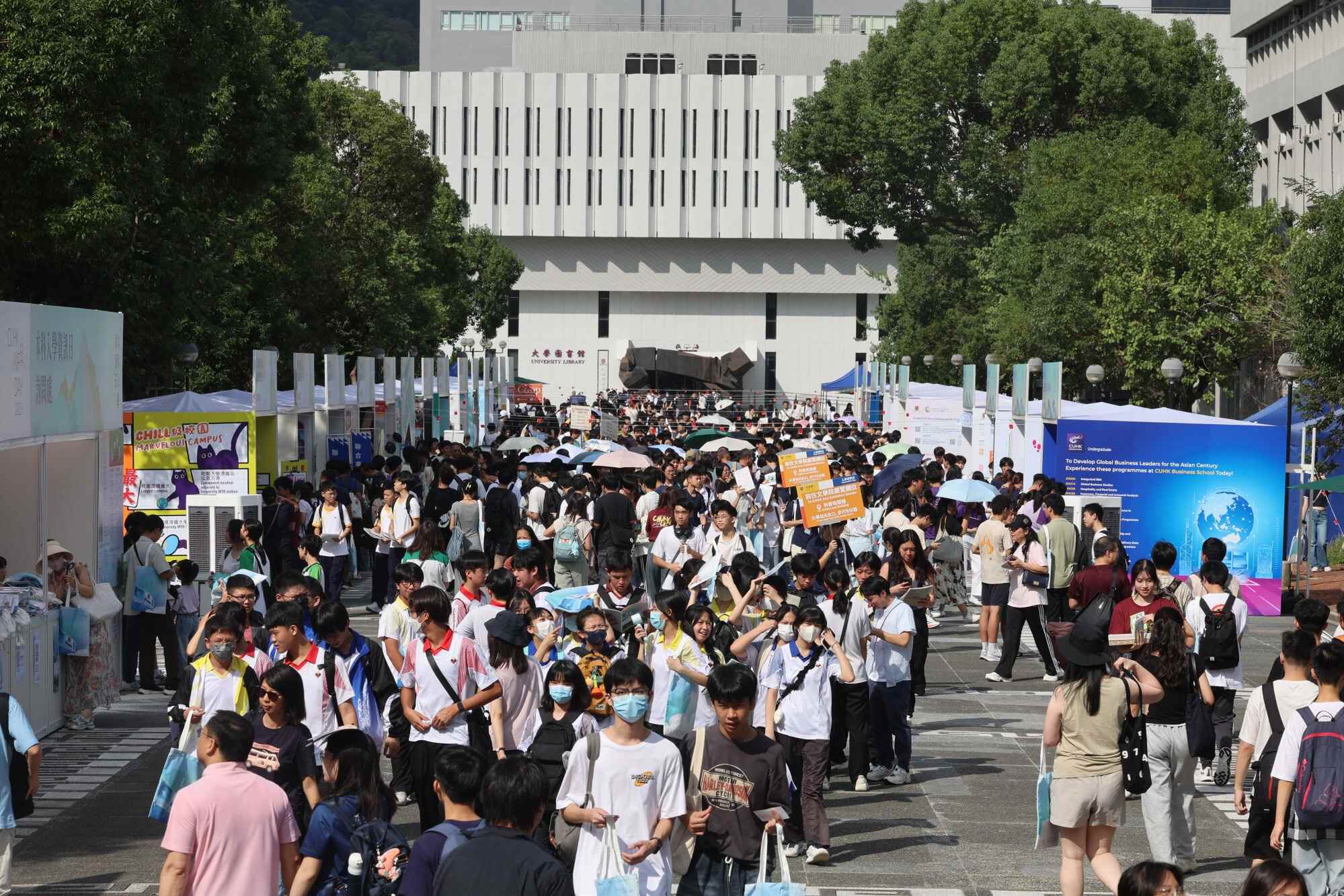
But students whose results fall short or who did not apply should be prepared to visit universities on results day for on-the-spot applications or interviews.
However, some only accept online applications.
Those trying their luck and applying to universities on site need to prepare the original and a copy of their identity cards, DSE transcript, school reports from Form Four to Form Six, other learning experiences and a student learning profile.
Certificates for non-school competitions or extracurricular activities, a confirmation letter from institutions for conditional offers (if any) and a reference letter (if any) are among the necessary documents.
Money for administration fees and a pen to fill in application forms will also come in handy.
Planning to study abroad?
Pupils planning to study abroad should bring these documents during their visit to an overseas exhibition – the original and a copy of the DSE transcript, school reports from Form Four to Form Six and a student learning profile. A certificate for a language proficiency test and a reference letter (if any) are also needed.
Mental tips for pupils and parents
Ken Fung, a clinical psychologist at Jadis Blurton Family Development Centre in Hong Kong, advised pupils to concentrate on what they could control and recognise that feelings of anxiety or excitement were normal.
“Take a moment to breathe deeply and recognise these emotions without judgment,” Fung said. “The results are already set, so now, you need to shift your focus to how you’ll respond, like planning next steps or discussing options with family.”
According to Fung, it is also important for pupils to prepare for any outcome by envisioning both the best- and worst-case scenarios. He advised pupils to mentally practise staying calm and consider all their options, from applying to their preferred university to exploring vocational courses and even taking a gap year.
Fung also suggested that pupils engage in light activities on Tuesday evening to distract themselves before receiving the results.
“You can watch a movie, exercise, or hang out with friends to keep your mind from spiralling. You can also start packing what you need to make sure you have everything,” he said.
Fung stressed that parents should stay calm and supportive. Parents usually view exam scores as indicators of success or failure, which can affect their children’s self-esteem.
Regardless of the outcome, students need to feel accepted and know that they are not alone. Parents should also ask their children in advance whether they would like to check the results together or prefer to have some time alone.
The psychologist also recommended that parents unsure about guiding their children on academic paths familiarise themselves with post-DSE guidance services, such as Hok Yau Club’s Student Guidance Centre and school advisers.
‘Keep your options open’
Secondary school teacher Liu Tin-yan urged pupils to keep all options open to stay mentally prepared. Before receiving their results, candidates can explore university websites to review alternative options in case their scores in certain subjects fall short of their expectations, according to Liu.
“At the very least, you won’t panic or feel completely lost if they are not what you expected,” she said.
Liu also reminded candidates that there was no single best road to success and that associate degrees and higher diplomas were both good pathways.