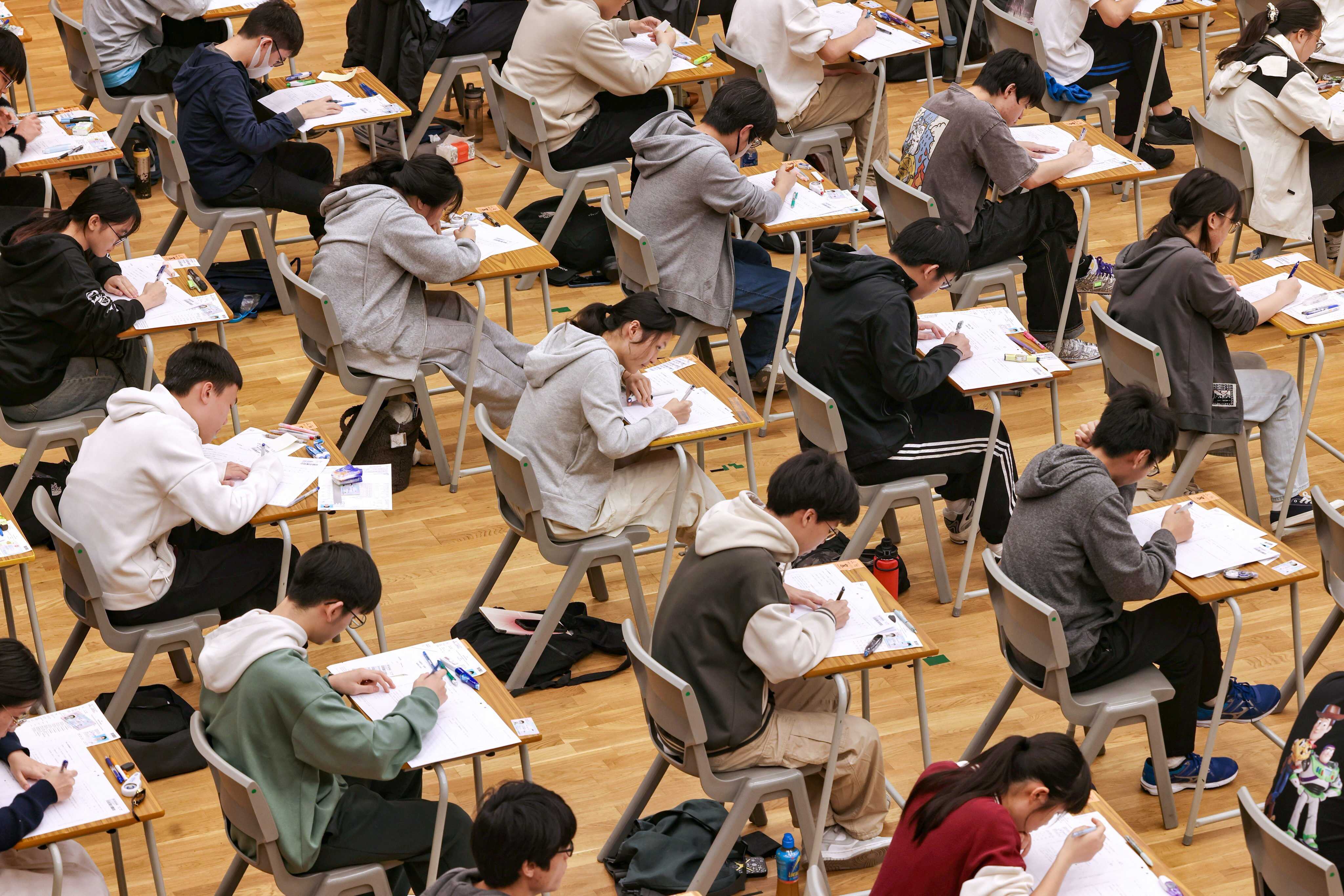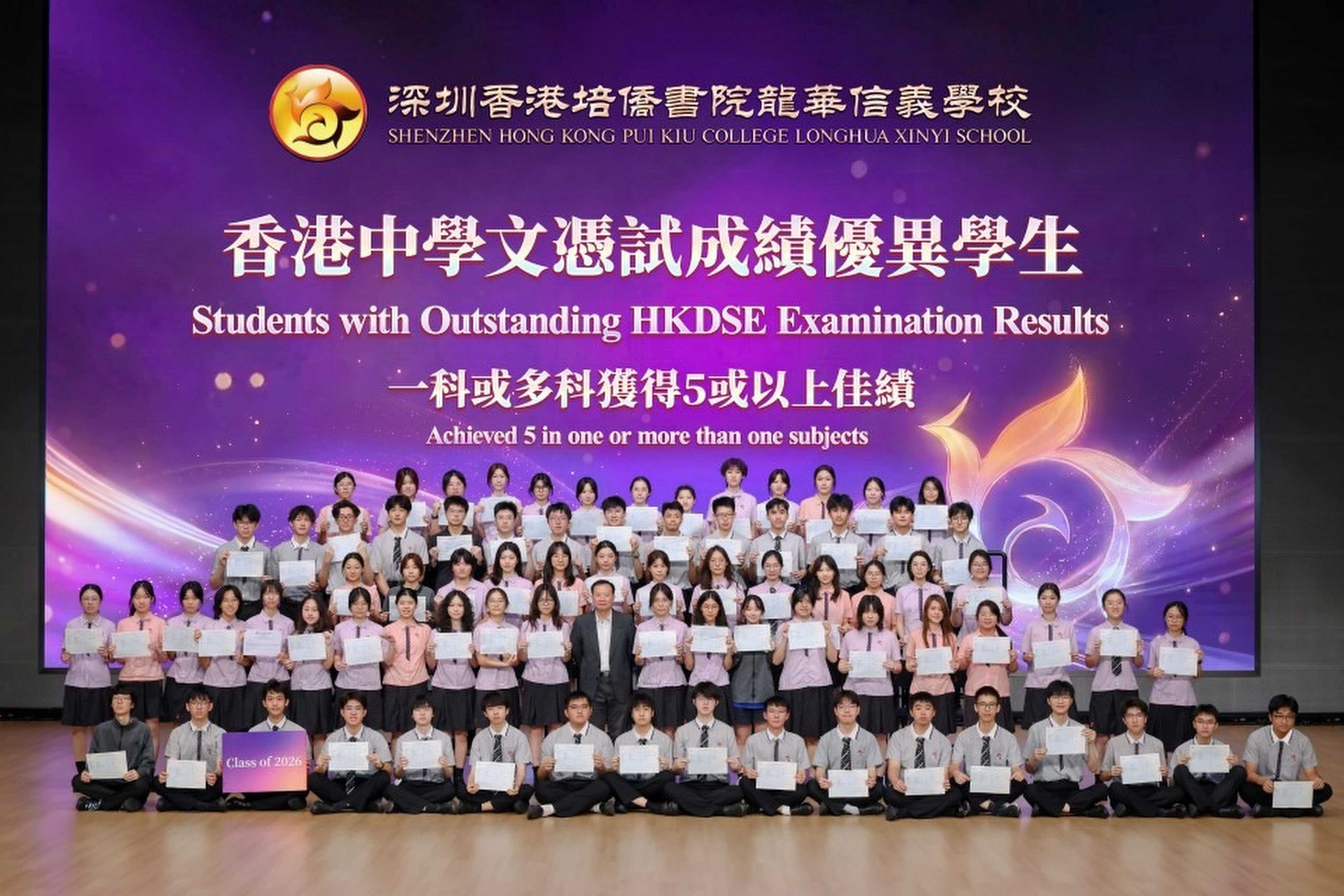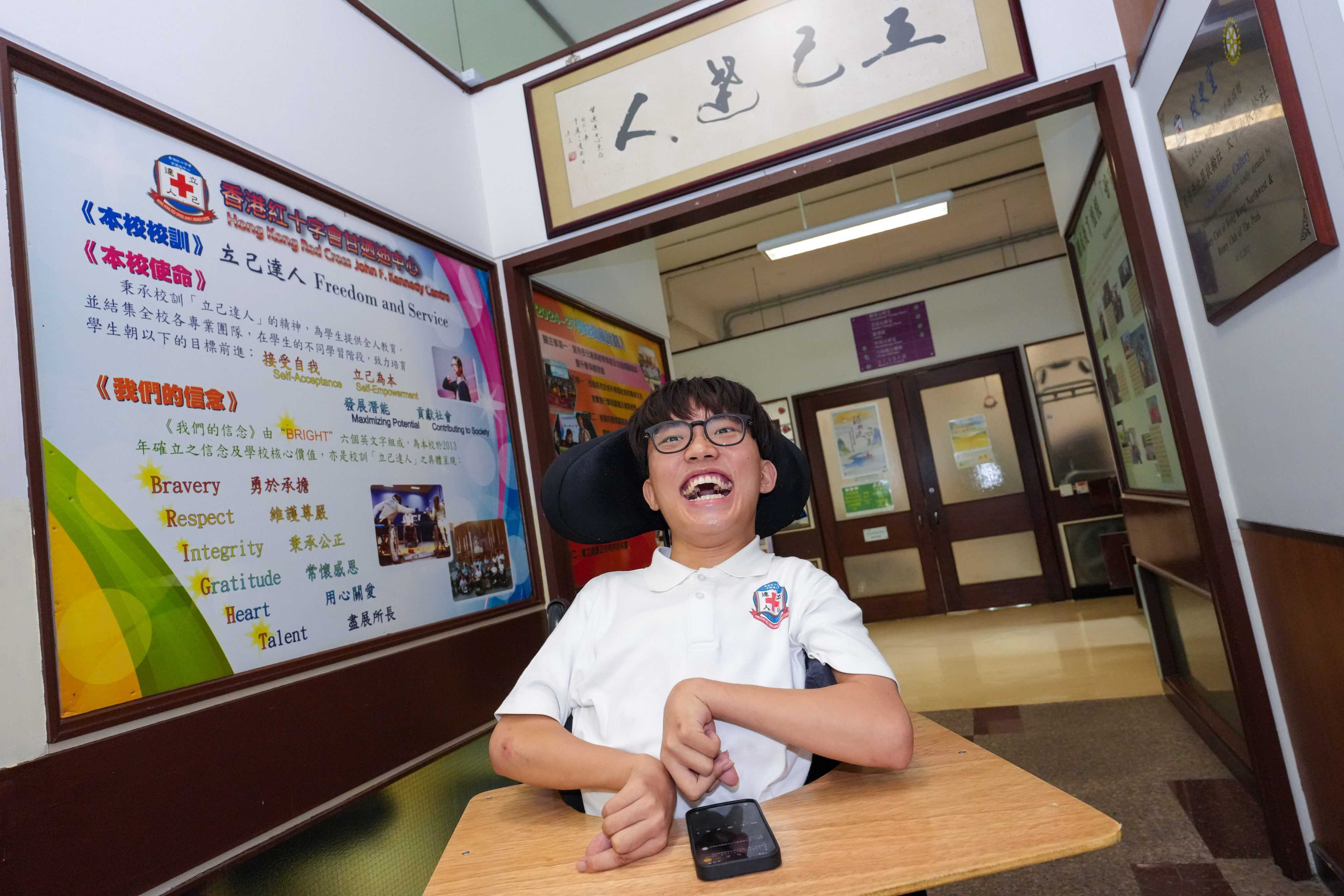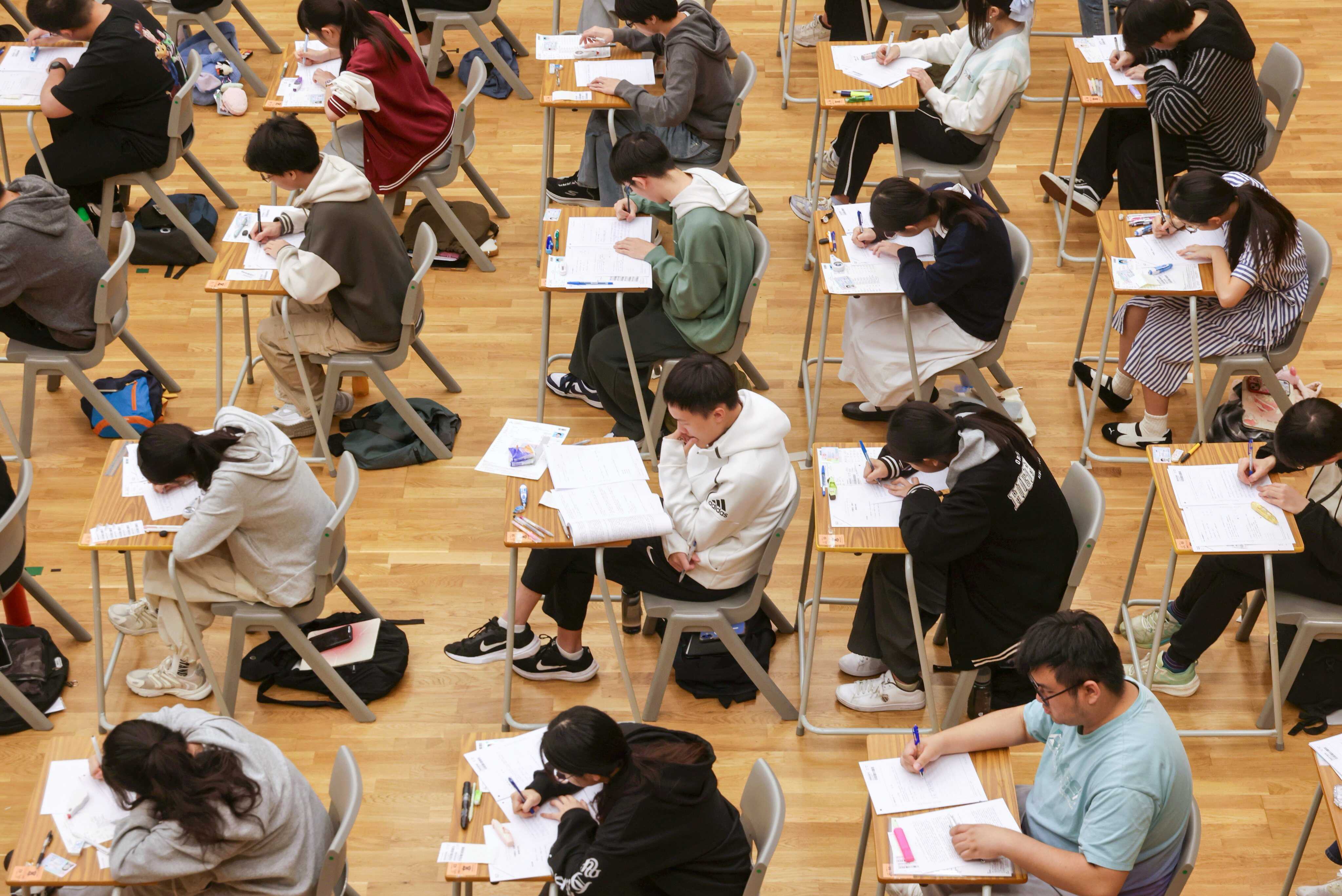
This year, approximately 43,347 day-school candidates took Hong Kong’s Diploma of Secondary Education (DSE) exam. However, there are only about 12,000 subsidised undergraduate places available at the city’s eight public universities. As a result, what options do the tens of thousands of students who are not offered a place have?
According to a survey by education authorities, 85 per cent of Form Six students in the 2024-25 cohort opted for local tertiary education, including bachelor’s degrees, sub-degrees and diploma courses.
The South China Morning Post looks at the alternative pathways available to these graduates.
1. What degree options are there beyond the eight public universities?
There are bachelor’s programmes offered by self-financing tertiary institutions that are subsidised by the government under the Study Subsidy Scheme for Designated Professions, which covers 10 disciplines with strong manpower demand.
These institutions offer about 3,425 first-year degree places across 47 programmes at eight self-financing institutions.
The annual subsidy for the coming academic year ranges from HK$46,780 (US$5,970) to HK$81,450, depending on programme type and whether it is laboratory-based.
The programmes cover architecture and engineering, computer science, creative industries, financial technology, healthcare, insurance, logistics, sports and recreation, testing and certification, and tourism and hospitality.
The general entrance requirement for these scheme programmes is “332A22” or “332A2”, meaning Level 3 in Chinese and English, Level 2 in mathematics, an “attained” grade in citizenship and social development, and Level 2 in two or one elective subjects.
DSE grades most subjects on a seven-level scale from 1 to 5**, while citizenship and social development is marked only as “attained” or “not attained”.
There are also about 7,794 self-financing undergraduate places offered by 26 tertiary institutions.
Most of them still require “332A22” or “332A2”, while some institutions ask for Level 4 in English but only Level 2 in Chinese, though tuition fees are significantly higher than for subsidised places.
2. What if students only get Level 2 in all subjects?
Students with Level 2 in all subjects can apply for an associate degree and higher diploma courses offered by different institutions, and may later pursue a top-up degree locally or overseas.
According to official figures, there are around 17,900 self-financing sub-degree places and 9,200 government-funded sub-degree places, totalling 27,100 places.
Each year, there are 5,000 senior-year government-funded places offered by the eight public universities, giving sub-degree graduates with strong academic performance a second chance to complete their studies in publicly funded institutions.
3. What options are there for students who fall below Level 2?
Students who do not obtain Level 2 in all subjects and are ineligible for sub-degree programmes can consider the Diploma of Applied Education Programme, launched in the 2023-24 academic year to replace the Diploma Yi Jin scheme.
This provides an alternative pathway for Form Six school leavers to obtain a formal qualification for employment and further studies, and is currently offered by seven institutions.
Students with only Form Six qualifications can also apply for the Diploma of Foundation Studies, the Diploma of Vocational Education or other diplomas offered by the Vocational Training Council (VTC), which are subsidised by the government.
These can make them eligible to progress to sub-degree programmes and, subsequently, bachelor’s degrees.
Those who want to develop expertise in cooking or hospitality can enrol in programmes offered by the Hotel and Tourism Institute, the Chinese Culinary Institute and the International Culinary Institute under the VTC.
4. How many students go to the mainland or overseas?
Every year, thousands of Form Six school leavers, regardless of their DSE results, choose to study overseas or in mainland China.
But the number of Hong Kong secondary school leavers pursuing higher studies outside the city fell to a 14-year low in 2025, with only 2,671 Form Six graduates choosing to study overseas, according to a survey by the Education Bureau.
This represented a 13 per cent drop from the 2024 figure of 3,061 and was the lowest number since 2012. Of those 2,671 students, around 1,259 went to the mainland, while the remaining 1,412 chose Taiwan or other overseas destinations.
The United Kingdom remained the top overseas destination despite a 25 per cent decline in numbers compared with the previous year, followed by Australia, which recorded a 7 per cent year-on-year increase.
The United States saw numbers rise by 15 per cent despite a clampdown on visas for Hong Kong students last May, while Canada suffered the largest annual decline, at 48 per cent.
Taiwan also recorded a 37 per cent drop compared with 2024, with only 196 students going there to study.