Top scorers in this year’s university entrance exam in Hong Kong have utilised several effective strategies to enhance their performance. These strategies include setting a timer to take a short break after every 25 minutes of study, compiling a “mistakes booklet” to learn from past errors and using AI (artificial intelligence) to improve their English skills.
However, some of the 24 high achievers of this year’s Diploma of Secondary Education (DSE) exams said they would not rely too much on AI as this would prevent them from genuinely absorbing the knowledge.
Wong Lok-yin, PLK Laws Foundation College’s first top scorer and first “super top scorer”, said he had avoided burnout while preparing for the exam by using an online tool known as a Pomodoro timer.
He broke down studying into highly focused 25-minute “sprints” followed by five-minute breaks in an effort to keep his brain sharp and ward off procrastination.
“A five-minute rest allows my brain to consolidate the knowledge learned and keeps my mind from staying tense,” he added.
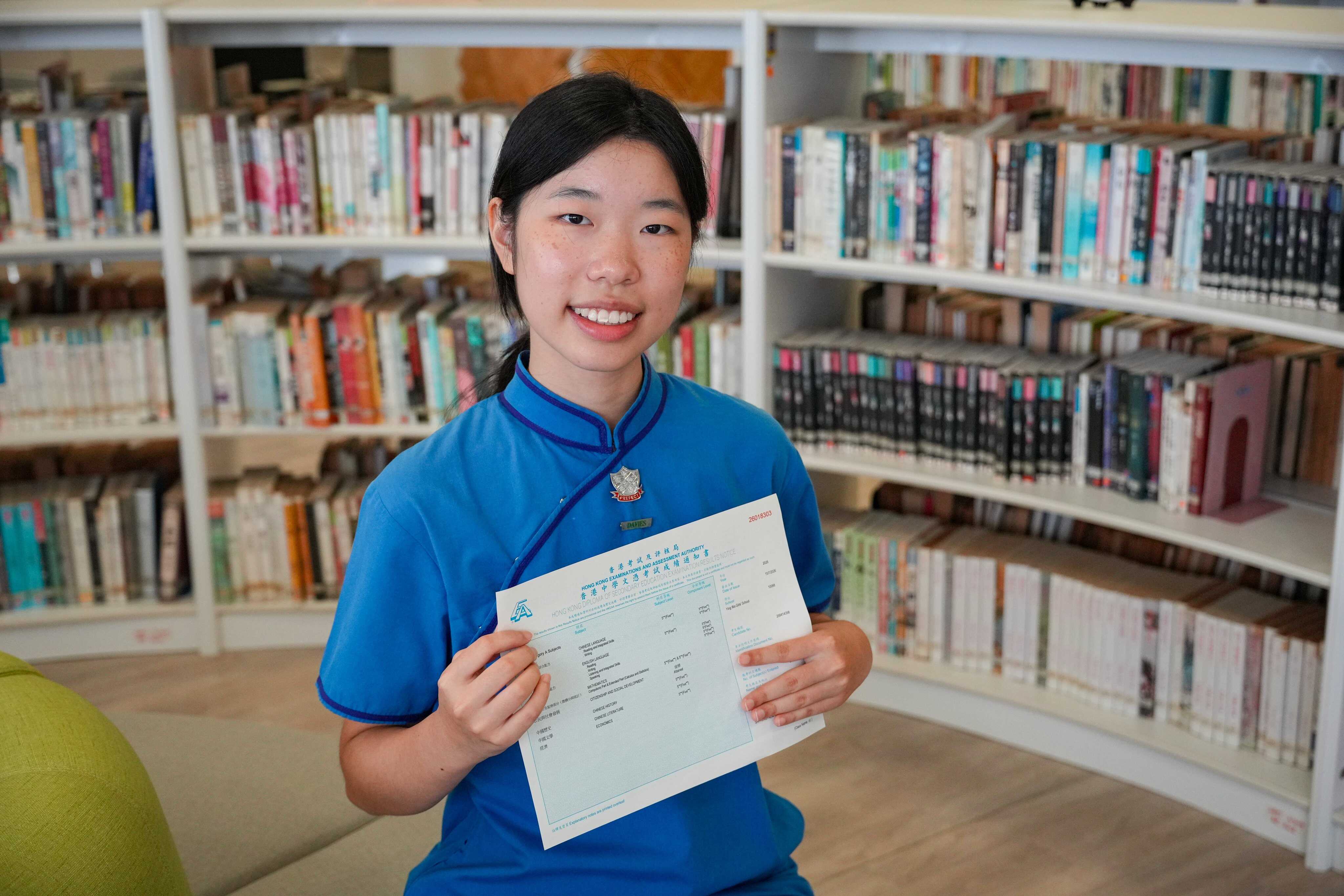
Soniya Tong Siu-nga, 18, a super scorer from Ying Wa Girls’ College, kept a booklet to record questions she had previously answered incorrectly or concepts she had not come across before.
She found it a highly effective way to remind herself of what she had studied and to learn from her mistakes, especially in maths.
“In Form One, I often made careless mistakes – for example, turning subtraction into addition, or misreading questions. These were minor but serious errors, and I really wanted to solve this problem,” Tong said.
To excel in English, top scorers recommended paying attention to the news, documentaries, sports commentaries, podcasts and overseas YouTube content, while practising the language daily to build vocabulary and fluency.
Top scorer Ian Choi Shin-hang, from St Paul’s Co-educational College, said watching YouTube clips and scrolling through Threads helped him stay on top of current affairs.
“For example, in the DSE English exam, students need to write argumentative essays, which require an awareness of current issues. I usually watch documentaries on YouTube or scroll Threads to keep track of social topics,” he said. “I keep exploring these issues.”
While AI has become a popular tool for students to boost their English skills, top scorers cautioned that an over-reliance on the technology could be counterproductive.
Tong said she found AI tools useful for revision, especially when learning English.
She preferred using ChatGPT and Gemini, and sometimes asked them to suggest more advanced vocabulary or to help her make her writing more fluent.
However, she said she believed users “definitely need to have [their] own considerations”.
“When you see the output generated by AI, you have to think: is [the result] really good?” Tong says. “If I use this phrase in speaking, would it be too exaggerated? Would it be inappropriate?”
Super scorer Ryan Tao Zeran from King’s College agreed that AI was especially useful for learning English.
“When studying English, we can take some texts and look at the overall structure, see what better vocabulary we can learn, or use [AI tools] to analyse and find good vocabulary,” he said.
But he added that it was important to remember that AI was just a tool.
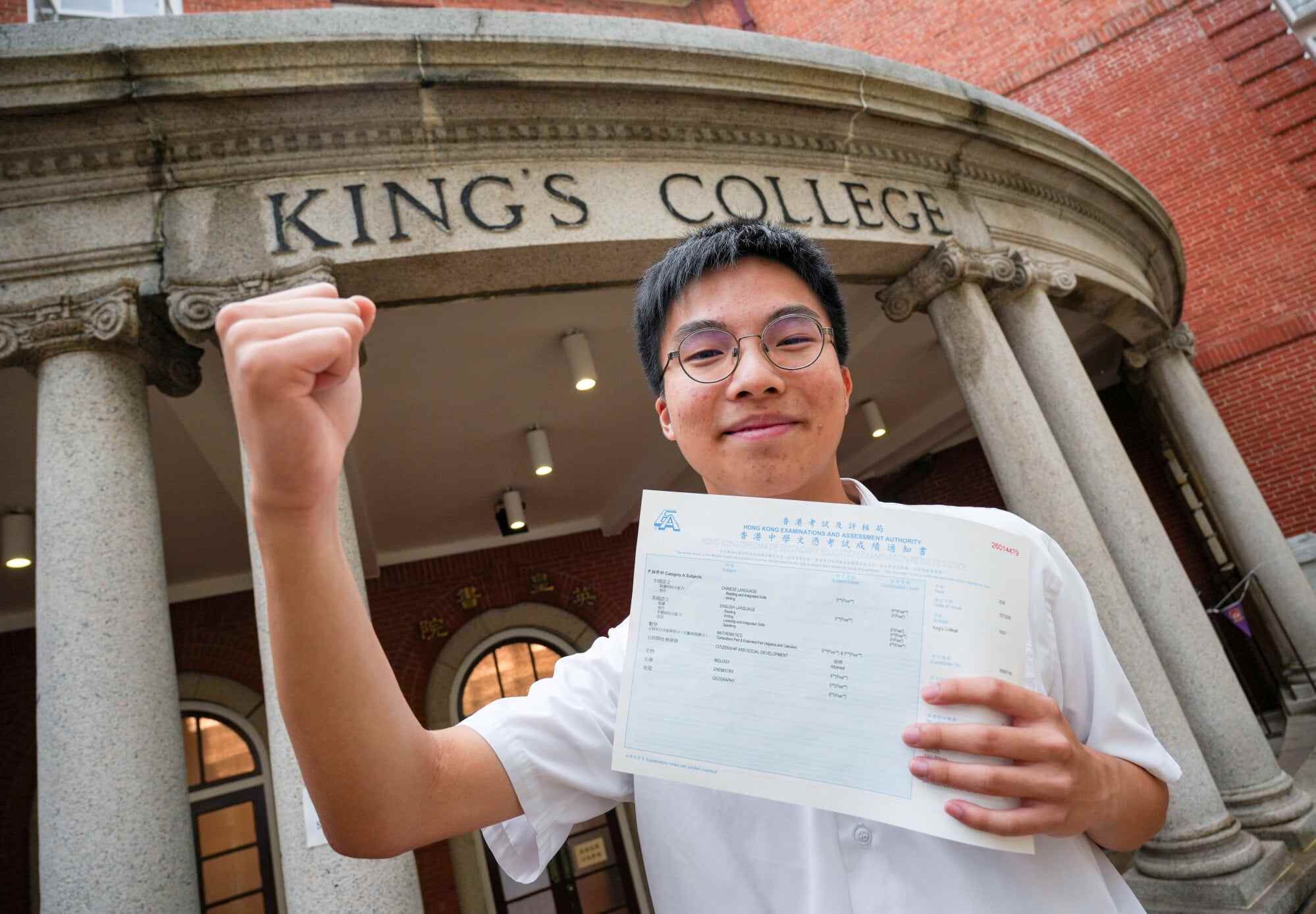
“You are inventive, and the tool should serve us, humans,” he said. “But if you use it to copy [your] homework or submit work without actually absorbing the knowledge, then I think that is wrong. Your attitude should be to treat it as a tool, not let it use you.”
Luann Ma Tuen-hang from St Paul’s Co-educational College said using AI to help study had both benefits and drawbacks.
She recalled copying an essay into DeepSeek for improvement but found the results unhelpful.
“It kept suggesting typical ‘AI-style’ sentence patterns – redundant, robotic phrasing – and repeatedly recommended rewriting my work that way. In the end, I abandoned that approach,” she said.
However, she used AI to generate random one-minute English speaking prompts to practise for oral exams.
“I may not always have a wide range of social issues at the top of my mind, so I ask the AI to give me a prompt on the spot. Then I do a quick, impromptu brainstorm on how I would respond,” she said.