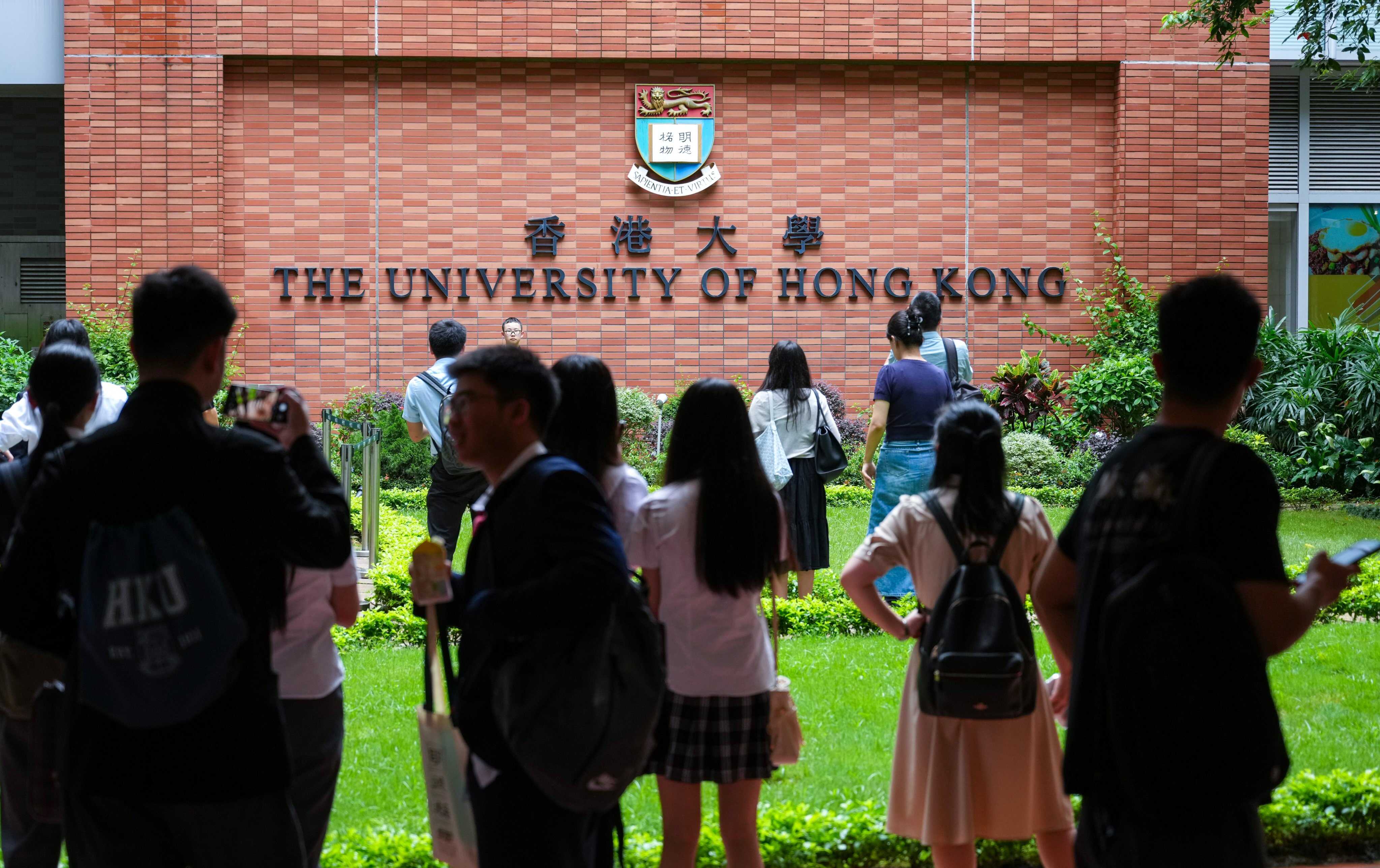
Public universities in Hong Kong have admitted a record number of students applying outside the local exam system. The intake surged by 63 per cent over seven years to account for nearly 30 per cent of the 15,000 government-funded places, the South China Morning Post has found.
Meanwhile, the intake of home-grown students taking the Diploma of Secondary Education (DSE) exam has dropped by 7 per cent, causing its proportion to fall from 82 per cent to 72 per cent, sparking calls for a cap on admissions through alternative qualifications to safeguard local interests.
“The decrease in places for DSE students results in driving up admission scores,” said Ng Po-shing, a student guidance consultant at Hok Yau Club and vice-principal of a secondary school. “More students are complaining that they failed to get into certain programmes though they met the median score in the previous cohort.”
The Diploma of Secondary Education is the city’s main university entrance examination.
The SCMP isolated the trends after analysing data sets from the University Grants Committee (UGC) on first-year-first-degree students admitted with DSE and non-DSE qualifications across all eight government-funded universities from 2019-20 to 2025-26.
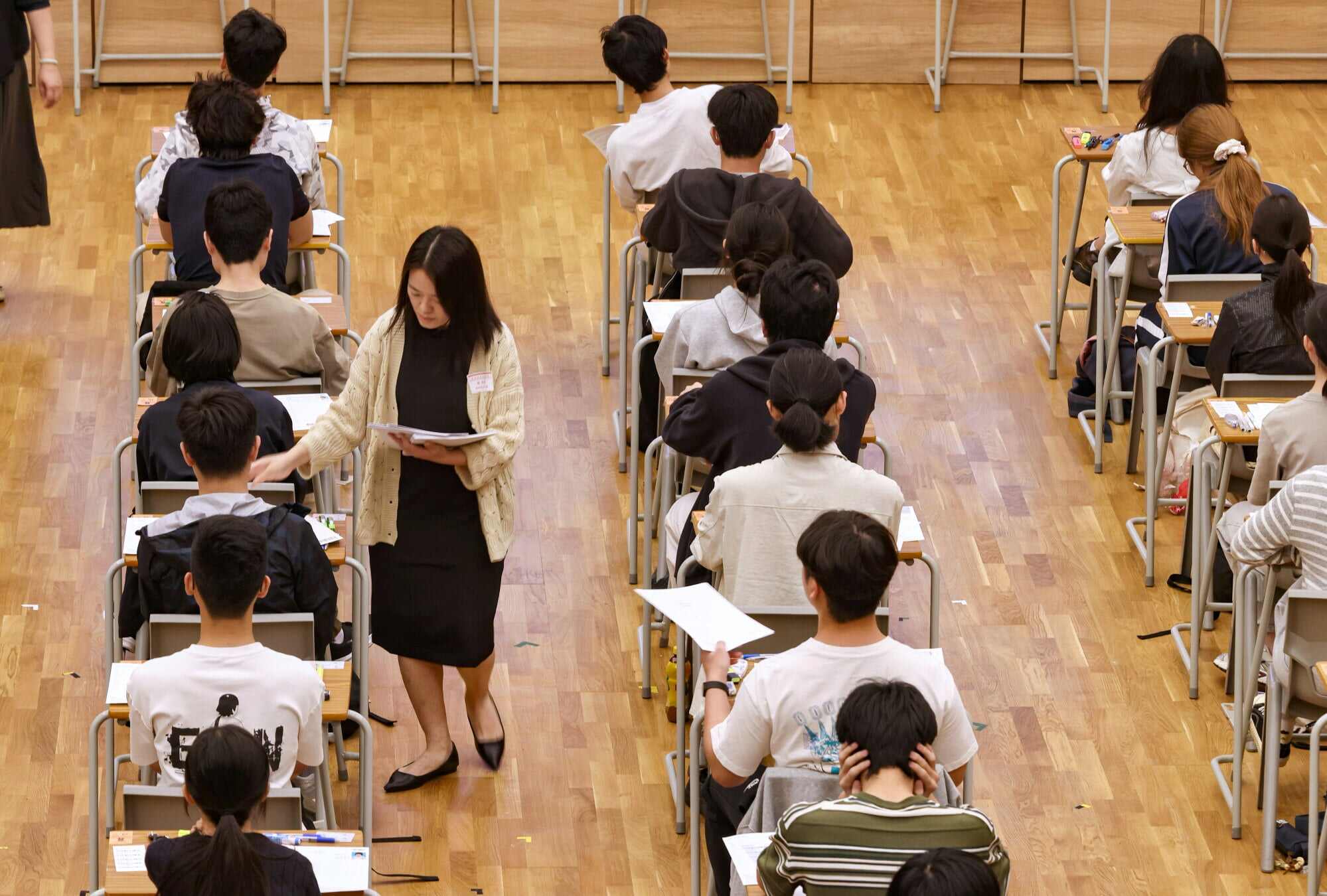
According to the data, non-DSE admissions to government-funded Year One university places have shown an upwards trend in both overall numbers and proportions over six years.
Admissions for students via non-DSE routes jumped from 2,706 in 2019-20 to 4,401 in 2025-26, marking a 63 per cent increase.
Their share took up only 18 per cent of the total funded university places in 2019-20, but jumped to 22 per cent in 2022-23 and reached 28 per cent in 2025-26.
The non-DSE route refers to students sitting the International Baccalaureate (IB), GCE A-levels or International A-levels from Hong Kong’s international, private independent and Direct Subsidy Scheme schools, as well as students who studied overseas but returned to Hong Kong’s universities, and talented local students under the School Nominations Direct Admission Scheme (SNDAS).
Conversely, admissions for DSE students to Year One places have shown a declining trend in both overall numbers and proportions.
The number of admitted candidates dropped from 12,355 in 2019-20 to 11,503 in 2025-26, marking a 7 per cent fall.
Their share across the eight universities dropped significantly over the same period, from 82 per cent to a trough of 72 per cent this year.
While 73 per cent of DSE students who attained general admission requirements secured a spot in public universities in 2019, that rate dropped to 70 per cent in 2025.
The Hong Kong University of Science and Technology (HKUST) and the University of Hong Kong (HKU) recorded the lowest DSE student intake by percentage.
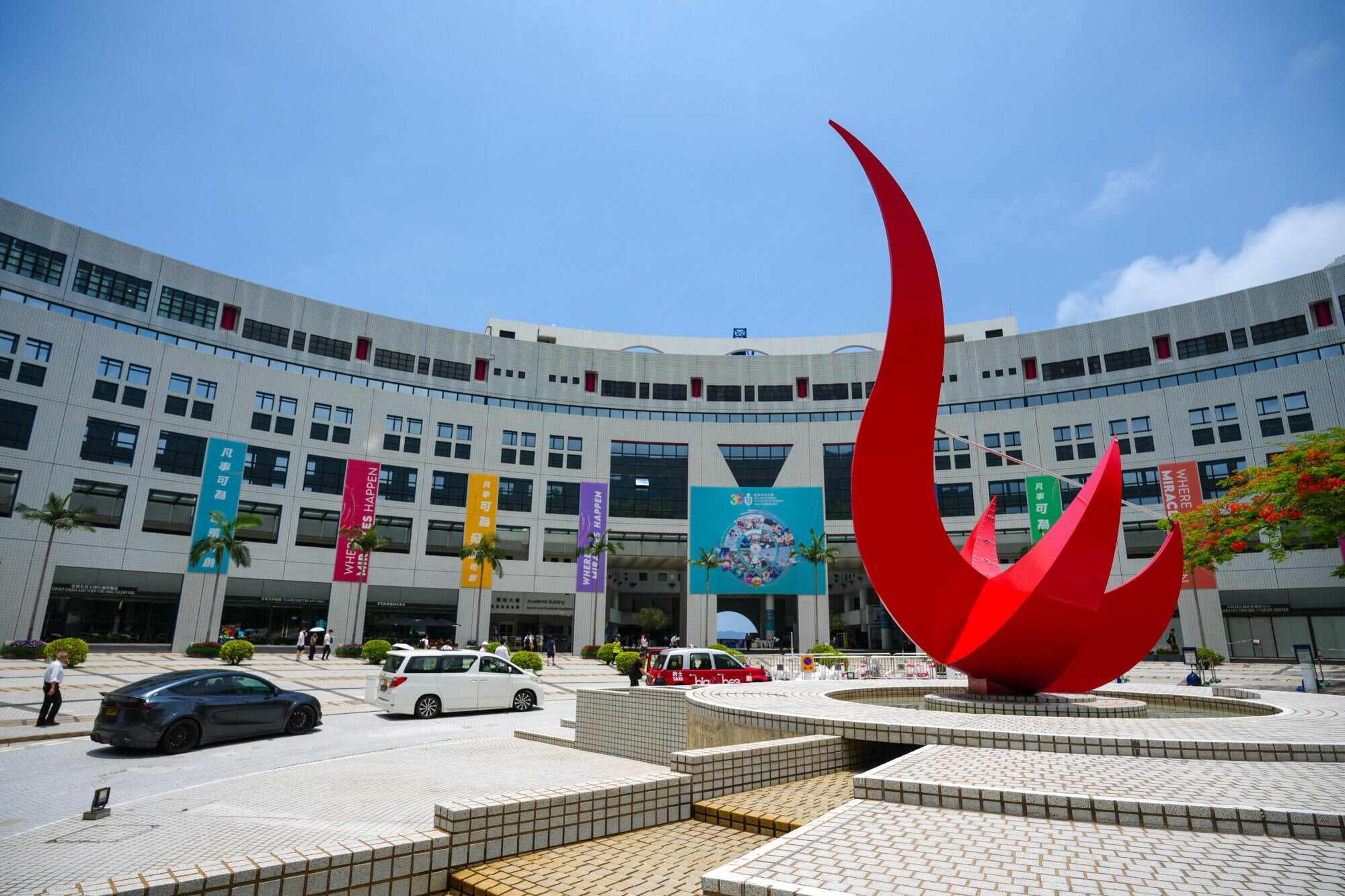
HKUST’s intake comprised only 61 per cent in 2025-26 while HKU took in 62 per cent, down from 83 per cent and 78 per cent, respectively, seven years ago.
Over the same period, the number of non-DSE students admitted by HKUST surged by 156 per cent, while HKU recorded an 87 per cent increase.
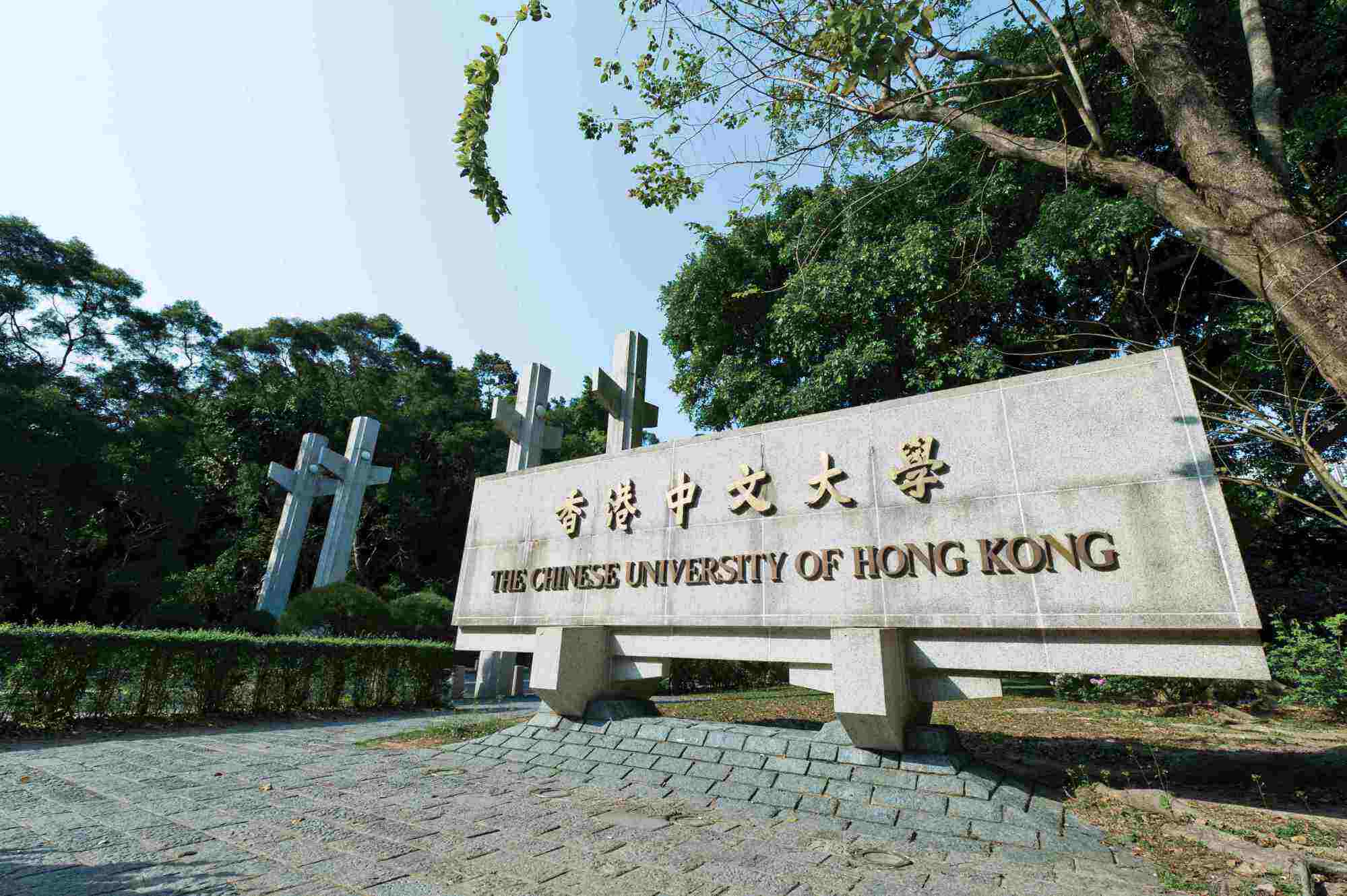
The Chinese University of Hong Kong (CUHK) was the sole outlier, with its DSE intake edging up to 86 per cent from 84 per cent seven years ago.
The remaining five public universities all recorded declines in local exam admissions over the same period.
An HKUST spokesman said the university did not give preferential treatment based on qualification type or application route, adding that all candidates were assessed independently to ensure fairness and consistency.
An HKU spokesman said its shift was due to diversified educational pathways in Hong Kong, noting that the university also accepted the highest number of students via SNDAS among all institutions.
Education consultant Ng said students from non-DSE curricula often came from families who could afford higher tuition fees and were well equipped to secure good grades, leading to universities preferring to admit them over DSE students, thereby reinforcing their socio-economic status.
“Students with good backgrounds enjoy more resources and then obtain good grades, resulting in good prospects and continued high socio-economic backgrounds or vice versa,” he said.
Due to the shrinking share of DSE students taking up government-funded places, Ng predicted that future candidates might need to secure higher marks to enter public universities.
Lee Yi-ying, chairwoman of the Hong Kong Subsidised Secondary Schools Council, called the DSE a “Hong Kong brand” and said local universities should have greater confidence in admitting DSE students.
Both Ng and Lee observed that candidates securing median admission scores last year – previously considered competitive – still failed to gain entry into certain programmes, which they believed was partly a result of the growing number of non-DSE student admissions.
Both called for a benchmark quota to prevent universities from endlessly expanding alternative admissions, with Lee suggesting that at least 80 per cent of places be reserved for DSE candidates to protect local interests.
A spokesman for the Education Bureau dismissed any direct correlation with the appeal of the DSE.
“Under the university principle of merit-based admission, this phenomenon reflects changes in students’ personal considerations regarding their study destination, and has no direct relationship with the overall attractiveness of the DSE curriculum,” he said.
“Every year, a significant number of top DSE candidates choose to apply directly to prestigious overseas universities or top mainland [Chinese] institutions using their results, with their higher education goals far from being limited to local UGC-funded places.
“In contrast, some students enrolled in non-local curricula such as IB or GCE A-levels in recent years may have shifted to staying in Hong Kong for higher education due to changes in the global situation or personal planning.”
He noted that the proportion of DSE students entering publicly funded university places had largely remained at a high level of more than 70 per cent.