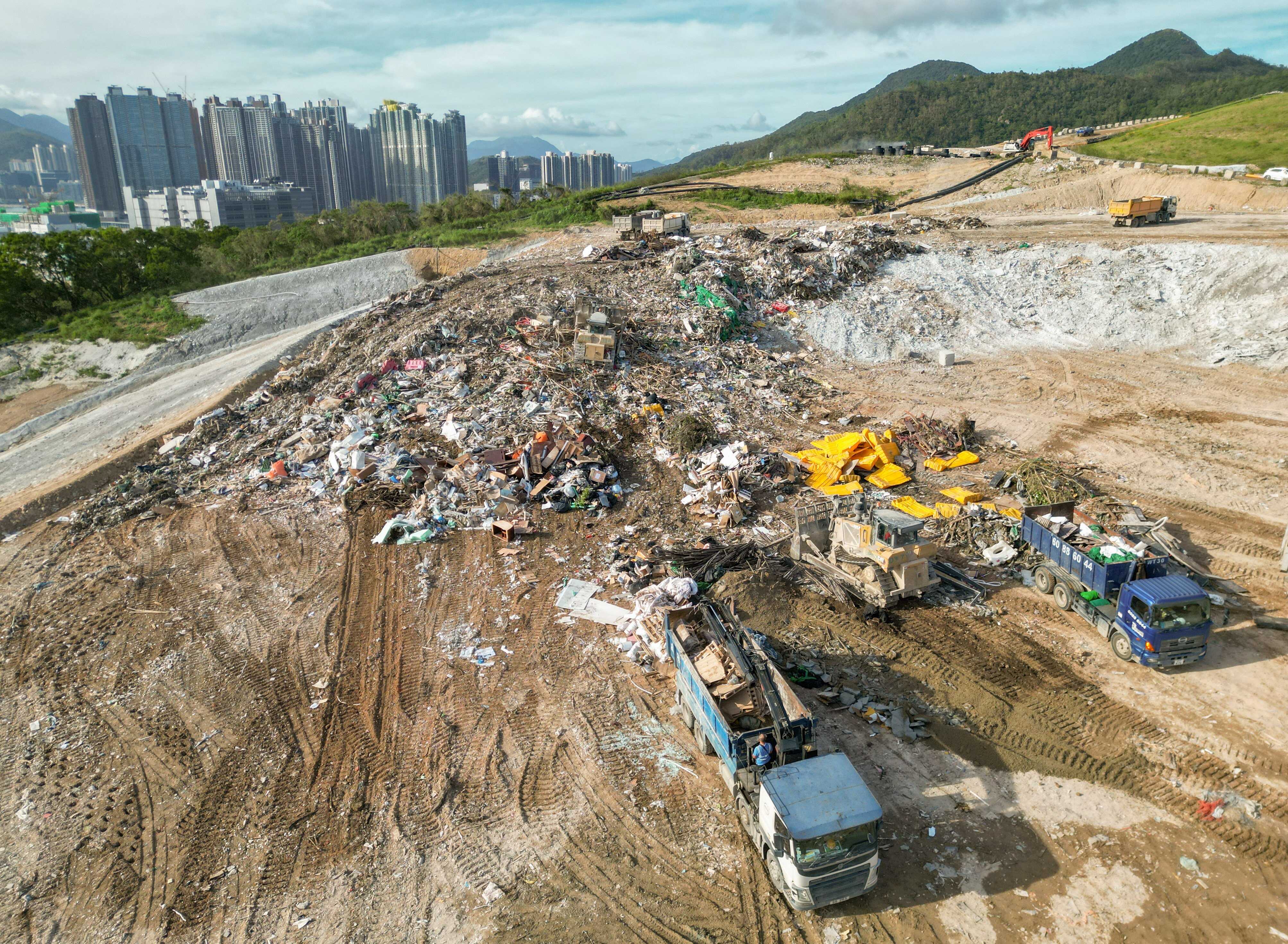
Municipal solid waste levels at Hong Kong’s landfills fell to 3.85 million tonnes in 2024, marking three straight years of declines, but environmental groups have warned the trend could be short-lived following the shelving of a controversial waste-charging scheme last year.
The latest figures from authorities on Monday also showed the average daily quantity of waste going to landfills was 10,510 tonnes, representing a 3.4 per cent decrease from 10,884 tonnes in 2023.
The amount of plastic waste declined by 11.1 per cent year on year, according to the government.
The recovery rate of municipal solid waste rose from 33 per cent in 2023 to 34 per cent last year, which authorities attributed to the “persistent effort in promoting waste reduction and recovery”.
Steven Chan Wing-kit, assistant environmental affairs manager at The Green Earth, a local NGO, said the drop was probably due to public awareness generated by the controversy last year over the now-shelved “pay-as-you-throw” scheme.
“Comparing these figures with those from the pandemic era is not reasonable, and the drop [in 2024] likely reflects a temporary spike in public awareness triggered by the debate over the waste-charging scheme,” he said.
Chan added that the government needed to find ways to sustain public awareness and motivate residents to reduce their waste.
The waste-charging scheme was first proposed in 2004 and passed by the Legislative Council in 2021.
Under the plan, residents would have been required to dispose of rubbish in prepaid, designated bags costing between 30 HK cents (4 US cents) and HK$11, with offenders facing penalties or even imprisonment.
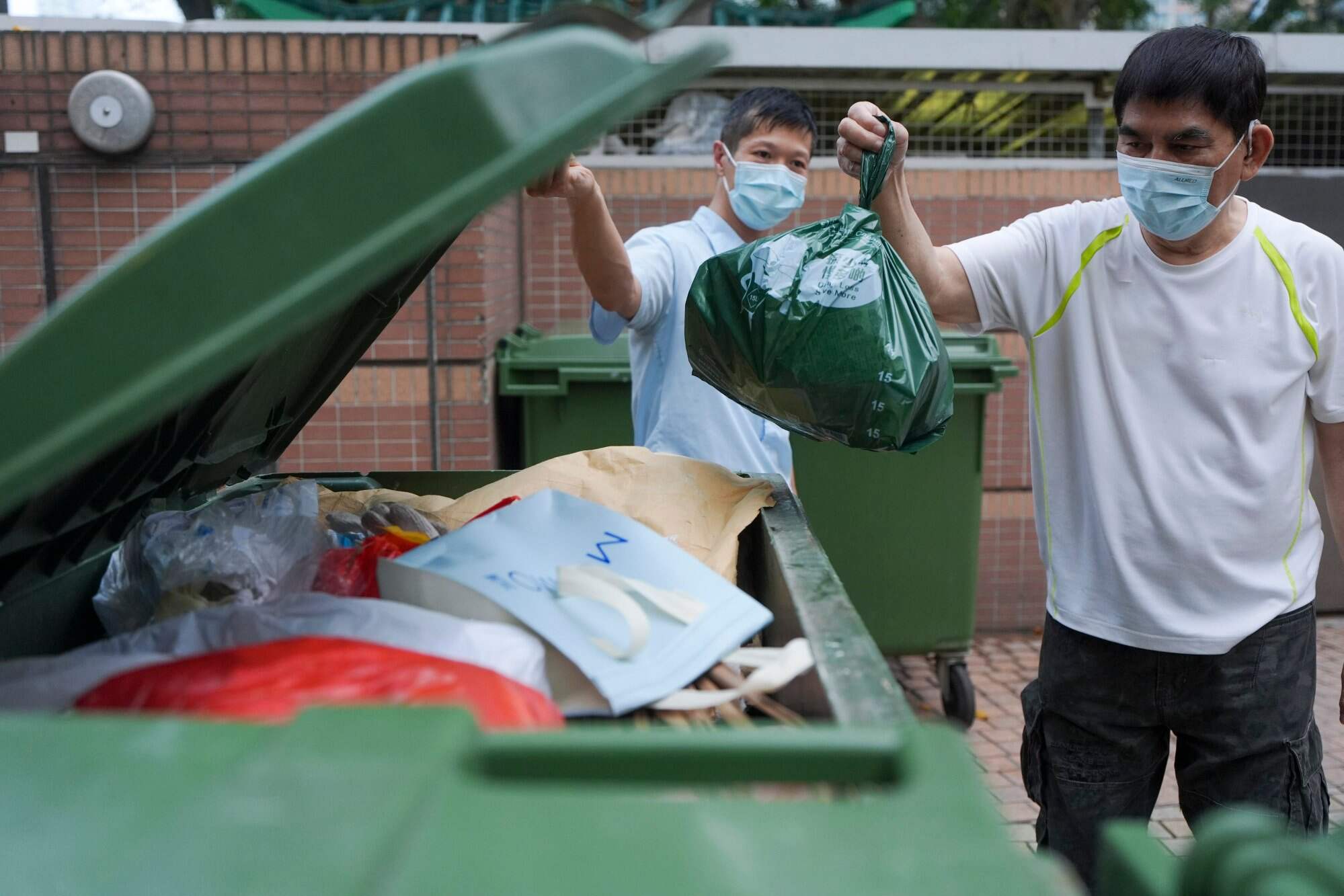
The policy was initially expected to take effect at the end of 2023, but was delayed twice before being shelved indefinitely in May last year.
Secretary for Environment and Ecology Tse Chin-wan later said the scheme would remain on the shelf for the rest of the government’s term, citing strong public opposition as indicated by multiple surveys and economic challenges posed by the US-China trade war and rising geopolitical risks.
He also said the government could reintroduce the waste-charging scheme “when necessary”, but a decline in waste volumes and an uptick in recycling rates in recent years indicated that current efforts were very effective in achieving the same goal.
Leanne Tam Wing-lam, a Greenpeace senior campaigner, on Monday also discussed the impact of the city’s ban on single-use plastic tableware, the first phase of which took effect in April 2024.
She noted that while the amount of single-use plastic tableware being sent to landfills dropped by 14.8 per cent, suggesting the ban was effective on the surface, paper waste, including disposable tableware, increased by 20.5 per cent.
“If we only ban single-use plastic without promoting reusable alternatives, we are merely shifting the waste from plastic to paper or other types of single-use disposables,” she said.