Domestic helper Siti Zulaikho has only one word to describe her life after Hong Kong’s worst fire in decades turned everything upside down: “chaotic”.
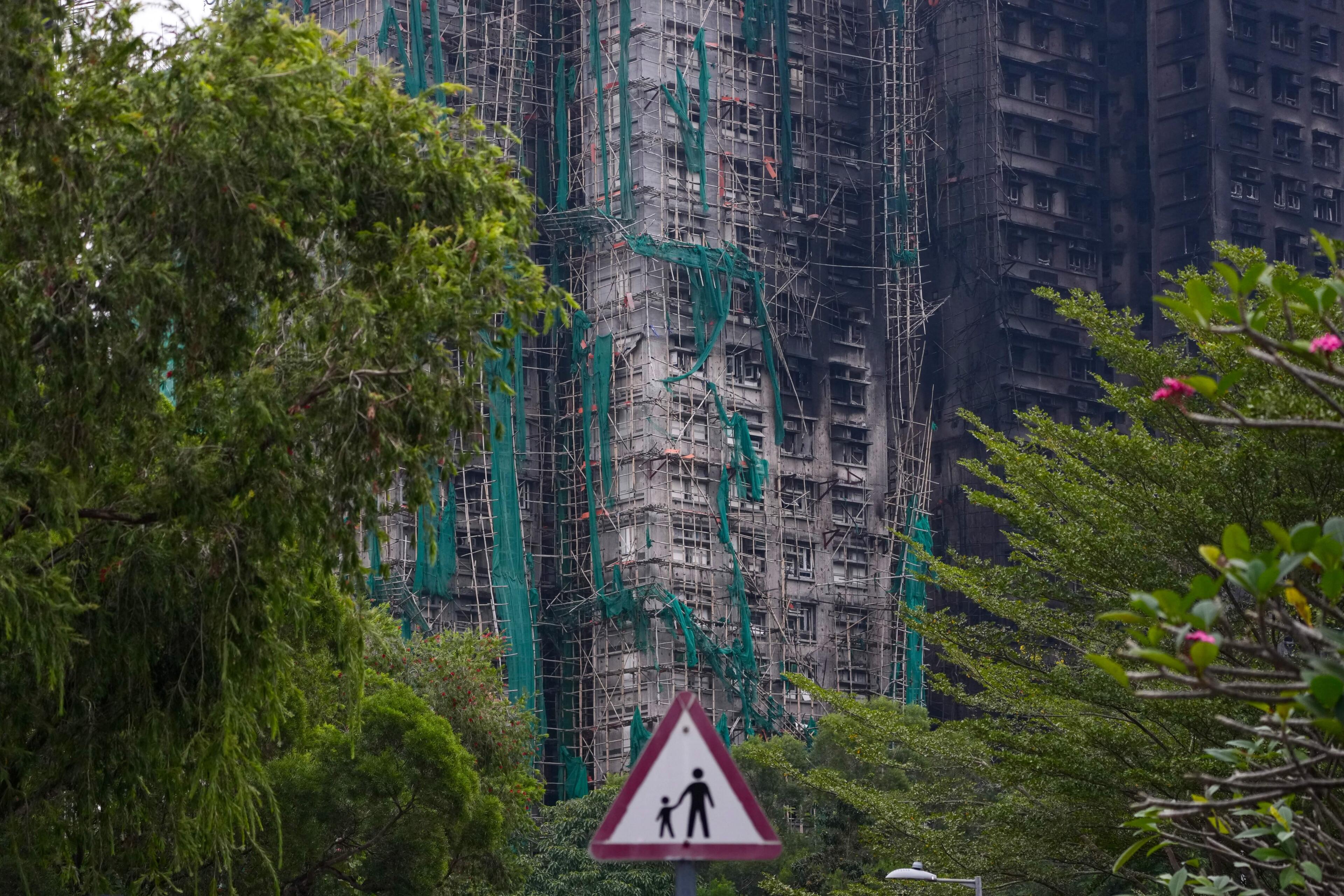
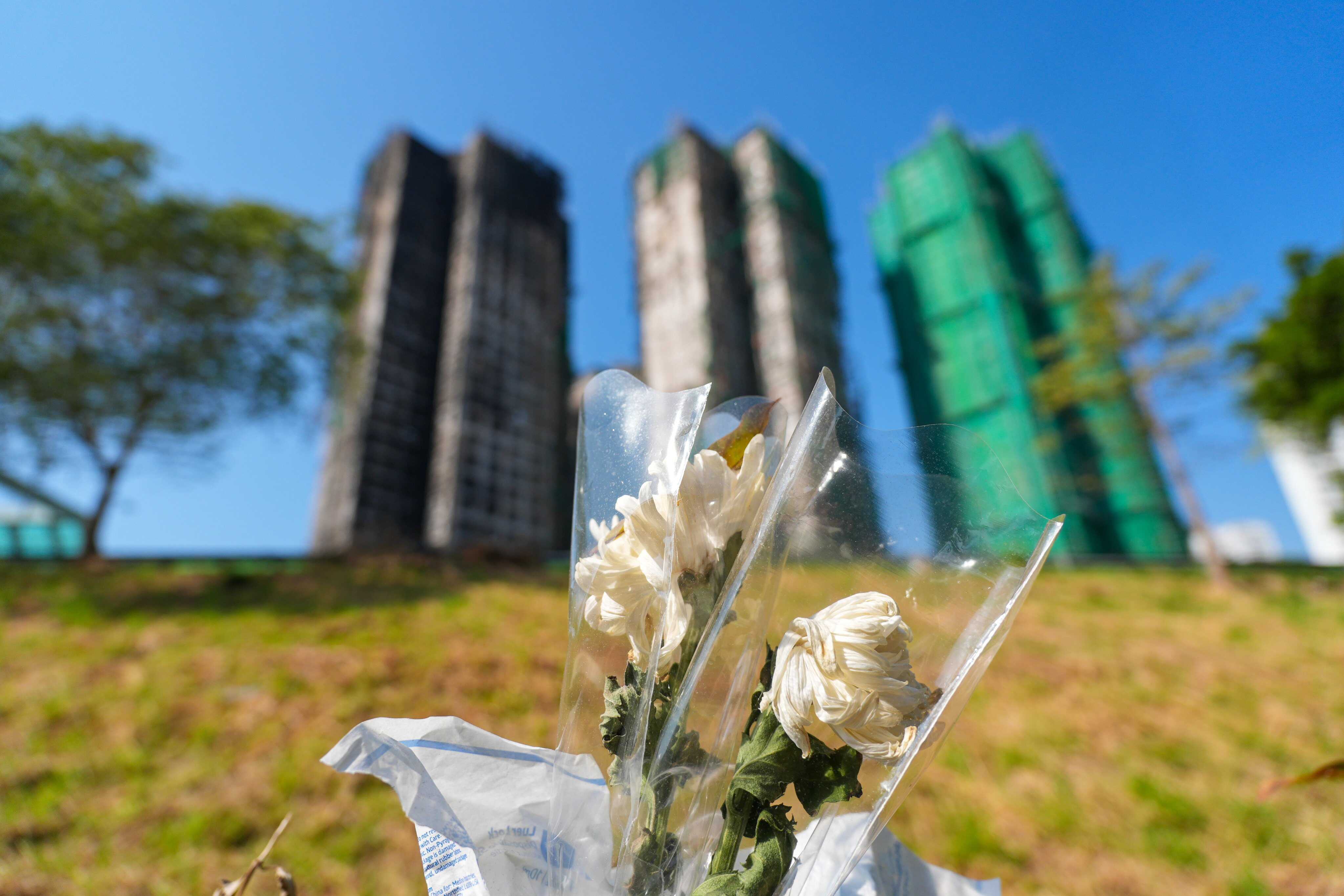
The 41-year-old Indonesian was among more than 200 domestic helpers living in Wang Fuk Court when the 43-hour blaze broke out on November 26, engulfing seven of the housing estate’s eight buildings and killing 161 people.
Over the past month, she has relocated with her employers four times – first to a shelter, then to a hotel, and then to transitional housing in Yuen Long and Fanling. Soon, they will be moving yet again to new accommodation in Tuen Mun.
“I am physically tired, and my mind is also tired,” she said. “I cannot sleep soundly.”
Like others, she lost everything in the fire, save for the phone and ID card she had on her when she narrowly escaped from Wang Shing House. She has relied on a network of NGOs, the government and her local consulate to help her rebuild her life.
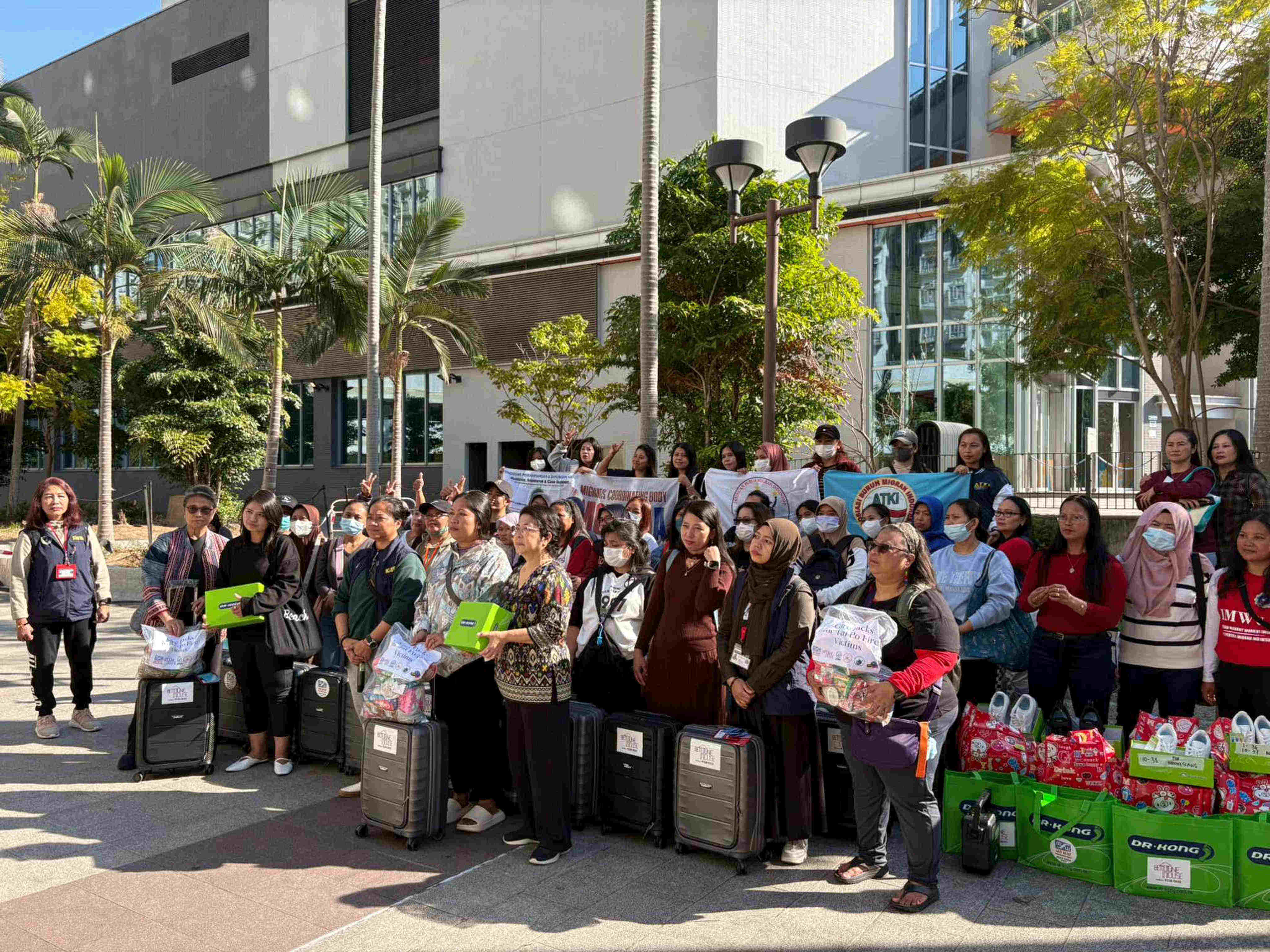
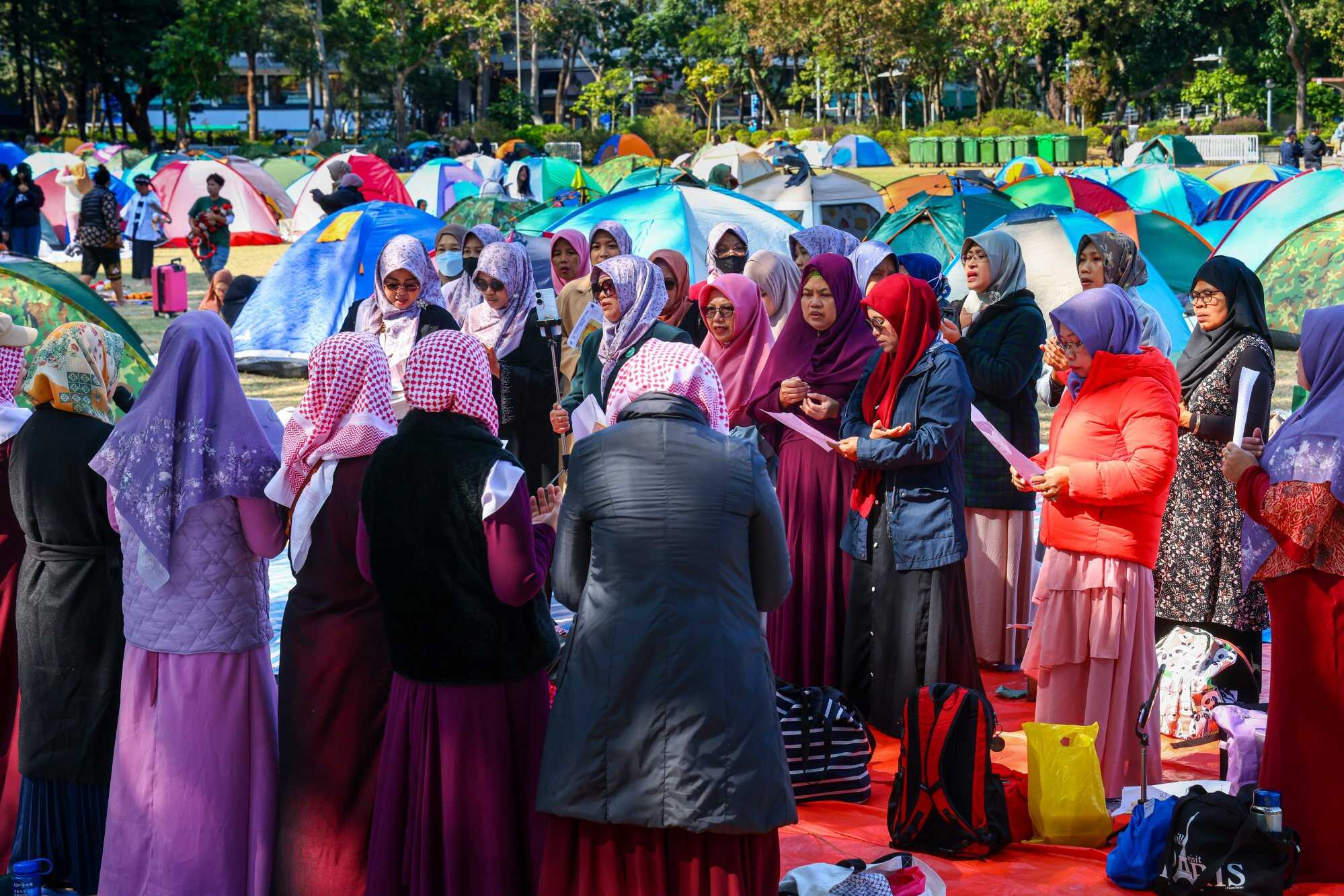
On a recent Sunday, she was among dozens of Indonesian survivors who lined up to get suitcases of supplies, shoes and other aid offered by six local NGOs.
She said she avoided thinking about the fire due to the negative emotions it conjured up in her, and instead focused on the day-to-day tasks of caring for her employer’s elderly parents, aged 79 and 80.
But as the immediate aftermath of the fire began to fade, she said her focus had shifted to a new concern – whether she would be able to keep her job.
She said at least one other Indonesian she knew had already returned home after her employers were unable to afford her salary.
“I like [my employers], and I like to work here, but I’m afraid later they won’t be able to pay for me any more,” she said. “I hope everything will be OK.”
Need for long-term support
As many as 235 domestic helpers lived in Wang Fuk Court before the blaze. Among those who died were a Filipino and nine Indonesians.
NGOs said while most of those who survived remained employed, they were bracing for more terminations as families began to finally count the cost of their losses. They added that emotional support was needed for the already vulnerable community.
“We foresee going forward there will be more long-term support needed,” said Rachel Li, head of case management and research at Help for Domestic Workers.
In the immediate aftermath of the fire, Help for Domestic Workers was among a slew of NGOs on the ground providing direct aid to the survivors, including handing out goods that might not have been available at community distribution sites, such as halal food and prayer mats.
They have also been providing ongoing mental health counselling for about 20 of the 85 helpers they are in regular contact with.
Li said the team was still currently focused on providing immediate needs-based support, but had increasingly begun preparing for new issues expected to arise in the new year, including the possibility of legal issues stemming from an influx of terminations.
While the vast majority of survivors they were in contact with remain employed, a handful had already been fired. She also cited a media report of a helper who was recently terminated due to the family’s financial difficulties.
Li said the NGO had also been liaising with the Immigration Department and the Labour Department for clarity on whether helpers were in breach of the law if they were living with their employer at accommodation that was different from the one specified in their contract.
“We want to make sure that any advice we give both employers and workers is practical, but also correct,” she said.
Johannie Tong Hiu-yan, community relations officer with Mission for Migrant Workers, also said she foresaw fire survivors requiring more psychological support and help managing relations with their employers, who might be experiencing their own traumas.
She hoped authorities would be able to extend additional mental health support to the community through the public healthcare system, citing cases with clear symptoms of post-traumatic stress disorder.
Problems could arise if mental health issues were not handled properly, leading to terminations or mental breakdowns, she said.
“After the disaster, many of the families are just now realising what they have lost,” she said. “So we need to think about how we can really support [the helpers] and make sure employment issues won’t become another trauma for them.”
How is the government helping?
The government has taken steps to help affected domestic helpers, including a HK$20,000 (US$2,570) subsidy provided by the Labour Department and additional coverage for any related medical expenses.
The Immigration Department also earlier announced that helpers who lost their jobs following the fire would be allowed to stay in Hong Kong for three months to find a new employer without having to return home, compared with the usual policy of two weeks.
Their stay under the new measure could also be extended, and any associated fees would be waived.
Tong described the waiving of the two-week rule as “important”, citing the mental turmoil some of the survivors would have experienced.
She said forcing a victim to rush into signing another contract would be detrimental to their well-being and could lead to more mental health or employment issues down the line.
“This is a good move that will support them to recover and develop a better plan,” she said.
In a reply to the South China Morning Post, the Labour Department said authorities would take a “flexible and understanding approach” when handling matters related to helpers whose employment was affected by the fire.
Aside from the three-month policy, the department said it would continue to closely monitor any terminations and provide help.
“The government will continue to maintain close liaison with the Indonesian and Philippine consulates as well as non-governmental organisations to keep track of and respond to the needs of [helpers] affected by the fire,” it said.
The Immigration Department said helpers and their employers who were forced to relocate following the fire could notify them after settling down at a new address by using the government’s online web portal.