Less than a 10-minute walk from Yat Tung Estate in Tung Chung lies Ma Wan Chung, a close-knit fishing village that has stood the test of time.
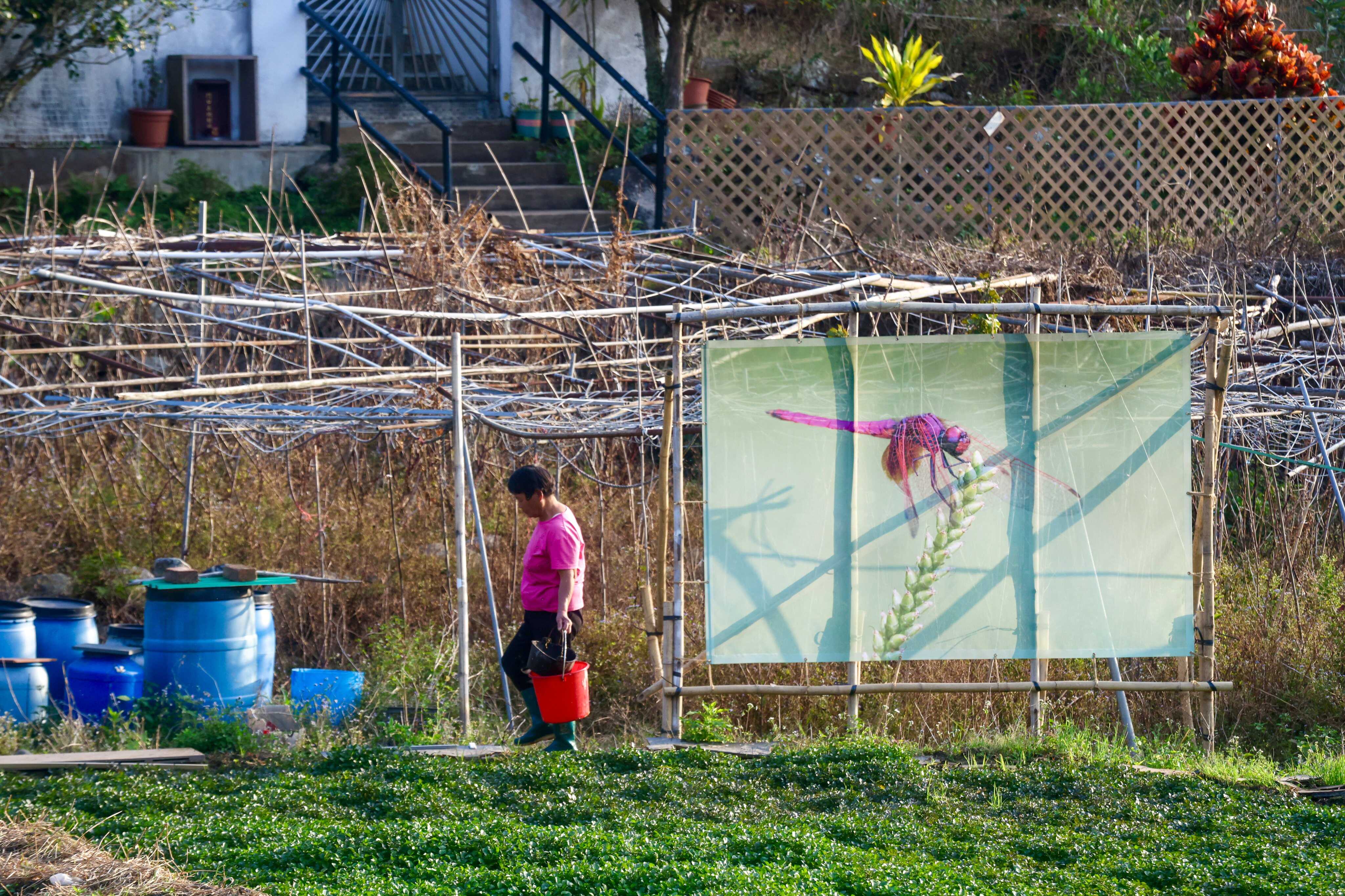
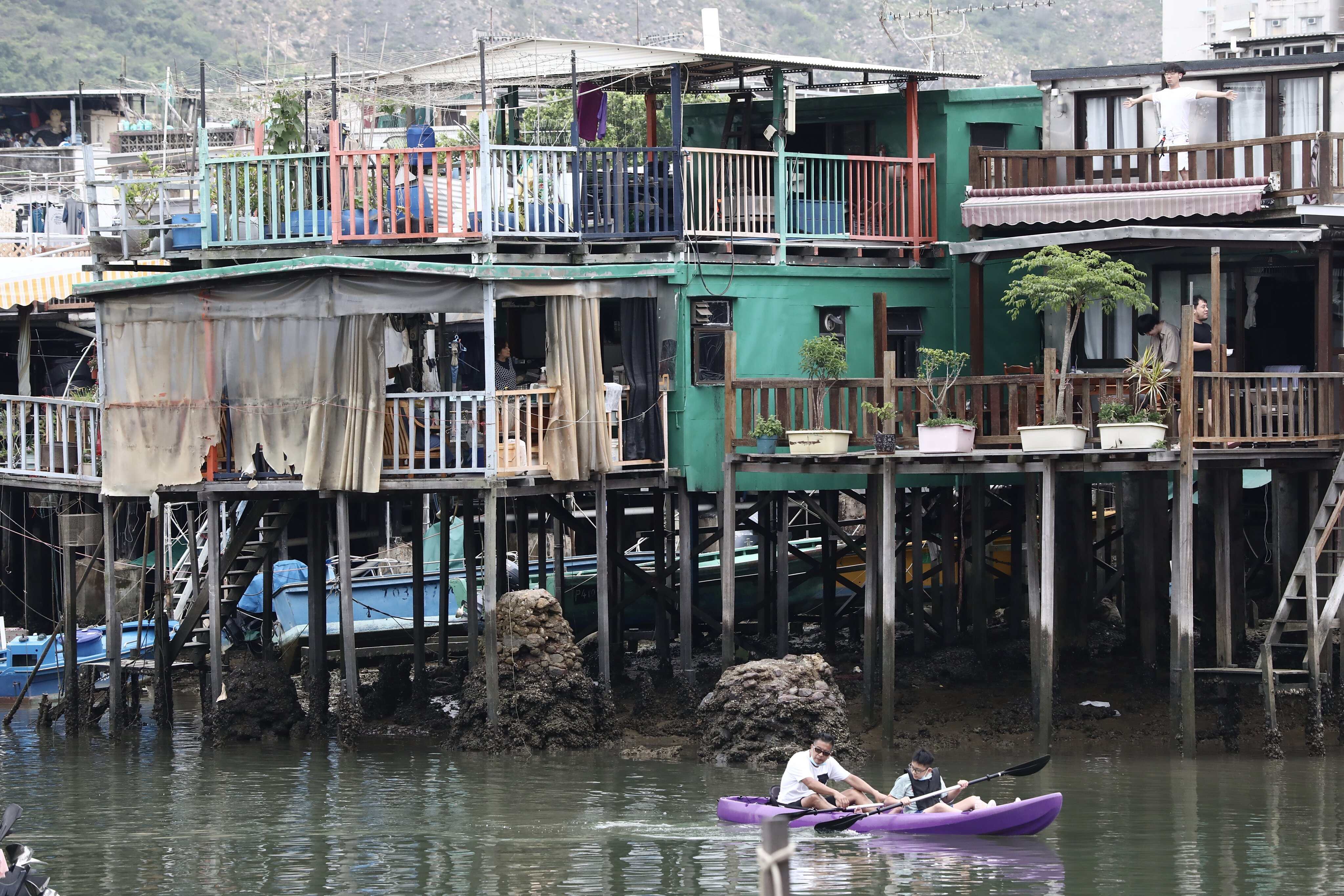
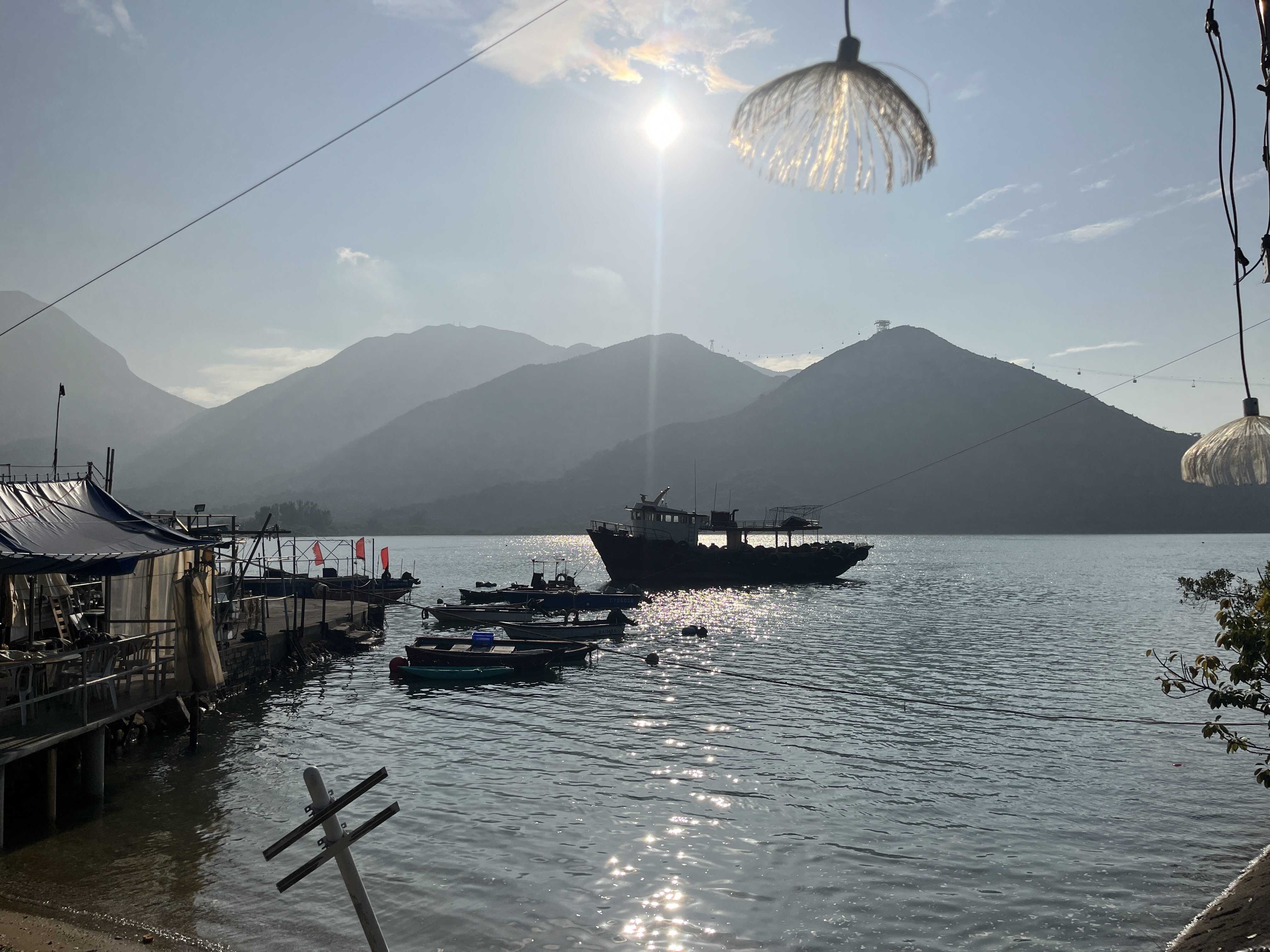
Set against the backdrop of cable cars and the scenic Tung Chung Bay, Ma Wan Chung is known for its vibrant murals, mosaic tiles and traditional stilt houses. With a history spanning more than 1,000 years, this small village is a living testament to Hong Kong’s rich cultural heritage.
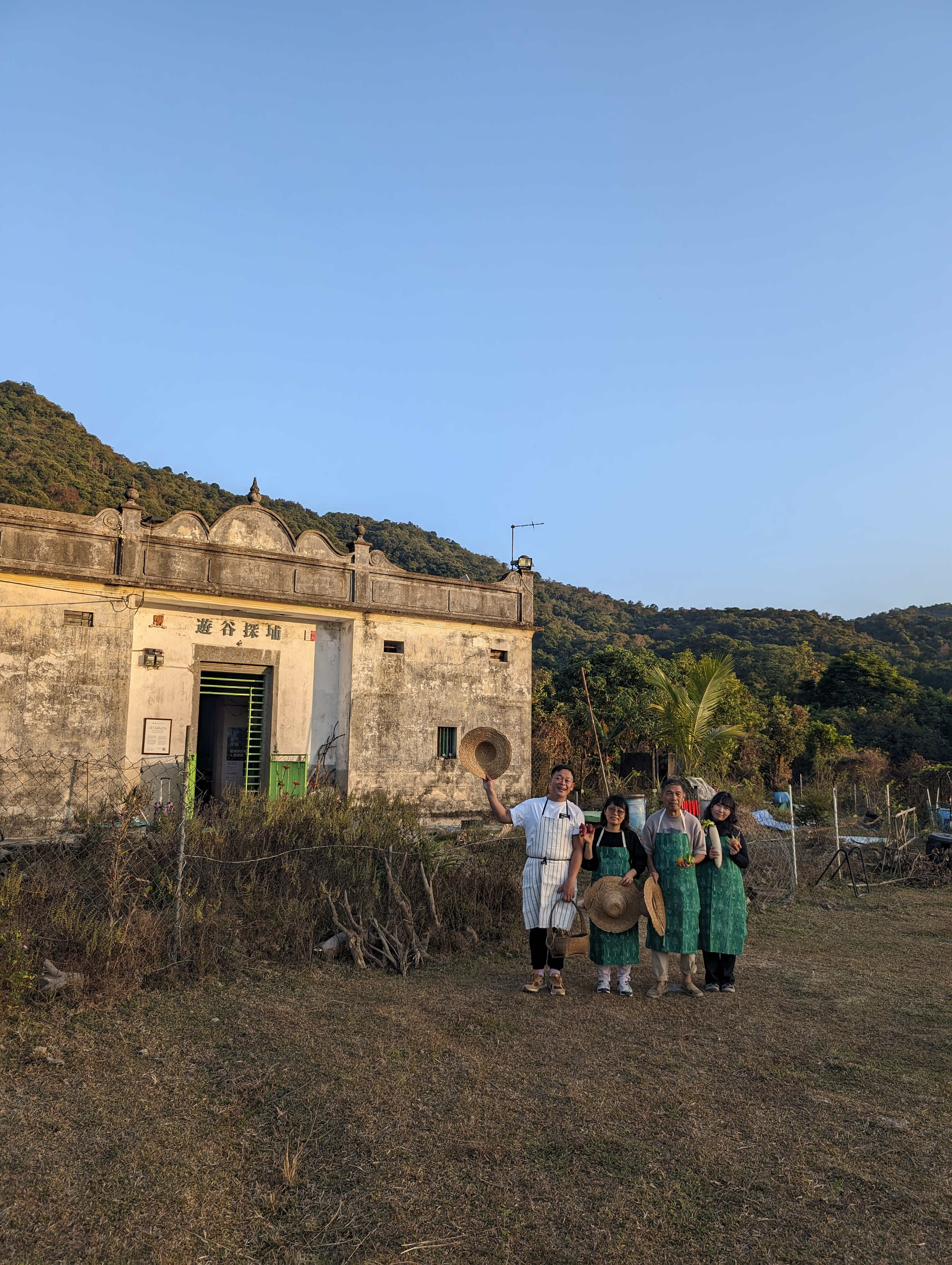
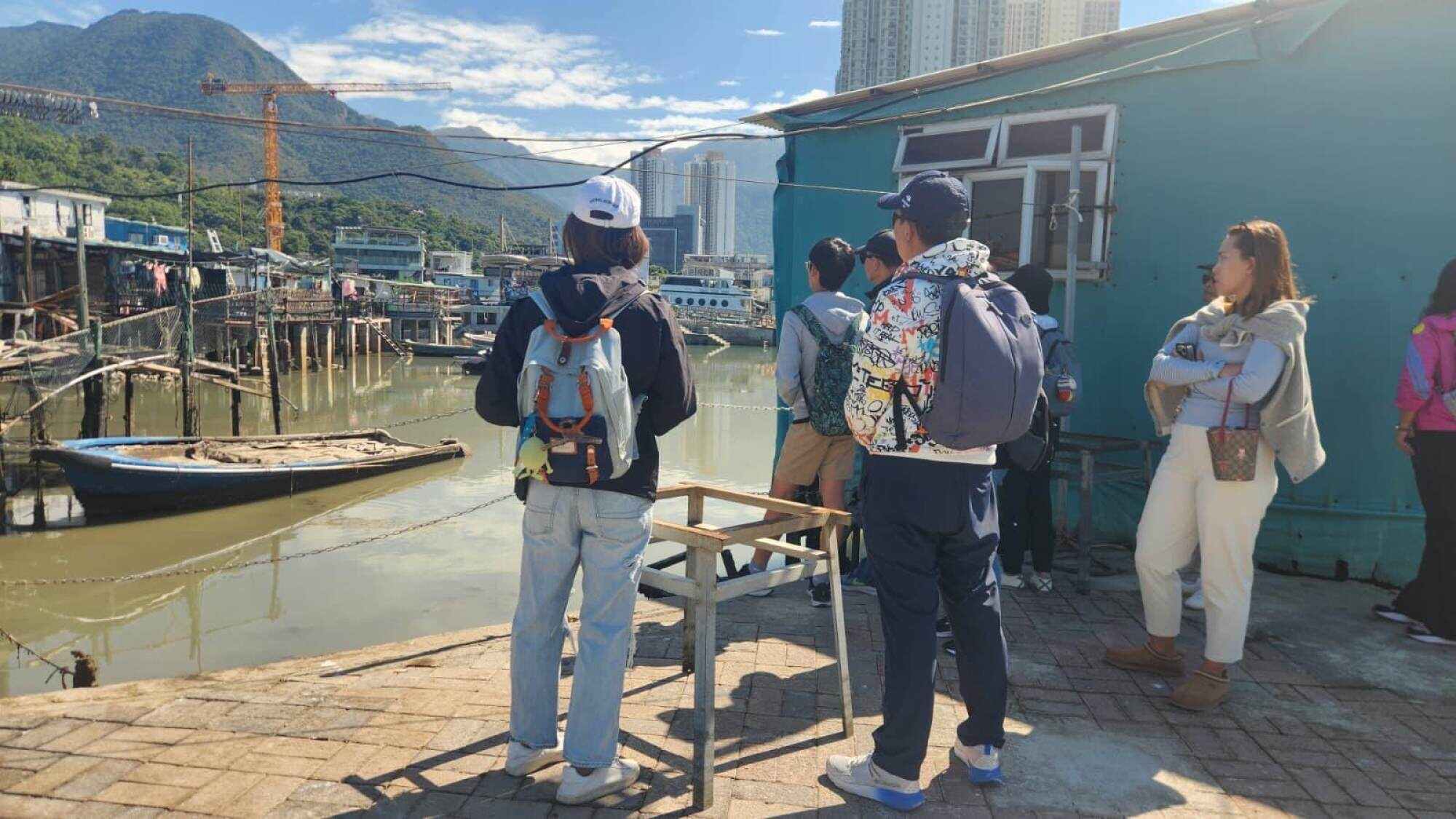
Carol Ho, a 24-year-old geologist, is one of 15 youth ambassadors serving as tour guides under the cultural initiative Connect Ma Wan Chung, which aims to introduce the village’s stories and heritage to the public.
“I wanted to share these wonderful things with more people,” Ho said.
“In the city, you rarely see people stop to greet each other and have a chat. But in Ma Wan Chung, you’ll see villagers greeting the shop owner as they pass by the local store and chatting for a few moments. To me, the whole scene feels very loving and full of human warmth.”
Ho pointed to how a resident named Sunny stayed in the village despite how quiet it grew as urbanisation led many residents to move away.
“Sunny grew up in the village and now runs a bicycle shop there. Even after moving out to explore the world, they still choose to come back and continue living here because this place feels like home,” Ho said.
In October and November of last year, she was tasked with conducting site visits and listening to villagers talk about the history, scenery and camaraderie of Ma Wan Chung.
“When the Hong Kong-Zhuhai-Macau Bridge was first planned, Ma Wan Chung village was originally supposed to be demolished ... But later, the bridge entrance was relocated, which allowed the village to be preserved,” she said.
“Because of this, the villagers cherish their home even more.”
Communal memories
Ma Wan Chung’s once-flourishing fisheries and small-scale agricultural commerce once served as the economic lifeline of Lantau Island.
Organised by Hong Kong Community Heritage Foundation, Connect Ma Wan Chung is looking into the area’s history and ecology, while collaborating with residents to explore sustainable tourism development and conservation strategies. Besides the 15 ambassadors, it also has recruited 10 young people to be tourism innovation researchers.
Ng, who preferred to share only his surname, grew up in Tung Chung and now owns a drinks store in Ma Wan Chung. The 37-year-old explained what made this village unique.
“Ma Wan Chung is one of the few relatively well-preserved small fishing villages. This village is special because fishermen have long been an important part of it,” Ng said.
“In fact, this village has three village heads ... But one of them is specifically called the ‘fishermen’s representative’ because, in the past, fishermen made up a large proportion of the community here,” he added, noting that even the government formally recognised their status.
“If elderly fishermen passed away, the government would provide a designated burial ground for them. You can imagine how important the fishermen were.”
Ng shared that many of his fond childhood memories were tied to Ma Wan Chung.
“This village was very beautiful. We used to swim here. Even now, some uncles and aunties still go swimming here,” Ng said.
“We used to be mischievous, running all over the hills and not just in this area – we would go to Sha Lo Wan, Sham Wat and even further out towards places in the direction of Kowloon, like Pak Mong and what is now Sunny Bay. We had to explore the hills because Tung Chung didn’t have much entertainment.”
The need to plan ahead
As someone who has lived in this area his whole life, Ng has seen the impact of development over the years. He pointed out the effect of the opening of the Hong Kong-Zhuhai-Macau Bridge and the Tung Chung Promenade.
“When this bridge and the promenade opened, they didn’t consider the impact. I wouldn’t just say it’s over capacity; the usage rate is significantly higher than before,” Ng said.
“There’s also a total lack of regulation. These are actually pedestrian walkways, but many people assume they are cycling paths. It’s quite dangerous because there are many elderly people here.”
With the coming extension of the MTR’s Tung Chung line, he said there might be even more public nuisance.
Paul Chan Chi-chuen, who is in charge of the Connect Ma Wan Chung project, emphasised the importance of preparing for a potential influx of tourists.
“Here you can still find stilt houses, ancient forts and old piers, along with traditional settlements. As the MTR expands, this area’s tourism potential will grow significantly,” he said. “That’s why we believe we have to plan ahead to help Ma Wan Chung maintain its original character and a vibrant community.”
The project uses technology to showcase the area’s cultural heritage and stories.
“Visitors can use our website to discover local history and hear villagers’ stories, explore coastal ecology and cultural sites,” Chan noted.
“This interactive map isn’t just an information platform, but also a chance for co-creation. It brings together villagers, tourists and youth ambassadors to share experiences.”