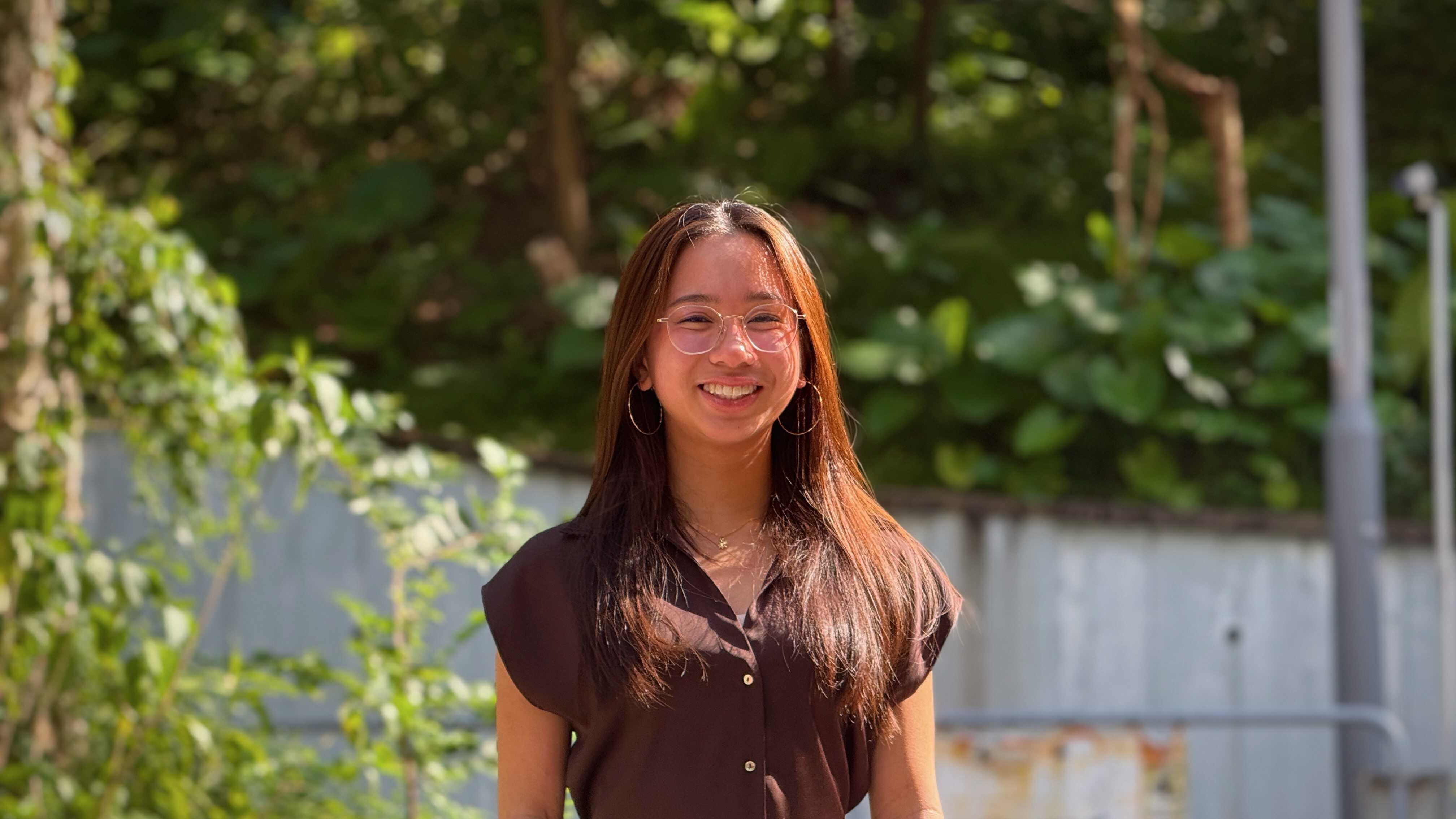
In an industrial building in San Po Kong, Hazel Choi Hai-tung discovered a reservation‑only art exhibition that sparked an idea. The teen realised that Hong Kong had many excellent but undiscovered artists and exhibitions. The real problem was access, not interest.
“I wanted to build a practical platform to connect audiences with local arts and cultural heritage,” the 18-year-old recalled. “I sketched an app prototype to help users find lesser-known shows, reserve visits and discover community exhibitions that bring people from different backgrounds together.”
Choi learned basic coding to build the Art Tracker prototype. She entered it into the 2024 Nomad Awards Tech Competition, where she won first runner-up.
She is still testing the app. The process has shown her the power of using technology to address social issues.
“Testing it with peers at school and seeing them use it reinforced my belief that small, well-targeted tools can expand cultural access and strengthen community ties,” said the St Paul’s Convent School graduate who is now studying law at the University of Cambridge.
Responsibility to give back
Choi’s leadership journey began after the Covid-19 pandemic, when she could finally return to campus life. She took the opportunity to try new activities.
“I explored mock trial and debate and discovered the power of words and storytelling. Training and competitions sharpened my public speaking [skills] and confidence, turning curiosity into a sustained interest in advocacy,” she recalled.
When Choi became the head prefect in Form Five, she saw it as a way to make a positive impact and give back to the school community.
“It was fulfilling to contribute to the place that nurtured me,” she said.
The experience helped her learn that leadership involved personal growth as well as responsibility for others and for the events that shaped her school community.
“Leading large-scale occasions like the anniversary gala, family fun day and a joint variety show required balancing big-picture planning with everyday duties,” Choi explained. “That steady, itemised approach helped me monitor progress and remain calm because I always knew what came next.”
Communication and empathy were central to her role: “Much of my work involved mediating between students and school authorities, anticipating stakeholders’ concerns during the preparatory stage and identifying the hardest parts of each project to tackle first,” she explained.
Cooperation and delegation were also key to her success, she said.
“Clear, timely exchanges kept everyone aligned … I assigned tasks according to each team member’s strengths – some handled design and backstage work, others managed outreach or performer networks.”
As president of the Young Investors Society, Choi worked to make topics related to finance and artificial intelligence (AI) more accessible and relevant.
“For young people, financial literacy should emphasise risk management and safe, legal investment practices rather than quick profit,” she said. “I believe AI literacy is essential because workplaces will inevitably adopt smarter tools; the real risk is being outpaced by those who know how to use AI effectively. AI literacy means using these tools smartly, safely and ethically.”
Through workshops, mentorship and project‑based activities, the group encouraged students to practise prompting and apply concepts in tangible pitches. Choi and her teammates equipped their peers with the skills and confidence to navigate a future where finance and AI are intertwined.
Learning to adapt
Outside school, Choi has also found opportunities for leadership and empathy.
In 2025, she served as the operations officer for a 22‑member team at JA Company, a youth entrepreneurship project. The team focused on educating the public about endangered local animals through board games, card games, keychains and tote bags.
“That experience taught me adaptability, the value of distributed responsibility and how teamwork and clear communication turn simple ideas into social impact,” she explained.
Volunteering with Run Hong Kong, a local NGO for asylum seekers, Choi worked with refugee children and teens in bridging programmes, which taught her patience and empathy. Many participants had experienced trauma and needed time to build trust; they also faced cultural and language barriers, she explained.
“Using play, field trips and workshops, I adapted my communication [style] for different ages,” she said. “Meeting a Somali former midwife who was eventually resettled in Canada showed me how legal support and training can transform lives and deepened my commitment to service.”
Choi’s ability to transform empathy and curiosity into meaningful projects was recognised when she was named one of the Grand Prize finalists at the 2025/26 Student of the Year Awards, organised by the South China Morning Post and sponsored by The Hong Kong Jockey Club.
“My advice to young people is simple: put your idea into words … and step out of your comfort zone,” she said. “Small beginnings lead to [collaborations] and opportunities that help scale your work. Be proactive in seeking chances and building relationships.”
Now a university student in Britain, she hopes to help create a better world.
“I am studying law to help build a more inclusive, sustainable society, focusing on regulatory issues around technology, AI, and corporate social responsibility,” she said. “The goal is to design rules that protect consumers and the environment while keeping pace with innovation.”