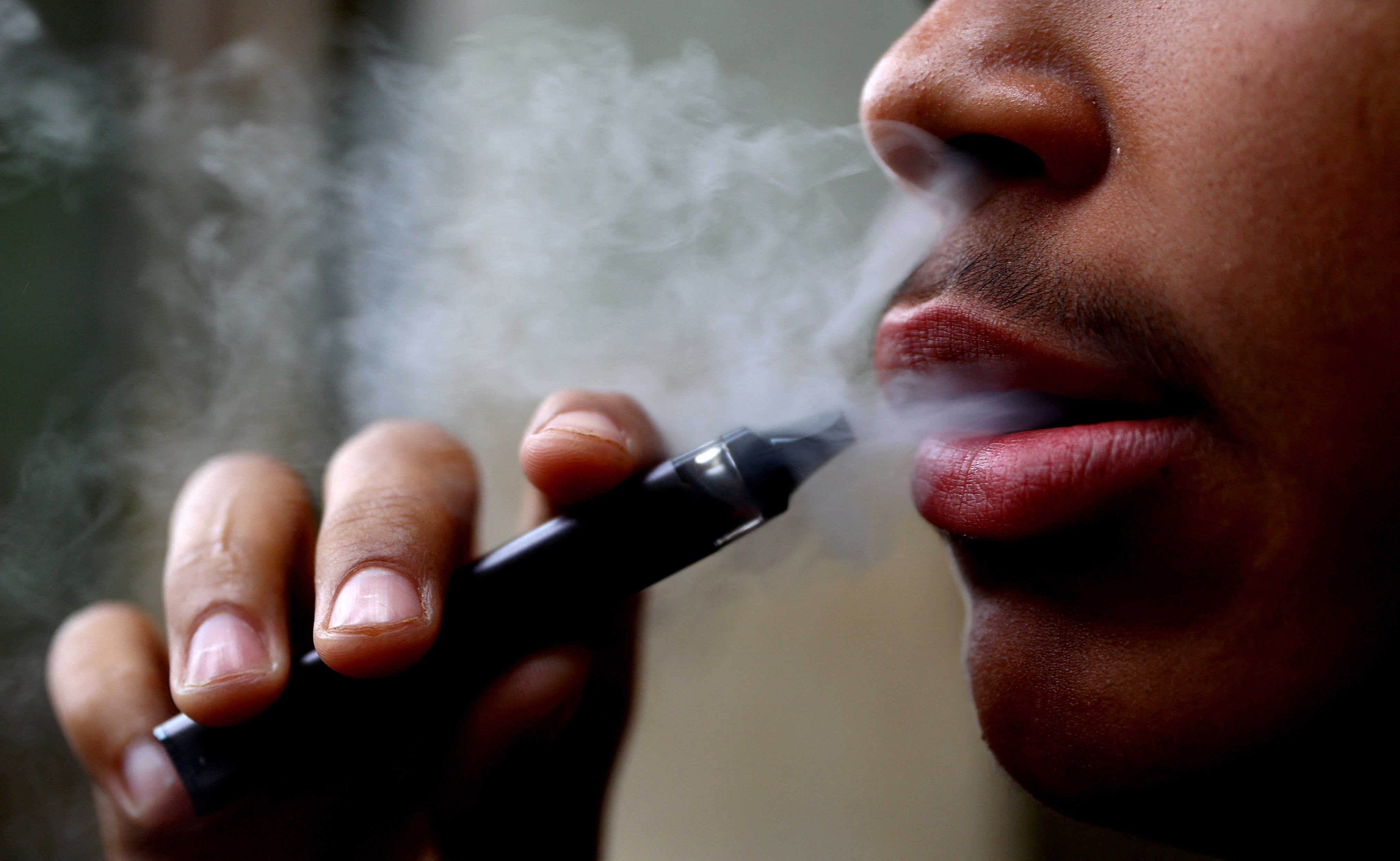
As the workday grinds on in Kuala Lumpur, 23-year-old office worker Adib finds solace in a few cigarettes, but his unhealthy habit is about to become more costly.
Starting next month, a new government policy will increase the prices of tobacco and alcohol in Malaysia due to higher “sin taxes”. Announced by Prime Minister Anwar Ibrahim in the budget, this measure aims to improve public health, but it has also raised concerns about the rising cost of living.
This marks Malaysia’s first broad-based increase in “sin taxes” in years, raising duties by one Malaysian ringgit (less than one US cent) per cigarette and increasing alcohol taxes by 10 per cent.
Officials state that the additional revenue will fund health initiatives, but many individuals will feel the impact much more personally.
“I’m sad and honestly a bit depressed. Heartbroken, even,” said Adib, who asked to be identified by only his first name for privacy. “Higher tax means higher expenses, and I guess that also means higher mental instability for me.”
Some business owners fear that the new taxes will harm their sales. One in Kuala Lumpur said he had shelved plans to expand his tobacco and cigar business, predicting a 20 per cent drop in customers.
“If the price goes up, who’s going to buy it?” he asked. “Our revenue is only around 3,000 ringgit a month, and the new health ministry rules make it harder.”
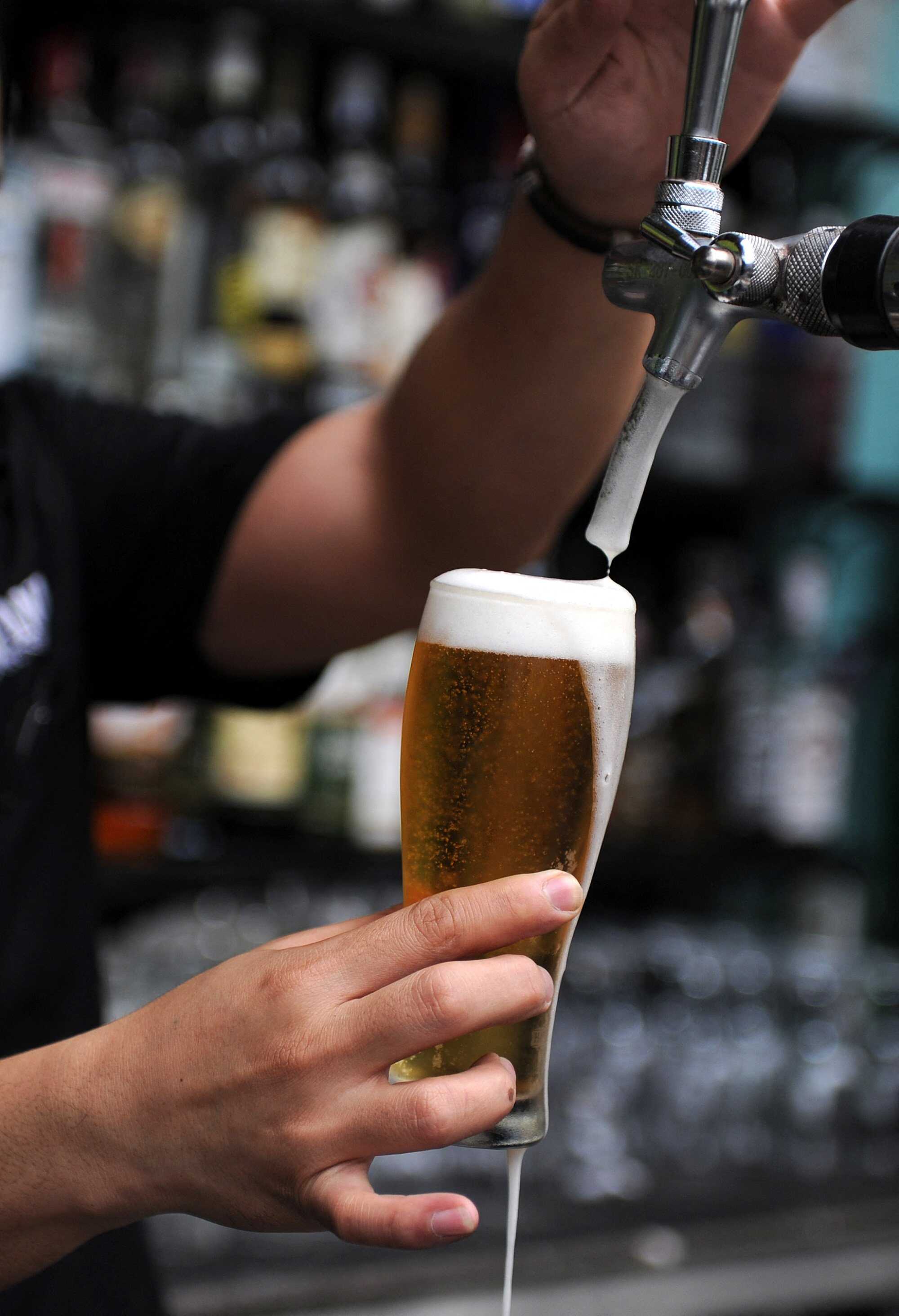
Alcohol retailers and consumers are bracing for similar challenges. Urban centres like Kuala Lumpur and Penang, where nightlife is an integral part of the social fabric, are expected to be hit hardest.
“I don’t drink that much, but it’s one thing I look forward to every other Friday just to de-stress with my girlfriends,” Jane Leong, a part-time office worker and housewife in Kuala Lumpur, said.
The new policy aligns with Anwar’s “Madani” governance framework, which emphasises moral and financial discipline, according to Kamles Kumar, the Malaysia lead at advisory firm Asia Group Advisors.
“Raising excise taxes on tobacco and alcohol supports both fiscal and health objectives,” he said, while cautioning that the policy also risks alienating lower-income Malaysians already struggling financially.
Many individuals in this demographic have turned to the illicit market. Illegal cigarettes now account for more than half of Malaysia’s tobacco sales, costing the government billions in lost tax revenue each year. Smuggled packs are often sold for as little as 5 ringgit, which is less than half the legal minimum price.
For some, the new tax may serve as the final push they needed to quit.
Tajul Arief, a 25-year-old who runs a marketing agency, sees it as an opportunity.
“Price increases are a good start ... encouraging people to cut down or quit since it gets more expensive and it’s for overall health purposes,” he said.