An annual index created by a Johns Hopkins University economist has identified Singapore and Thailand as two of the world’s “least miserable” economies, positioning Southeast Asia as one of the “healthiest economic neighbourhoods” globally.
The 2025 Hanke’s Annual Misery Index (HAMI) was compiled by applied economics professor Steve Hanke. It measures the “economic temperature” of a country and approximates how its average citizen experiences the economy.
This year’s HAMI found that several Southeast Asian economies had a combination of low inflation, steady employment, manageable borrowing costs and income growth.
“Think of HAMI as a thermometer pressed against the body of the economy,” Hanke said.
The index looks at four attributes, adding unemployment, inflation and bank lending rates, then subtracting the growth rate of real gross domestic product.
The lower the HAMI score, the “healthier” a country’s economy is, meaning “jobs are healthy, prices are stable, credit is affordable and incomes are rising”, according to Hanke.
A total of 178 economies were ranked this year, with Venezuela topping the list of “most miserable” economies. Hanke attributed this to the wave of international sanctions following President Nicolas Maduro’s re-election in July 2024.
The South American country had the world’s highest inflation rate at 475 per cent, while unemployment surged to 35 per cent.
At No 178, Taiwan emerged as the world’s happiest economy, as global demand for semiconductors and artificial intelligence hardware sent its real GDP growth per capita soaring to 9.2 per cent, alongside low unemployment and inflation.
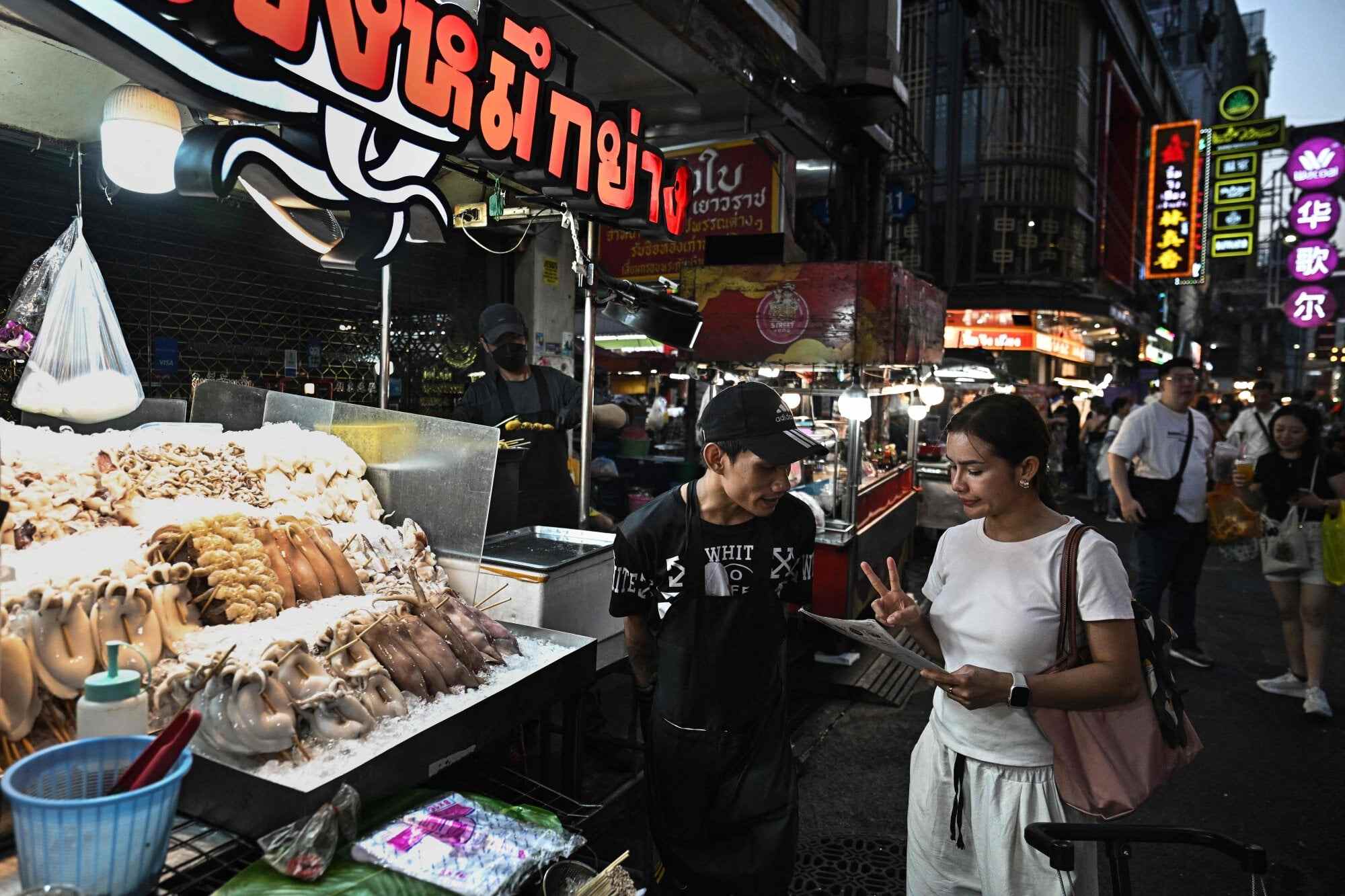
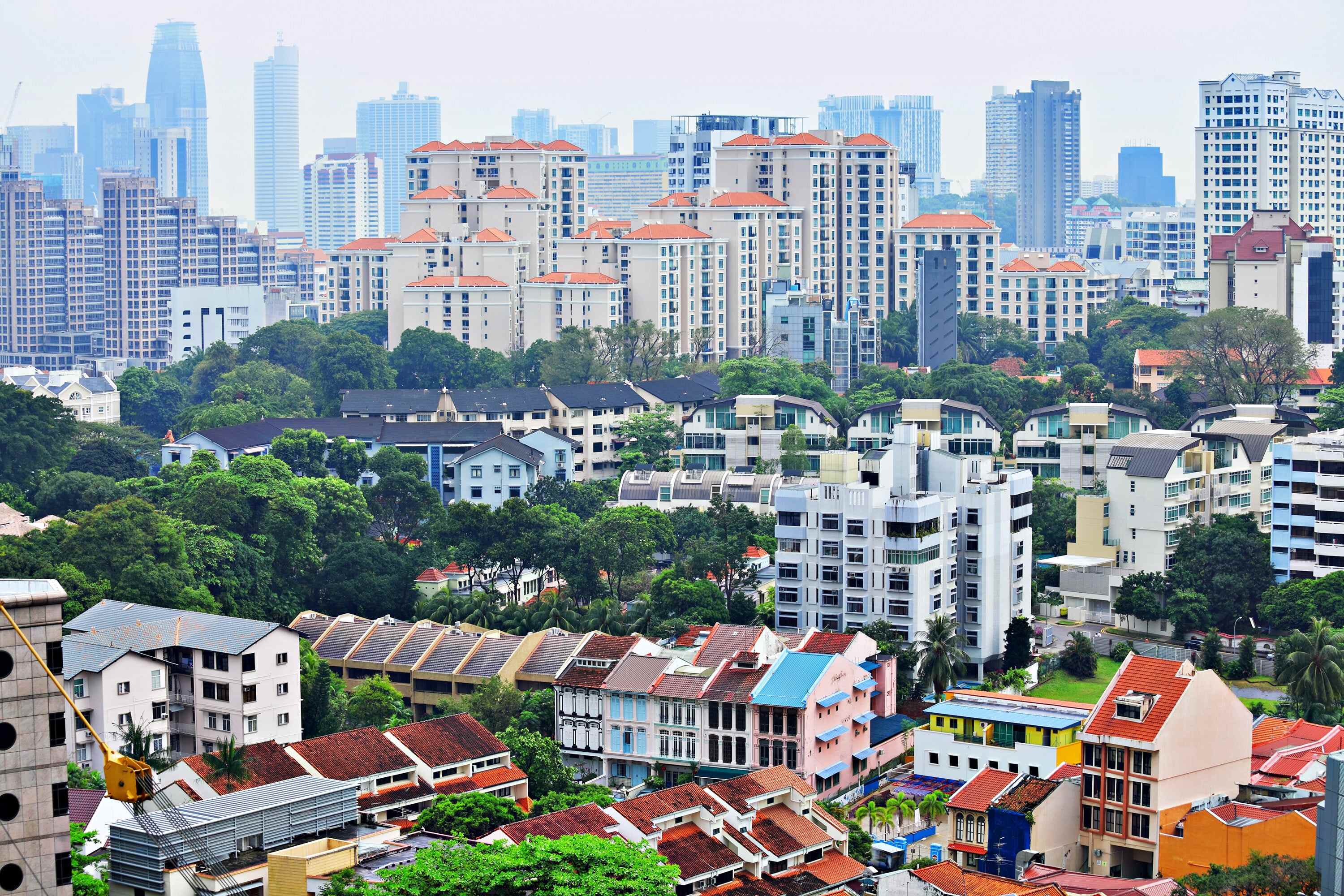
Singapore was a close second, with 2 per cent unemployment, “well-anchored inflation at 1.2 per cent and solid GDP growth of 4.3 per cent per capita”. Thailand came in third, having delivered low inflation and stable employment for more than a decade.
Other Southeast Asian countries outperformed larger economies, with Malaysia (167), Cambodia (163) and Vietnam (156) appearing in the lowest quintile (one-fifth percentile) of the index.
Hanke also pointed out that the Philippines (131), Laos (129) and Indonesia (123) did well, while civil war-torn Myanmar stood out as an exception, ranking 14th.
“Each of these economies is doing a respectable job on all four variables,” Hanke said. “That is why they sit comfortably ahead of the US, the UK and France,” which ranked 119th, 103rd and 115th respectively.
Careful control of money supply helped Singapore and Thailand maintain stable inflation rates and relatively low borrowing costs, according to Hanke.
Despite Thailand’s slow-growing GDP, falling consumer prices and low unemployment rates, “the Thai people are not living in a sluggish economy in any sense that touches their daily lives”, he said.