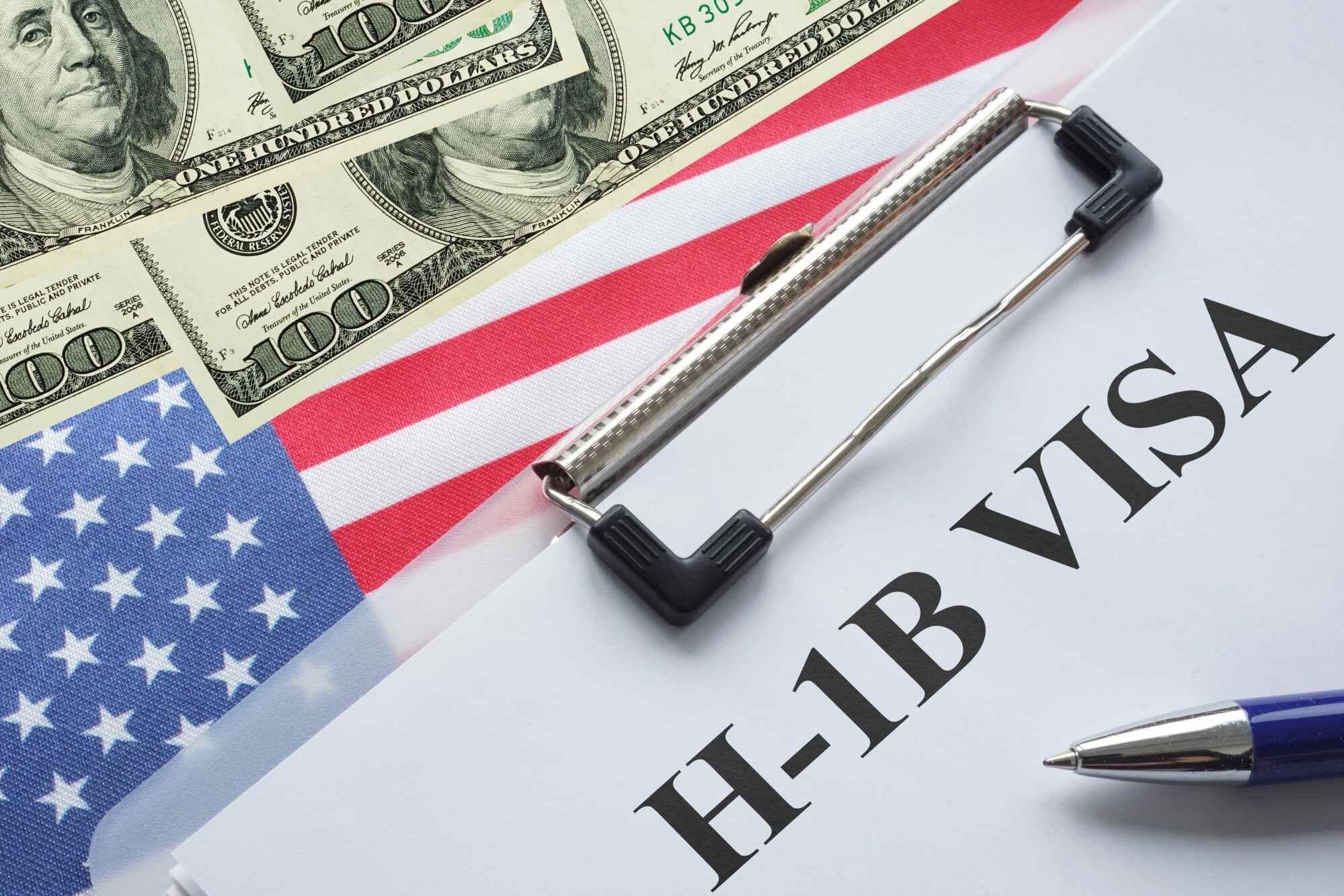
The US has introduced a new fee of US$103,265 for H-1B visa applications, a decision that could significantly increase the expenses associated with hiring skilled foreign workers, particularly affecting professionals from China and India.
This proposal comes at a delicate moment in US-China relations, when visa issues have long been a point of contention, and as Beijing enhances its initiatives to attract global technology talent amid escalating competition between the world’s two largest economies.
The US Department of Homeland Security proposed the additional fee on Monday for every H-1B petition subject to the annual numerical cap of 85,000 visas. That figure includes the 20,000 visas reserved for people holding US master’s degrees or higher. Employers would pay the new charge when filing a petition, on top of existing fees.
Universities and certain non-profit or government research organisations would be exempt.
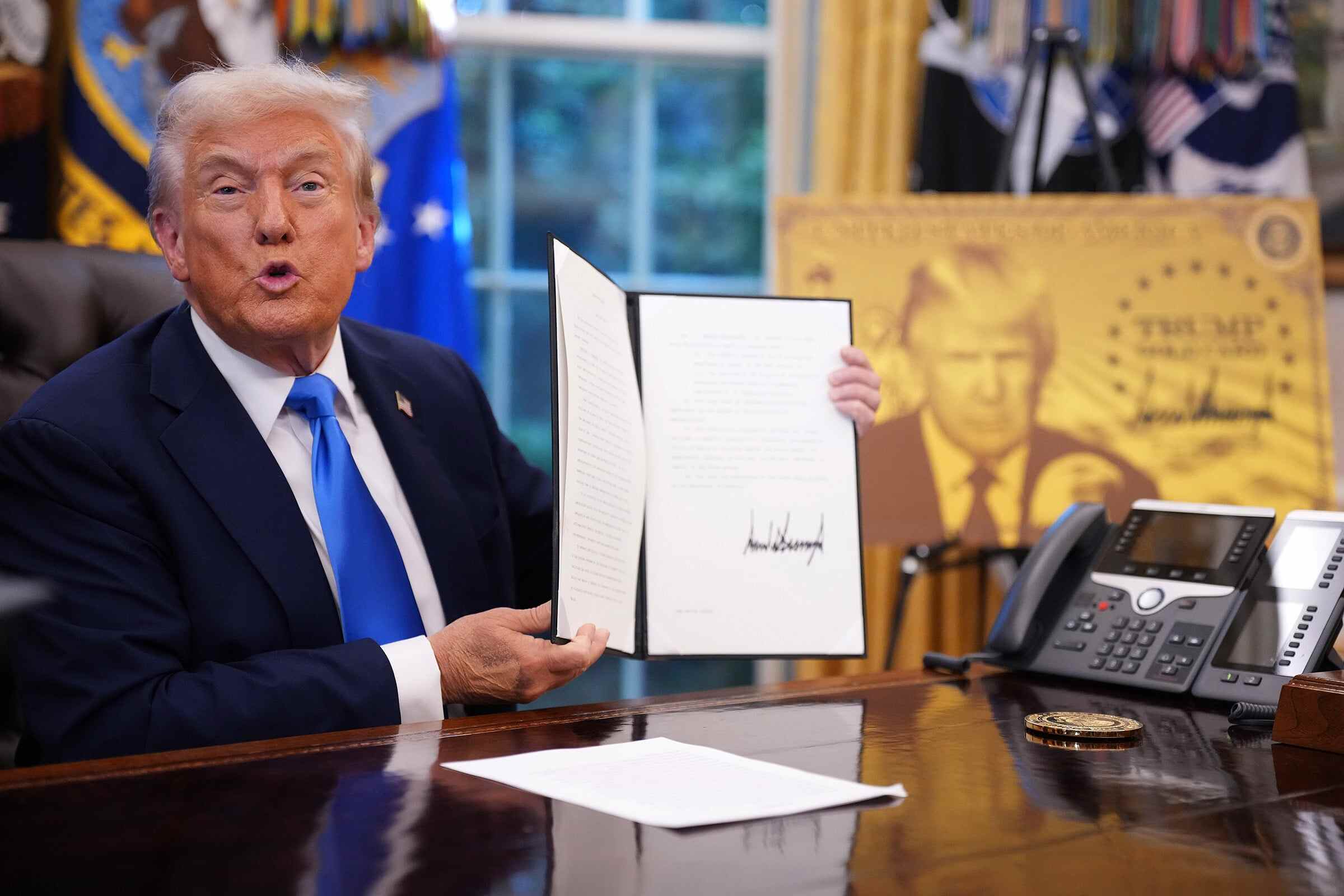
The new measure would also go further than an earlier one. A US$100,000 fee imposed by presidential proclamation in September 2025 mainly targeted new H-1B arrivals from overseas.
The US$103,265 charge would apply more broadly, including to cap-subject petitions filed for people already in the US seeking a change of status.
That means the new policy could have an impact on many international students working in the US under Optional Practical Training.
Different legal route
The administration’s proposal follows a major legal setback over the previous H-1B fee.
In June, a US court in Massachusetts struck down the earlier US$100,000 fee. In a case brought by California and 19 other states, the court ruled that the payment amounted to an unlawful tax that only Congress could authorise.
The administration appealed and sought a stay, but the US Court of Appeals for the First Circuit declined to pause the ruling.
DHS is now pursuing a different legal approach through formal rule-making. Rather than presenting the charge as an entry restriction, the department is framing the new fee as a cost-recovery measure.
Officials say the fee could generate about US$8.8 billion a year – money that would help fund immigration adjudication, security vetting, fraud detection and related operations that are currently paid for by taxpayers.
The administration also argues that the high cost would encourage companies to hire and train American workers instead of depending on foreign labour.
US Vice-President J.D. Vance endorsed the proposal, writing on social media that “if an American corporation needs workers, it should hire and train Americans”.
China and India
Chinese nationals are the second-largest group of H-1B beneficiaries after Indians, accounting for roughly 12 per cent of approvals in recent years.
That translates into some 46,000 to 49,000 petitions annually, with Chinese H-1B professionals heavily represented in technology, engineering, artificial intelligence and semiconductors.
Indians account for roughly 70–71 per cent of approvals in recent years with about 283,000 to 284,000 petitions annually.
For employers, a six-figure upfront payment – particularly one required without any guarantee that a petition will ultimately be approved – could make sponsoring Chinese and Indian professionals far less attractive.
The effect could be especially significant for Chinese professionals already in the US, many of whom entered the country as students before moving into technology and engineering careers.
Chinese foreign ministry spokesman Lin Jian declined to comment on the proposed new visa policy during Tuesday’s press conference.
Visa problems
Visa access has long been a contentious issue between Washington and Beijing.
Chinese students and researchers have faced heightened screening, shorter durations of stay and accusations involving national-security risks. Beijing, meanwhile, has repeatedly complained about what it describes as harassment and the politicisation of academic and professional exchanges.
The latest H-1B proposal adds another layer to that dispute.
It also arrives as Washington and Beijing compete for the same pool of highly educated workers in fields increasingly viewed as strategically important, including artificial intelligence, advanced engineering and semiconductors.
China has responded by making a concerted effort to bring talent home.
Domestic AI and semiconductor companies are offering aggressive equity packages and high cash compensation to attract and retain top professionals. Local governments in Beijing, Shanghai and other technology hubs are also offering settling-in subsidies, housing support and tax incentives.
Data already show rising numbers of Chinese students and professionals returning home, with US visa uncertainty among the factors driving the trend.
Tech rivalry
The talent battle is part of a much larger technology rivalry.
In mid-July, Chinese President Xi Jinping travelled to Shanghai for the World Artificial Intelligence Conference, delivering a high-profile speech presenting China as a champion of open-source AI and global cooperation.
Xi described AI development as a “symphony of global collaboration” rather than a solo performance by any single country. He also hit out at the “overstretching” of national-security concepts to restrict technology sharing.
For years, the US has benefited from its ability to attract international students, engineers, researchers and technology specialists. China is now seeking to strengthen its own pull, offering financial incentives and improved support to persuade skilled workers to return.

Not yet final
The US$103,265 H-1B fee is not yet in force.
A 30-day public comment period will follow formal publication in the Federal Register. After that period, the administration could move to finalise the rule.
Legal challenges are widely expected, meaning the proposal could face another lengthy battle in the courts.
But for Chinese professionals and the US companies that depend on their skills the announcement already sends a powerful signal.