Our next question: If you could invent an AI tool to make student life easier, what would it do? To take part, drop us a line via this form by 12pm on Tuesday, October 13.
Jayden Lee, 16, Carmel Secondary School: As a student with mild autism, I have experience with how my kindergarten teachers helped me integrate with other students. I think letting pupils engage in diverse activities, even something as simple as taking part in other classes, helps them feel valued by the school. Moreover, some young pupils are hyperactive and do not take part in naptime properly. To make them feel treasured, you could reward them for doing activities that do not come easily to them. For example, you could say, “If you sleep like a log this time, when we turn the lights on again, you can play with the Legos over there.” This makes the pupils feel accomplished.
Lam Yuen-ying, 16, Lung Kong WFSL Lau Wong Fat Secondary School: I would design a “Superpower Wall” to showcase each SEN child’s unique talent, such as drawing or storytelling. I would also organise sensory play games. These activities will highlight pupils’ individual strengths, foster empathy and help SEN kids feel accepted, cherished and truly valued.

Nicole Chan Cheuk-ying, 17, Shatin Tsung Tsin Secondary School: I would ask each student to create their very own drawing based on how they see themselves. While they draw, I would ask them questions about their strengths. After they finish drawing, I would ask the children to praise each other’s drawings, as feeling celebrated by peers boosts pupils’ confidence, especially children with special educational needs. The process also encourages expression, allowing them to share their unique perspectives of the world.
Reno Lee, 15, Fung Kai No 1 Secondary School: I would create a safe space with a visual schedule and a simple welcome ritual that would help every child feel secure. Story time would be multisensory, with props and movement, so all could join at their own level. Each child would have a meaningful role and a way to decompress. A rotating buddy system would build bonds and empathy.
Sylvia Tang Sum-ying, 14, Leung Shek Chee College: I would set up a “calm corner” in the classroom, complete with books, toys and some colouring pens. I would explain to the class that anyone who feels overwhelmed, tired or in need of space can come here to rest and recharge. I think this corner would also help them feel valued.
Joey Lam Tang-ching, 13, St Mary’s Canossian College: I would create a corner dedicated to story time, featuring puppet shows. Traditional schools often have rigid structures, and students with special educational needs often have less awareness of their surroundings. A story corner will help these students interact, integrate and take part in performances, helping uncover their special talents.
Angel Law Siu-yau, 12, Shatin Pui Ying College: I would host a group drawing activity on a big canvas. Pupils would use drawings to share their small acts of kindness, like holding doors for the elderly. SEN students could act as story‑leaders in sharing how they help others. This activity empowers them, building empathy and making them feel truly valued.
Nolan Chan Wing-him, 16, CCC Kung Lee College: I would create a small problem or puzzle and ask them to help me solve it. For example, opening a “tight” bottle cap. Then, I would thank them to ensure they know they are appreciated.

Aegis Lam Hang-yu, 12, King Ling College: As an autistic person myself, one reason we might not talk is that we do not think we have good topics to discuss. If I led a kindergarten class for a day, I would talk about the television series My Little Pony: Friendship Is Magic. In the show, the ponies go on adventures and solve problems with their friendships. This would give the children something to discuss.
Hazel Huew, 15, Christian Alliance S.C. Chan Memorial College: I would create cards for every child. In the morning, each pupil would decorate their small card to explain how they would like to say hello and show me when they need a break. They would also add one thing they are good at. I would help children who cannot write use drawings, stickers, photos and symbols, and I could also write for them. We would keep the cards together using a ring. Before partnered play or group time, pupils can peek at a friend’s card and understand how they would like to be included, maybe by waving, signing, pointing or being allowed to sit quietly. This would make communication easier and more engaging for pupils with special educational needs. It would help them feel valued because their way of communicating is respected, their strengths are seen and their classmates have a simple, kind way to connect with them.
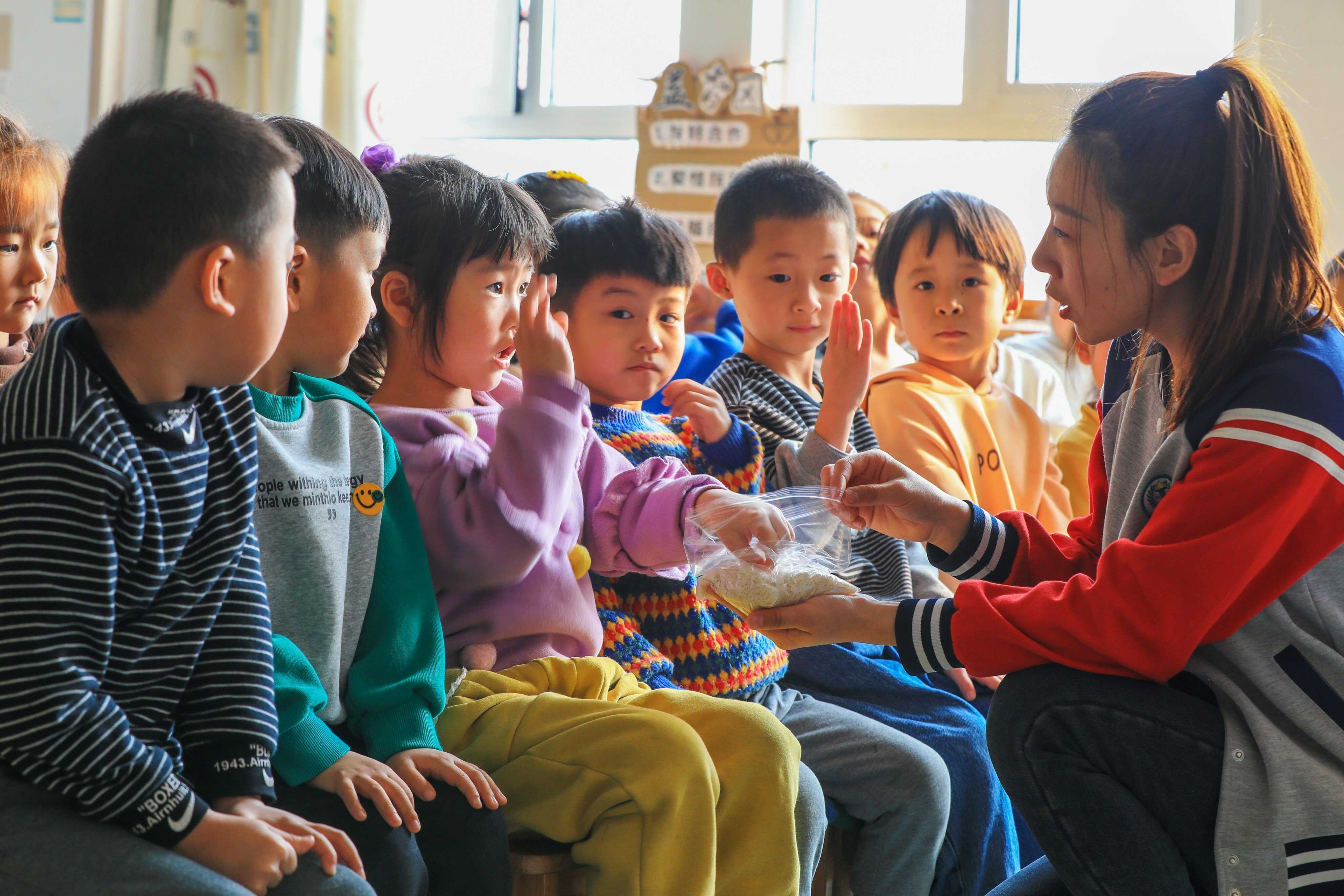
Last week we asked students: “If you taught a kindergarten class for a day, what creative steps would you take to help pupils with special educational needs feel valued?”
This question has been sponsored by Yew Chung College of Early Childhood Education (YCCECE), Hong Kong’s only higher education institution dedicated to early childhood education and child development.
Building on over 90 years of Yew Chung experience and its “Learning Through Play” approach, the College offers government-recognised undergraduate and postgraduate programmes in early childhood education, child development, psychology and family counselling.