If you are interested in joining future Face Off debates, fill out this form to submit your application.
For: Bobo Lau Ching, 16, HKFYG Lee Shau Kee College

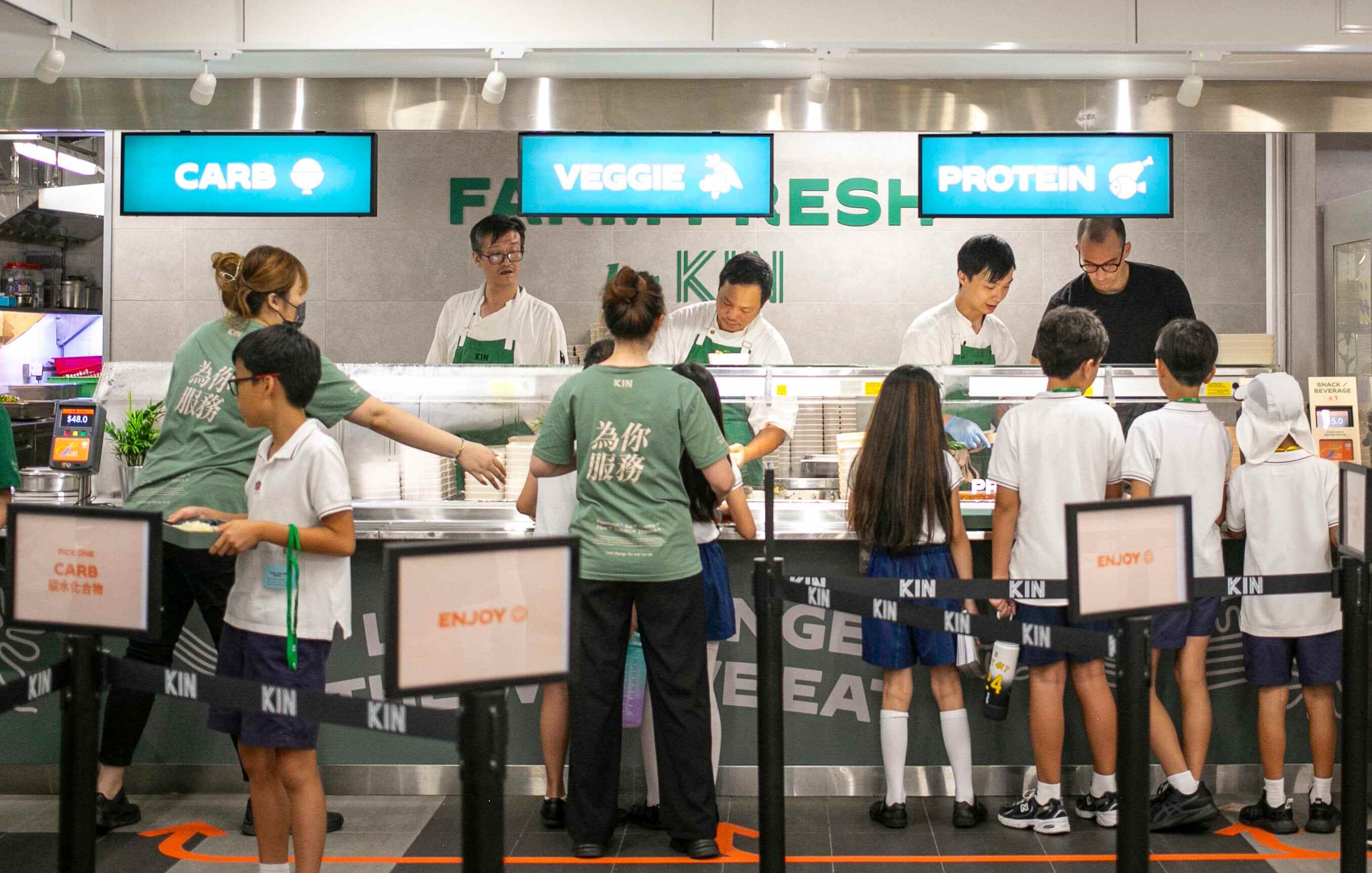
For reasons of inclusivity, educational opportunities and students' health, schools should offer vegetarian meals.
A key advantage of including vegetarian meals is the increased inclusiveness of different cultures. As a global city, Hong Kong has a diverse population with different cultures and eating habits.
Plant-based eating is deeply rooted in Hinduism, Jainism and Buddhism. There is also the Ital plant-based diet followed by Rastafarians in Jamaica. Hong Kong students could learn about the aforementioned cultures through their lunches by exploring food from other countries. As a result, this scheme exercises inclusiveness and equity.
Second, vegetarian meals can be educational amid a landscape of easily accessible junk food in Hong Kong. There is no doubt that eating healthy food has been ingrained in our mindset from a young age. But as fast food with high oil and sugar content is on the rise, it would be hard for most students to resist the temptation.
Vegetarian meals could serve as a reminder about our health. Schools can create curricula with the science sector to educate pupils; a hands-on experience that would leave a lifelong impression on them.
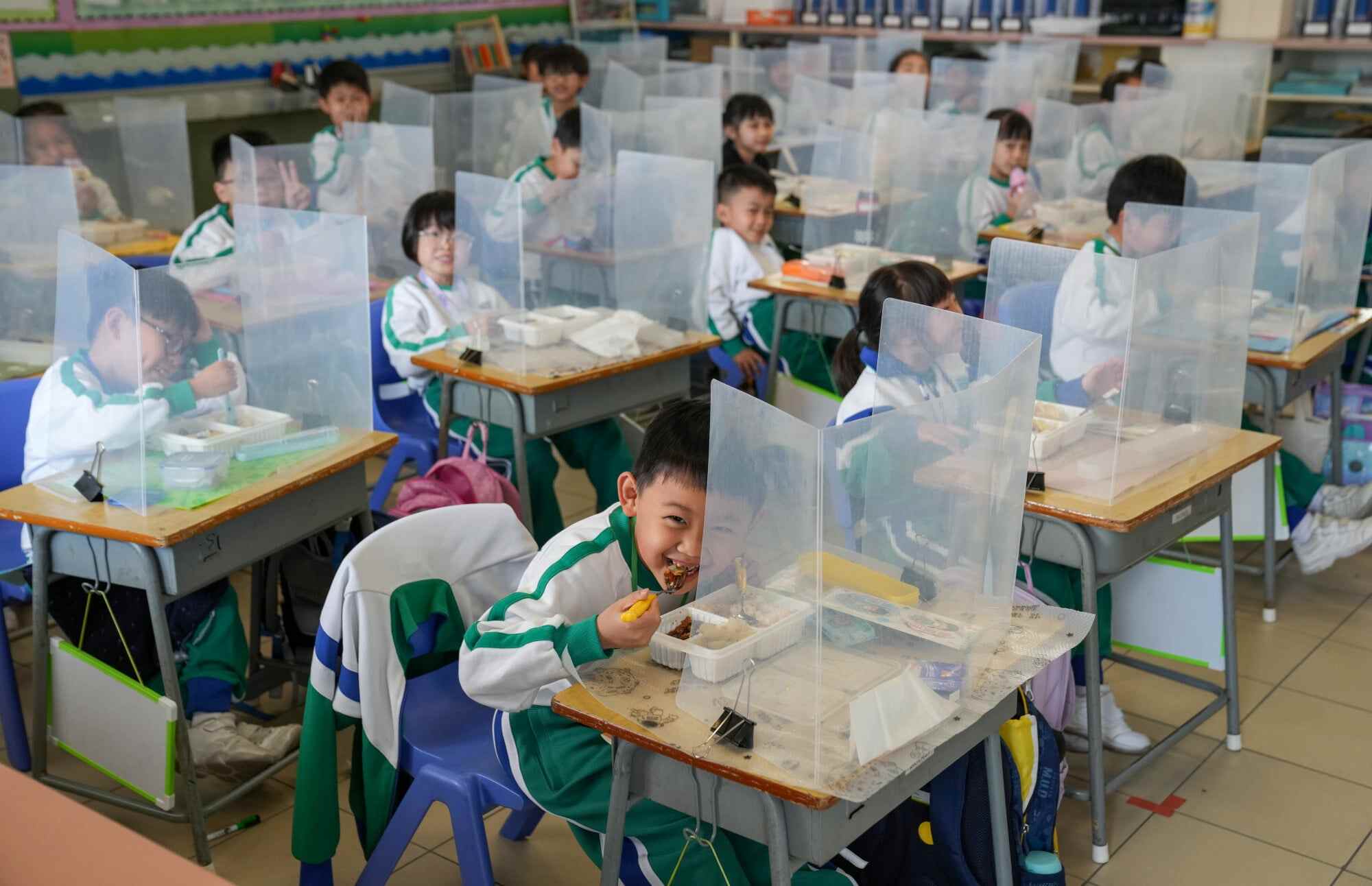
For example, a 2020 Baptist University study implemented a 10-month health education programme at a secondary school in Hong Kong’s most economically deprived district, where many students skipped breakfast and mainly consumed food at the school.
The students were allowed to make their own food choices for lunch. Most reported some change in their dietary practices.
Some worry that vegetarian meals are too unfamiliar for many students, who may reject the “unappealing” foods. This is a common misconception. A 2025 Singaporean study published in Appetite scientific journal found that nearly 80 per cent of children aged nine to 15 were willing to try plant-based meat. This shows that younger generations will eat or at least try vegetarian meals.
Additionally, as more students are exposed to these types of food, it is certain that more will grow to welcome them. Not only would plant-based meals be beneficial from an inclusive and educational standpoint, but it would also be an optimistic step towards a future with healthier eating habits.
Against: Kirsten Fong, 16, Po Leung Kuk Choi Kai Yau School

Choices are important, but forcing a strict mandate on Hong Kong school canteens is a recipe for disaster. The impractical measure completely overlooks the structural limitations of local campuses, compromises the operational efficiency of food suppliers and degrades nutrition.
The primary obstacle is structural. Most local schools in Hong Kong suffer from space constraints, leaving minimal storage and kitchen space. To safely deliver vegetarian meals without cross-contamination, caterers would have to establish and dedicate separate preparation areas, cooking appliances and units for vegetarian meal production and storage. It could be physically impossible for older campuses.
Compounding this is the economic reality.
A Green Queen demographic survey revealed that 58 per cent of Hong Kong residents view maintaining a plant-based diet as costly. Canteen providers are already under tight budgets to keep lunchbox prices accessible. If forced to comply with this mandate, they will jeopardise the nutritional value in lunches as they inevitably rely on mass-produced, cheap dietary substitutes to maintain their margins.

The Department of Health heavily promotes the “3:2:1 Rule”, a strict ratio of grains, vegetables and meat for crucial developmental nutrition. To make vegetarian meals palatable without exceeding budgets, canteen providers would rely on ultra-processed, deep-fried mock meats doused in high-sodium sauces.
A 2023 cross-sectional study of plant-based meat in the Hong Kong market, published in Nutrients scientific journal, found that over 91 per cent of plant-based products are classified as medium to high-fat.
Forcing the inclusion of artificial, lipid-dense alternatives directly exacerbates Hong Kong’s childhood obesity crisis, where recent Department of Health data for the 2024-25 school year found that overweight and obesity rates among local students were at a staggering 17.5 per cent – around one in five children.
This mandate would also be detrimental to the environment. If canteens are mandated to cook a fixed quota of hot vegetarian meals daily, unpurchased surplus would end up in the trash, adding to the city’s waste problem. Rather than a strict regulation, schools should implement pre-order, demand-driven systems to include students who require vegetarian meals.