Do you have something to say? Send us a letter using this form.
Balancing student quotas
Karyn Wong, Tak Nga Secondary School
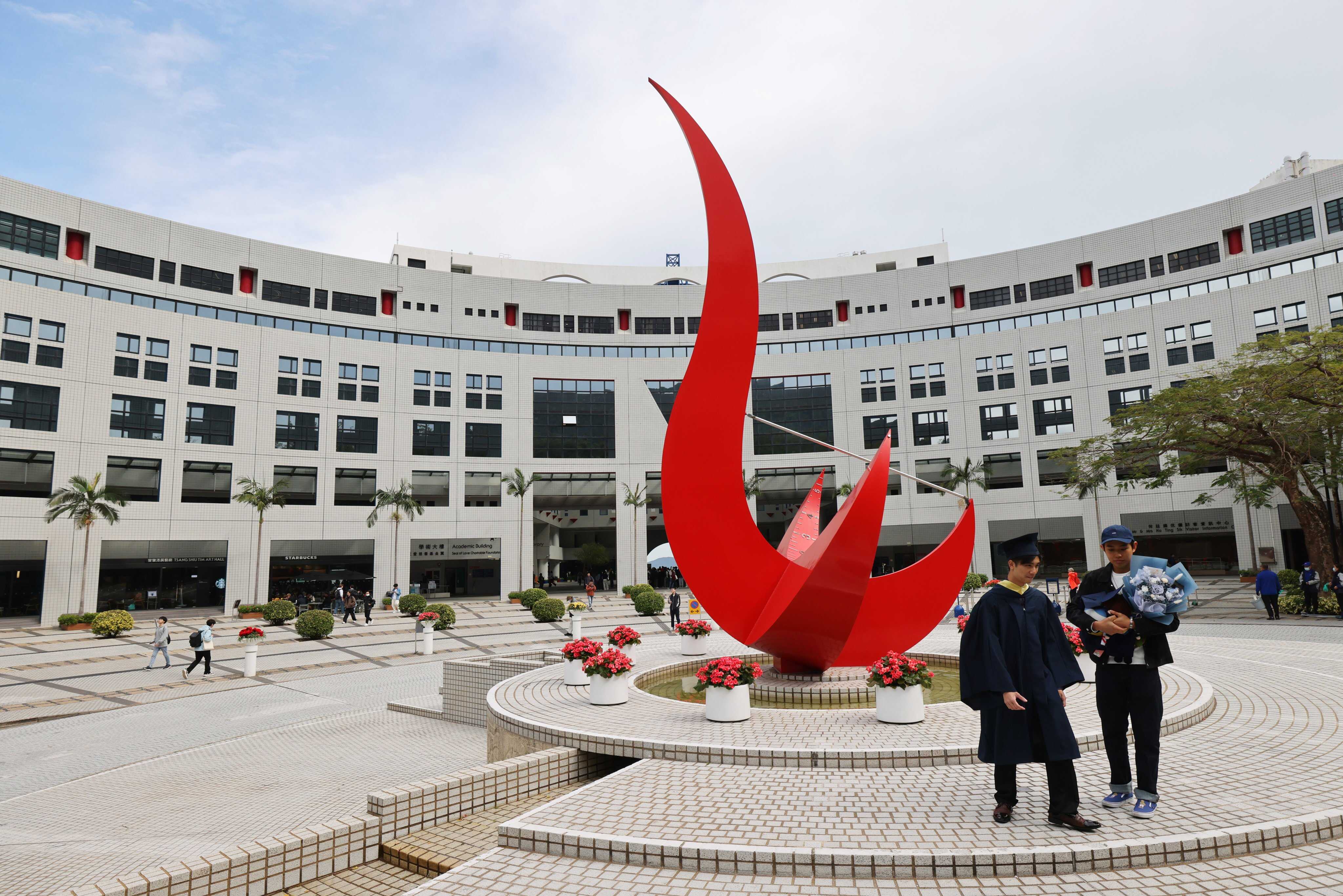
I am writing in response to the government proposal to increase the non-local student quota at public universities to 50 per cent.
While the initiative to enhance the global competitiveness of Hong Kong’s universities is commendable, this move requires careful consideration of its broader implications. Attracting a diverse student body undoubtedly enriches campus culture and the academic environment.
However, the 15,000 government-subsidised places for local students must remain unaffected. A rapid and significant increase in the non-local cohort could place immense strain on university infrastructure, student housing and campus support services. The focus should be on sustainable growth rather than simply expanding the numbers.
Furthermore, the ultimate goal must be the holistic development of our educational ecosystem. While global rankings are important, the primary measure of success should be the quality of education for all students – both local and non-local.
The government and universities must prioritise integration, fostering meaningful interaction and mutual understanding between different student groups.
Rethink breakfast buffets
Chan Tsz-kwan, King Ling College
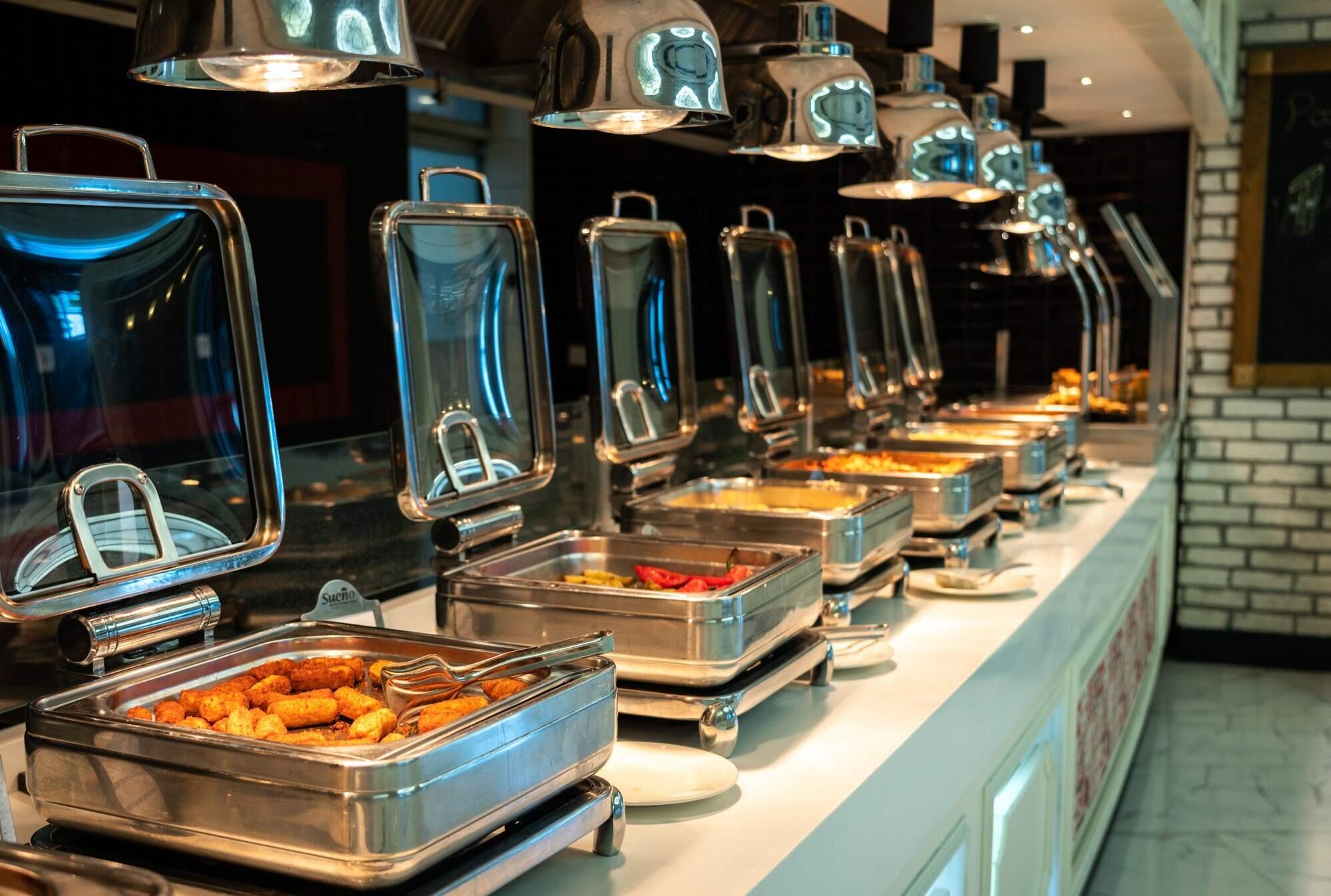
Is it time to retire the all-you-can-eat breakfast buffet?
Many people find buffets appealing because they offer seemingly endless varieties of delicious food. However, this model often leads to significant food waste. Customers frequently take more food than they can finish, resulting in considerable waste.
Buffet breakfasts generate more than twice as much waste as plated breakfasts. This excessive waste squanders valuable resources used in food production. When food waste ends up in landfills, its decomposition releases greenhouse gases, harming the environment and contributing to climate change.
Dr Kelly L Haws, an expert in consumer behaviour, notes that buffets often lead to overeating due to the “variety effect”, where having more options encourages greater consumption. People tend to take more items, eat more and often feel less guilty about wasting food in this setting.
Consumers should carefully assess how much food they can realistically eat and avoid overeating. Wasting food is not only detrimental to the environment but also raises ethical concerns, especially considering that many people in many places lack access to sufficient food.
Healthy gaming balance
Hazel Lo, Pope Paul VI College
I am writing to discuss how parents, teachers and policymakers can balance supporting healthy gaming habits with protecting young people from potential harm.
While some experts have highlighted the benefits of video games in building community, others have raised concerns about cyberbullying and addiction.
Parents should engage with children about their gaming experiences to promote transparency.
This dialogue can help identify both positive interactions and potential dangers, allowing for timely intervention in cases of cyberbullying.
Teachers can incorporate digital literacy into the curriculum, teaching students about online etiquette and the importance of empathy.
Policymakers should advocate for regulations requiring game developers to implement robust reporting systems and create age-appropriate content.
By fostering an environment where gaming is viewed as a responsible social activity, we can help our youth navigate the digital world safely while benefiting from the community building aspects.
Pride of Hong Kong
Lai Sum-wing, Immaculate Heart of Mary College
I want to thank all the Hong Kong athletes for representing the city at the National Games with such passion and unwavering dedication.
Competing in an event as prestigious as the National Games is never easy; it requires exceptional skill, courage and sacrifice. You have faced intense pressure, fierce competition and numerous challenges, yet you never faltered.
In every match, you embodied the true spirit of sportsmanship and the indomitable, never-give-up attitude that defines every Hongkonger. I am especially grateful for the immense effort you put into your training, often at great personal cost. Many of you have left jobs, paused your studies or given up precious time with family to pursue excellence.
Watching our athletes shine on both national and international stages fills me with pride and reinforces my identity as a Hongkonger.
Your achievements have even motivated me to join my school’s sports teams. Whenever I feel exhausted during practice, I think of you and it inspires me to keep going. Your perseverance is my inspiration.
Thank you once again for being the pride of Hong Kong.