
Do you have something to say? Send us a letter using this form.
Promoting school diversity
Chan Wai-ling, GCC & ITKD Lau Pak Lok Secondary School
I support opening new admission slots for Southeast Asian students to boost Hong Kong’s cultural diversity. However, we must also consider whether this policy could negatively affect subsidised schools and their students.
The hallmark of Direct Subsidy Scheme (DSS) schools is their flexibility in designing policies, choosing their medium of instruction and setting tuition fees.
Opening student slots for Southeast Asian students can help promote cultural diversity, facilitate international exchanges and broaden students’ horizons, clearly benefiting Hong Kong’s educational standards. Taking this into account, DSS schools will become more attractive due to their potentially superior learning resources compared with fully subsidised schools.
It is understandable that parents would want their children to receive a better education. However, tuition fees at DSS schools are beyond the reach of most low-income families.
This disparity in student populations across different school types, particularly in language, communication and cultural exposure, can create an unfair disadvantage for students attending subsidised schools.
More dog-friendly city
Alisha Chan Yuen-yu, St Catharine’s School for Girls
In his 2025 policy address, Chief Executive John Lee Ka-chiu proposed a new licensing scheme to allow pet dogs inside restaurants in Hong Kong.
Dog ownership has become popular, and owners enjoy spending quality time with them.
Currently, many restaurants prohibit dogs, often because they fear pets might cause disruption or damage property. This restriction makes it inconvenient and frustrating for dog owners when trying to find suitable places to eat.
The new policy update is excellent news for dog owners, as it will make it much easier for them to find establishments where they can spend time with their pets.
On the other hand, the policy raises several concerns. Some people dislike animals or are allergic to them. What happens if a person with a dog sits beside them while they are eating? Should they ask the restaurant to remove the dog, or should they tolerate it?
For non-pet lovers, there will be an adjustment period where we may need to accommodate people with pets, even if it causes some irritation. Despite the potential friction, this is a good policy that acknowledges the changing social dynamic.

Common scams to avoid
Gianna Lai Wing-chi, Tsuen Wan Public Ho Chuen Yiu Memorial College
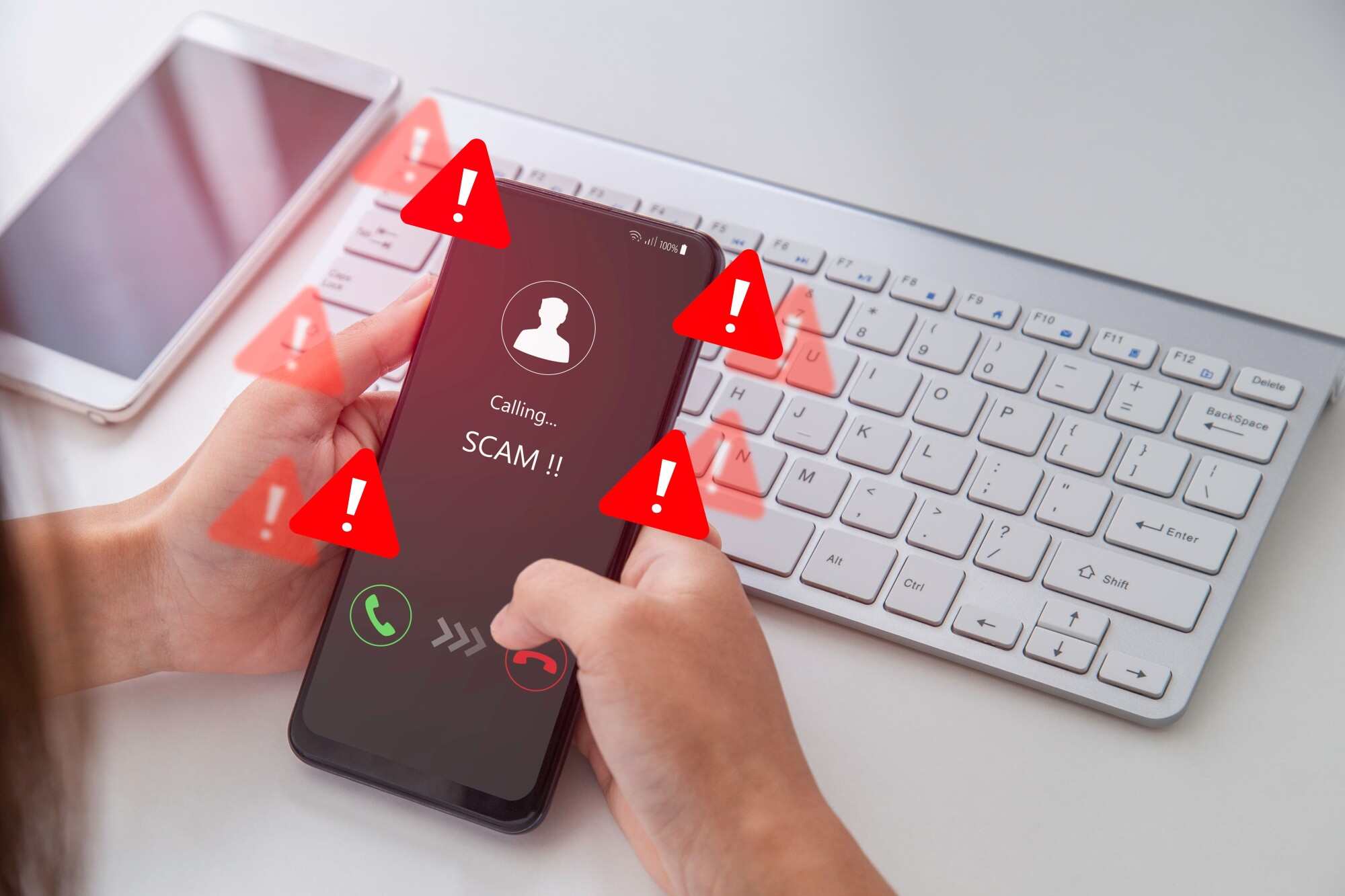
Online scams have become increasingly complicated, preying on people’s trust and unawareness. Scammers use all sorts of methods to get our money and personal information. One of the most popular ones is the romance scam.
Scammers pose as potential romantic partners on dating sites and social media, building bonds before asking for money. Since everything is done online, scammers can use fake profiles, attractive images and stories of personal hardship to touch the victim’s heart.
Another scamming method that is all the rage is sympathy scams. They exploit people’s kindness by creating fake charities or spinning stories of severe illness, accidents or financial struggles. Victims are convinced to send money because they believe they are doing a good deed.
There are ways to protect yourself from these scams. Simply checking reviews and official websites will make a big difference in reducing our risk of falling for these tricks.
In addition, be sceptical of what you see online. If something seems too good to be true, it probably is. The virtual world is full of tricks and traps. Always keep a cautious mind.
Prioritising sleep
Aiden Cheng, King Ling College
I am writing to express my views on the issue of insufficient sleep among Hong Kong students. A lack of sleep can negatively affect their lives.
The primary reason for this lack of rest is excessive academic pressure. The main factors contributing to this are long school hours, regular quizzes, and a heavy homework load. Moreover, many students also join extracurricular activities and tutorial classes, leaving them with very little time to rest.
Excessive screen time also affects sleep patterns, as the blue light emitted by these devices makes it harder to sleep.
Insufficient sleep can cause mood swings and increase the risk of anxiety and depression.
Consequently, students may treat teachers or family members rudely, especially when they feel annoyed or frustrated. Secondly, it often leads to poor academic performance. When students don’t get enough sleep, they cannot focus or learn effectively.
We must take this issue seriously. Parents should consider reducing the number of tutorial classes their children attend. Students should also prioritise their sleep by managing their time wisely and reducing screen time before bed.