Do you have something to say? Send us a letter using this form.
Accountability for tragedy
Claudia Loh, Po Leung Kuk Choi Kai Yau School

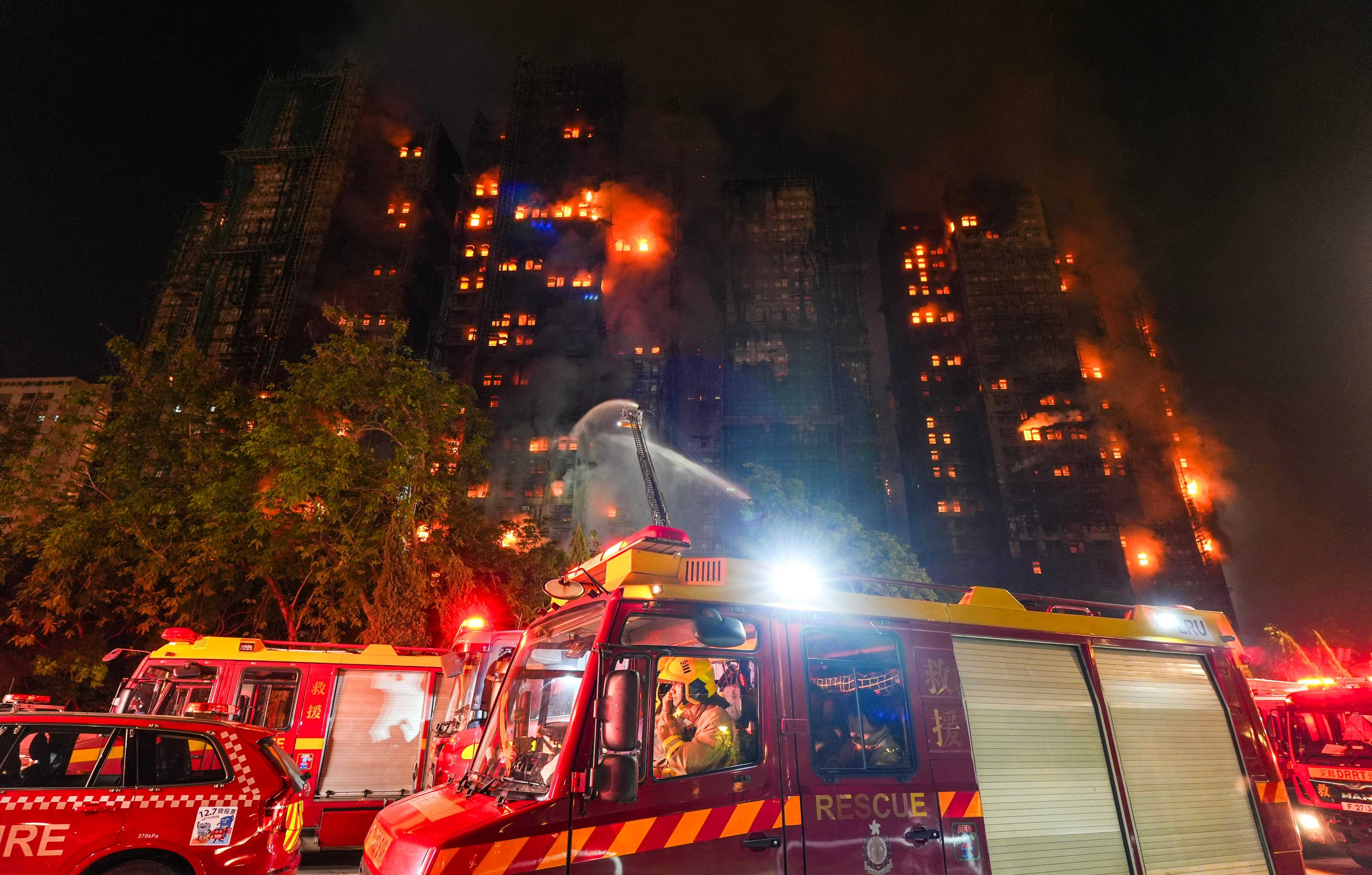
Allow me to offer my sincere condolences for the fire that broke out at Wang Fuk Court on November 26, 2025. Tragically, over 150 lives have been lost, and that number may continue to rise. Many individuals have lost their homes and have been relocated as a result of this disaster.
I want to express my gratitude to the firefighters and medical professionals who have been tirelessly saving the victims of the fire.
They are the heroes of Hong Kong, and the entire city is indebted to them. Most notably, firefighter Ho Wai-ho tragically lost his life due to the catastrophic fires.
All the lives lost and affected by the fire could have been avoided. This was not a natural disaster; it was a man-made incident. Residents reported seeing construction workers smoking and found cigarette butts on their window ledges.
The fire alarms did not alert residents to evacuate the building, and sources indicate that the fire alarm system was not turned off but just failed to go off when tested.
Additionally, substandard netting was used during the reconstruction efforts, and styrofoam was placed in front of the windows.
The netting used was not the standard fire-resistant variety; it was selected to save costs. Styrofoam is highly flammable, and when it burns, it can release deadly toxic fumes.
I want to question how the substandard netting and styrofoam boards were permitted during such a lengthy construction process.
All of these man-made, completely avoidable factors have combined to create a devastating inferno that destroyed the lives and homes of Hong Kong citizens. How can human lives be sacrificed for higher profit margins for construction companies? These actions are entirely inexcusable.
Yet, media reports have shifted the blame onto bamboo scaffolding, with some suggesting that Hong Kong’s traditional bamboo scaffolding should be replaced with metal alternatives.
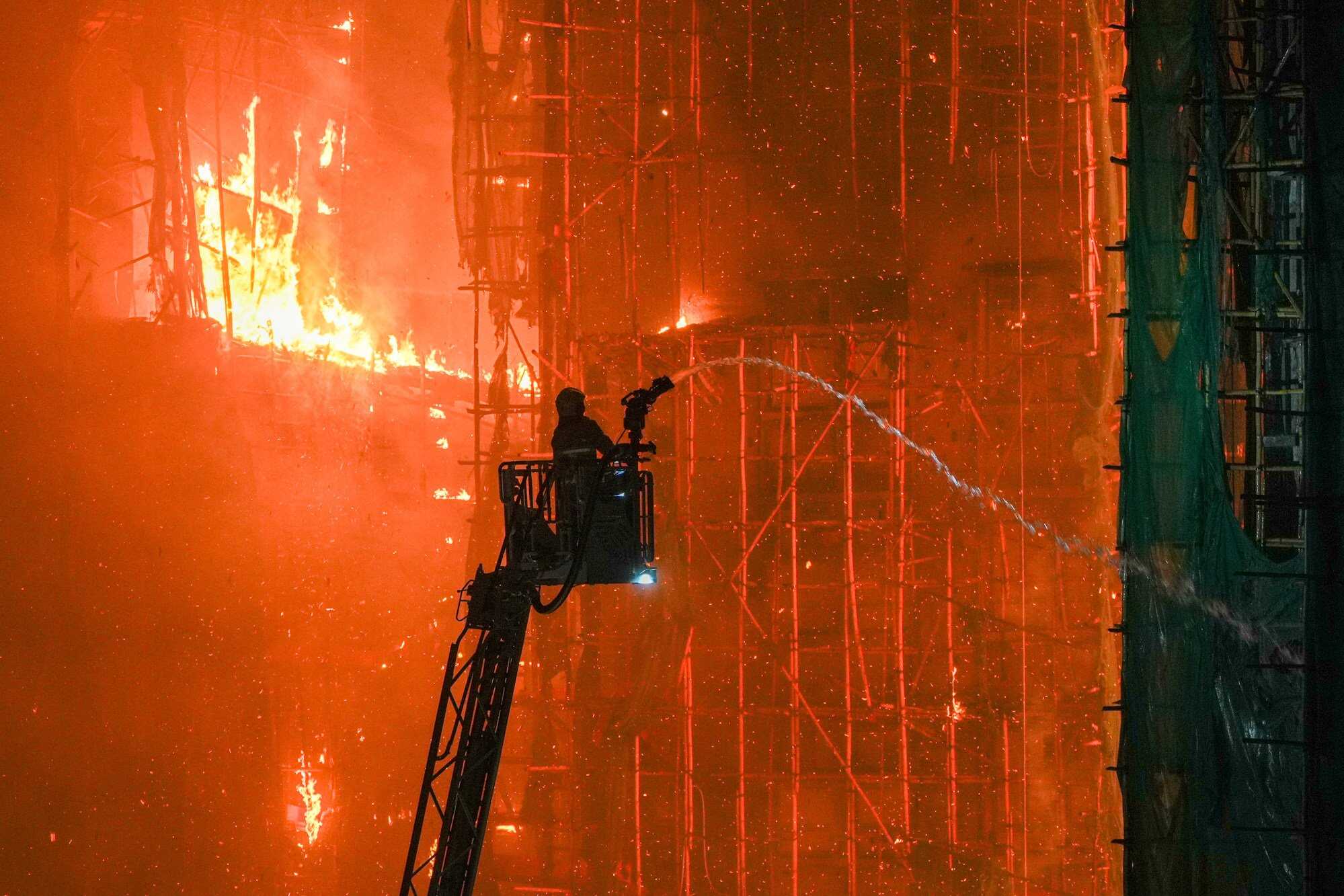
The rapid spread of the fire was primarily due to the flammable mesh and styrofoam boards. Bamboo scaffolding is a long-standing tradition in Hong Kong. How can it be held responsible for a recent fire when it has been used for so long?
Experts indicate that bamboo is less flammable than wood, and images of Wang Fuk Court after the incident clearly show bamboo standing strong even after the fire.
Under extreme temperatures, most metals would melt. Additionally, because metal conducts heat so well, it can reach dangerously high temperatures very quickly. This poses a significant danger.
In situations where lives are at stake, bamboo is clearly the better option.
Practically speaking, bamboo is easy to cut and much less expensive than metal.
How many lives must be sacrificed before we start paying attention to public opinion and stop taking short cuts? When greed collides with corruption, it silences the people’s voices.
Let this serve as a costly lesson for profit-driven management officials – one paid for by the innocent lives lost and the profound impact on the thousands of residents affected.
Battling the climate crisis
Rachel Wong, St Paul’s Secondary School
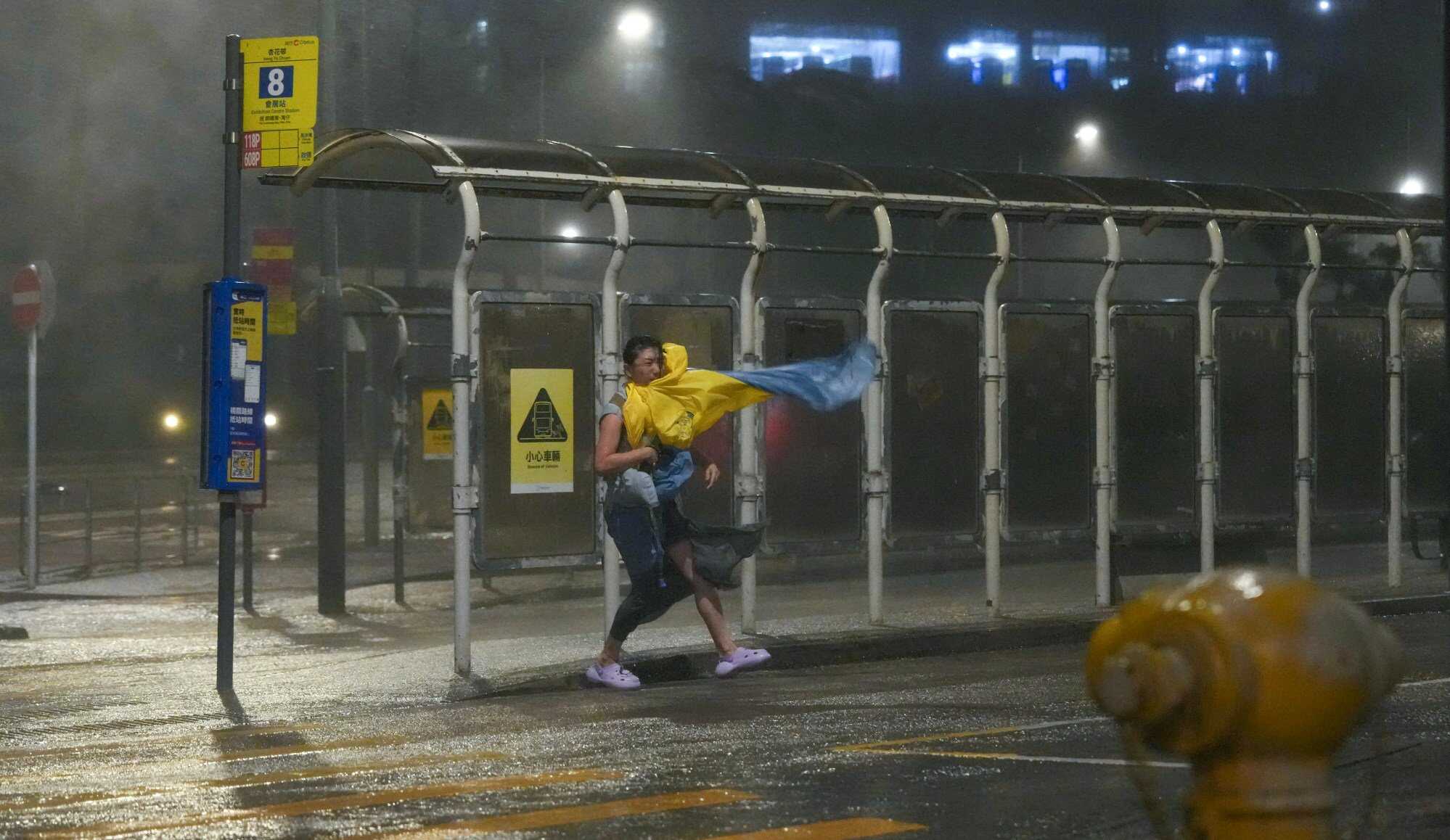
I am writing to express my deep concern about the increasing frequency and severity of extreme weather events in Hong Kong. Historically, Hong Kong has been relatively sheltered from the most catastrophic natural disasters. However, the accelerating impacts of climate change are exposing us to severe environmental hazards that threaten public safety and well-being.
This year, there were multiple black rainstorm warnings issued, along with a higher number of typhoons than usual. The number of extremely hot days and nights is also rising significantly, disrupting daily life and increasing health risks.
Leung Wing-mo, former assistant director of the Hong Kong Observatory, emphasised that while weather naturally fluctuates, climate change intensifies these variations, leading to more unpredictable and extreme weather patterns.
Across the globe, many nations are investing heavily in renewable energy sources such as solar, wind, tidal, wave and geothermal power to reduce greenhouse gas emissions. However, addressing climate change is not solely the responsibility of governments; individual actions also play a crucial role. By adopting sustainable habits, each of us can help lower our carbon footprint and slow the progression of climate change.
A key aspect of this is embracing low-carbon lifestyles. Reducing meat consumption – especially beef – can significantly reduce greenhouse gas emissions associated with livestock farming. Choosing local produce over imported goods helps minimise carbon dioxide emissions from transport. Minimising food waste cuts down unnecessary energy consumption and its associated emissions.
Transitioning to electric vehicles and reducing air travel are vital to reducing our environmental impact. Whenever possible, choosing public transport, cycling or walking diminishes carbon emissions.
The widespread use of plastic is a significant contributor to climate change. Since plastics are made from fossil fuels, their production requires considerable energy and emits substantial carbon dioxide. Additionally, plastic waste breaks down very slowly, and when it is incinerated, it emits harmful greenhouse gases. Reducing plastic consumption is a crucial step in addressing climate change.
Finally, we must acknowledge the vital role of the natural environment in absorbing carbon dioxide. Protecting existing forests and planting new trees enhances this natural carbon sink, helping offset emissions and stabilise the climate. Addressing climate change is more critical now than ever. While we have crossed some dangerous thresholds, we have not yet reached a point of no return.
I urge all readers to commit to greener lifestyles and to take collective action before it is too late.