Do you have something to say? Send us a letter using this form.
Young hearts unite
Phoenix Lau Wai-ki, Pope Paul VI College
I was deeply moved after reading a recent Young Post article titled “Hong Kong students step up to help Tai Po fire victims: ‘united’.”
In a world that often seems divided and apathetic, it is both inspiring and heartwarming to see young people in Hong Kong demonstrating such compassion, unity and initiative in the face of tragedy. The swift and sincere response from student volunteers speaks volumes about the character and values of Hong Kong’s youth.
It is encouraging to see students stepping outside their classrooms to engage with real-world issues and support their community in times of crisis. What stands out most to me is the sense of solidarity reflected in this initiative.
These students are not just helping the victims; they are reminding all of us what it means to be part of a community. They are showing empathy in action. Their teamwork and selflessness prove that even small acts of kindness can create a ripple effect that brings hope and healing.
In a society often focused on academic competition and personal achievement, these young people have demonstrated the power of collective action and compassion.
Trip down memory lane
Rai Danesha Dekhim, Tak Nga Secondary School
Have you ever found yourself revisiting a favourite part of a book, movie or music album? I do, and it got me thinking: why do people who love Harry Potter re-read the series so many times without getting bored? Why do diehard Taylor Swift fans put her albums on repeat constantly?
At first, I thought it might be due to a sense of familiarity. According to an article published by Psychology Today, people may occasionally explore new things, but they often crave familiarity because it feels safer and more calming. Predictability can provide a sense of stability, and familiar stimuli are easier for the brain to process, requiring less mental effort.

However, I realised that the main reason is the “time capsule” effect. There is immense nostalgia tied to reopening that book, movie or song; it acts like a portal to the past, allowing us to experience it as we did the first time.
The joy of reliving that moment can remind us of joyful moments in the past. Perhaps our reasons for revisiting aren’t solely about the story on the page or the notes in the song, but about the story of ourselves. We return to remember who we were and to measure how far we’ve come.
Plush toy craze
Kevin Hui Siu-wang, Pentecostal Lam Hon Kwong School
A thrilling assortment of collectibles, hidden in sealed, opaque packaging and including popular characters like Chiikawa and Labubu, have surged in popularity since the pandemic.
One of the main reasons plush toys and accessories have become so prevalent is their ability to create a deep emotional connection with consumers. During the pandemic, many people experienced stress and loneliness.
Plush toys provided emotional companionship for those stuck in isolation, leading to a focus on mental well-being rather than just material needs. These toys help alleviate feelings of isolation and insecurity.
In addition to fostering emotional bonds, these plush toys and accessories offer collectors a sense of novelty.
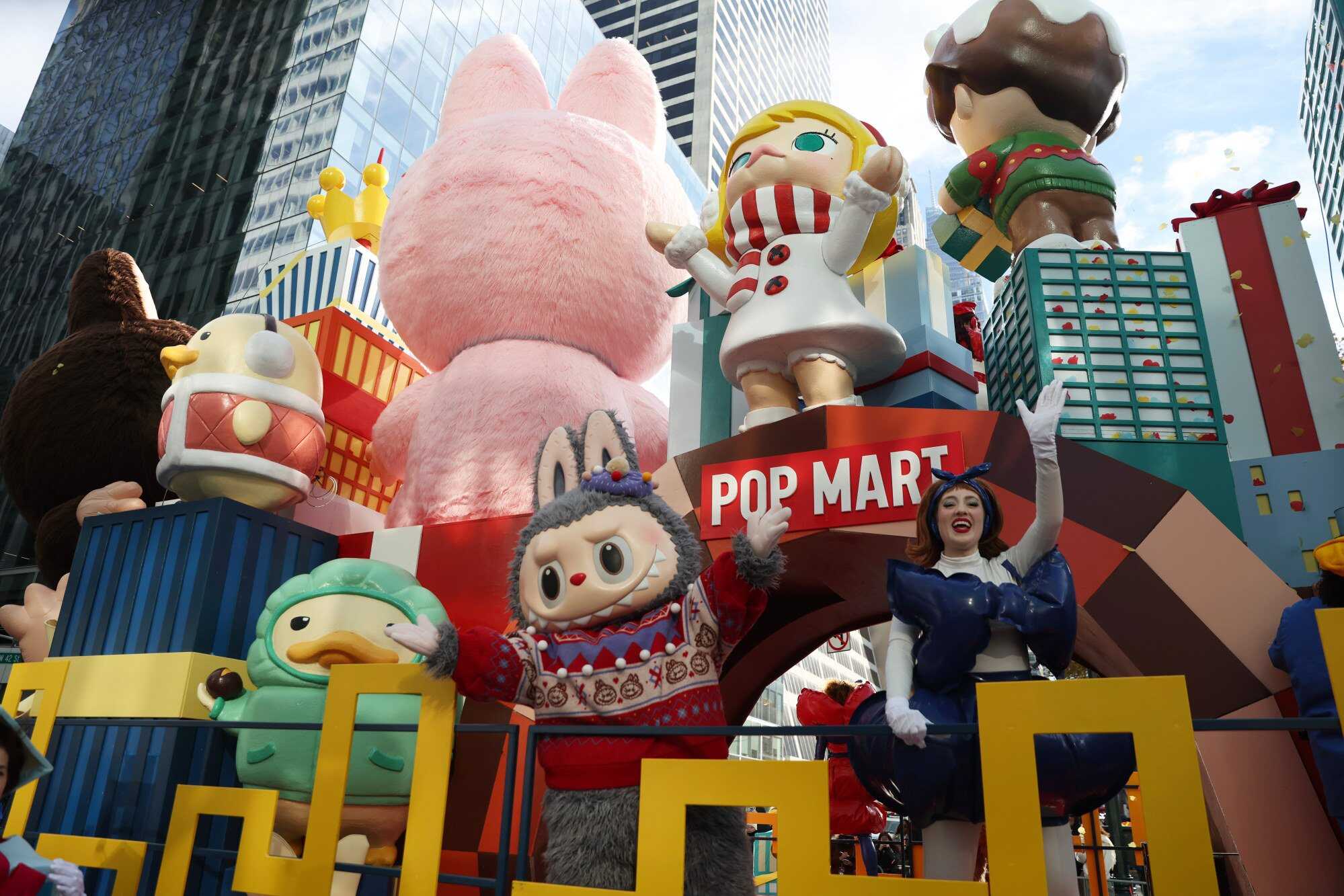
As their popularity grows, companies are creating a wider variety of charming characters and series. Effective marketing strategies encourage consumers to purchase limited-edition merchandise and collectibles. Most notably, collectors experience instant gratification as they strive to complete an entire series. Given this trend, the popularity of plush toys and accessories is likely to continue rising.
Air quality crisis
Bethany Tai, Valtorta College
Hong Kong, once known for its clear skies, now frequently struggles with grey, hazy air that is growing hotter and more humid.
One of the most critical effects of poor air quality is the growing risk to public health. Many air pollutants are potent lung irritants. When residents inhale this contaminated air, they may develop respiratory diseases and may also suffer from skin allergies upon contact with these pollutants.
Some chemical pollutants act as greenhouse gases, effectively trapping heat in the atmosphere. This is worsened by Hong Kong’s dense and tall buildings, which hinder ventilation and create a wind-blocking effect that prevents fresh air from diluting the contaminated urban air.
To effectively tackle this problem, collective action is key. Citizens must first reduce their electricity consumption to decrease reliance on the burning of fossil fuels at power plants.
A highly efficient alternative for commuting is prioritising mass transit systems, which minimise energy waste per person.
Additionally, supporting and participating in green initiatives, such as the country parks plantation enrichment programme, is vital as trees naturally absorb pollutants like sulphur dioxide, helping to clean the air.