Have something to say? Send us a letter using this form.
Stop the social media obsession
Aimee Chong, St Paul’s Co-educational College
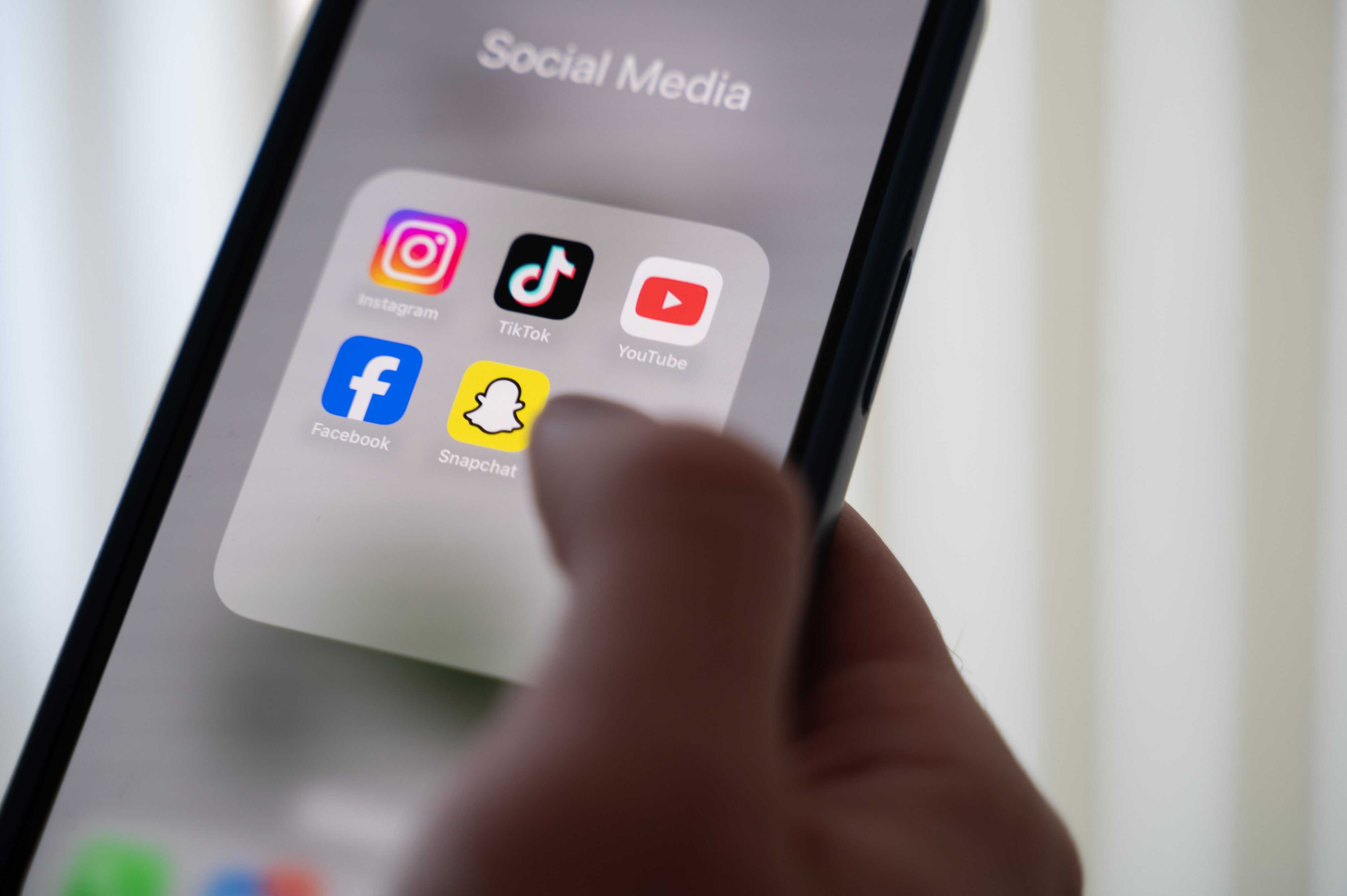
In today’s society, the thirst for likes and followers on social media has reached extreme levels. When people say, “I’ll be down after this picture”, they often prioritise their online presence over their safety, even when warned by security guards and workers.
This craze has hooked many people into trying dangerous stunts as they risk their lives for photos that might get attention on Instagram or TikTok.
From mounting skyscrapers to posing for pictures on the edge of a cliff, the lengths people go to capture that ideal image are astonishing. Keeping up with the latest trends has become a reckless chase in which seeking validation from people on social media often involves endangering yourself.
The appeal of viral fame tempts people to ignore the consequences they bring on the environment and themselves. These social media trends not only harm people’s health but also endanger their lives.
For instance, some challenges encourage participants to consume excessive amounts of soy sauce, spicy food, cinnamon and even hot water. Others promote unhealthy eating habits in pursuit of a certain body image. These activities can result in serious health issues. As people’s desire for digital recognition intensifies, so too does their willingness to push the limits even further.
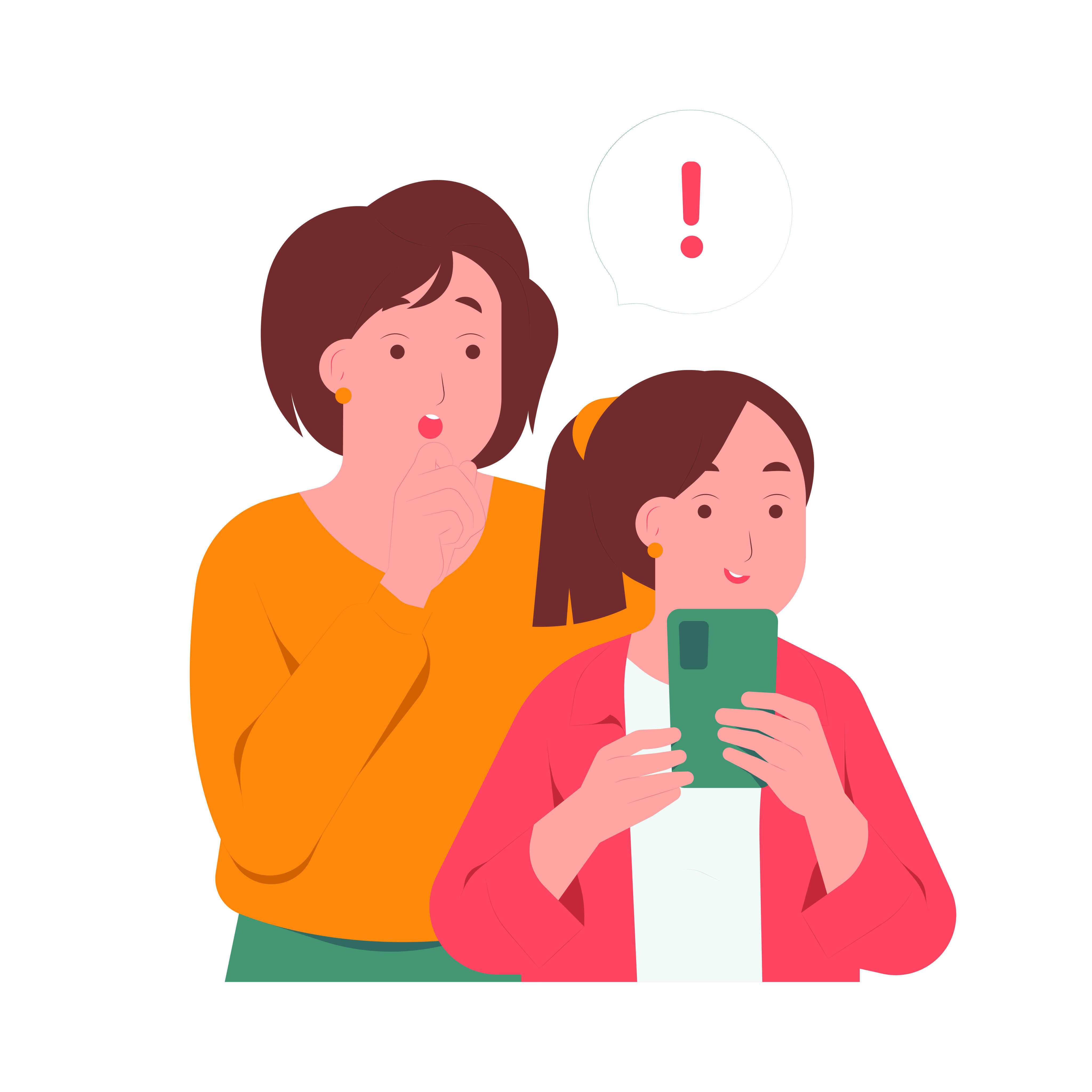
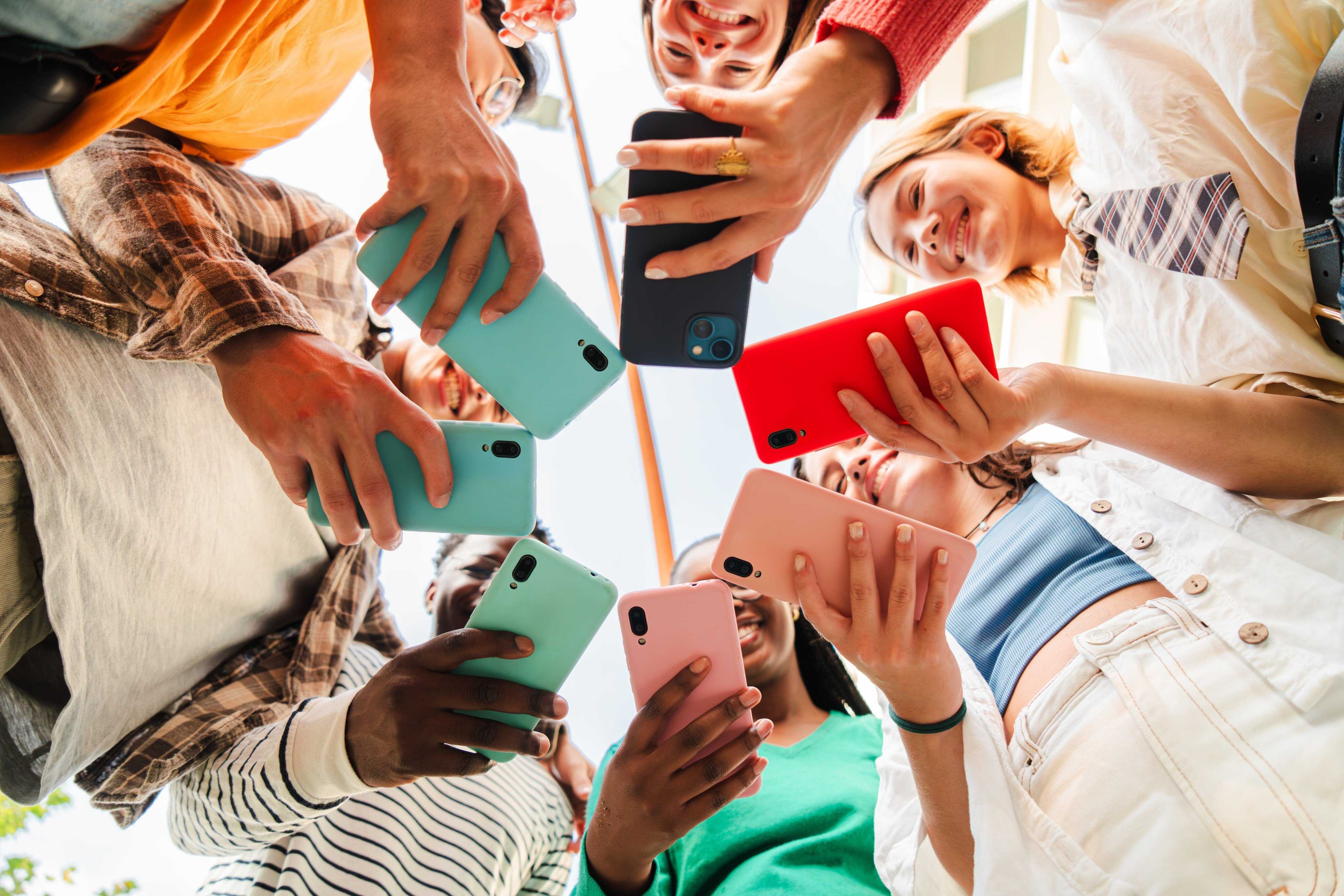
Moreover, these social media trends have begun to shift norms, with many young people feeling pressured to conform to these extreme behaviours if they hope to become popular. When they see that a single post can lead to a rush of followers and likes, it reinforces the belief that their self-worth and identity are measured by others.
What was once simply an act of sharing moments of bliss online has transformed into a game where the momentary nature of digital approval outweighs the importance of safety and well-being. This raises critical questions about the influence of social media on our lives, urging us to rethink what truly matters in the pursuit of happiness.
The consequences of these trends go way beyond physical harm; they can also lead to serious mental health issues. The constant pressure to maintain an ideal image online can lead to severe anxiety, depression and a distorted self-image.
As people pursue online recognition, they may find themselves in a cycle of comparison. Their self-worth becomes linked to whether their online content is better liked than someone else’s, and they must continue pleasing their audiences to stay ahead.
Ultimately, this issue serves as a crucial reminder that we should reconsider our relationship with social media.
It is essential to encourage people to value authenticity and reality over superficial validation. We should motivate them to seek fulfilment in real-life experiences rather than being confined to the approval of an online audience.
Let us prioritise our health, safety and human connections in real life, to break free from the grip of digital obsession and redefine what a fulfilling life should be.
Spread the kindness
Emma Cheng Qihan, GCC & ITKD Lau Pak Lok Secondary School
Filming and sharing acts of kindness online is an effective way to gather support for people in need. For example, videos from a Hongkonger named Belle have attracted over 100,000 followers and successfully raised funds for the elderly. This demonstrates that social media can have an impact.
Some critics argue that recording charitable acts makes them less genuine because the person is only doing good deeds for attention. However, I do not agree with this point of view. In my opinion, what matters most is the positive outcome.
Belle’s goal is to inspire kindness in society. By sharing her work online, she can reach a much larger audience and motivate more people to take action. If her videos encourage others to help those in need, then the overall effect is beneficial for the community.
Furthermore, sharing these stories online helps to raise awareness about social issues that might otherwise be ignored. It also allows people who are unable to help directly to contribute in other ways, such as donating money or spreading the message. In Hong Kong, where people are often busy with their lives, these videos remind us to care for one another and build a more supportive community.

History of planes
Jayden Krishna Hari, Kowloon Junior School
Imagine living in the early 1900s and gazing into the sky to see an eagle and then a strange machine with a human. You rub your eyes and look again. Your suspicion is right – a person is flying! Fast forward to the modern day, and now, we have many planes flying through the air.
People have dreamed about flying since ancient times, but the first powered flying machine to achieve controlled and sustained flight was made by brothers Orville and Wilbur Wright in 1903. Their powered aircraft flew for 12 seconds above Kitty Hawk, a town in the US state of North Carolina. They continued making improvements to their machine. In 1914, passengers flew on an airliner for the first time. Then, in 1939, the first jet plane, the Heinkel HE178, took to the sky. In the 1950s, passenger planes grew bigger and bigger. In 2007, the plane manufacturer Airbus launched the biggest passenger plane, the Airbus A380. The double-deck aircraft can carry 525 passengers.
Now, planes are a part of our lives. We take them for holidays and use them to send and receive cargo. Planes revolutionised humans’ lives, and they will continue to for years and years.