Have something to say? Send us a letter using this form.
Anti-ageing skincare is dangerous for children
Tiffany Lo Yat-hei, St Paul’s Secondary School
I am writing to express my concern about the many children imitating influencers and using grown-up skincare products.
The BBC World Service video “Are anti-ageing products fine for younger skin?” highlighted how Gen Alpha accounts for a growing percentage of skincare sales in the United States. The United Kingdom has also seen an increase in young people using anti-ageing moisturisers over the past two years.
These numbers show this is a real problem, not just a passing trend. Children’s skin is still developing and is much more delicate than adult skin.
Strong ingredients found in many anti-ageing products, such as retinols and powerful acids, can cause redness, stinging and dryness, and worsen conditions like eczema. I once borrowed my mum’s cream as a teenager and ended up with sore, irritated skin for weeks – a clear lesson that adult products are not always safe for younger skin.
Social media and influencers promote a perfect, filtered look that many young people try to copy. The “clean girl” trend and endless skincare videos make children feel they need expensive serums and long routines to look good.

These videos are not age-restricted, so kids can easily watch them. A cousin of mine began asking for costly products after watching TikToks, and her parents did not know they might be unsuitable for her.
There are too few rules to stop children from getting strong skincare products. Some places have taken steps: Sweden banned anti-ageing products for children in pharmacies, and the European Union will limit over-the-counter high-strength retinols.
But most markets still lack clear labels, age checks or seller guidance. We need better rules and clearer warnings to protect young people.
Companies should put large, easy-to-read labels on products that are not for children, rather than relying on bright packaging to attract buyers. Shops and pharmacies should train staff to ask about age before selling strong products, as they do for other age-restricted items.
Schools and health services could give parents simple advice on safe skincare for children. For example, recommending gentle cleansers, moisturisers and sunscreen rather than products with active anti-ageing ingredients. We must protect young people’s skin and make sure children use safe products and are not pressured to follow harmful trends.
History comes alive in Kowloon City
Man Choi-kiu, Munsang College
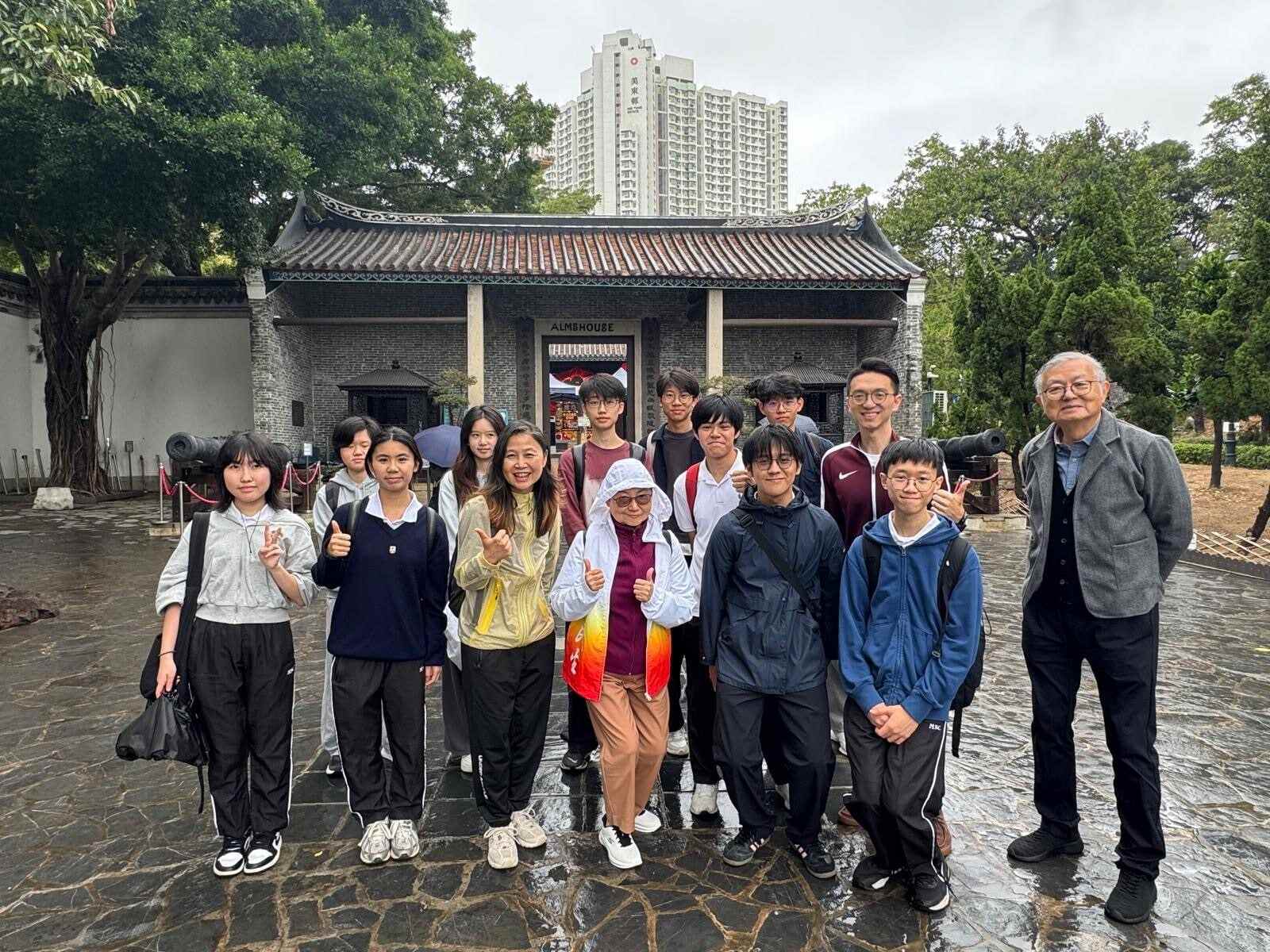
The rain fell softly over Kai Tak Bund on the morning of January 31, 2026, a persistent winter drizzle that clung to our jackets and fogged our phones.
Split into three groups for Munsang College’s centenary celebration, we competed to visit 15 historical sites in the “Footprints of Kowloon City” orienteering event for Munsang College’s centenary celebration.
My group huddled under the eaves of the Far East Flying Training School, our first destination. I grinned; this is what history feels like – alive.
Student helpers shared Kowloon City’s past – how 1930s pilots trained above sea before reclamation, flying to distant wars, some never returning.
I looked at my damp teammates and felt something swell. We were here to win, but more – to carry something forward. And so we ran, carefully. After a near-slip on Nga Tsin Wai Road, we understood that speed mattered, but joy mattered more. What was the point of reaching 15 sites if too breathless to remember them?
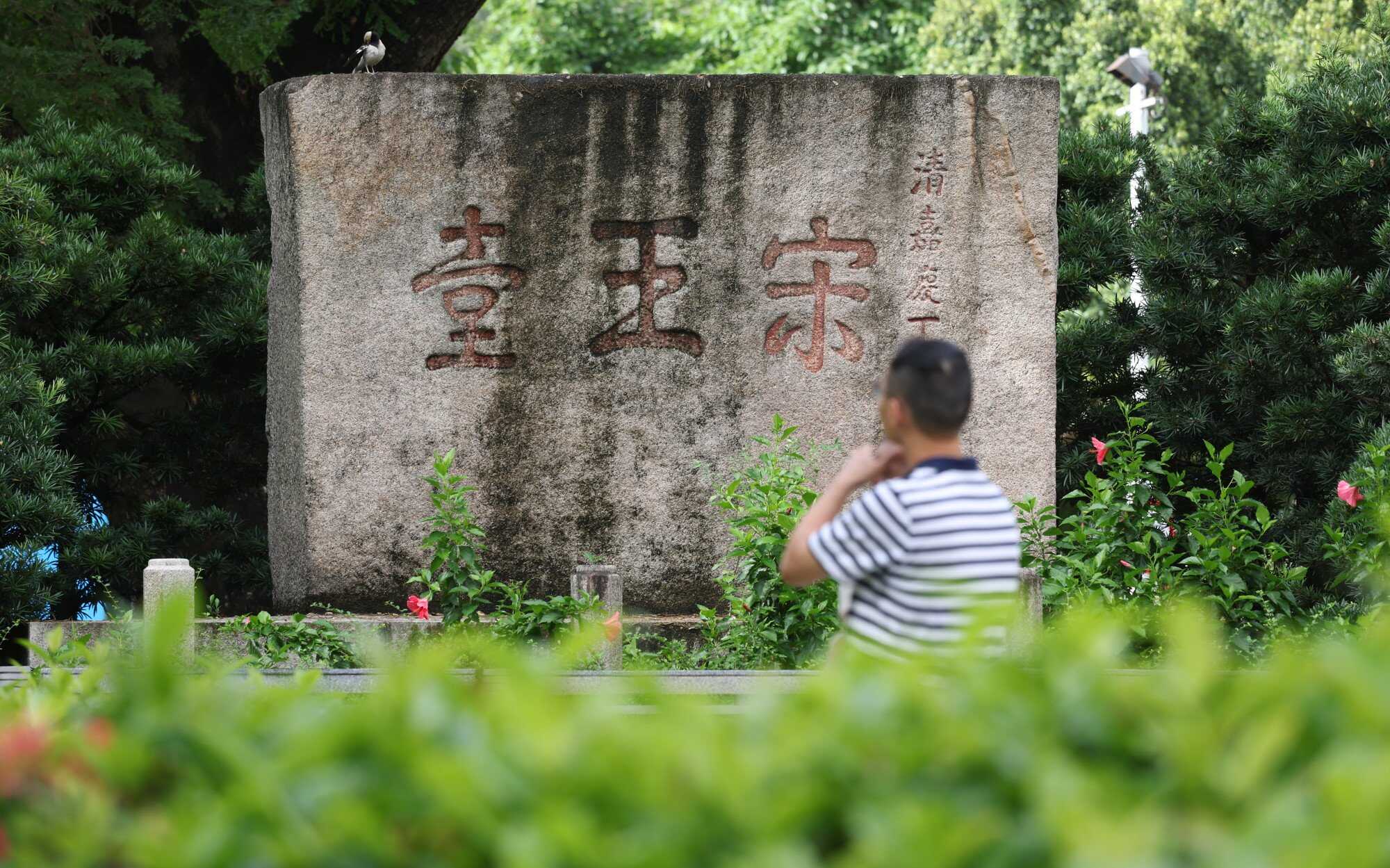
We slowed and arrived at Sung Wong Toi together. The station helper explained how the stone was once larger, some dynamited by the Japanese during occupation. I traced the carved characters and thought: this is Munsang spirit. Not weakened by time, but fortified by heritage.
At the Kowloon Walled City Yamen, the rain softened. We stood in the courtyard, listening to stories of orphans sheltered there after the war.
Then the volunteer said: “This building is older than Munsang College. But your school was founded the same year this became an orphanage – 1926. For decades, they existed side by side, breathing the same Kai Tak air.”
I looked at my teammates – assigned by class, now moving like we had done this for years. We started as competitors; we finished as friends. This, I think, was the greatest takeaway. We often approach history with distance, yet standing at Residence of Loie Fok-wing, I understood: history is an invitation. He saw wartime need and responded, believing a single person’s care could ripple through decades.
We returned to campus as the rain ceased, our shoes leaving wet prints. We had visited fourteen other sites, but coming home felt different. Not because we won, but because we had earned the right to see our school as a continuation of Kowloon City’s living history, a place whose wartime stories and quiet kindness have nourished everyone who has called it home.
You cannot honour the past when/if you are rushing heedlessly into the future. The rain stopped. The winter breeze continues over Kai Tak, over 100 years of Munsang College. I am still slightly cold. I am also immensely grateful.