Have something to say? Send us a letter using this form.
Teenagers and social media
Grace Lin Yan-chi, Pope Paul VI College
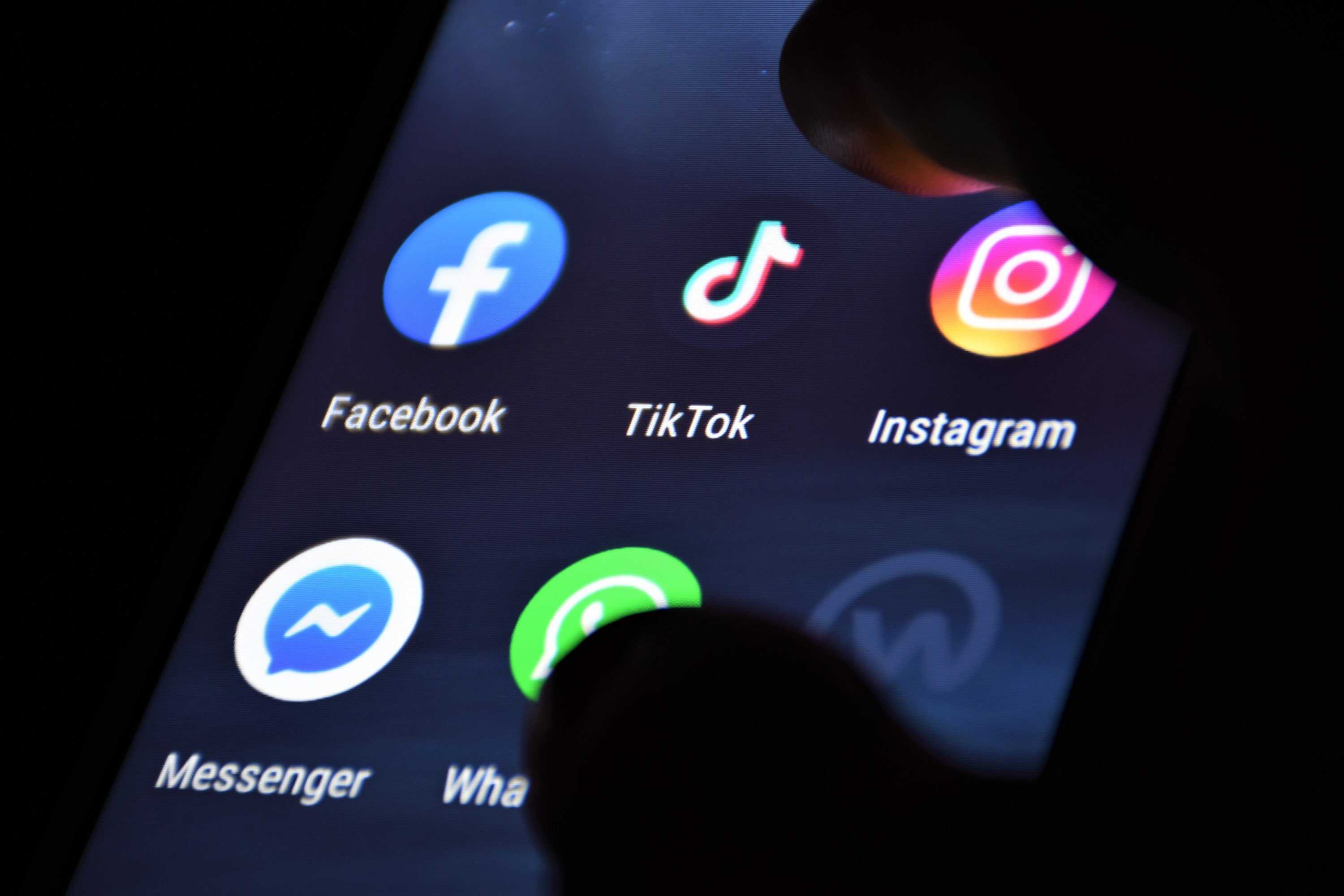
I am writing to share my thoughts on the Australian government’s ban on children under 16 using social media. This rule has caused a lot of discussion among parents, teachers and young people.
Many people support this ban because they believe it can protect teenagers. Social media is full of cyberbullying, incorrect information and harmful content.
Spending too much time on social media also affects teenagers’ mental health. They may become less active and find it hard to communicate with people in real life. With this ban, young people can focus more on their studies and hobbies.
Some may say social media helps teenagers learn new things and stay in touch with friends. It also teaches them about the world. If they are not allowed to use social media, they may fall behind others in digital skills.
The ban is a good way to protect young people, but it is not enough. We should not stop teens from using social media. Instead, schools and parents should teach them how to use the internet safely. With guidance, teens can enjoy the advantages of social media without being harmed.
Fasten your seat belts
Allen Liang Ho-hin, Fanling Rhenish Church Secondary School
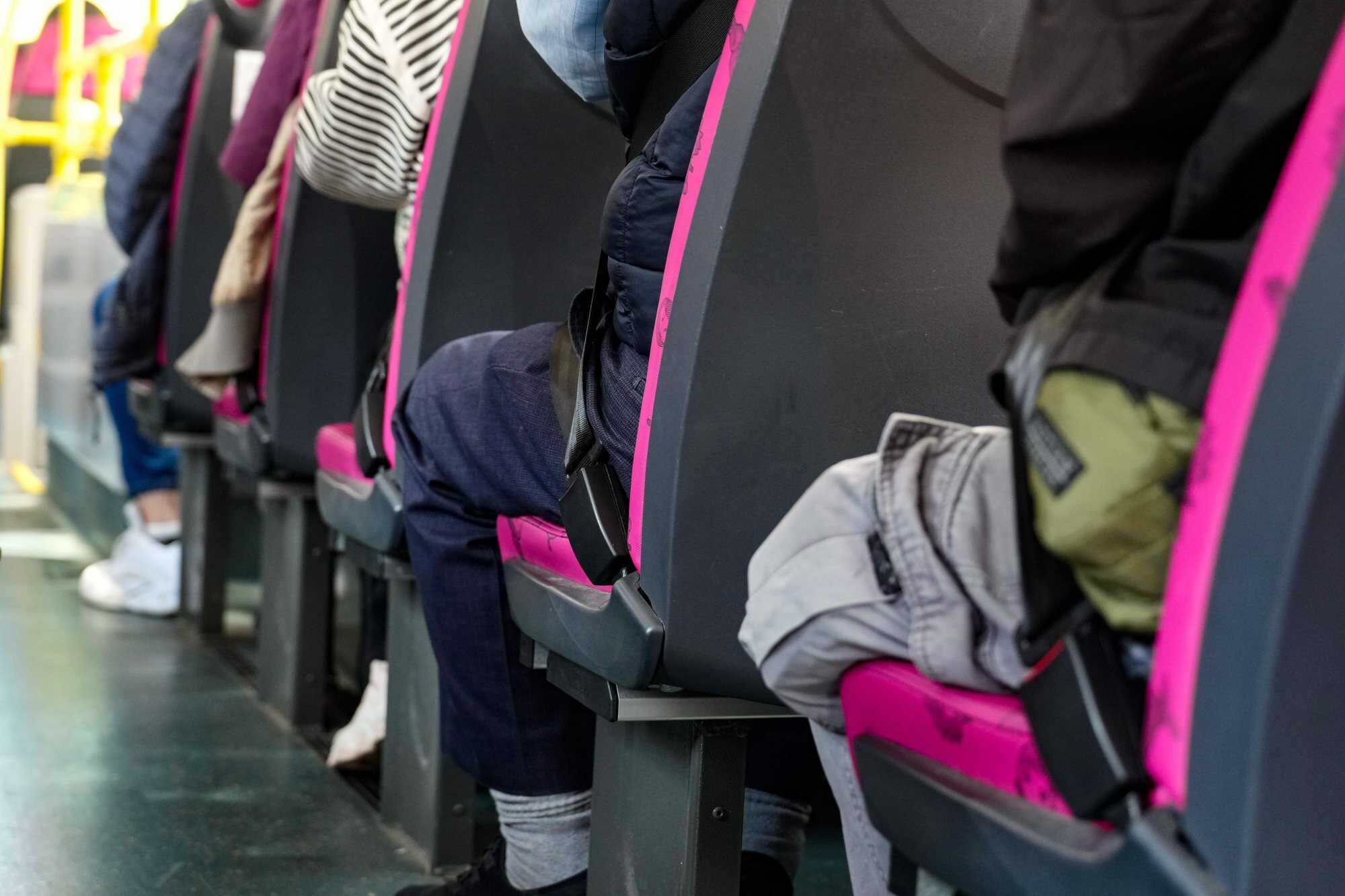
Did you know how many passengers on the buses in Hong Kong wear seat belts? A recent survey revealed that over 60 per cent of respondents never do.
Many advocates support seat belt use and argue that it can reduce injuries in the event of an accident. However, some oppose this policy because it is impossible to require all passengers on a bus to wear seat belts.
I think wearing a seat belt is a necessary measure, but it is also unrealistic to require all passengers to wear one and to punish those who violate the rule.
Still, seat belts should be worn because they can significantly reduce injuries in the event of an accident. One study found that in a potentially fatal traffic accident, the proper use of seat belts can increase passengers’ survival rate by 60 per cent.
However, it is not possible to require all passengers to wear seat belts. If police were to inspect a double-decker bus, those on the upper deck could quickly fasten their belts without having worn them the whole ride. Public education campaigns should be conducted to raise awareness about the importance of seat belts.
Better teachers, better results
Kannas Tam Lok-tung, St Paul’s Secondary School
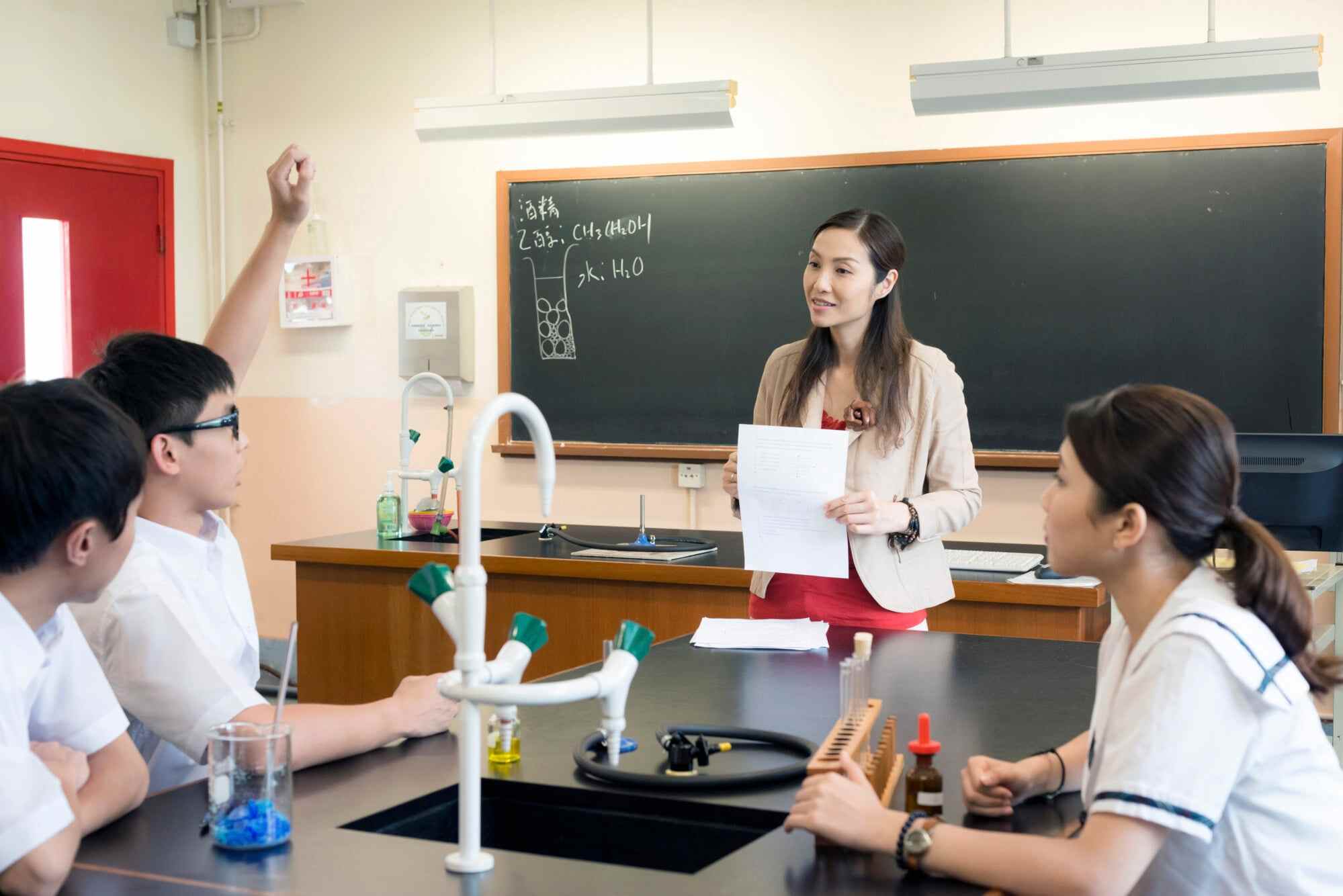
I recently saw a BBC podcast titled “Which country has the best education in the world?”, which really struck a chord with me.
It mentioned the Programme for International Student Assessment (PISA), which is used to measure how students in different countries perform in subjects such as science and mathematics.
To be comprehensive, the test currently includes a creativity component to assess students’ non-academic abilities.
Results showed that countries like Singapore and Estonia ranked at the top because of strong equality and teacher quality.
On the other hand, countries like the United Kingdom and the United States failed to perform well because of poor teacher quality, inequality and immense gaps in poverty and wealth.
Yet, the situation is not all doom and gloom; there is light at the end of the tunnel. By providing teacher training courses and requiring annual assessments of teacher performance, teaching quality can be improved.
It is also a good idea to hold exchange programmes between teachers from countries ranked at the top of the PISA test and those that did not perform well.
Students and AI
Elsa Lui Iek-tong, Pui Ching Middle School (Macau)
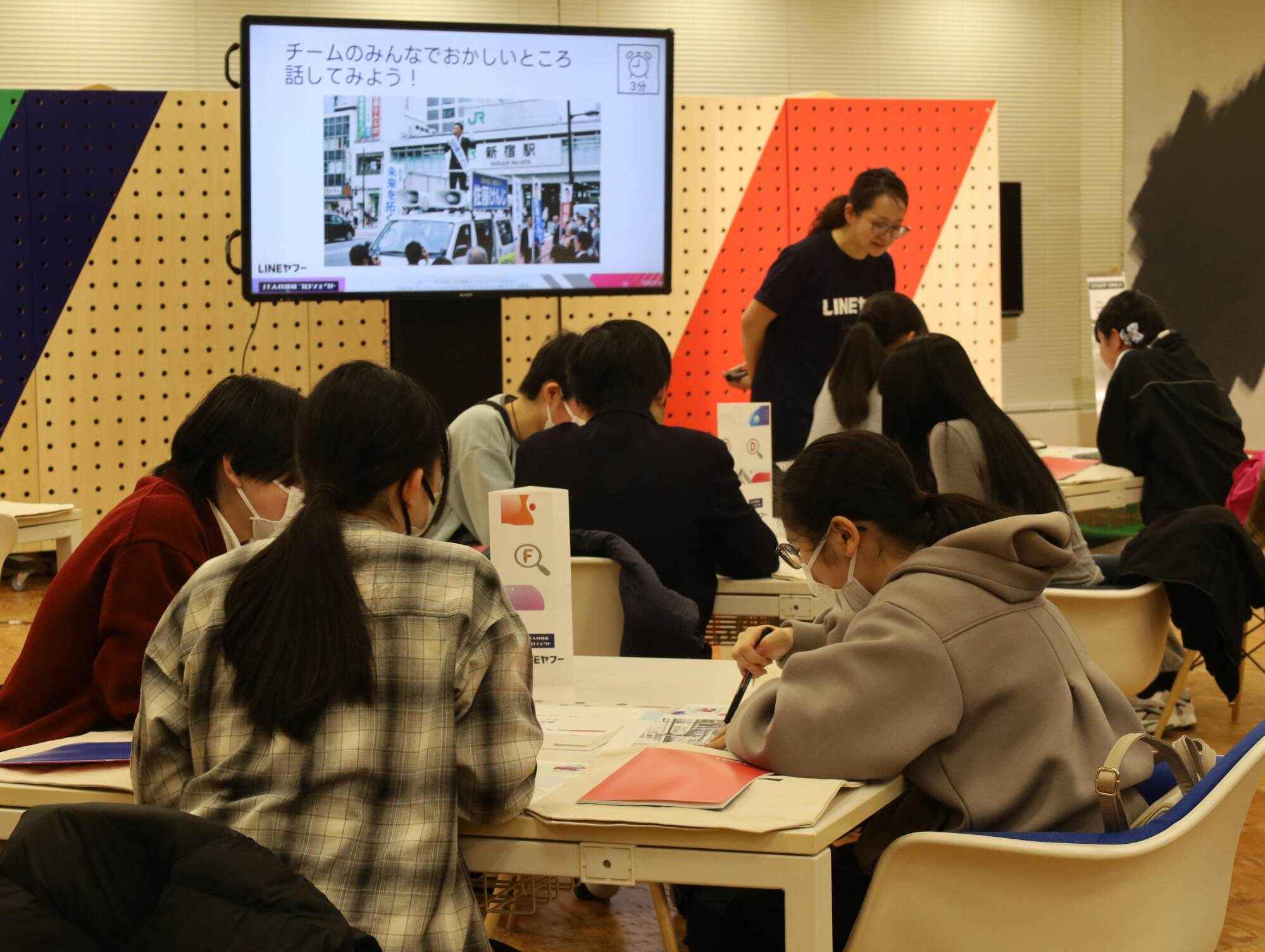
Artificial intelligence (AI) has become a staple of everyday conversation and is used in a wide variety of contexts. For many students, the most common uses include generating ideas, explaining complex concepts and summarising articles.
According to the “Student Generative AI Survey 2025” by the Higher Education Policy Institute (HEPI), the proportion of respondents who do not use generative AI for their assessments has plummeted from 47 per cent last year to just 12 per cent this year.
This raises the question: Should secondary students self-study with AI at home or continue attending school?
Chan Ka-in, a teacher specialising in AI and mathematics, noted the importance of traditional schooling in an interview: “What schools provide goes far beyond mere knowledge. They offer a supportive environment where students can learn to adapt to various social dynamics.”
While AI provides a personalised educational experience, it also has the potential to hinder the broader student experience. Schools must continuously improve and consider how the next generation will coexist with AI.