Have something to say? Send us a letter using this form.
Revisiting a classic tale
Praveen Sathappan Narayanan, Island School

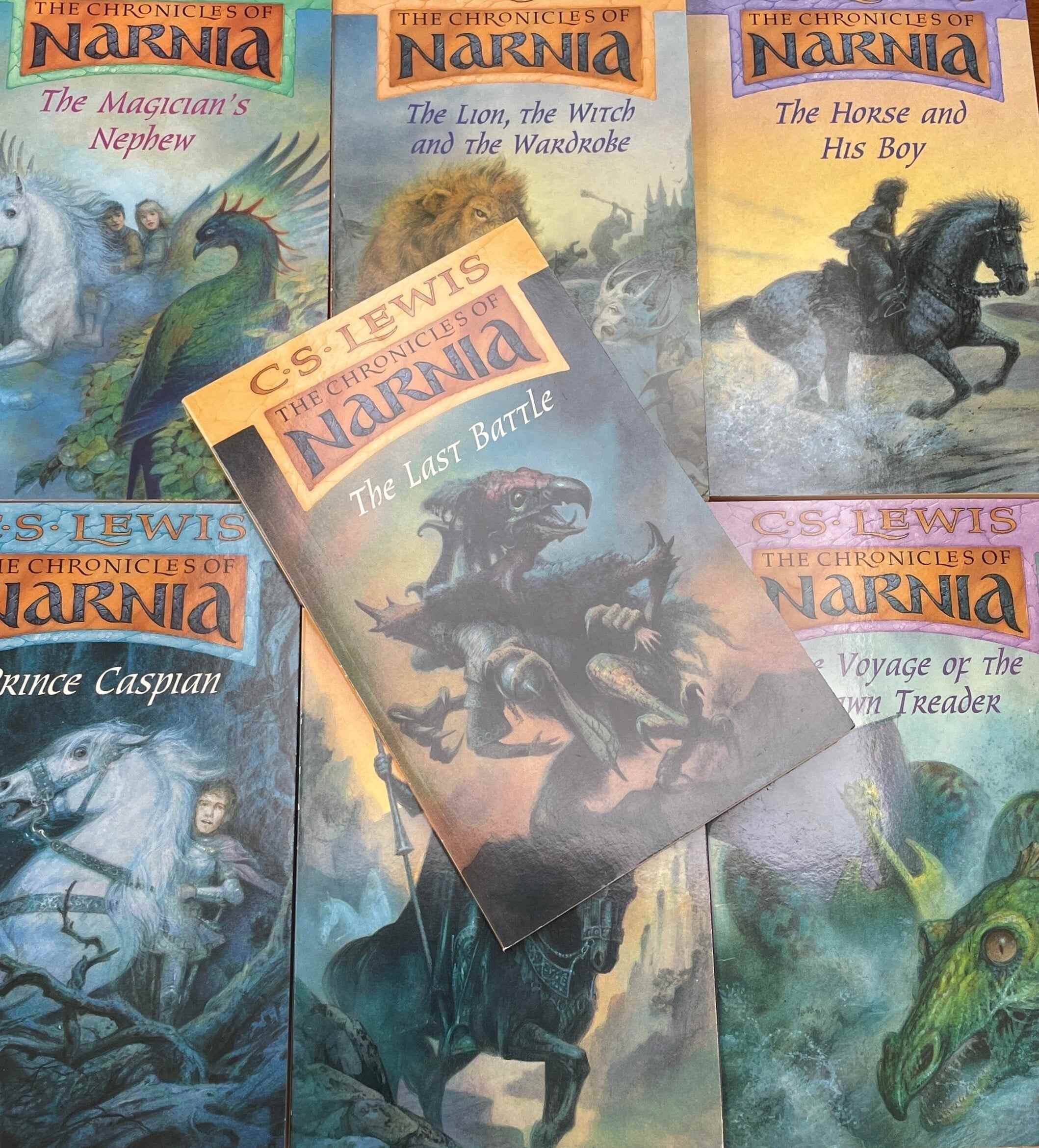
During the Easter break, I stumbled upon C.S. Lewis’s famous series The Chronicles of Narnia while browsing through the wide selection of books in my local library.
I picked up The Magician’s Nephew without much thought, but as I delved deeper, I was amazed by the themes Lewis explored, such as bravery, sacrifice and redemption. Although the book is the sixth in a series of seven, the events take place before the series’ most famous novel, The Lion, the Witch and the Wardrobe, which was also the first book published in the series.
The story begins with the friendship between newcomer Diggory Kirke and Polly Plummer, a long-time resident of the town. Bored by their sleepy neighbourhood, they decide to explore an abandoned house on the block through a secret passage Polly discovered.
Alas, they lose their way in the dark alley and stumble into Diggory’s uncle’s study. His uncle, Andrew, displays a pair of magic rings and tricks Polly into wearing one. Upon wearing the ring, Polly immediately disappears, leaving Diggory shocked.
Uncle Andrew then tells Diggory about his experiment with two rings: a yellow one that transports the bearer to another world, while a green ring brings them back. Not wanting to lose his friend, Diggory puts two green rings in his pocket, wears a yellow one, and rushes after Polly.
Soon, he finds himself in the woods, feeling a bit dazed. As he walks around, he finds Polly, and together they discover what I would say is one of Lewis’s best ideas: the Woods between the Worlds. It is a giant forest with multiple pools that serve as entrances to new worlds. While Polly wants to return to her world, Diggory feels the urge to explore and convinces her to jump into a pool.
They are transported to a new world called Charn, which appears to be a sad, desolate place with no people in sight. They walk into a magnificent castle and see many statues of kings and queens surrounding a bell. Diggory impulsively rings the bell, which awakens the queen – who we will come to know as the witch in later books.
Diggory and Polly, afraid of her imposing demeanour, put on their green rings and attempt to escape. Alas, the queen manages to leave with them, and they all end up in Andrew’s study. Uncle Andrew, besotted by her beauty, takes her on a tour around London. The queen quickly takes charge and starts making mayhem in the city.
The children, horrified, feel the urge to clean up the mess they made and wear the yellow rings while holding the queen and Uncle Andrew. They are sent to the Woods between the Worlds, where they stumble and stagger into a new world and find a lion singing. This is the famous Aslan that readers met in The Lion, the Witch and the Wardrobe. To see what happens next, read the story!
Even though Lewis’s books are over 70 years old, they still generate the same excitement and joy in readers as when they were first released.
Showing school pride
Ng Wing-nam, Munsang College

From the highest floor of the secondary school building, I watched as the sun shone radiantly on the emerald-coloured sports ground as heaps of people entered through the all-too-familiar red gate that had been in place for exactly 36,525 days.
Despite having witnessed the school’s changes for 14 years, it looked extra special at that moment.
After all, it had been 100 years.
One hundred years is the amount of time it takes for a seed to grow into an oak; 100 years is the amount of time it takes for Uranus to orbit the sun roughly 3.5 times; 100 years is also the amount of time that has passed since the establishment of the humble institution at Kai Tak Bund – Munsang College, which originally had only four teachers and 18 students.
Now no longer modest, the Munsang campus – boasting a kindergarten section, primary section and secondary section combined with top-notch facilities – welcomed people from all walks of life from March 7 to 8, 2026, from morning until night.
Excitedly, I went into the geography room and was greeted by whimsical decorations, friendly smiles and an array of games. Following my visit, I then went to the chemistry laboratory, which was packed with demonstrations and experiments. After looking around with my friends, as a student helper, I had to fulfil my main duty at the literature-themed English booth.
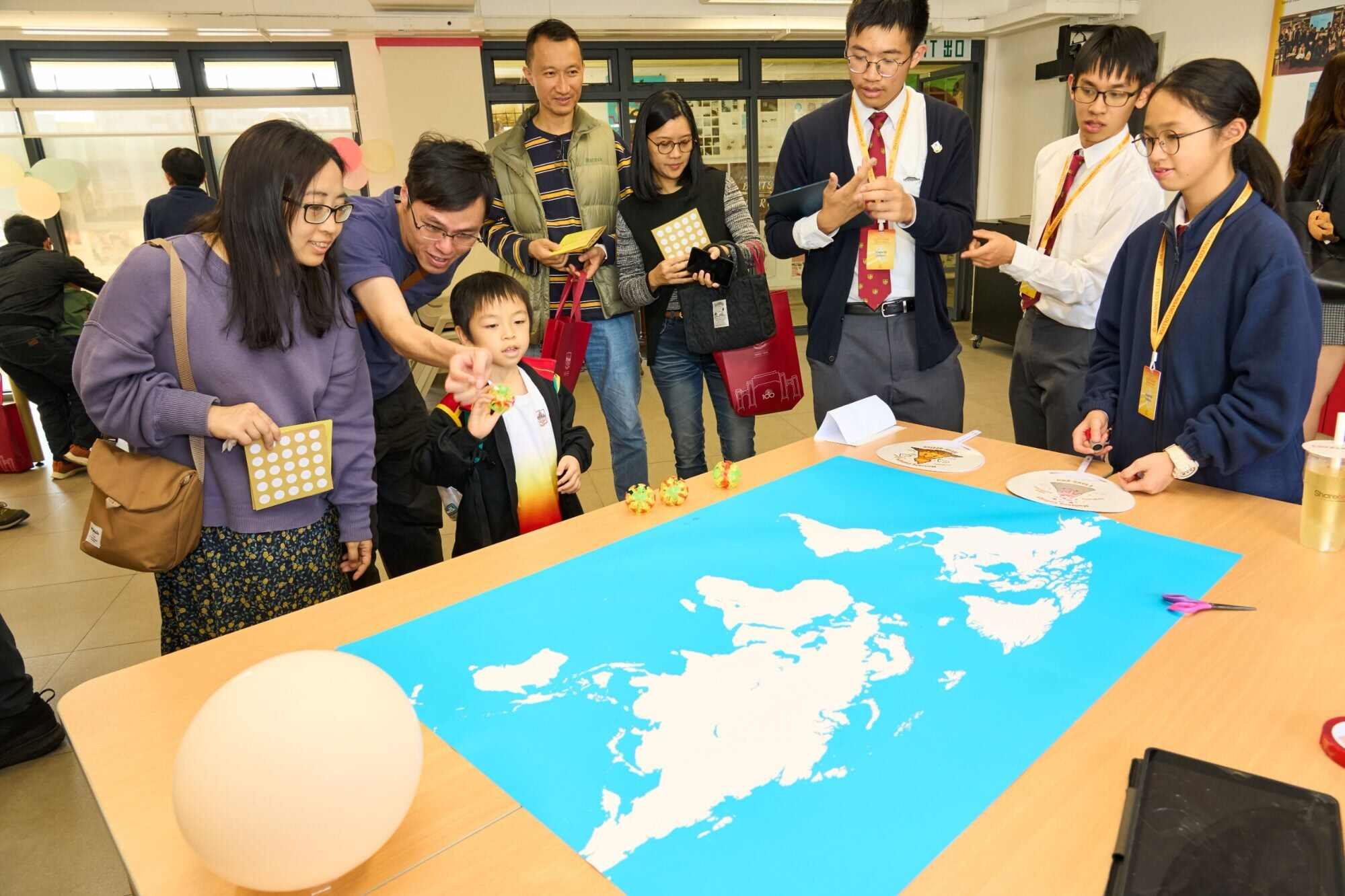
Throughout the two days, I switched between playing the role of a camerawoman, photo editor and email collector in the booth. It was exhausting, to say the least, but I felt immensely proud of my team’s efforts.
The sheer hustle and bustle of the Open Days didn’t end there. There were exhibits on different themes inside virtually every room. The sports ground was also dressed to the nines, filled with souvenir booths, gigantic displays and games. There were also performances by different music groups, offering wonderful opportunities to relax.
Looking back, the success of the Centenary Open Days could be attributed to the collective power of our individual efforts, from teachers fervently planning activities and guiding students to student helpers passionately executing them.
In those two days, I truly grasped how gratifying it could feel to work with a group. My exhaustion was immeasurable, but I had never felt more honoured leaving school. Words cannot express how touched I am that the place I call my second home has stood so proudly in Kowloon City for a century, and will continue to do so for centuries to come.