Have something to say? Send us a letter using this form.
Think carefully about AI music
Yoyo Lam Hei-yu, Pope Paul VI College
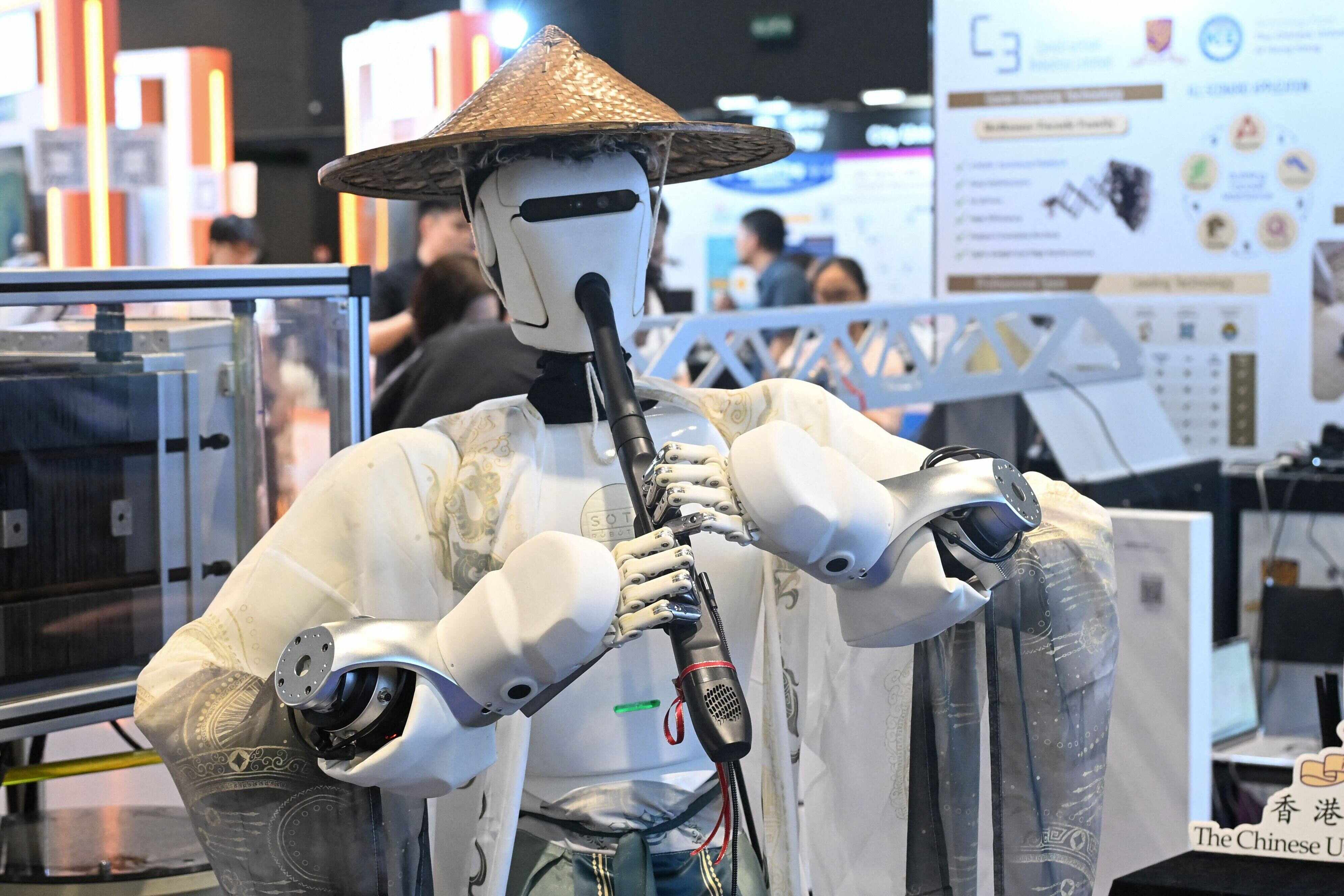
I am responding to the article “When it comes to regulating AI in music, China and US strike different chords” published in Young Post on March 18. As a student passionate about music, I feel strongly about songs made using artificial intelligence (AI).
There are several advantages. First, music creation is much faster and cheaper, which is helpful for young creators who cannot afford studio equipment. Second, AI can help musicians generate ideas and experiment with different styles.
But there are also serious disadvantages.
Many AI tools are trained on copyrighted songs without the original artists’ permission, which raises major ethical concerns. Also, AI can imitate feelings, but it cannot replace the genuine passion and stories that humans put in their work. If AI replaces human artists, many talented musicians might lose their careers.
In my opinion, AI music is a powerful tool, but it should not be allowed to replace human creativity. We need clear regulations about labelling AI-generated content. We should also protect artists’ rights. AI should assist musicians, not take away their opportunities. The future of music depends on how we handle this technology today.
Building towards an EV future
Angela Lau Tsz-ching, Lung Kong WFSL Lau Wong Fat Secondary School
A pressing issue for Hong Kong is its transition to electric vehicles (EVs). While high costs and a scarcity of charging stations are major obstacles, tackling these requires more synergy between policy and innovation.
To address this, the government should mandate EV building codes for all new developments. By ensuring every new parking space has at least a low-voltage trickle charger, we can shift to “charging while parked”, making EV ownership seamless.
There could be a tiered subsidy system for EV purchases based on efficiency and battery recycling. The government could also add areas in congested districts where only zero-emission vehicles are allowed during peak hours. These options would provide a powerful nudge for EV owners.
Ultimately, the environmental benefit of EVs depends on their power source. As we build more chargers, Hong Kong must invest in renewable energy integration.
By combining infrastructure mandates, innovative zoning and a commitment to clean energy, Hong Kong can transform from a fossil fuel city into a leader in sustainable mobility, which is essential for our air quality and future as a smart city.

When is war justified?
Grace Kung Sum-yan, Christian Alliance S.C. Chan Memorial College
In history lessons, students are taught that peace is the most important goal, but the reality of conflict forces us to consider times when force is the only way to stop a bigger disaster.
To start with, war is always a catastrophe. It causes the loss of innocent lives and destroys homes. Because the consequences are so terrible, war should be a last resort. Leaders must try every peaceful choice first, such as diplomacy and working with the UN.
But doing nothing can be more dangerous than taking action.
If a country is attacked, its people have the right to protect their land and their freedom. If a government fails to protect its citizens or hurts them on purpose, the international community has a responsibility to step in. In these cases, military action is necessary for safety. Standing up to injustice might be the only way to achieve peace.
But even if a war starts for a good reason, it must follow strict rules. Attacks must distinguish between soldiers and civilians. They have a duty to never target schools, hospitals and homes. The countries that choose to intervene must have honest intentions, aiming only for a lasting peace rather than seeking political or economic gain.

Teens can learn on social media
Sissy Yu, Tai Kwong Hilary College
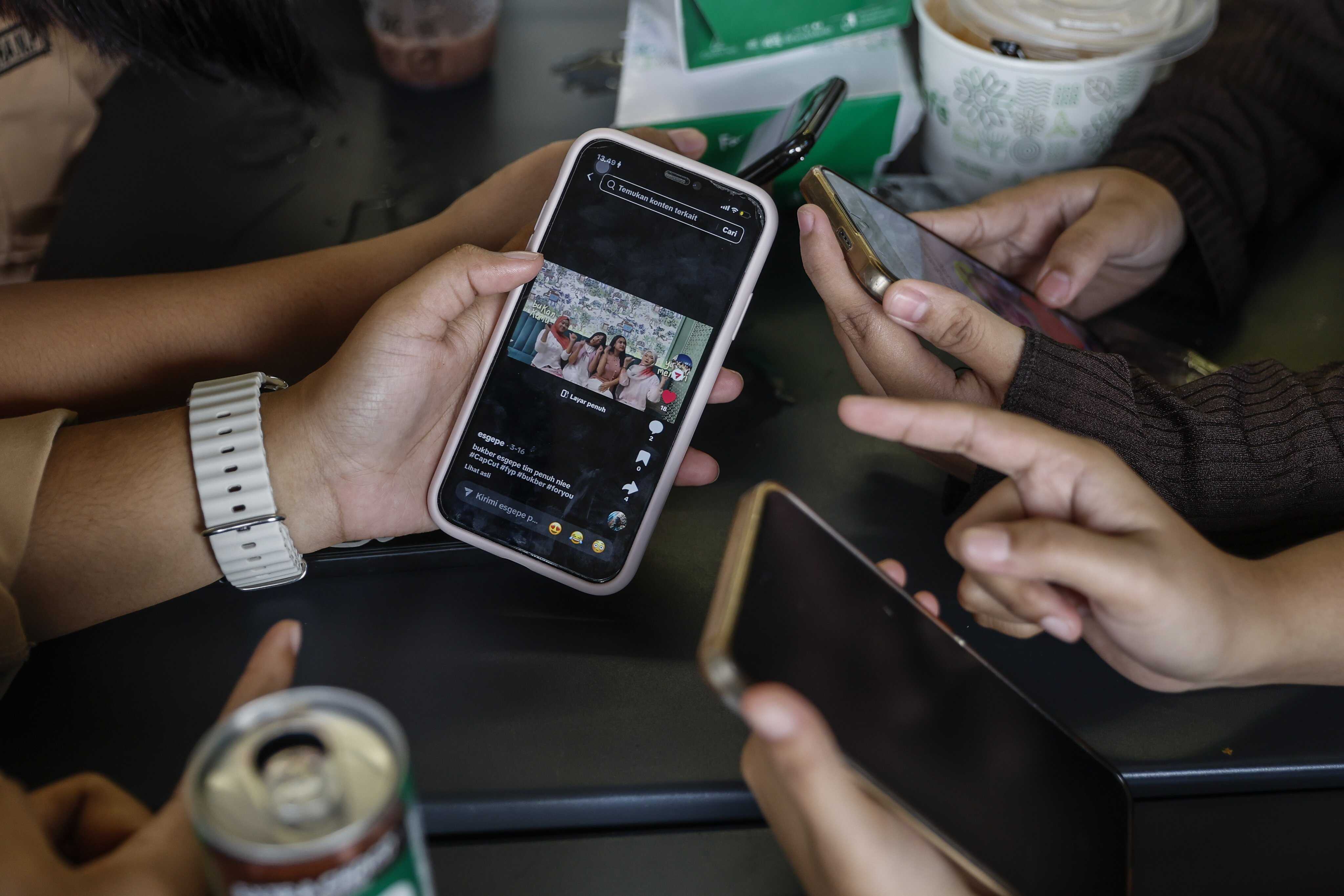
I believe it is important for teenagers to use social media. If teens do not use social media, they will have fewer topics to talk about with their classmates and be excluded from the latest trends and updates. They will then feel isolated at school.
Social media can enrich students’ knowledge because they can find information online to help them with their studies. Students can check the internet and social media to read the news, which helps them understand what is happening in the world.
As long as students are not addicted to social media, then the internet can benefit them and enhance their learning.
But for students who do not have self-control, the internet will be bad for them. In this regard, social media may pose a threat to their physical health and steer them away from learning. For those who have difficulty controlling how much time they spend on social media, rules should be imposed on them.
However, using tech to improve learning is essential in this modern world. Students should be allowed to engage in active learning on social media instead of being confined and restricted to learning through traditional methods like textbooks and essays.