Have something to say? Send us a letter using this form.
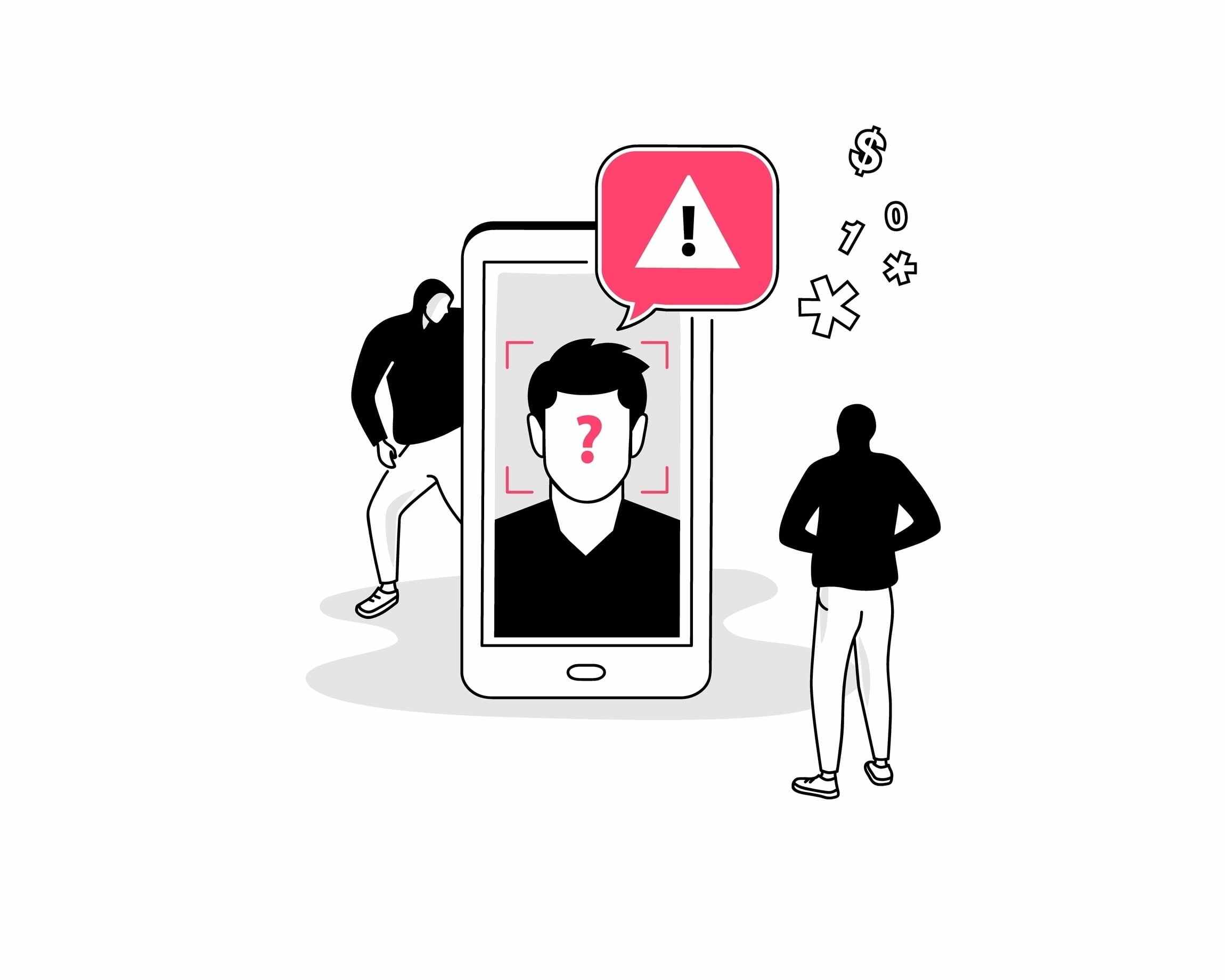
Dangers of deepfakes
Yin Chen, Lung Kong WFSL Lau Wong Fat Secondary School
Many people use AI to swap faces, change voices, or make funny clips for entertainment. At first glance, this technology allows us to create funny videos, imagine ourselves in movies, or make lighthearted content for fun. For teenagers who love sharing videos online, this seems like just another harmless trend.
However, I believe deepfakes are much more dangerous than most young people think, as they blur the line between reality and fiction.
Deepfakes can make people appear to say or do things they never did. False videos can spread quickly on social media, damage a person’s reputation or spread dangerous fake news. Worse, some people use deepfakes to cheat, blackmail or bully others.
As a teenager, I think we must be more careful. We should not believe every video we see; instead, we must check the source before sharing anything. We must also refrain from using deepfakes to mock or harm others, as digital ethics are crucial.
Furthermore, our own faces and photos could be misused by strangers, so we should think twice before posting personal content.
Technology itself is not good or bad; it’s how we use it that matters. We must stay respectful and responsible online.
Joy of sharing a meal
Anthea Shi Yaran, St Francis’ Canossian College
Many of us eat lunch at school every day, but the canteen or lunchbox meals can get boring. That’s why some students bring their own lunch. Sometimes, though, the portions are too big to finish alone. Instead of wasting food, why not share it with friends?
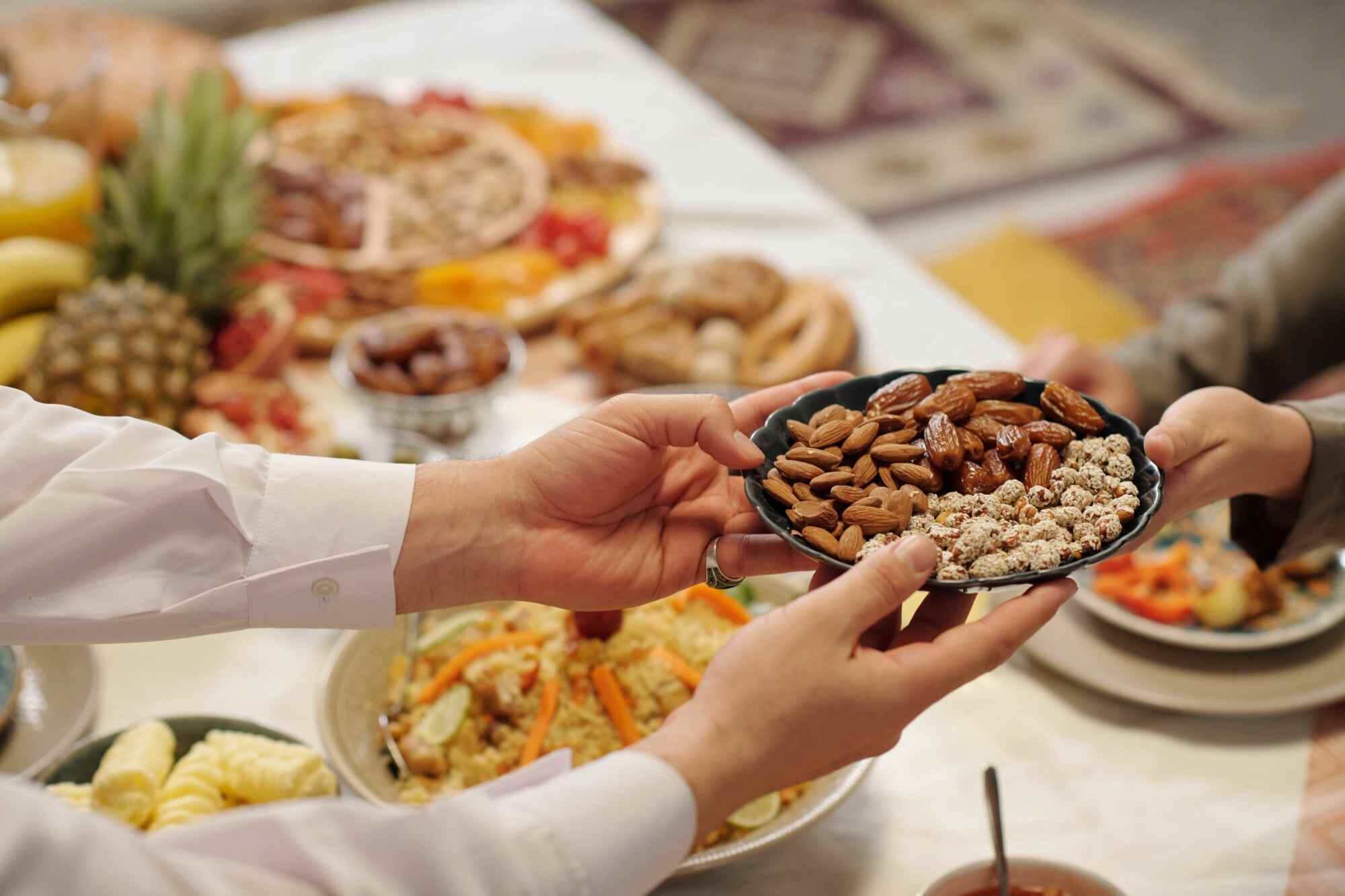
Sharing lunch isn’t just about avoiding waste. It’s a chance to taste different dishes and make lunchtime more fun and varied.
Eating together and trying each other’s food can turn a meal into a social highlight. It also helps build closer friendships through simple, daily kindness.
Take my friend Constance, for example. She often brings delicious meals but rarely finishes them. When I help by sharing some, she’s thankful, and we both enjoy lunch more. This small habit has made us better friends.
I encourage every student to try sharing once in a while. It makes lunch more enjoyable, reduces food waste and strengthens our school community.
Prioritise the environment
Xenia So Sze-ching, Pope Paul VI College
In a developing city, land reclamation is needed to ensure every resident has a comfortable place to live. However, adorable animals, such as birds or monkeys, will lose their habitats, leading to a struggle for survival. This is why we must protect green areas.
One reason to protect nature is that it can provide a place for us to relax. Living in a busy city, we always feel pressured to work. The best way for us to escape from it is to be around trees or plants, which can help us feel calmer.
I suggest that the government focus on minimising environmental damage so that wildlife can still live peacefully. For example, when a housing project is near a forest, developers can install fencing to protect the trees.
Another useful method is using green infrastructure and technology. Gardens can be built on the roofs of buildings so that animals can rest there. These gardens can be watered naturally by the rain. Solar panels can also be used to reduce electricity use while making use of renewable energy.
It is important for the government and citizens alike to protect nature. Protecting the environment should be prioritised over urban development.
Need for homework cap
Heloise Wong Kwok-ching, St Paul’s Secondary School
As a Form Four student in Hong Kong, I have experienced the “mountain of worksheets” that often keeps us awake until midnight.
While I understand the intentions behind these assignments, I strongly believe that a mandatory cap on homework is necessary to protect student well-being.
Excessive homework leads to diminishing returns. When we are exhausted, we stop learning and start “drilling” just to finish. This creates a culture of stress rather than a love for learning.
Many of my classmates feel guilty if they take even a 30-minute break to exercise or spend time with family.
A homework cap would provide a clear boundary, ensuring we get the nine hours of sleep our adolescent brains need to function effectively.
There must also be a shift in our educational values. We should move away from rote learning and towards the “quality over quantity” approach suggested by the Education Bureau.
Teachers should be encouraged to assign graded exercises that cater to diverse learning needs, rather than giving every student the same repetitive tasks.