Have something to say? Send us a letter using this form.
Hong Kong’s housing crisis
Marcus Leung Kin-yat, Pui Kiu College
I am writing in response to “Your Voice: Hong Kong’s housing crisis, lessons from past wars (short letters)”.
I agree with Chan Ho-him that Hong Kong must solve the housing crisis by addressing the causes rather than offering quick but inefficient relief. Many families live in subdivided flats with poor hygiene, little privacy and high rent, which affects their dignity and quality of life.
Because land is limited, developing rural areas into well-planned hubs like the Northern Metropolis and Kwu Tung North can ease pressure – if these projects include transport, schools, clinics, parks and job opportunities, so they are not just “bedroom” towns. The government should use technology to plan land use and predict demand, and online platforms can improve transparency.
Modern construction methods, such as modular construction and smart design, can build homes faster, more safely, and more efficiently without lowering standards. The crisis won’t be fixed overnight, but with careful planning and a heart to move forward, solving the problem would not be so hard.
Dynamite dino exhibition
Asher Hong, Kowloon Junior School
I recently visited the “Quest on Port Island” dinosaur exhibition at the Hong Kong Heritage Discovery Centre in Kowloon Park.
The guide took me through the exhibition and told me the story of dinosaurs. In 2024, palaeontologists found bones on Hong Kong’s Port Island.
Port Island is a remote island without a pier, surrounded by rocky coral reefs. Here, palaeontologists unearthed 30 rocks containing dinosaur bone fossils, but they haven’t identified the type of dinosaur yet. They are the first fossils found in the city.
I would highly recommend visiting the exhibit, which has free admission. Joining a guided tour is a good choice because the guide can tell you the story of dinosaurs. I am looking forward to visiting the next exhibition because I want to learn what type of dinosaur it was and how they put the fossils together.
Improving teen mental health
Lau Wai-yan, Tak Nga Secondary School
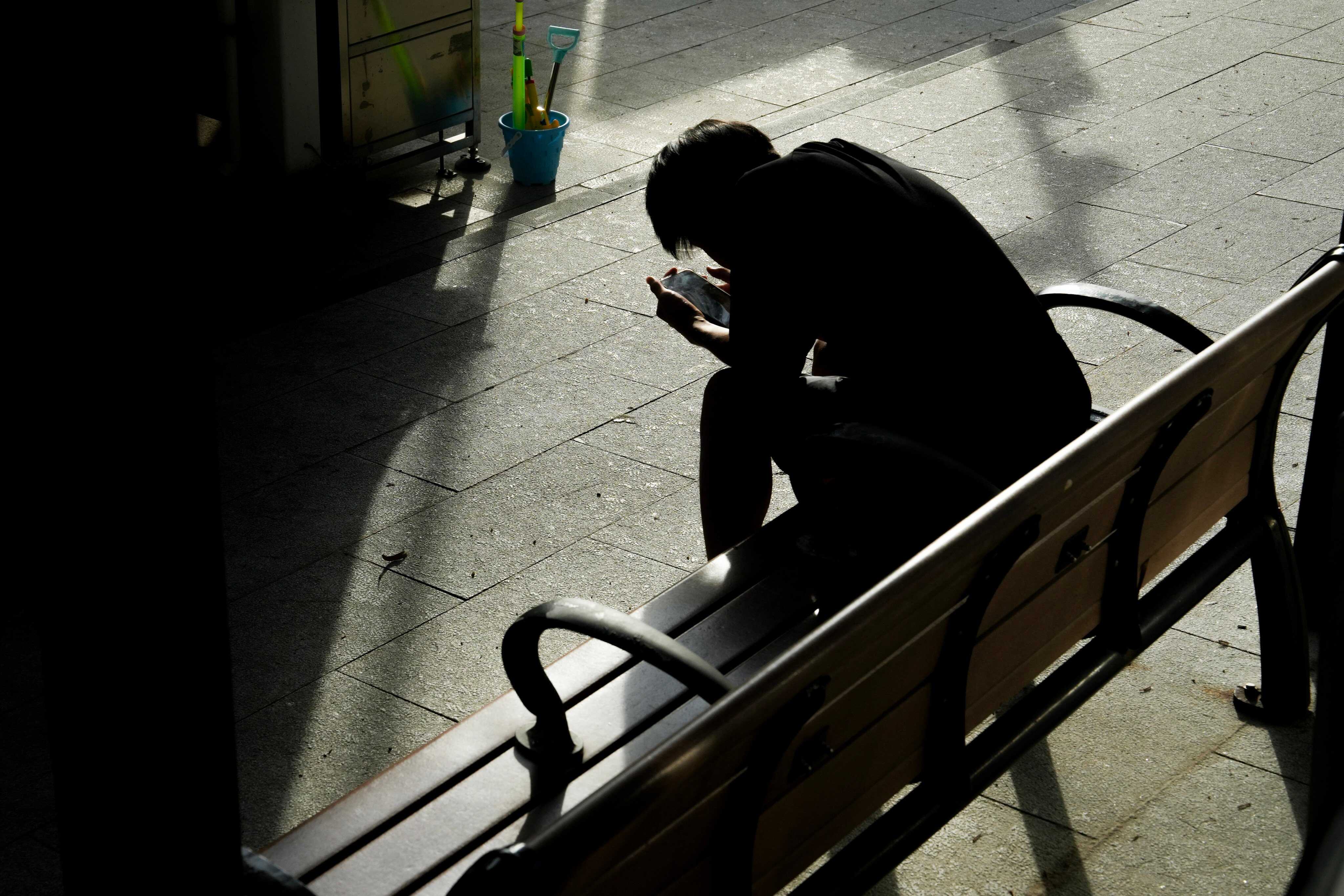
Many teens in Hong Kong feel stressed, anxious and sad. Some even think about hurting themselves. This is a serious issue that we must face now.
There are clear reasons for these problems. First, the pressure at school is very high. Students study long hours every day for exams. They often have tuition classes after school and little time to rest or play.
Second, parents often expect top grades so their children can find good jobs. This creates heavy expectations.
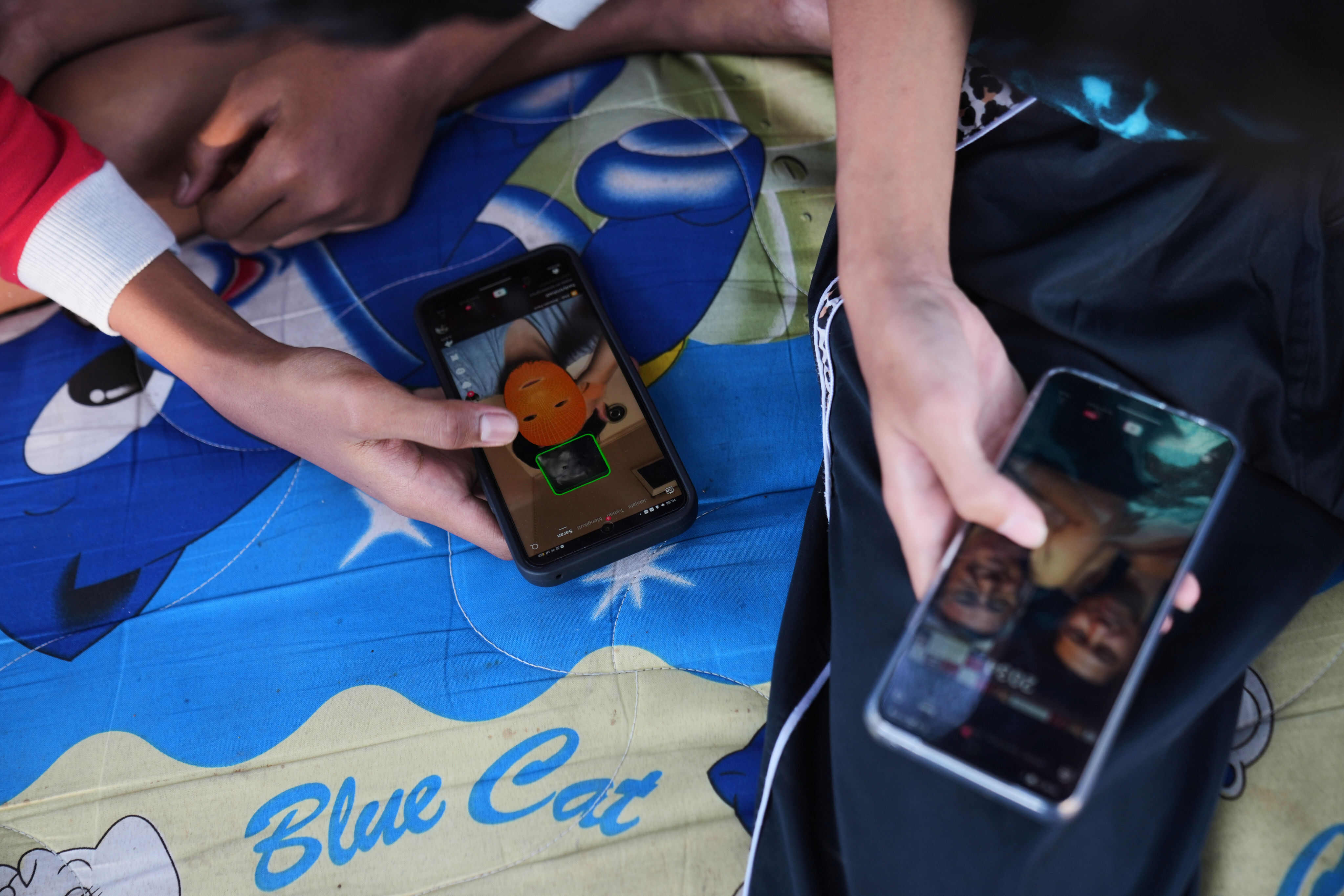
Third, social media makes things worse. Teens compare their lives to others’ online and feel they are not good enough.
Finally, after Covid-19, many teens lost social skills and feel lonely.
We need to act quickly to help our young people. Schools should reduce homework and allow more time for sports and the arts. Teachers can teach simple ways to manage stress, like breathing exercises or talking about feelings.
Parents should also listen to their children more instead of only asking about marks.
A healthy mind is more important than perfect exam results. Let us work together to build a kinder Hong Kong for our children.
Examining AI music
Chen Siqi, Pope Paul VI College
I am writing to express my opinion on music created by artificial intelligence (AI).
One advantage of using AI is that it can give musicians ideas and help them create new music.
Many AI tools are free to use, so people can access them when they need help.
They are also extremely efficient; they can generate melodies and arrangements quickly, which can save a lot of time. This makes them especially suitable for short videos and video game soundtracks.
However, there are some disadvantages to AI-generated music. People may rely on it, and when AI creates a lot of music, it loses the creativity, originality and beauty of art. It lacks emotion and soul, since it is generated by algorithms.
I think AI-generated music is bad because it may infringe on the rights of the original creators.
It also lacks human emotion, making it cold and soulless, and threatens job opportunities for professional musicians.