Have something to say? Send us a letter using this form.
The future we want to live in is now
Evelyn Chan, Po Leung Kuk Choi Kai Yau School
Evelyn Chan won a creative writing competition organised by Seva Charity and Issia HK. Below is her piece on the theme “The future is now” that has been edited for clarity.
Thrust into the bottom drawer were stickers I had painstakingly saved as a child, hoping for the right time to plaster them on my notebooks.
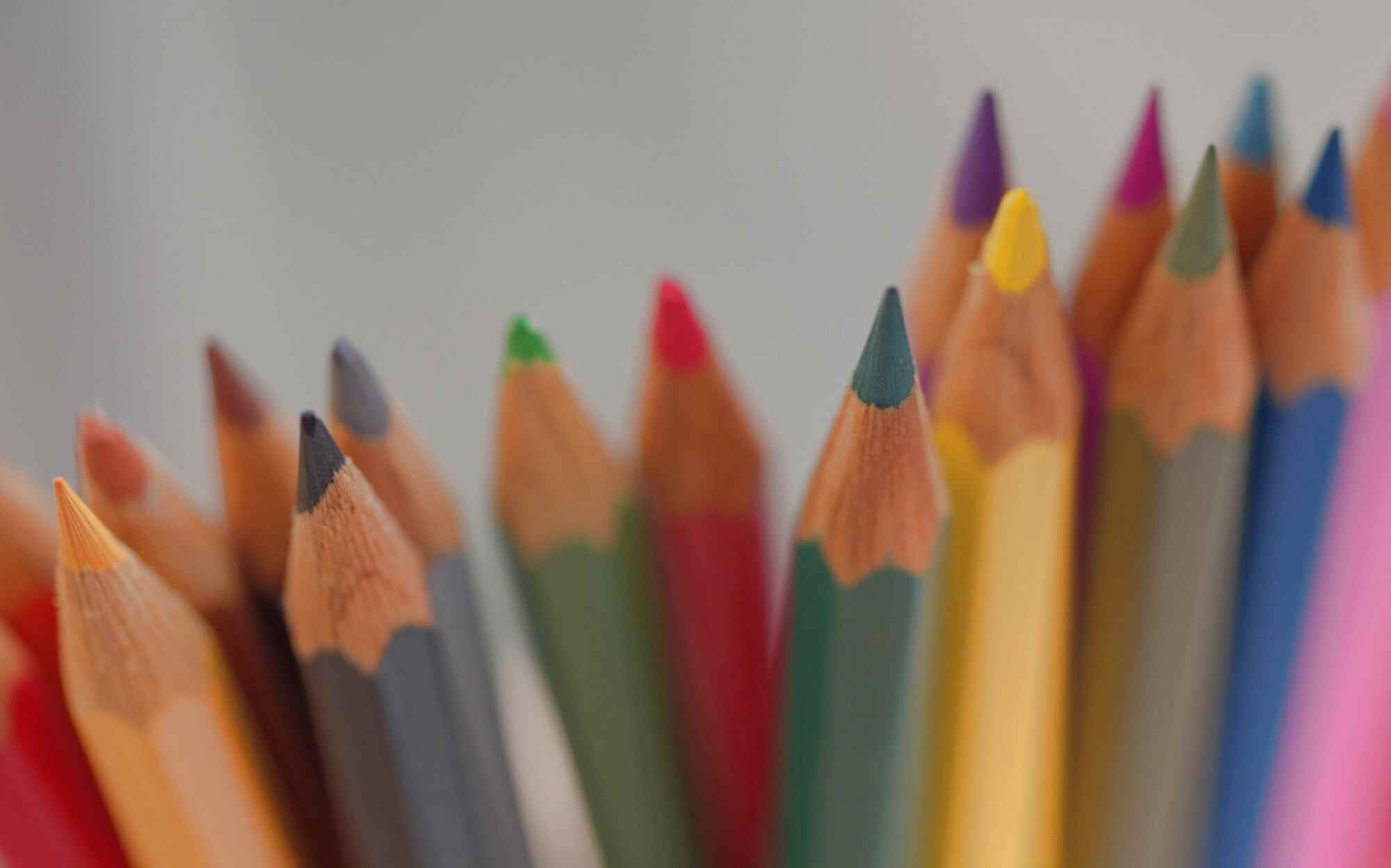
There were also artisan drawing pencils – colour-coded – the ones I begged my mother for when I was sixteen, basking in the dust of an abyss of the forgotten. And satiny-silk ribbons I had meticulously folded in the box they came in, wishing for the day I felt desirable enough to adorn my hair with them.
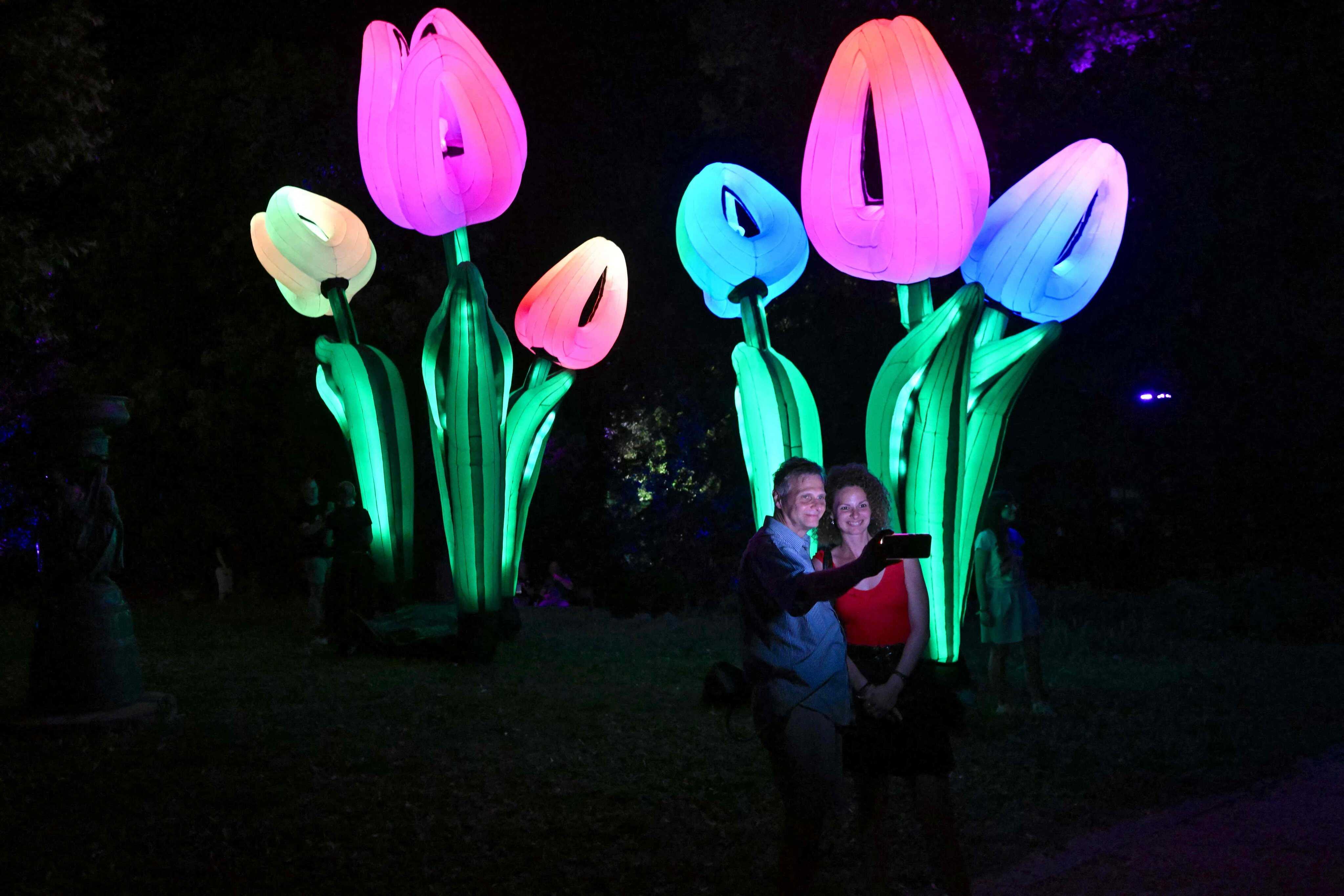
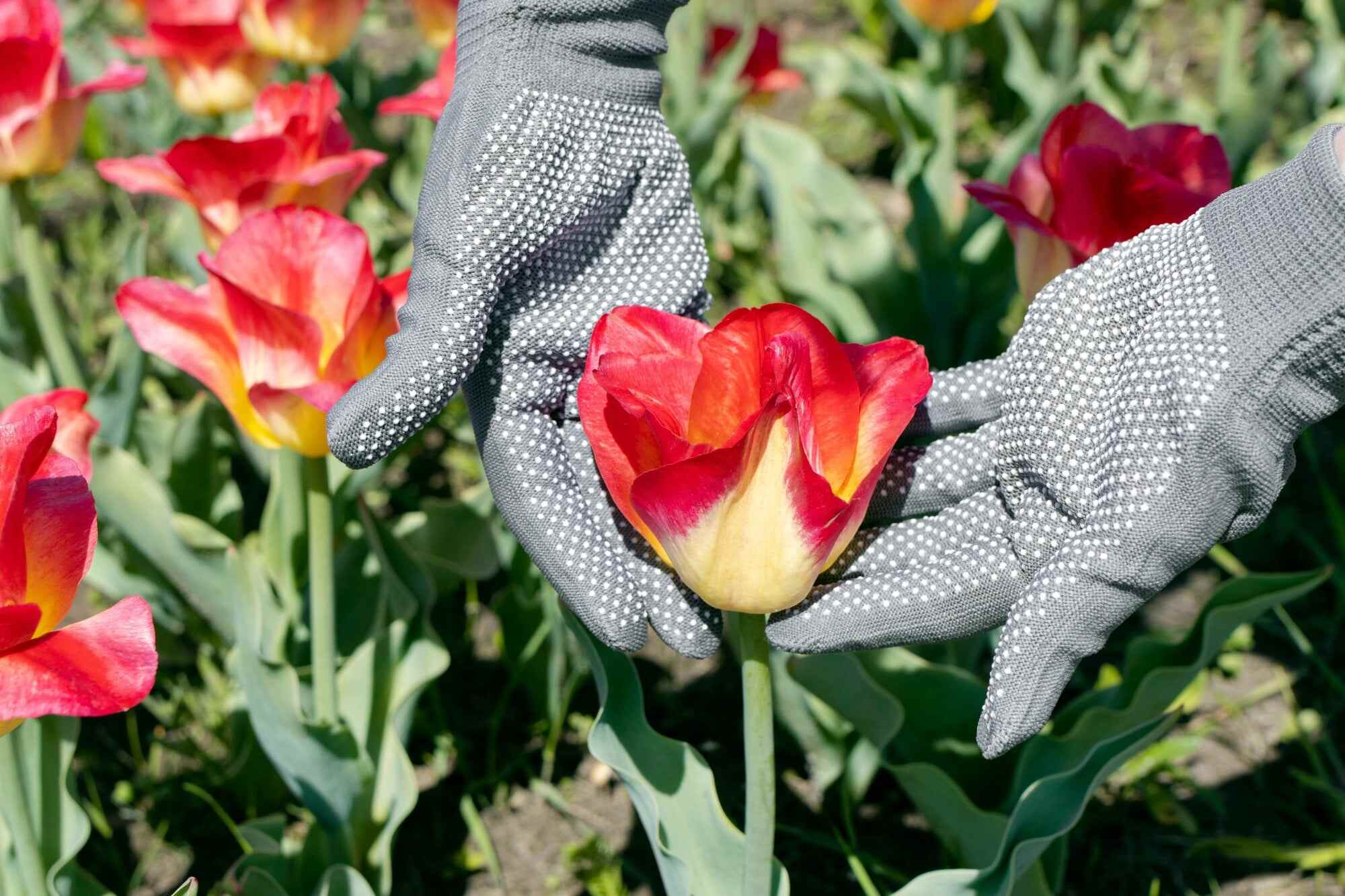
I have something new to add to my collection. Vermilion tulips sprawl over the mahogany desktop. They bloom vivaciously, and I admire them from afar, revelling in their grandeur, glory, and splendour. Time is a cruel creature, bearing life to beauty and returning to collect its debt.
As the tulips drink up the last bits of sunlight to quench their thirst, the unbecoming begins. The sun promises its warmth, guidance, and blinding brightness that consumes the mind and soul. The tulips tilt their ravenous heads; they crave the warmth even if they wilt beneath its gaze.
Eventually, desire overrides them; the petals curl at the ends like scorched parchment. One by one, they lose their grip on its shrivelling core, until nothing is left of the ghost of the blossoms they once were.
Beauty is a lease borrowed from nature that must always be returned. Beauty cannot circumvent the clutches of Death, nor can it escape from it unscathed. Beauty is not immune to the consequences of its glory.
Those favourite stickers of mine will curl at the edges before they touch the surface of a page. The colouring pencils I poured my blood, sweat and tears into saving up for remain untouched, monuments to a talent never used. The ribbons I conserved? Limply caked in dust, a tributary in the river of my memories.
Those friendship bracelets will fray and loosen, the expensive perfume I wait for the right time to use will sour, and the pomegranates will rot and shrivel if uneaten.
That is what we are afraid of: in fearing the conclusion to our joy, we refuse to savour it at all. We postpone things we adore and love because we fear that if we surrender to desire, we lose that novelty to the thief of time.
Yet like it or not, the countdown is running, and every second saved is closer to its spoilage. So I will learn to savour the way tulips drink up every last sip of sunshine, knowing they are to be scorched in the process. There is beauty in living for the things you love, there is sweetness in something you know is going to end, and there is passion in knowing what it means to live. The future we want to live in is now.
Reflecting on Hong Kong and India
Keerthana Karthik, King George V School
How can two places be so similar yet different? As an 11-year-old girl in my first year of secondary school, I often think about how the things I do here in Hong Kong are so similar to what I do in India. But not everything is similar; there are some things I truly miss from my holidays in India. My mind moves between Hong Kong and India.
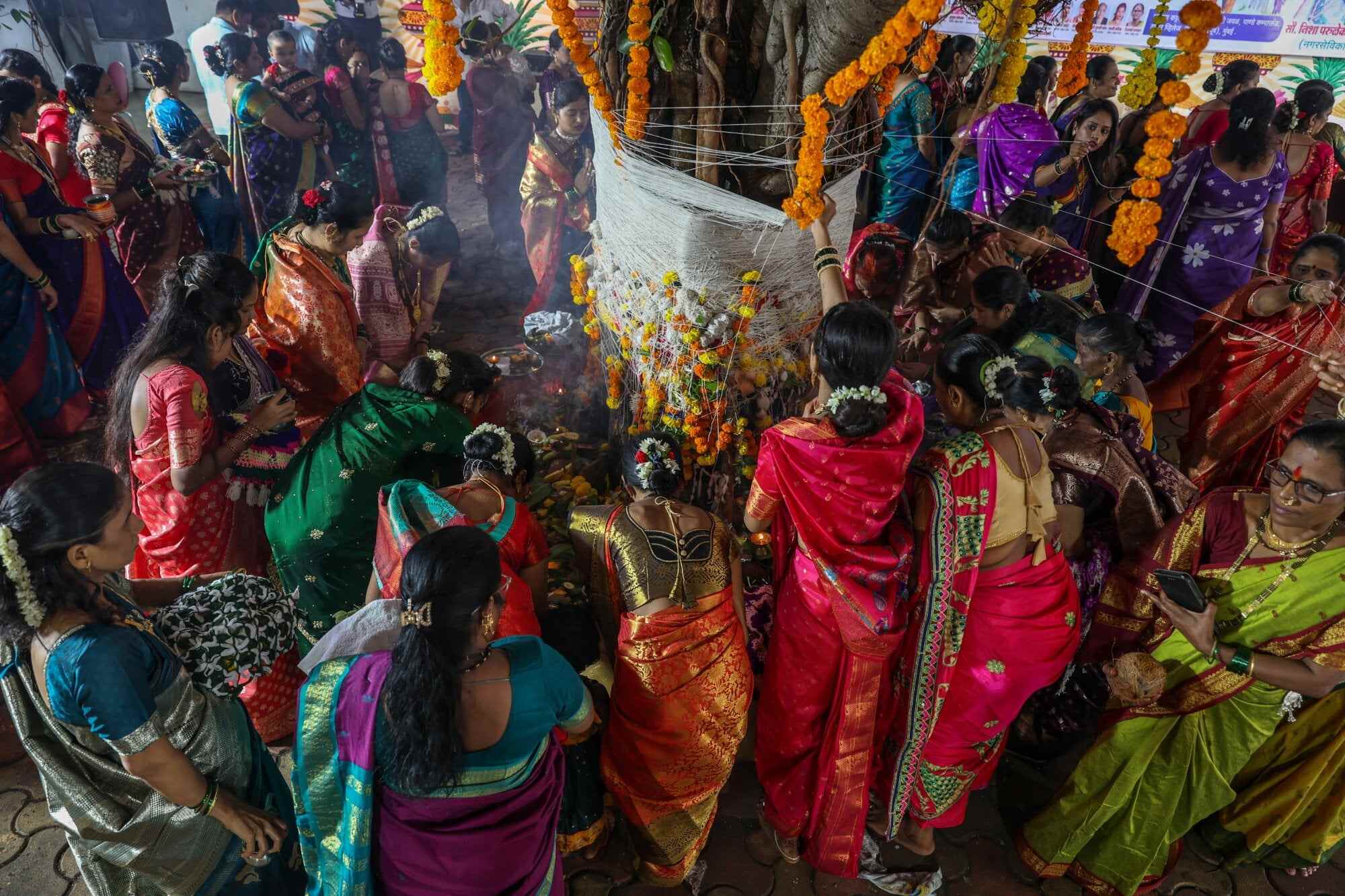
I find myself comparing the vibrant street markets of Hong Kong, bustling with life and colour, to the lively bazaars of India, each offering a unique blend of sounds, smells and sights. Both have their own rhythm, a heartbeat that pulses through the streets, yet they tell different stories.
In Hong Kong, I savour dim sum with its delicate flavours, while in India, I crave the rich spices of a home-made curry. Both places showcase cuisines that are a testament to the rich history and creativity of their people, and I cherish the opportunity to experience them.
The language, too, reflects the diversity and history of each place. In Hong Kong, the melodic tones of Cantonese fill the air, while in India, the multitude of languages and dialects creates a beautiful tapestry of communication. Each word, each phrase, connects me to the people and the culture in a way that is both familiar and exotic.
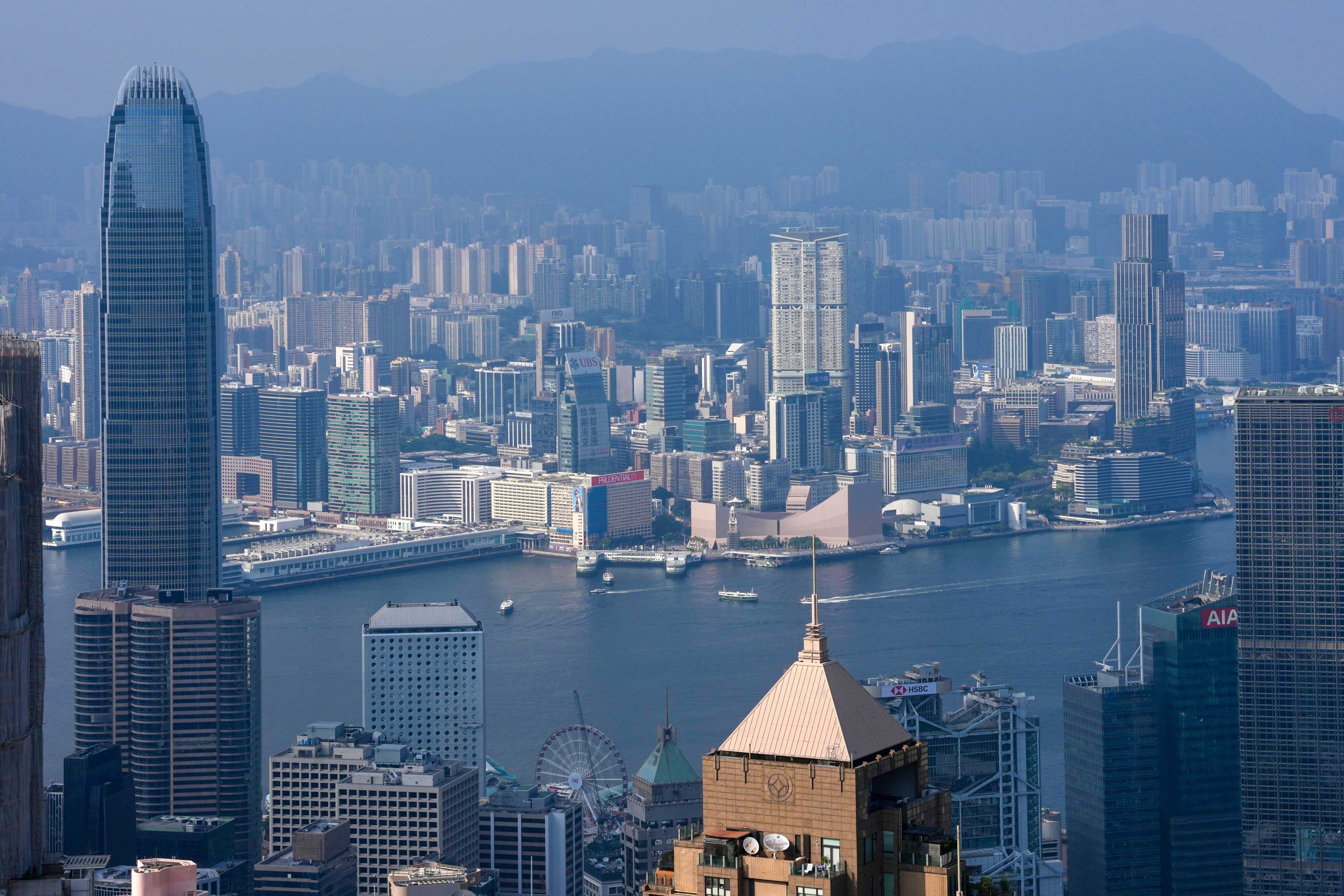
As I navigate daily life, I am constantly reminded of the unique blend of tradition and modernity in both places. The skyscrapers of Hong Kong rise alongside ancient temples, just as in India, where modern cities coexist with historical monuments. It is a dance between the past and the present, a balancing act that is both delicate and exhilarating.
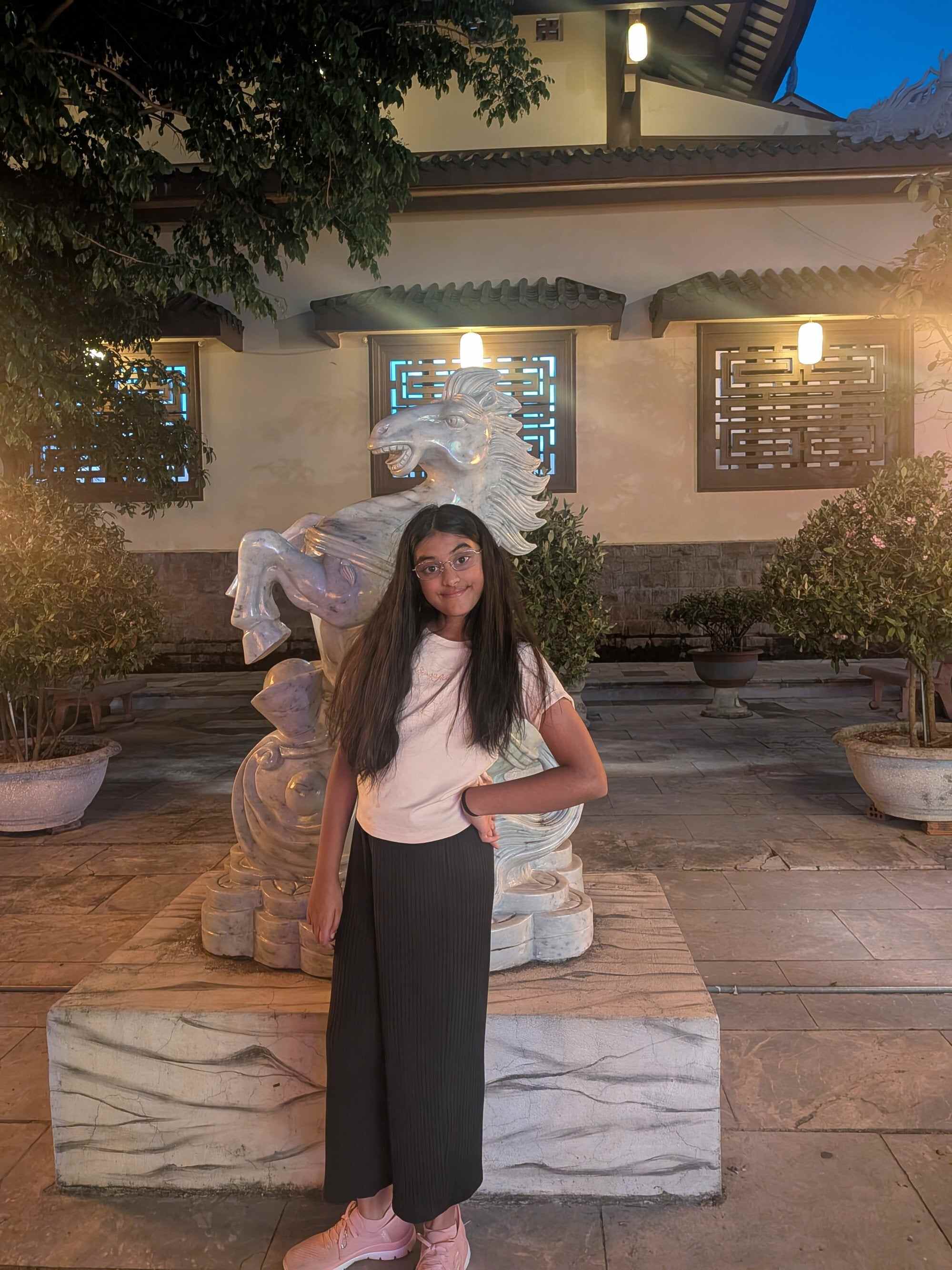
In Hong Kong, my train calls at Tsim Sha Tsui, Yau Ma Tei, Tung Chung, and Jordan, but I also think about the sleeper trains between Chennai and Coimbatore. The lush green life of India is compared to the busy surroundings in Hong Kong.
But my favourite part of India is how much love there is for each other. A person not related to you, or maybe one of your neighbours, is your sister or brother. When parents are away, someone in the village tends to your needs. In Hong Kong, everyone fends for themselves, focusing on their needs, but they show sympathy. In India, you can expect empathy from everyone in your hometown.
Although Hong Kong may not show as much empathy as India, I would like to take a moment and acknowledge the huge amount of diverse cultures it showcases. My school King George V never fails to celebrate Diwali every year.
In Hong Kong, we can’t set off firecrackers to illuminate the sky, but we can host a Diwali assembly with many Indian students showcasing performances. On Chinese New Year, we have a lion dance with talented performers.
Hong Kong also has its traditional opera with martial arts and intricate and detailed make-up. The same amount of work is put into Kathakali, an Indian classical dance showcasing exaggerated facial expressions and hand gestures. Kathakali make-up also amazes me; our performers put a lot of work into performing.
I am ever so proud to live and see what makes each of these places special. In moments of quiet reflection, I feel blessed to have such a rich cultural tapestry to draw from. Each day is an opportunity to learn, to grow, and to appreciate the beauty of the world around me. Whether I am in Hong Kong or India, I carry with me the lessons and the love from both places.
Crushing defeat for South Korea
Cherish Chiu Cheuk-wing, Leung Shek Chee College
As the referee’s blast cut through the stadium, Son Heung-min collapsed to his knees, folding as if the weight of an entire nation had finally crushed him. Around him, teammates buried their faces in the turf, veterans stared blankly into the distance, and the coaching staff stood frozen – their dreams of reaching the expanded Round of 32 dissolving in the humid evening air.
The cameras zoomed in on the 34-year-old captain. His cheeks were blotched and swollen, tears overflowing as he pressed his gloved fingers hard against his eyes. Four years is an eternity in football, especially for a winger whose game relies on explosive pace. He knew that this was likely his final Fifa World Cup stage. The thought that he might never again lead his country out for the anthem was a grief deeper than any single defeat.
South Korea’s group-stage campaign told a story of fragility: one hard-fought victory sandwiched between two devastating losses. In the second defeat, they had dominated possession, rattled the woodwork twice, yet conceded an 89th-minute goal from a set-piece – a single lapse that proved fatal. Finishing third, they became prisoners of the new 48-team format’s complex permutations.
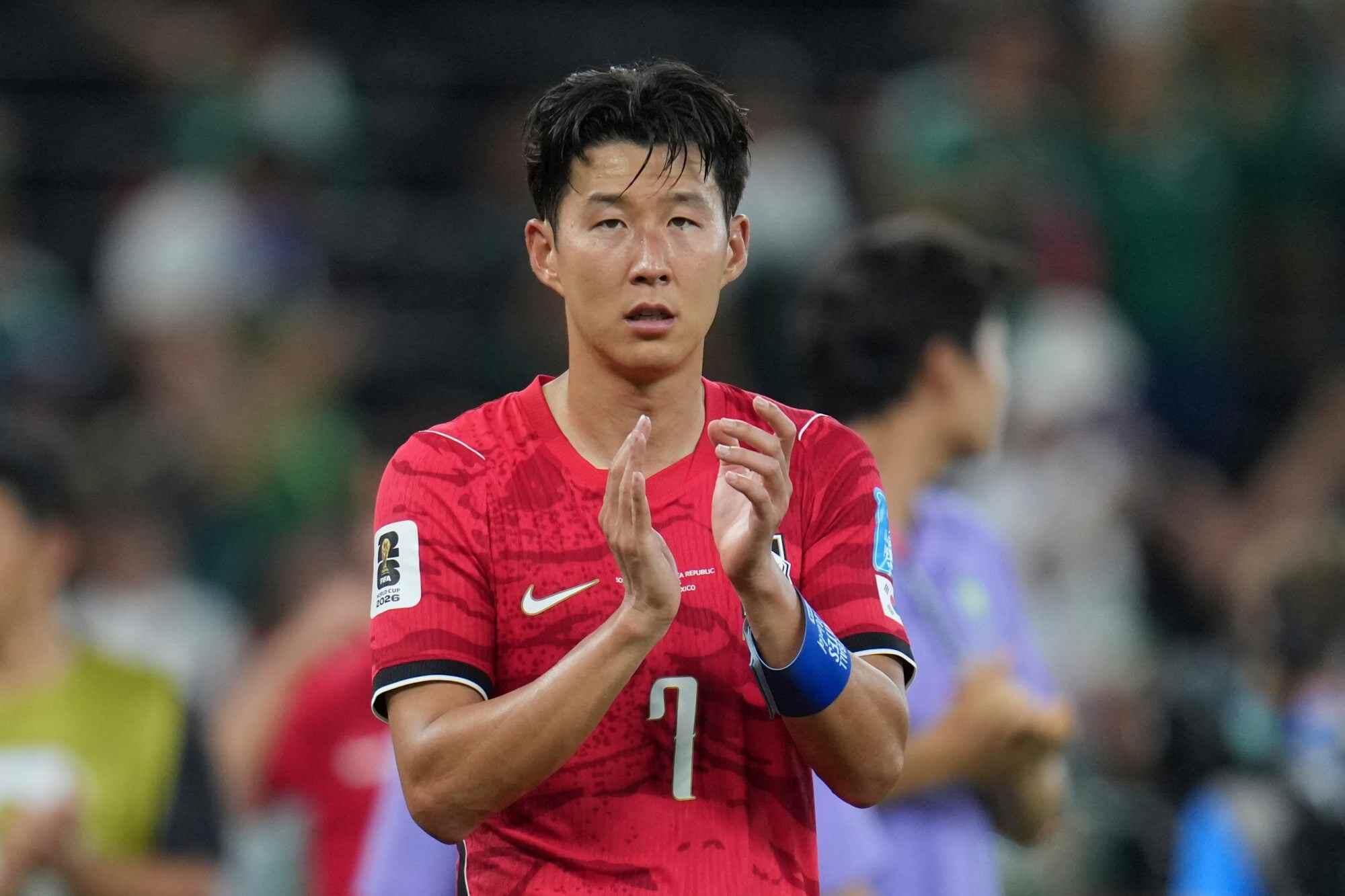
For 48 agonising hours, the nation held its breath, not watching football, but refreshing standings and calculating goal differences. They needed specific results from Groups E, F, and H. When those results failed to align, South Korea was eliminated before they could even step on the pitch again.
Back in Seoul, public viewing areas emptied within minutes. The irony was bitter: World Cup expansion was meant to create more opportunities, yet for South Korea, it only extended the agony of waiting and magnified the shame of dependency. They hadn’t lost in glory; they had been suffocated by spreadsheets and probability.
As Son walked to the locker room, he paused at the tunnel entrance, turning back to bow his head – a silent apology to his nation. The dream ended not with a triumphant goal, but with the quiet, unforgiving click of a calculator.