Have something to say? Send us a letter using this form.
Igniting creative unity
Wong Tsz-ching, Munsang College

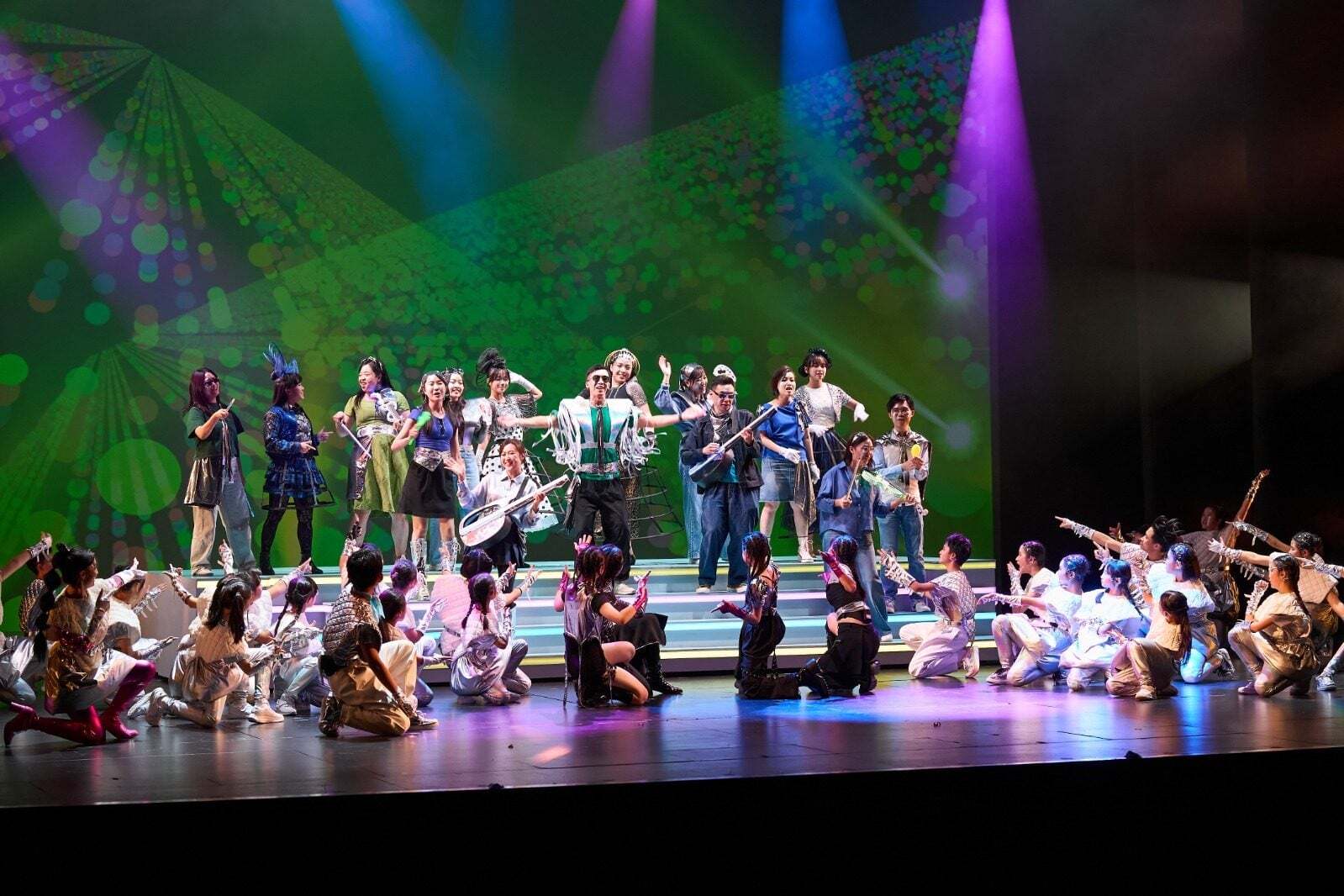
“When do you think this musical will come together?” I placed my neatly stapled script of Munsang College’s centenary musical, PHILO・SOPHIA, down and directed the question at our director. We were weeks into production, surrounded by piles of costumes and the echoing chords of the piano, yet the finish line felt miles away. With a knowing twinkle in his eyes, he laughed and replied, “We don’t get to control it. It’s like … kindling catching fire. When the moment comes, it will all come together and set the stage ablaze.”
At that time, his words felt like an abstract promise, contrasting sharply with our chaotic reality. As the assistant director, I served as the primary liaison among the creative teams, the backstage crew and the actors. My daily routine was a relentless cycle of communication – balancing logistics, interpreting the artistic vision and piecing together the various moving parts. From this central viewpoint, I witnessed the transformation unfold.
The journey began quietly in the rehearsal room, where hesitant voices blended as they searched for their pitch. However, sparks flickered in the actors’ eyes as they dedicated themselves to memorising the complex harmonies, refusing to be held back by the challenging scores.
That same determination carried over to the dance floor, where exhausting sessions left everyone breathless. Even in moments of fatigue, specks of light swayed to the music, gradually transforming awkward choreography into fluid, synchronised storytelling.
The dramatic scenes presented a different kind of challenge – a frustrating process of trial and error. Yet, glow-worms sparkled the moment the cast finally understood their characters, breathing authentic life and vulnerability into the script.
Meanwhile, a chaotic dance was unfolding backstage. The crew initially navigated a maze of heavy stair units and misplaced props during early scene changes. However, over time, they began to master the transitions with stealthy precision, and the atmosphere crackled with energy.

Nearby in the dressing rooms, the repetitive tasks of pinning, measuring, and sketching designs faded away the moment the ensemble slipped into their vibrant costumes, lighting up the space with bright flashes of colour. In the orchestra pit below, the atmosphere was equally charged. What began as a chaotic blend of tuning instruments and complex rhythms soon transformed into a harmonious collaboration. As the musicians beautifully aligned their melodies with the singers on stage, a brilliant energy ignited, uniting the entire production.
As May approached, these isolated sparks began to drift towards one another.
With over 600 students, teachers and alums working hand in hand and united in spirit, the stress of preparation transformed into pure energy, leading to seamless performances. When the final curtain fell and a thunderous round of applause erupted, I looked around and saw our team shedding tears of joy. In that moment, I realised that the fire had truly ignited within us all.
The journey of PHILO・SOPHIA is too bright to keep to ourselves. You can visit Munsang College’s website to experience our show completely free of charge.
Fashion’s hidden costs
Penelope Hoad, Hong Kong International School

When you walk through any shopping district in Hong Kong, you’ll find racks of clothes that are popular online, often sold at tempting prices. New styles emerge almost overnight, prompting people to stay up to date with the latest trends.
However, beneath this ongoing cycle of fashion lies a more profound story with significant environmental, social, and cultural impacts.
Fast fashion has transformed how people buy and wear clothes. Brands like Zara, H&M and Shein release new collections at a rapid pace, making it easy for customers to stay fashionable without spending much.
In Hong Kong, shopping is not just a necessity; it is a lifestyle. The availability of affordable and trendy clothing promotes a culture of frequent consumption.
Fast fashion allows people to access affordable clothing easily, but this convenience comes at a high cost. The environmental impact of fast fashion is substantial. The production of clothing requires a vast amount of water, energy and chemicals. Additionally, synthetic materials like polyester and nylon shed microplastics when washed, which eventually pollute our waterways.
As a coastal city, Hong Kong is especially vulnerable to marine pollution. Furthermore, the city is grappling with a major waste crisis, as textile waste puts added pressure on its limited landfill space.
This issue goes beyond just environmental concerns. Many garments are produced in factories where workers are paid low wages and often face unsafe working conditions. Every time you make a purchase, it can overshadow someone else’s right to work in a safe environment.

Fast fashion fosters a “throwaway” mindset, where clothing is often worn just a few times before being discarded. This occurs either because items are no longer trendy or because the low-quality materials cause them to wear out quickly.
Despite the challenges, Hong Kong is making strides towards change. Some local designers are adopting eco-friendly practices. Second-hand shops and clothing swap events are gaining popularity, offering alternatives to the constant cycle of buying new clothes.
Additionally, various organisations are promoting sustainable fashion through educational initiatives and design competitions. You can contribute to this change by making simple choices, such as buying fewer items, opting for higher-quality clothing, supporting ethical brands or recycling old garments.
While fast fashion may provide convenience and affordability, its hidden costs are too significant to overlook. For Hong Kong, the challenge lies in moving towards a future where style, sustainability and responsibility coexist harmoniously.
Elderly phone scam awareness
Chan Yin-tung, Po Leung Kuk Ho Yuk Ching (1984) College
It is not uncommon for elderly people in Hong Kong to fall victim to phone scams. Elderly individuals often suffer from isolation. Many of them spend significant time alone or without support, making them vulnerable to scammers.
Scammers frequently adopt a friendly demeanour to gain the trust of the elderly, exploiting their desire for companionship and attention.
They also often have low digital literacy. This lack of familiarity with technology can make them vulnerable to scams. For instance, when they receive suspicious links, they may open them without hesitation.

To address the root of the problem, several suggestions can be considered. The government should raise public awareness about elderly phone scams. By using advertisements and billboards, the government can alert the community to the seriousness of these scams affecting the elderly.
Young people can also play a crucial role in educating older adults on how to use their phones safely. Given their higher digital literacy, young individuals can help combat scams by teaching them to avoid potential pitfalls.
In conclusion, it is clear that both the government and young people can contribute to solving this problem. So why not take action starting now?
Kindness in connectivity
Hayden Ho, Pui Kiu College
In an age when nearly everyone is connected to the internet, it is concerning to see how easily technology is used to harm others rather than unite us.
When we use social media or messaging apps, it is easy to forget that there is a real person on the other side of the screen. This can lead people to say hurtful things they would never say in person. The anonymity of the online world may give some a sense of power, but in reality, it’s a cowardly way to treat others.
Online harassment can result in loneliness, anxiety and depression.
A person who is targeted online may feel like they have nowhere to escape the abuse. Their phone, which should serve as a tool for connection, becomes a source of fear. It is distressing to know that someone is trying to damage your reputation, and it is worse when that abuse seems to follow everywhere you go.
Too often, people simply stand by and watch when someone is being bullied because they are afraid to get involved or do not want to become the next target. When we observe any form of harassment, we must take action. This means standing up, reporting the behaviour and supporting the victim.
The internet has the potential to be a place for learning, creativity and friendship. It is up to us to ensure it remains that way.