Have something to say? Send us a letter using this form.
A taste of home in a foreign city
Haru Kim, Chinese International School
Having spent all 16 years of my life in Hong Kong, you would think I would feel at home. But as a Korean teenager born and raised here, there are days when the fast pace of Cantonese around me felt like a barrier holding me back from making friends, and nights when all I crave is the comfort of my mother’s traditional kimchi fried rice.
I know what it means to live in a crowded city and still feel like an outsider.
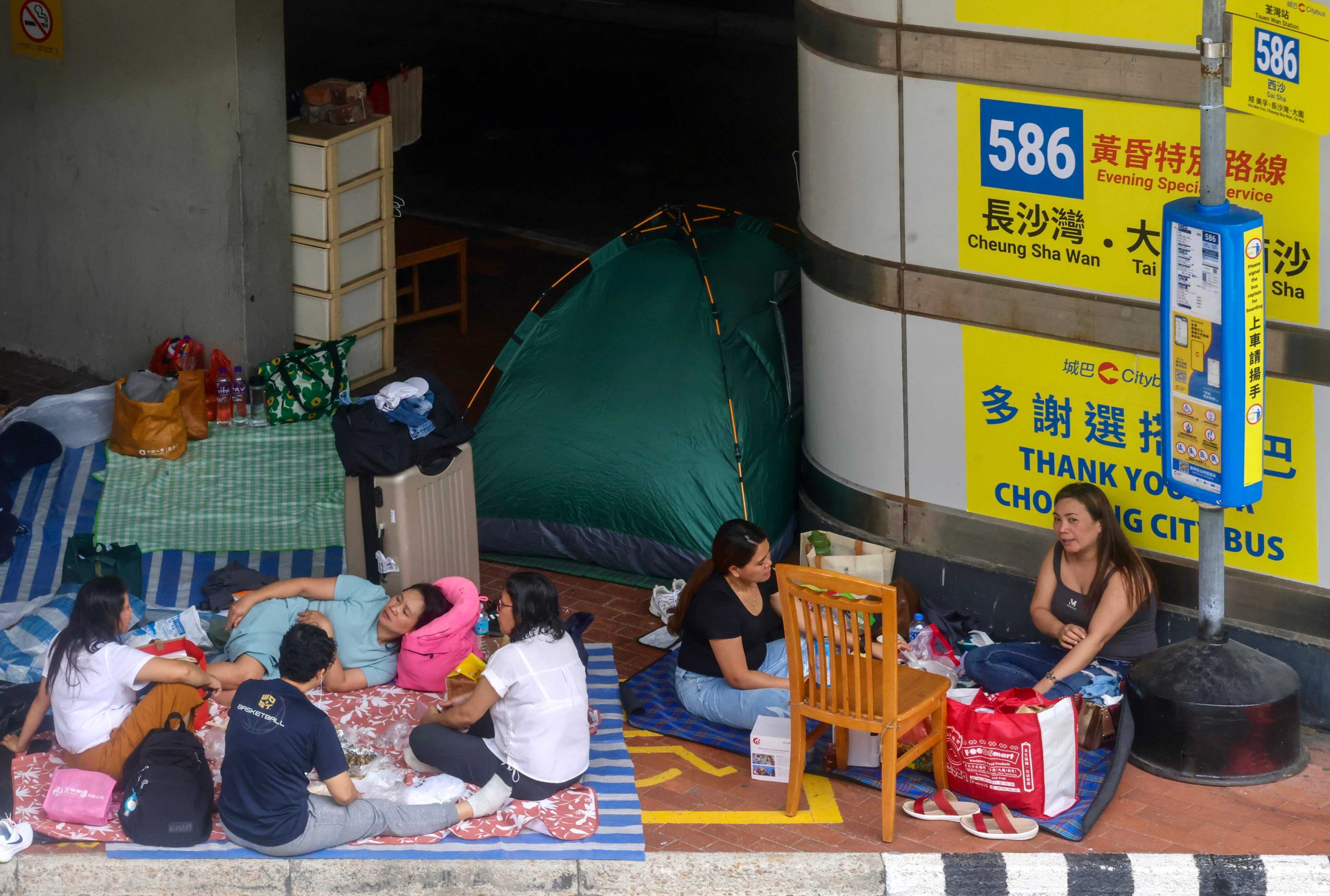
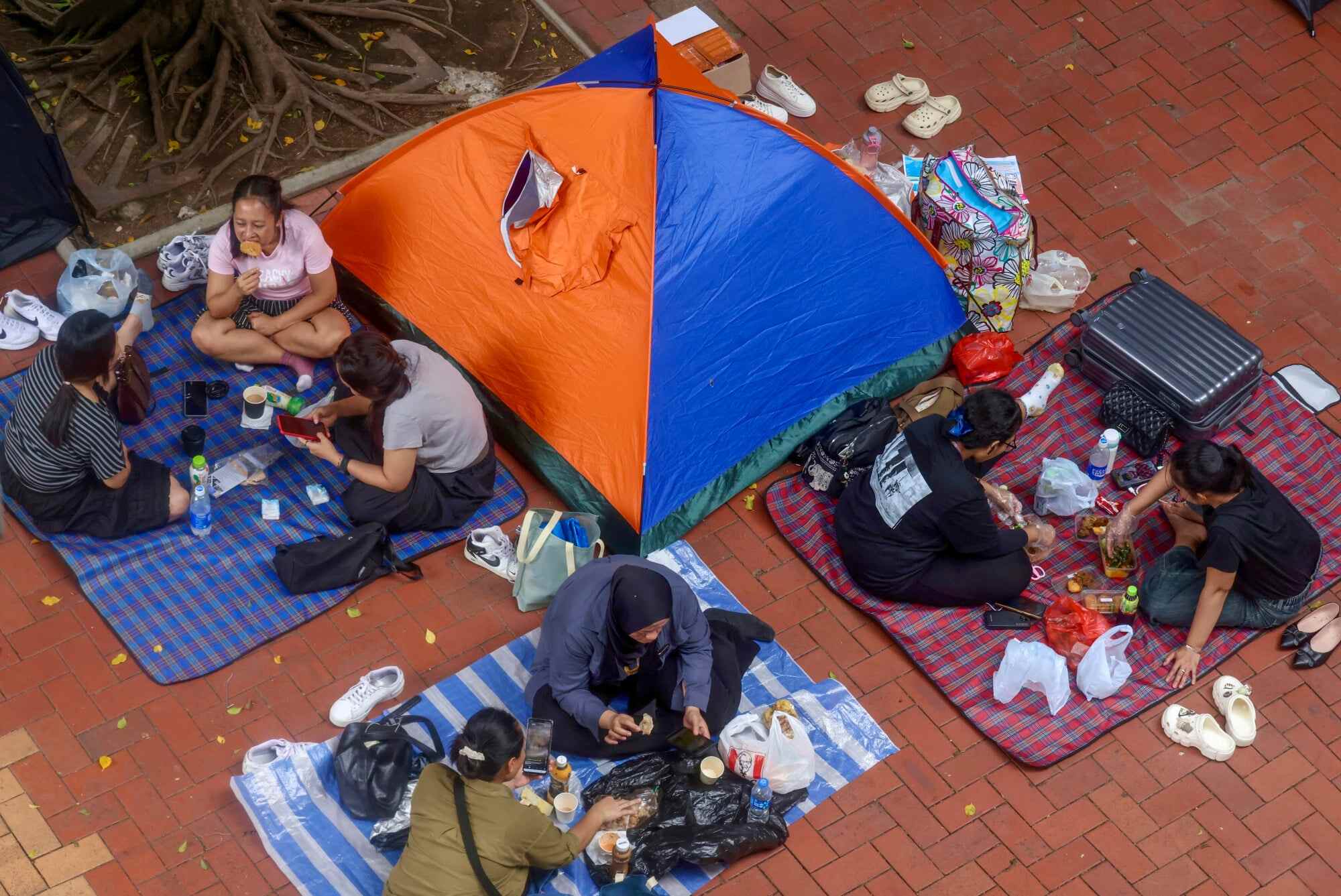
I only ever grew out of this echo chamber of isolation when I began looking closely at Hong Kong’s foreign domestic workers. Gathered on footbridges every Sunday, they fill the concrete with laughter and homesickness, having left their own families to care for ours. There is a strange yet painful tension in their very title as a foreign domestic worker: foreign by law, yet intimately domestic in our daily lives. They raise us and manage our homes, but remain invisible – kept at a distance by the law and language.
If I felt unmoored despite growing up here, the ache these women carry thousands of miles from their children runs infinitely deeper.
But while words often fail to bridge that divide, I’ve grown to realise that food never does. You don’t need a shared language to understand the care folded into a dumpling or the solace held in a warm bowl of soup passed hand to hand.
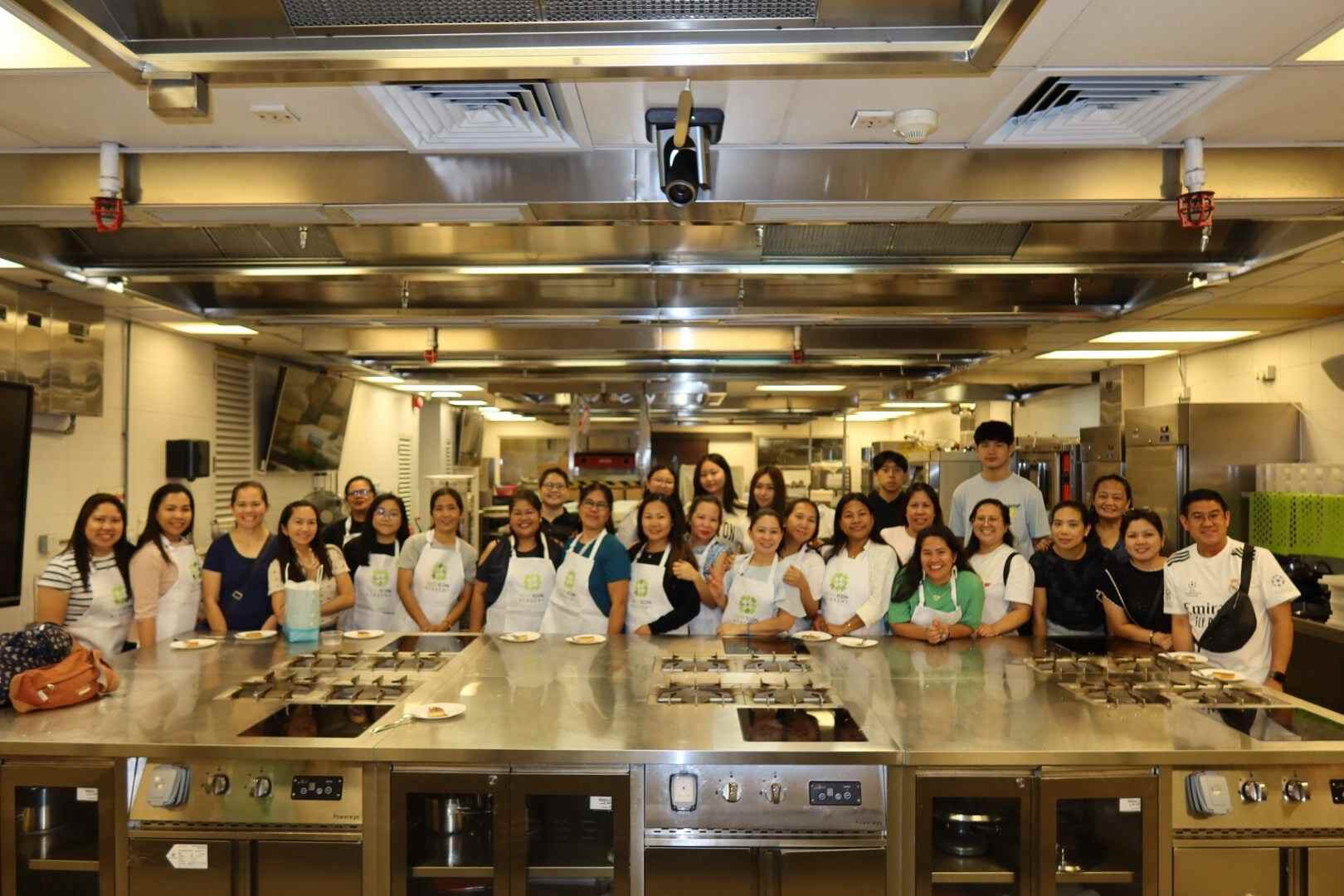
This realisation led me to start 4HOME in April 2025. What began as small weekly meetings with a few peers in my year has since grown into a community of over a hundred people. Every Sunday, we host free cooking workshops built around storytelling. In these sessions, domestic workers set down the role of service and step into another: storyteller, chef and host.
I think often of the mornings when the kitchen fills with the scraping of pans and the sizzle of garlic in oil. A domestic worker will describe a dish her mother made – her hands moving before the words do – and a local teenager who has only ever known her country from a map leans in to listen. In those moments, the city’s implicit hierarchies melt away alongside the aromas.
That transformation touches our team as much as our participants.
As Elyse Luong, our vice-president, reflects: “Watching 4HOME grow has made me re-examine my own experience growing up with my auntie – it turns memory into a shared platform.”
Meanwhile, Lucas Chen, our head of media, found that “combining photography, storytelling and food allowed us to give a platform to communities so often left in the background”.
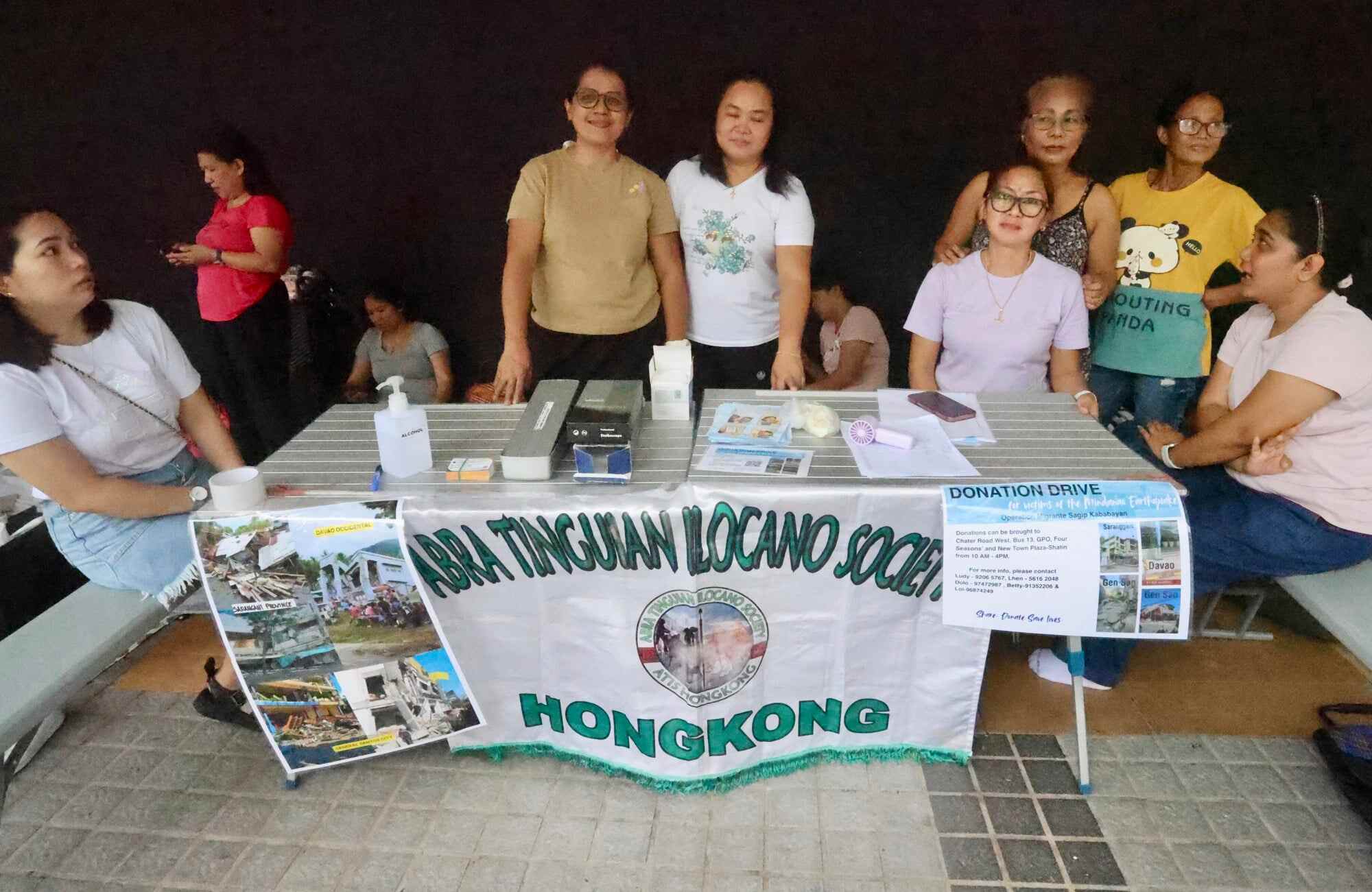
To turn these moments into lasting support, we partnered with organisations like Asylum Services & Knowledge Hong Kong and KELY Support Group. Supported by the Young Changemakers Award, we’ve raised more than HK$60,000, distributed over 300 “Taste From Home” care kits and reached more than 200,000 people online.
Yet, numbers are merely a shadow of the real work. The true measure is a kitchen full of people laughing in three languages at once, or the expression on someone’s face when a single bite brings them, even for just a second, all the way home.
Hong Kong prides itself on diversity, but tolerance is not connection.
Building a true home requires recognising the deep generosity of domestic workers and welcoming them fully into our cultural landscape. Food taught me that home was never just a physical place – it is the feeling of being understood, and fed, in every sense of the word.
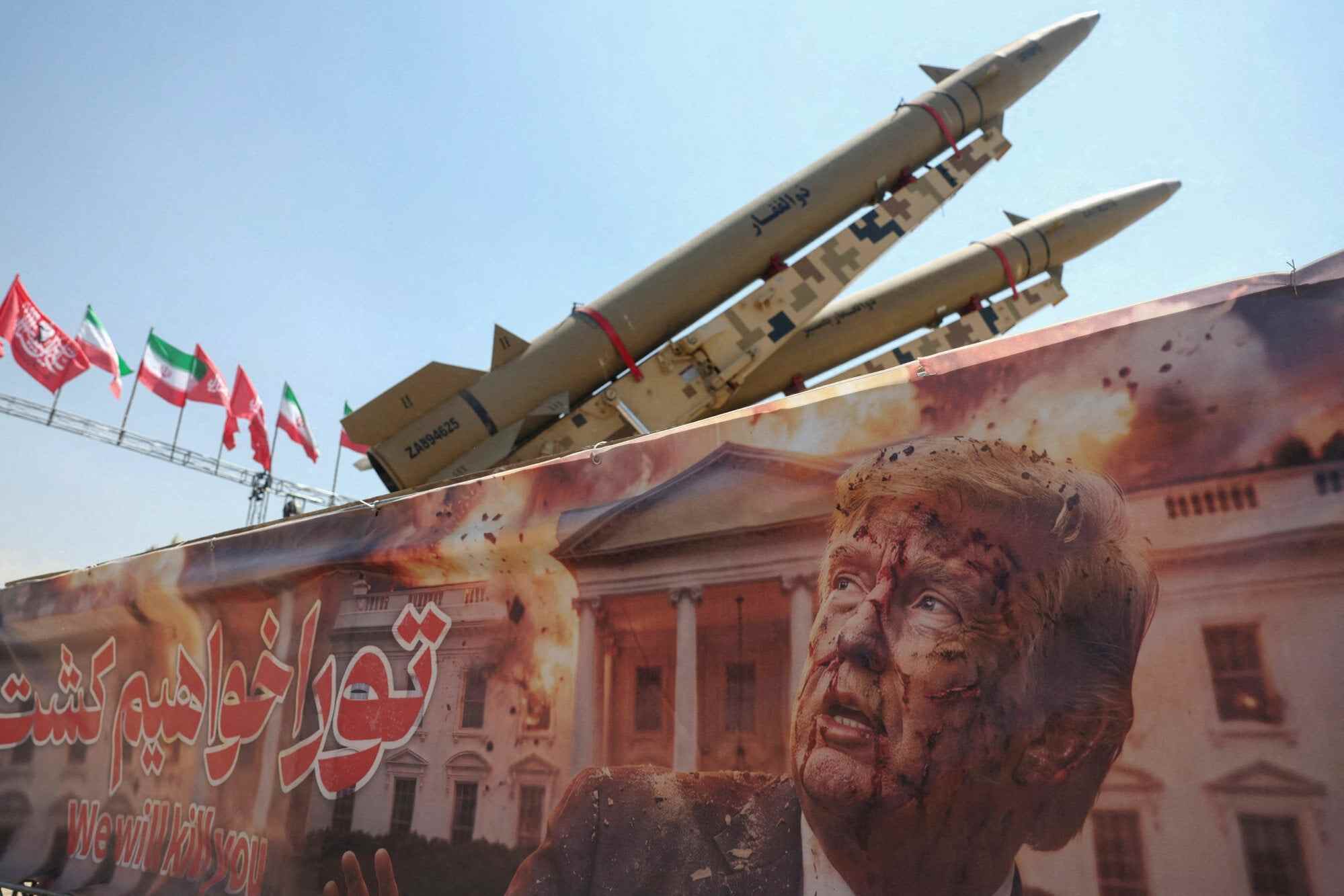
Understanding the US war on Iran
Bella Chen, Hangzhou Yungu School (Zhejiang)
The United States and Israeli war on Iran has been making news headlines, which may make many teenagers feel confused and concerned. As young people who will shape the future, it is important for us to understand the roots and history of this conflict clearly, without being led by one-sided remarks.
The conflict between Iran and the US is not a sudden dispute; it has a long history. Many years ago, the United States interfered in Iran’s internal affairs and supported a pro-Western government. Then, Iran had a revolution and established a new government, which led to tense relations between the two countries. Since then, they have disagreed on many issues, especially Iran’s nuclear programme and regional security.
As teenagers, how should we understand the conflict between the US and Iran?
First, we need to understand it is not simple. Both sides will stick to their own beliefs and to what benefits them. The United States expects Iran to stop nuclear development based on the international Treaty on the Non-Proliferation of Nuclear Weapons, while Iran insists on its right to use nuclear energy peacefully and demands that economic sanctions be lifted. This conflict results from various factors, including historical disputes, religious differences and conflicts over regional interests.
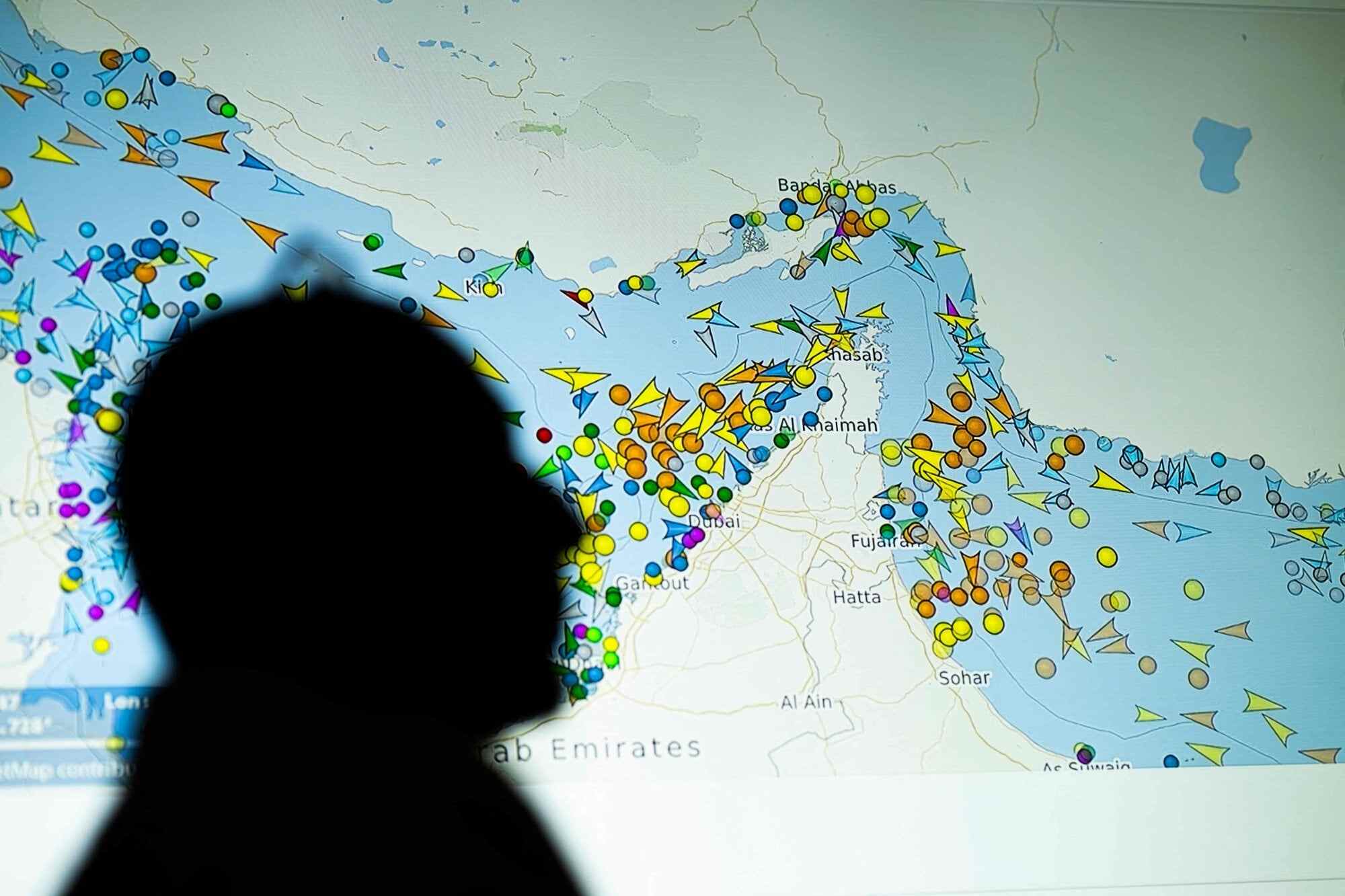
Second, we should learn to look at this event from different perspectives instead of accepting one-sided views blindly. We can read more objective news and learn related basic facts. For example, we can listen to reliable podcasts and news posted on the internet by public media.
Furthermore, we can discuss the topic with people around us to improve our understanding of current situations. By learning the real demands of both countries, we will be able to keep calm, stay away from extremes and build up our own understanding of the whole picture.
Most importantly, we should realise that peace is the most precious thing. Conflict brings only pain and loss to people. We should call for understanding and respect between countries and believe that disputes can be solved through open dialogue and negotiation instead of war.

Cultural appropriation or appreciation?
Aahani Mukhi, Island School
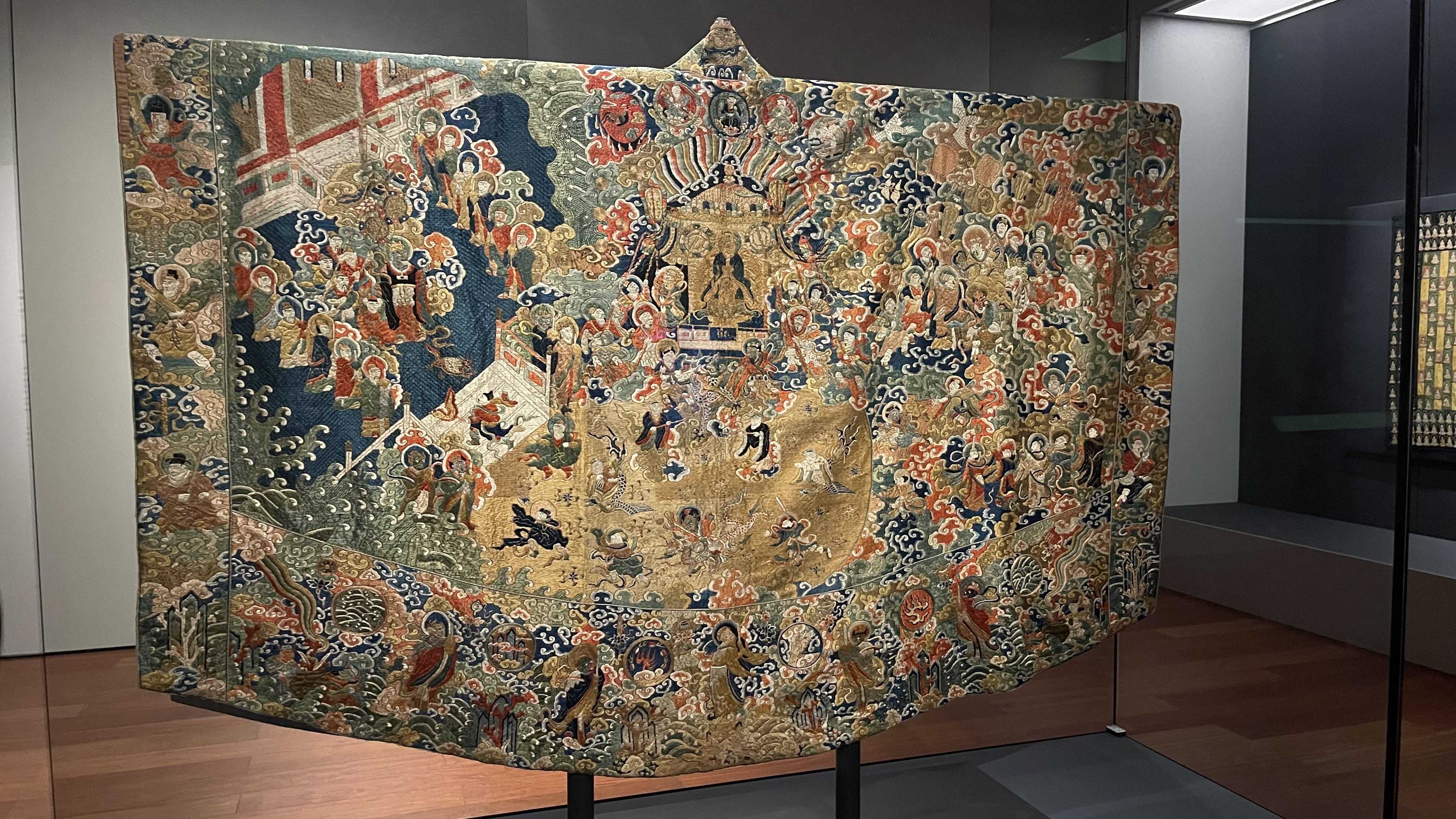
The release of the Adidas Tang jacket polarised the internet on the morality of culture in business. By translating trademarks of Chinese textiles into mass-market streetwear, Adidas invited accusations of cultural appropriation.
While the internet eventually concluded that Adidas leans more towards genuine appreciation, the discussion it spurred should not be ignored.
Cultural appropriation is when a brand exploits historical power dynamics to profit from a certain culture. Driven by profit, a lack of knowledge and a lack of meaningful production, this can result in a superficial and ethically unjust representation of a culture.
On the other hand, cultural appreciation explicitly credits and honours the product’s roots. Oftentimes, this is supplemented by authentic cultural exploration throughout the production process – like Adidas collaborating with Chinese designers.
While appreciation is more morally justified, should corporations be producing culturally affiliated products in the first place? For profit-making organisations, even appreciation can embody some form of exploitation. Moreover, spinning centuries of heritage into fleeting trends commodifies intangible culture into a tangible product, laying the groundwork for cultural erosion.
In my opinion, cultural appreciation is not enough. Whether financially, socially or through creative partnership, it is vital that brands give back to the source culture in some way. Without this, brands with no direct connection to their product’s culture will stray too close to exploitation.