If you are interested in joining future Face Off debates, fill out this form to submit your application.
For: Mischa Lan, 14, Po Leung Kuk Choi Kai Yau School

Imagine a domestic worker suffering from an abscessed tooth, unable to afford dental extraction because her employer claims it is a “non-emergency”.
Employers in Hong Kong should be legally required to provide domestic workers with comprehensive medical insurance that includes dental care.
By mandating comprehensive coverage, the city can ensure that domestic workers receive the same ethical standard of care as others.
Untreated dental issues can lead to severe infections, which comprehensive insurance can help prevent. Gum disease is often overlooked as a “non-emergency,” yet it can lead to bacteria that destroy tissue and bone.
Workers should not have to wait until their condition becomes severe before seeking help. Full-coverage insurance would enable early treatment, preventing gum disease from resulting in fatal complications.
Currently, some local employees in Hong Kong can easily access employer-provided insurance. In contrast, domestic workers – mostly migrant Filipinas and Indonesians – face restrictions that prevent them from accessing basic medical care.
Studies conducted by the University of Hong Kong reveal that only 46 per cent of domestic workers have ever visited a dentist.
The costs of basic procedures range from HK$300 to over HK$1,000, representing a substantial portion of workers’ wages. It is essential to mandate comprehensive coverage to ensure that migrants receive the same protections as local employees.
Some people argue that requiring such insurance could place a financial strain on families already earning minimum wage and covering basic costs. This might lead employers to terminate contracts or hire fewer workers.
However, this perspective overlooks the fact that many dual-income families already budget for optional insurance. In reality, having insurance can help prevent sudden medical emergencies, ultimately reducing long-term healthcare costs.
Mandating comprehensive medical insurance, including dental care, is a moral imperative. It helps prevent neglect of conditions that can lead to life-threatening infections and ensures that employees in Hong Kong receive the same standard of care.
Against: Ziyan Huang, 17, Harrow International School

In August 2025, six Filipino domestic workers were arrested in Sham Shui Po for operating an unlicensed dental clinic. Although the treatments offered were illegal, they were significantly cheaper than the prices charged by licensed and private dentists.
This situation highlights the widespread socioeconomic inequality that has compelled individuals to seek unlawful means to access essential services.
Proposals to mandate that employers provide comprehensive dental insurance for domestic workers do not actually tackle the barriers that hinder access to equitable and affordable healthcare.
In fact, this policy could unintentionally harm the very community it seeks to support.
The current Labour Department regulations require employers to provide medical insurance that covers emergency dental care, which may require more frequent and long-term maintenance and lead to higher cumulative costs than one-off emergencies.
Many comprehensive dental care plans reimburse only a small portion of total costs.
Additionally, even if this policy is perfectly implemented, it does not address the limited options available to domestic workers.
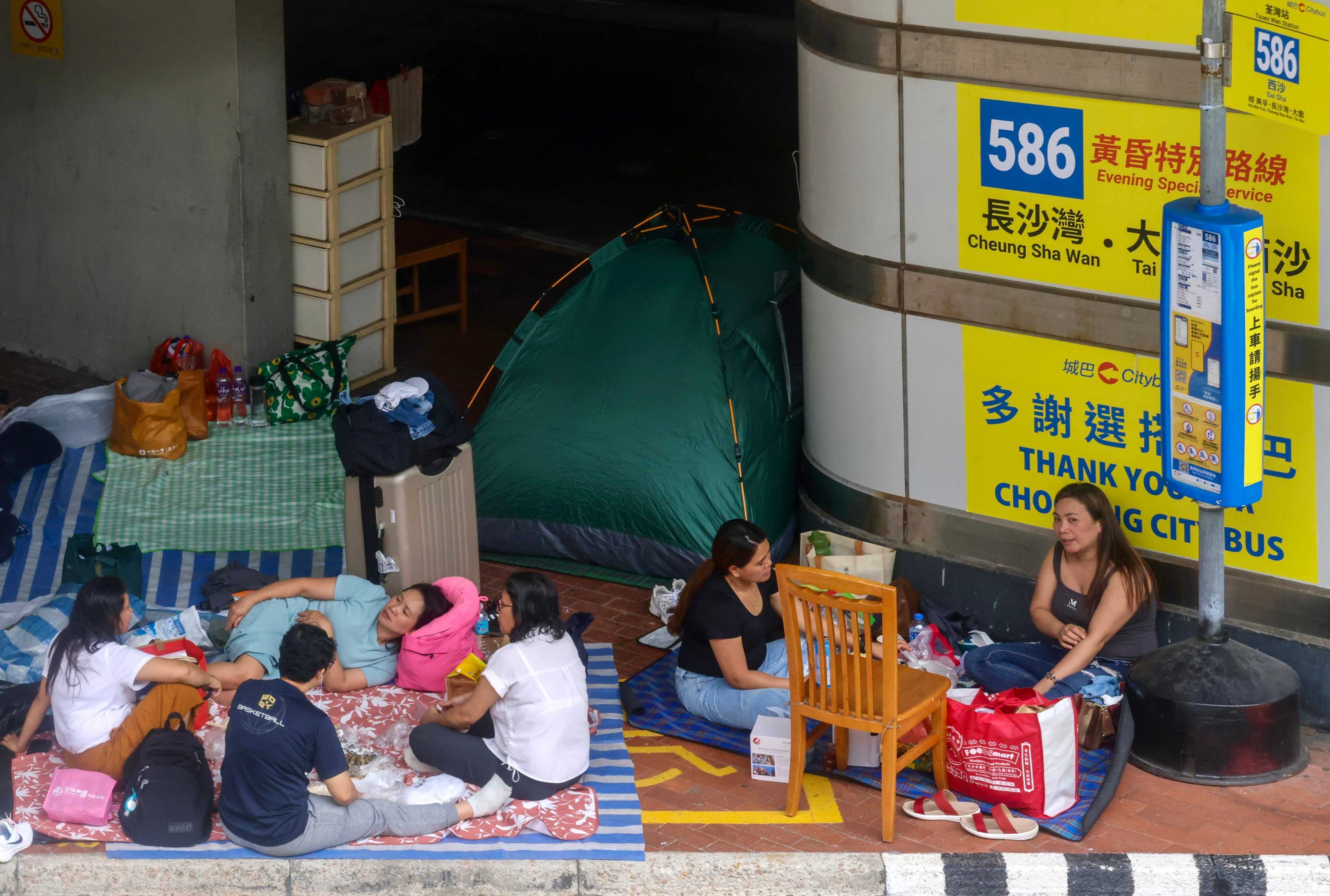
For most workers in Hong Kong, access to medical care is restricted to Sundays, which are designated holidays.
This creates a fundamental conflict with the schedule of many dental clinics, as they are often closed on Sundays. Requiring employers in Hong Kong to provide comprehensive dental insurance will not compel firms to change their operating hours.
As employers face higher premiums for comprehensive care, they may be motivated to hire younger, healthier workers to manage costs.
This could lead to increased adverse selection, which would disproportionately affect older workers and those with pre-existing conditions.
As a result, the most vulnerable individuals may find themselves entirely excluded from the labour market when they need opportunities the most.
To ensure equitable access to healthcare, Hong Kong must recognise that dignity is not something employers can buy; it must be guaranteed by the society that benefits from these workers’ labour.