If you are interested in joining future Face Off debates, fill out this form to submit your application.
For: Valerie Shek, 15, The Independent Schools Foundation Academy

In the 21st century, social media has been a key pillar of entertainment for many. Yet beneath every scroll, every like and every swipe, an invisible force quietly shapes what you see, think and feel. Algorithms often push out negative information and entrench fake news echo chambers.
This is why social media platforms should stop using algorithms to show content.
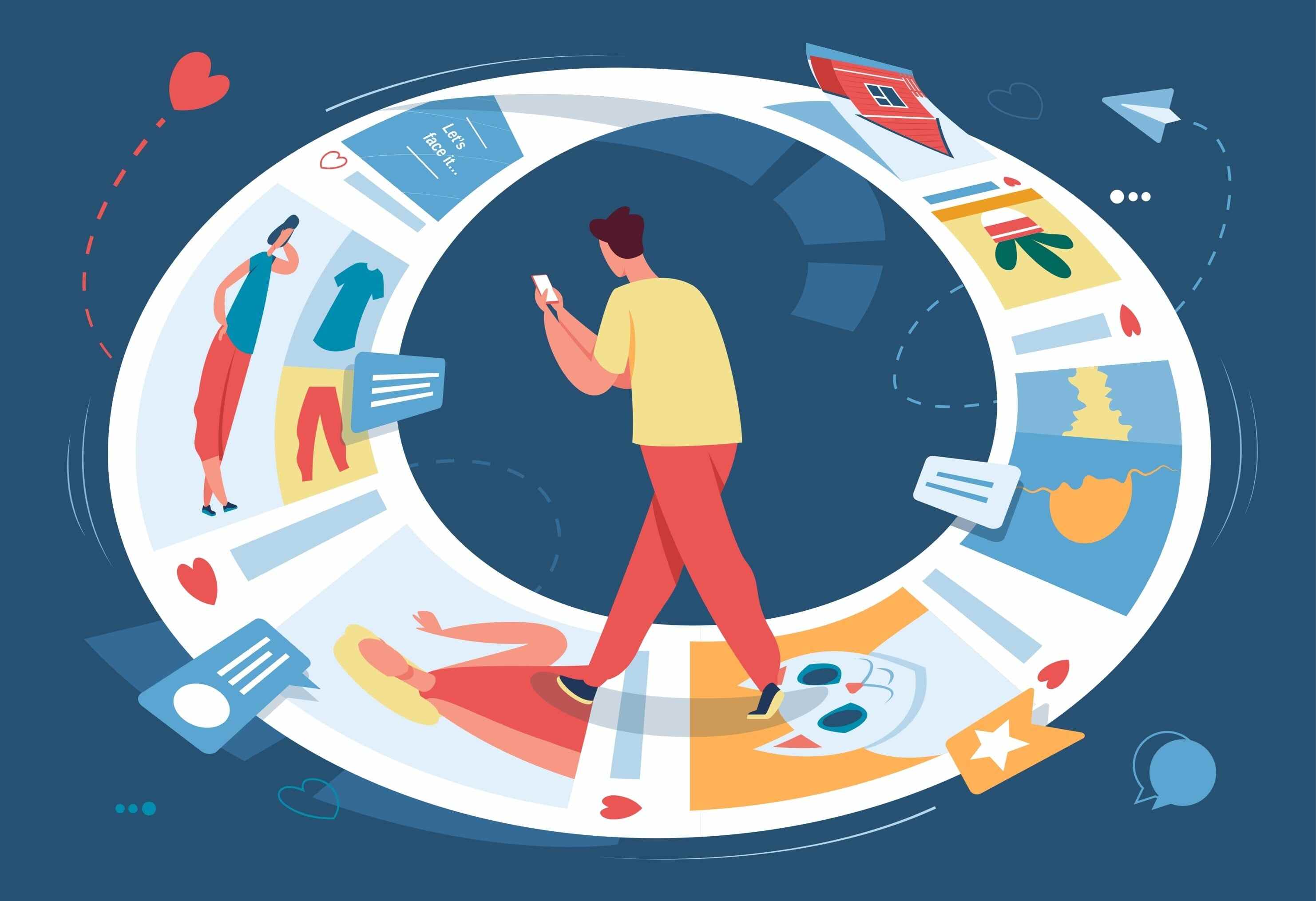
First, while algorithms are often praised for cutting through a sea of content, the way they do so comes at a significant cost. Most of the time, instead of surfacing what is most truthful, important or meaningful, they are designed to maximise engagement, such as likes, follows and shares. Platforms such as Instagram, Facebook and TikTok use these systems to keep individuals scrolling for as long as possible.
According to a study by product recommendation service Photutorial, at least 1.3 billion photos are shared on Instagram per day.
Algorithms only surface whatever is “trending” and “popular”. As a 2017 report in the Georgetown Law Technology Review notes, algorithms are designed around maximising individual engagement metrics, not user well-being.
Personal interests and niche communities don’t need an algorithm to reach each other; they need a platform that will not hide their content.
Second, while platforms such as Instagram and TikTok employ moderation tools to screen out inappropriate content, it’s important for us to investigate the way that much of the artificial intelligence (AI) powered moderation is trained.
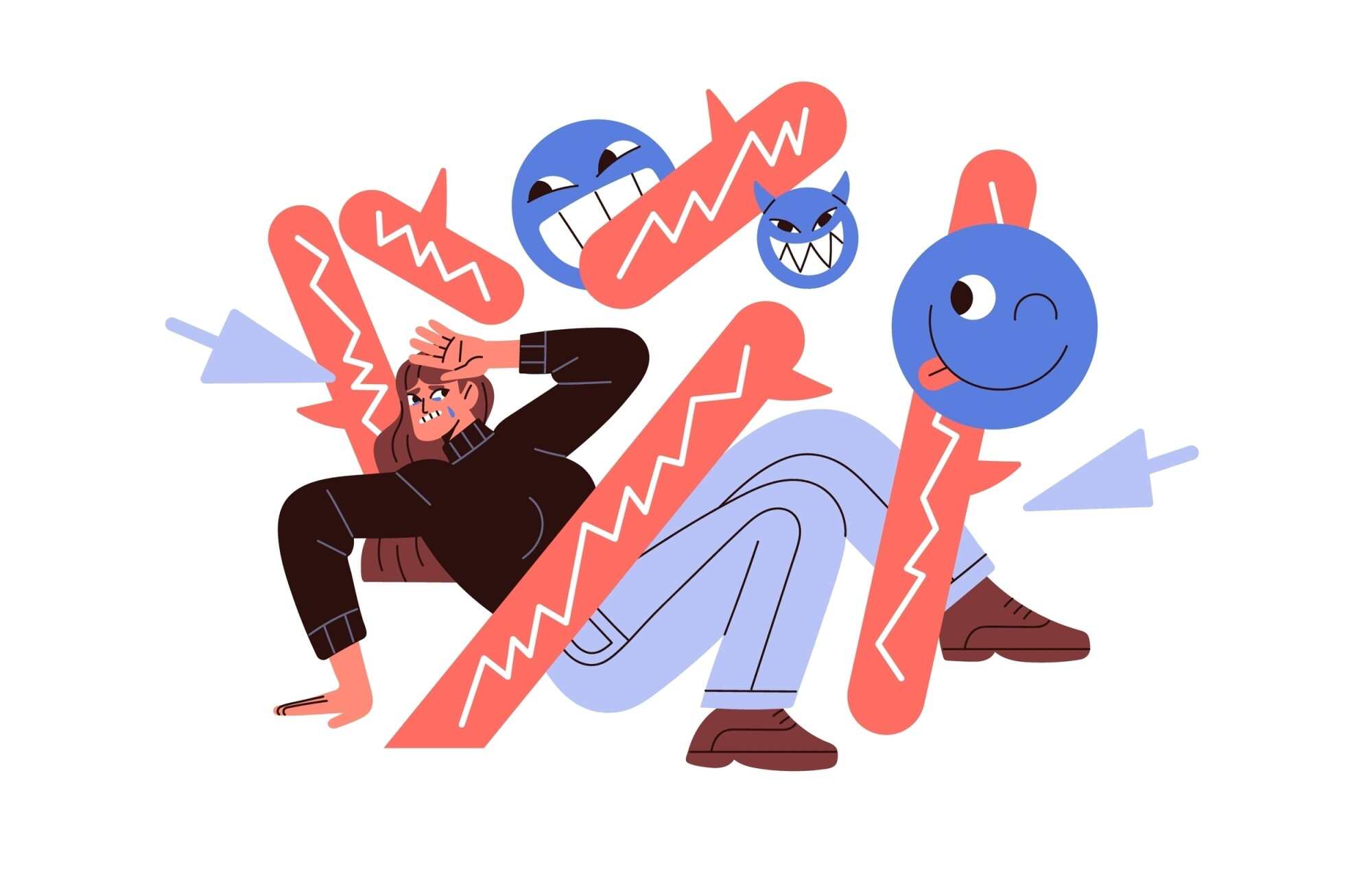
Multiple news outlets have reported that AI age detection tools are only a band-aid for a problem that algorithms amplify. Algorithms often further compromise safety by amplifying harmful content rapidly before human review can catch it.
Removing algorithms does not mean completely disregarding the safety infrastructure. It means removing and preventing harmful content from being pushed out to teens and children.
Ultimately, algorithms have a negative impact on mental health, especially for young people, and play a role in creating echo chambers that amplify the spread of misinformation. These flaws are a call to action, pushing us to change the system.
Against: Sophia Ling, 14, German Swiss International School

Imagine wading through hundreds of irrelevant Instagram posts just to find the one video that actually interests you. Algorithms make social media usable.
Over 500 million posts are uploaded to Instagram every day, so a feed without algorithms would bury users in a cascade of posts. Algorithms solve the problem of information overload, allowing users to find meaningful content they care about.
Some claim that algorithms make social media dangerously attractive and keep users glued to their screens, but this mistakes the symptom for the cause.
Algorithms recommend content, but it is the surrounding design features, such as infinite scroll, autoplay and push notifications, that feed the addiction.
These are deliberate choices made by platforms to maximise screen time, and they would function just as manipulatively on a purely chronological feed.
If we are serious about improving user well-being, the conversation should be about regulation, not about dismantling the feature that helps users explore their interests more deeply.
Without algorithms, users are stuck rewatching the same content forever. Or they may never find their niche community.

Algorithms turn social media from a time-waster into a bridge connecting people to different virtual communities. Could they be better regulated? Absolutely. But dismantling them would not reduce screen time – it would just replace useful learning with useless noise.
Algorithms also give ordinary people a genuine chance to be discovered. Before algorithmic recommendations, reach was determined by who you already knew. Now, a teenager in a small town with zero followers can go viral overnight if their content is good enough.
Algorithms can also expand users’ potential interests rather than just reinforcing existing ones, surfacing content from creators that users would never have found on their own.
Blaming algorithms for political polarisation ignores the far more inconvenient truth: people naturally seek out content that confirms what they already believe, with or without an algorithm.
Rather than abolishing algorithms entirely, a better solution is to improve regulation and transparency. Platforms should simply be held accountable.