As we seek a fresh start and new opportunities for the Lunar New Year, we can also take the chance to explore artefacts that help us better understand Chinese history as part of the celebrations.
To kick off the Year of the Horse, the Hong Kong Palace Museum is showcasing auspicious items in the exhibitions “Brilliance: Ming Dynasty Ceramic Treasures” and “A History of China in Silk: The Chris Hall Collection”.
Throughout China’s rich artistic history, auspicious animals, flowers and tales of mortals have adorned silks and ceramics. Here are five intriguing items from the museum that resonate with the theme of the new year.
1. Ming dynasty porcelain bowl
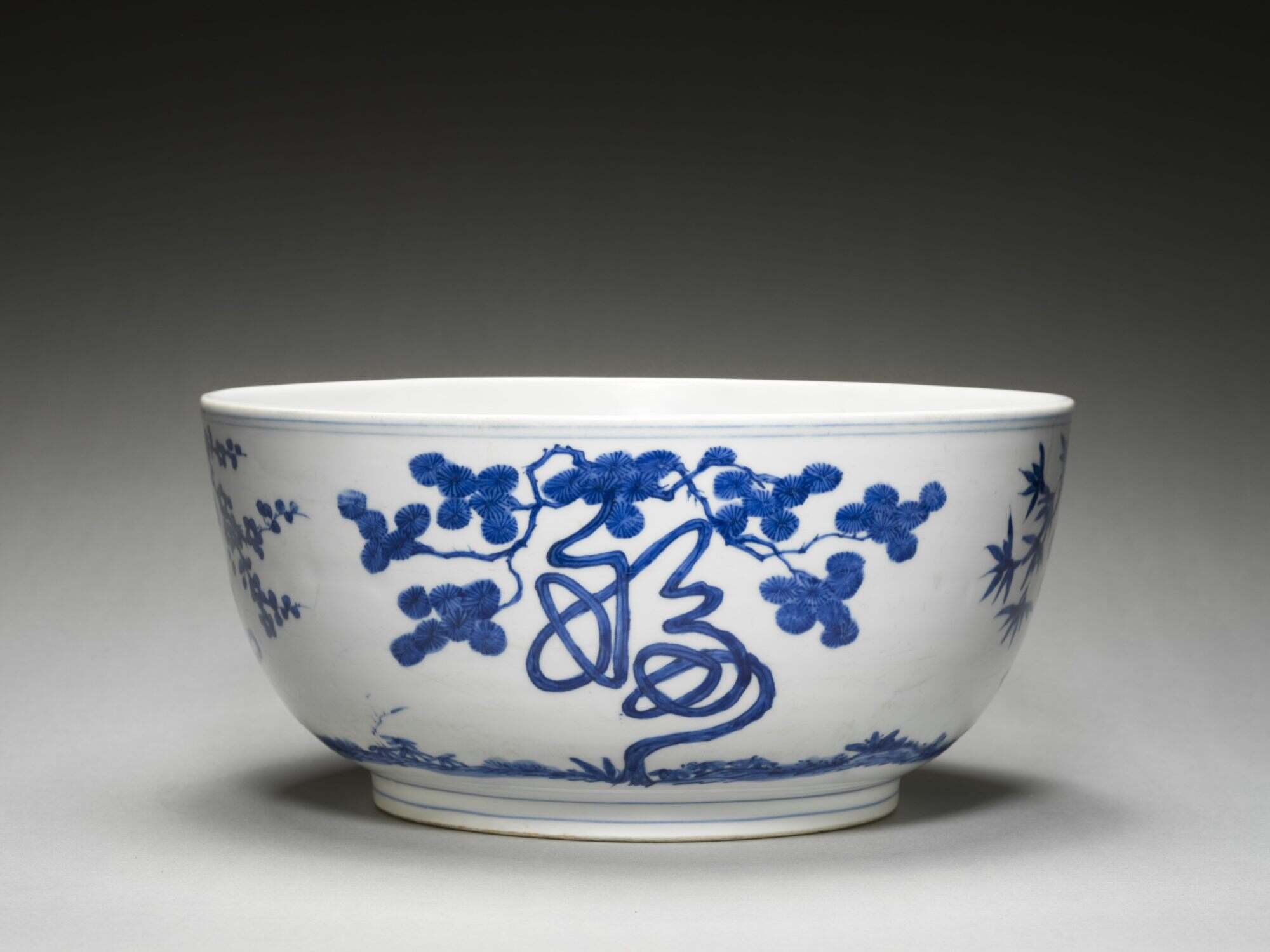
This bowl was discovered in the Imperial Kilns of Jingdezhen, Jiangxi province. It is believed to have been made during the Ming dynasty and is currently on loan from The Palace Museum in Beijing. The porcelain features an underglaze cobalt blue and is on display in the Ming Dynasty Ceramic Treasures section, Gallery 3.
Imperial porcelain often showcases auspicious motifs that reflect the emperor’s wishes for longevity and peace. The exterior of this bowl is adorned with sturdy plants, including branches of pine, bamboo, plum and chrysanthemum. The design forms the Chinese characters for good fortune, long life, health and peace, symbolising vitality and adding depth to these motifs.
2. Horse-patterned Ming dynasty porcelain bowl
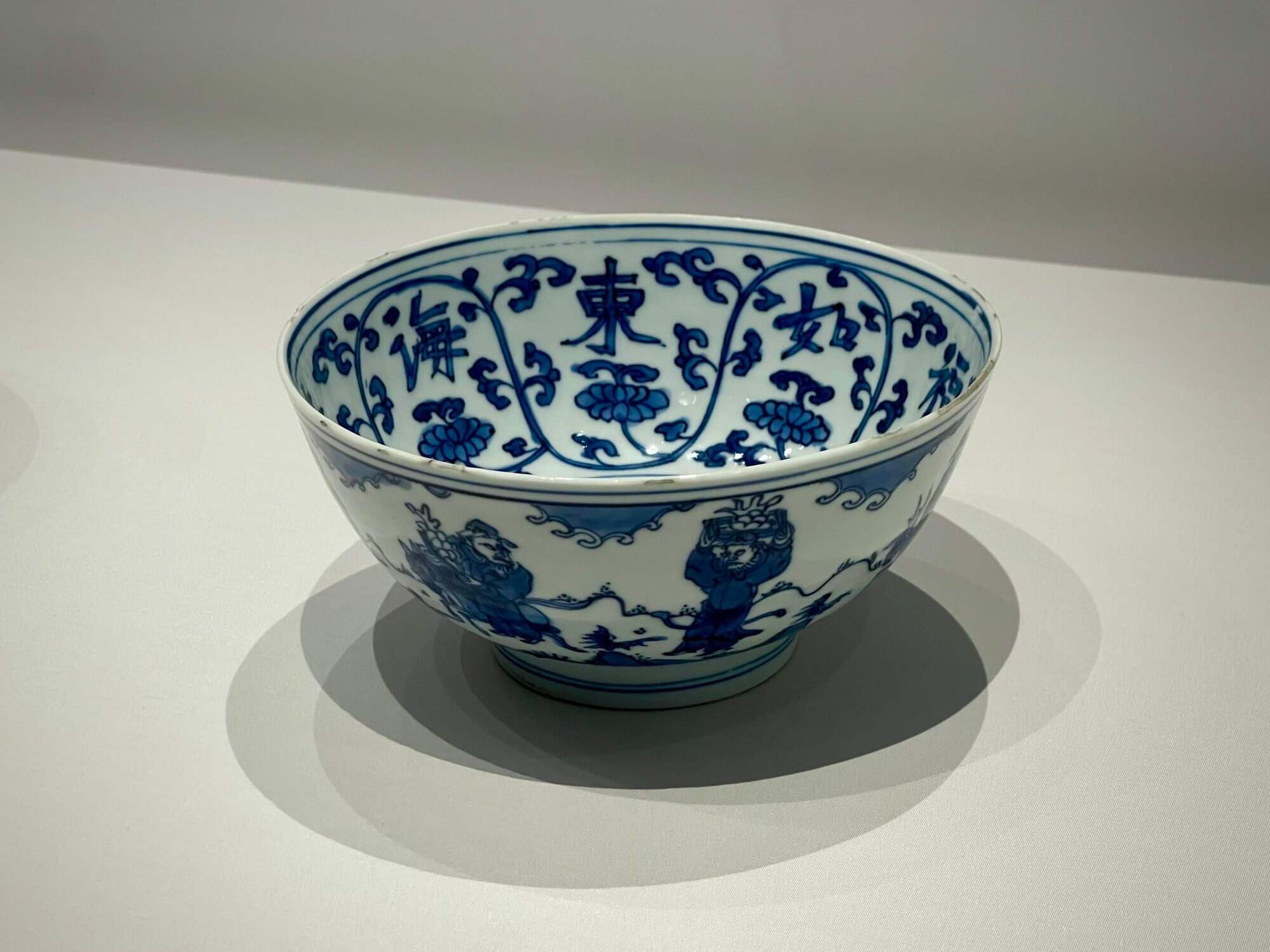
This porcelain piece originates from the Imperial Kilns in Jingdezhen, Jiangxi province, during the Ming dynasty. It features an underglaze cobalt blue design and is considered highly auspicious. Historically, the kilns in Jingdezhen produced ceramics for non-heir princes living far from the capital, such as Prince De of Shandong, who commissioned inscribed pieces for his birthday.
The horse patterns on the bowl are fitting for the Year of the Horse. Inside the bowl are inscriptions that convey messages such as “Good fortune as vast as the East Sea” and “Longevity as enduring as the Southern Mountains.” The exterior showcases lucky patterns, including a design of a foreigner offering treasures, all of which carry congratulatory meanings.
3. Protective gear for horses
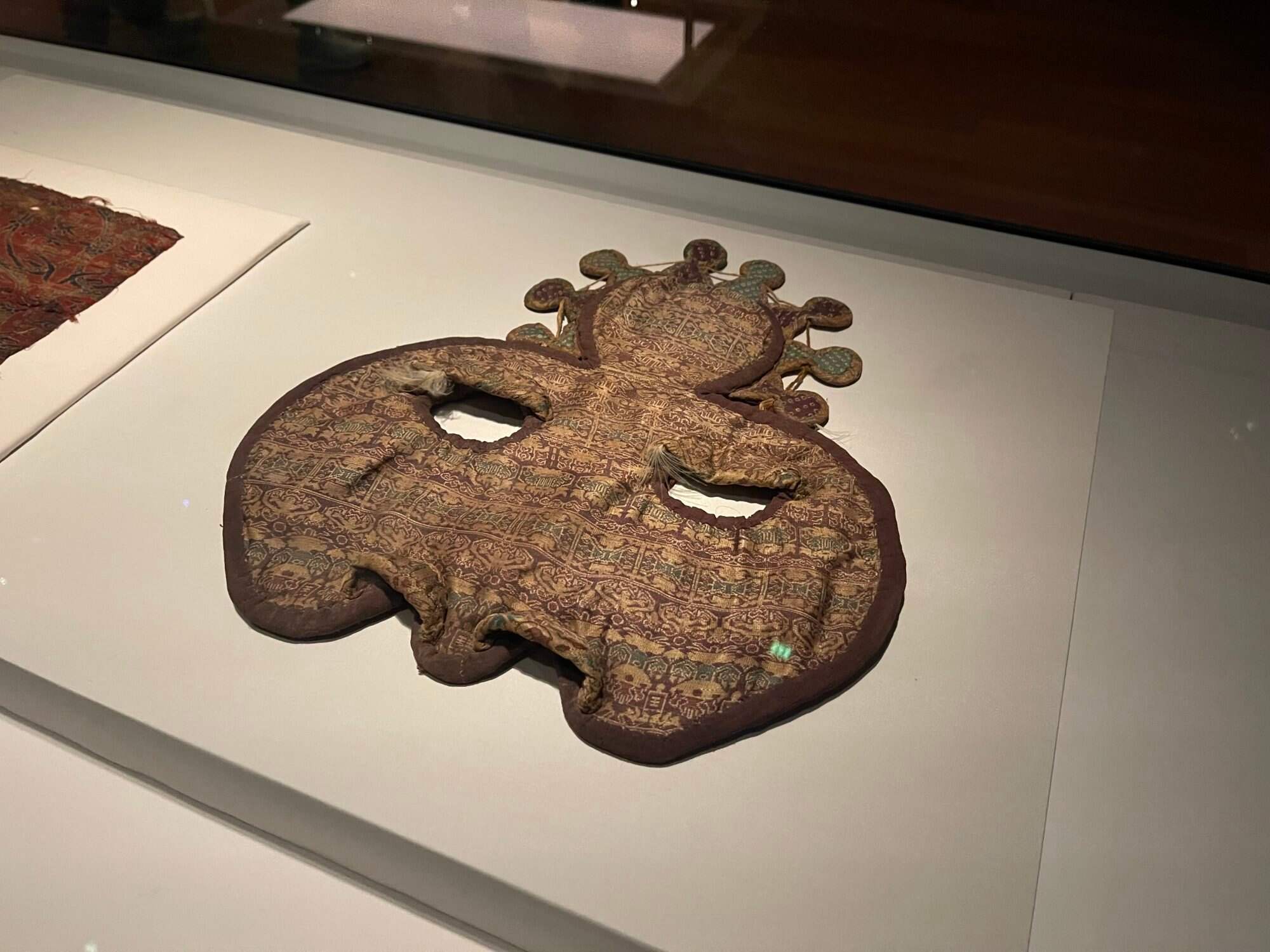
This weft-faced compound taquete, made with polychrome silk threads and feathers, is displayed in the Chris Collection at the Hong Kong Palace Museum, Gallery 6. This saffron, the horse’s face covering, serves a similar purpose to those used today, acting as protective headgear for horses to shield their faces from wind, sand and sun.
The two holes on the horse’s face are part of the design, while the white feathers are decorative and resemble the horse’s eyelashes. During the dynamic Northern and Southern Dynasties, heavy cavalry reached its peak, and saffrons were originally crafted from metal before later incorporating materials such as leather and silk. Today, some racehorses wear protective masks to help limit their vision, allowing them to concentrate on their activities.
4. Tang dynasty winged horses
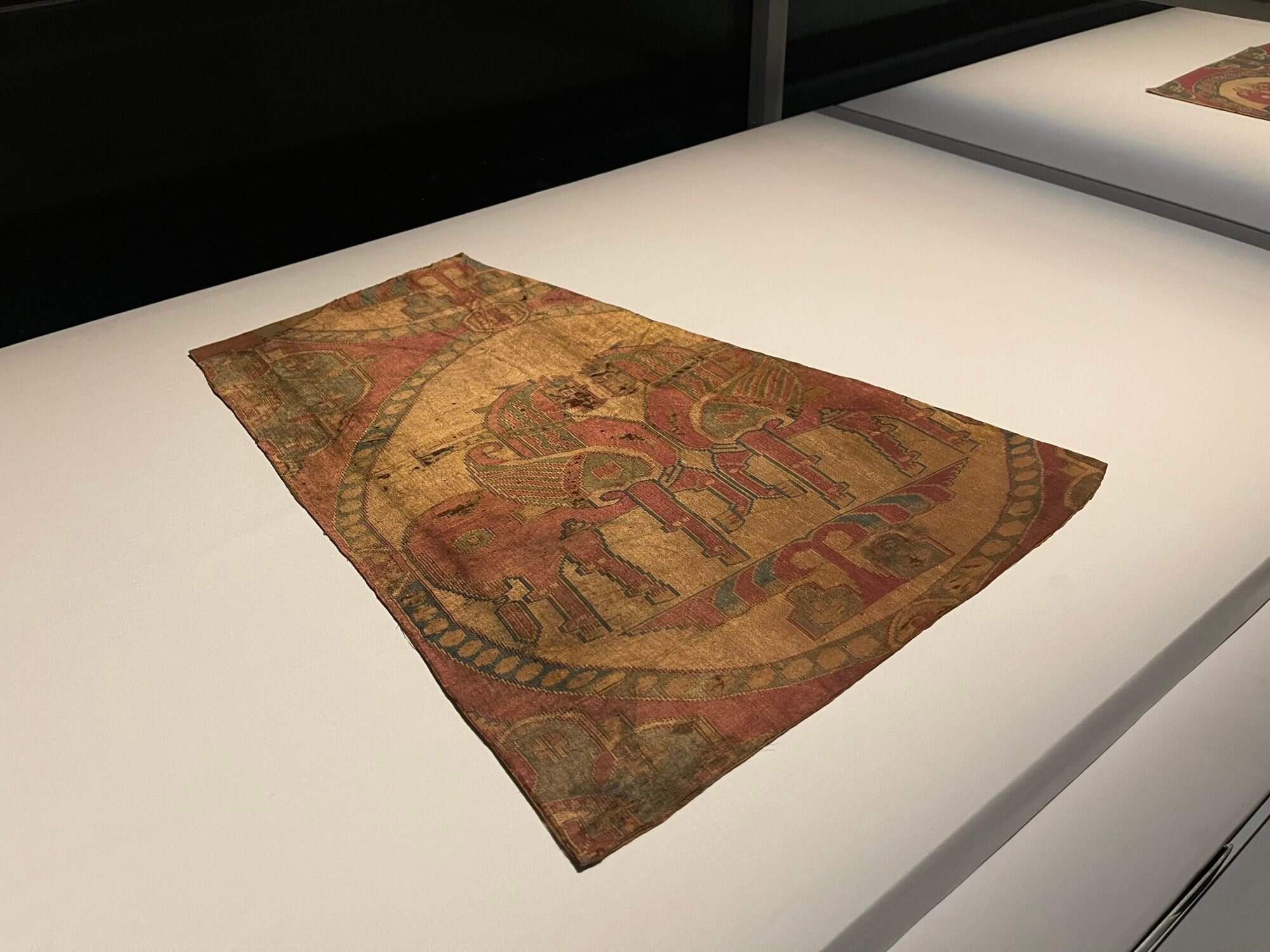
This weft-faced compound samite, made with polychrome silk threads, is part of the Chris Hall Collection. It is believed to have originated in the Tang dynasty, around the 8th century. The pattern features a pair of winged horses, which scholars generally believe are inspired by the mythical creature Pegasus. Pegasus is typically depicted as an all-white horse with wings and is a descendant of Medusa and the sea god.
The worship of dual horse deities emerged during cultural exchanges along the Silk Road, which influenced Central and West Asia. These creatures were regarded as symbols of the sun and considered sacred mounts, elevating their status in society. The design style reflects a blend of influences from the Silk Road and local Chinese aesthetics, resulting in cultural artefacts that embody both foreign elements and Central Plains characteristics.
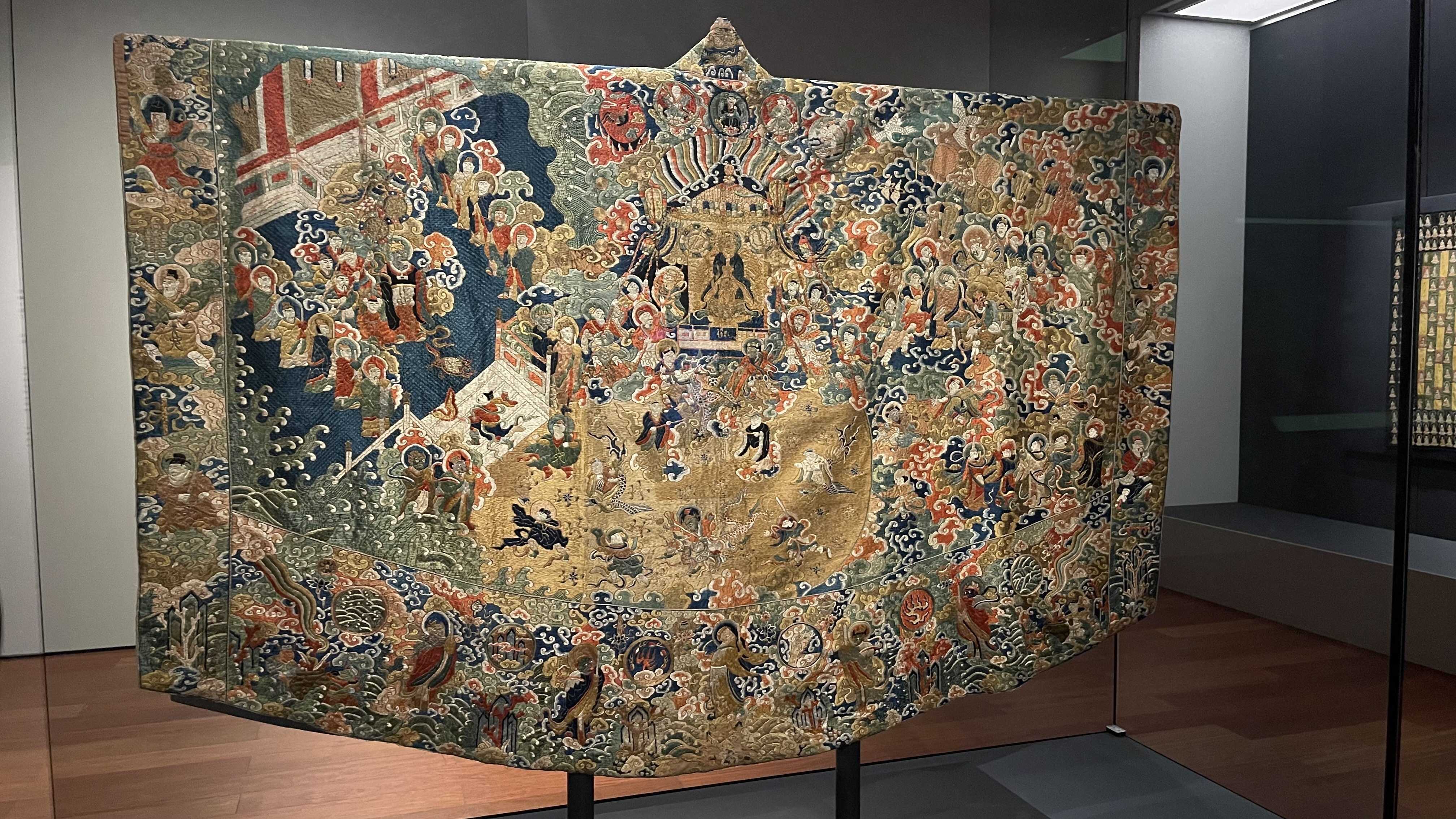
5. Daoist robe of Jiajing
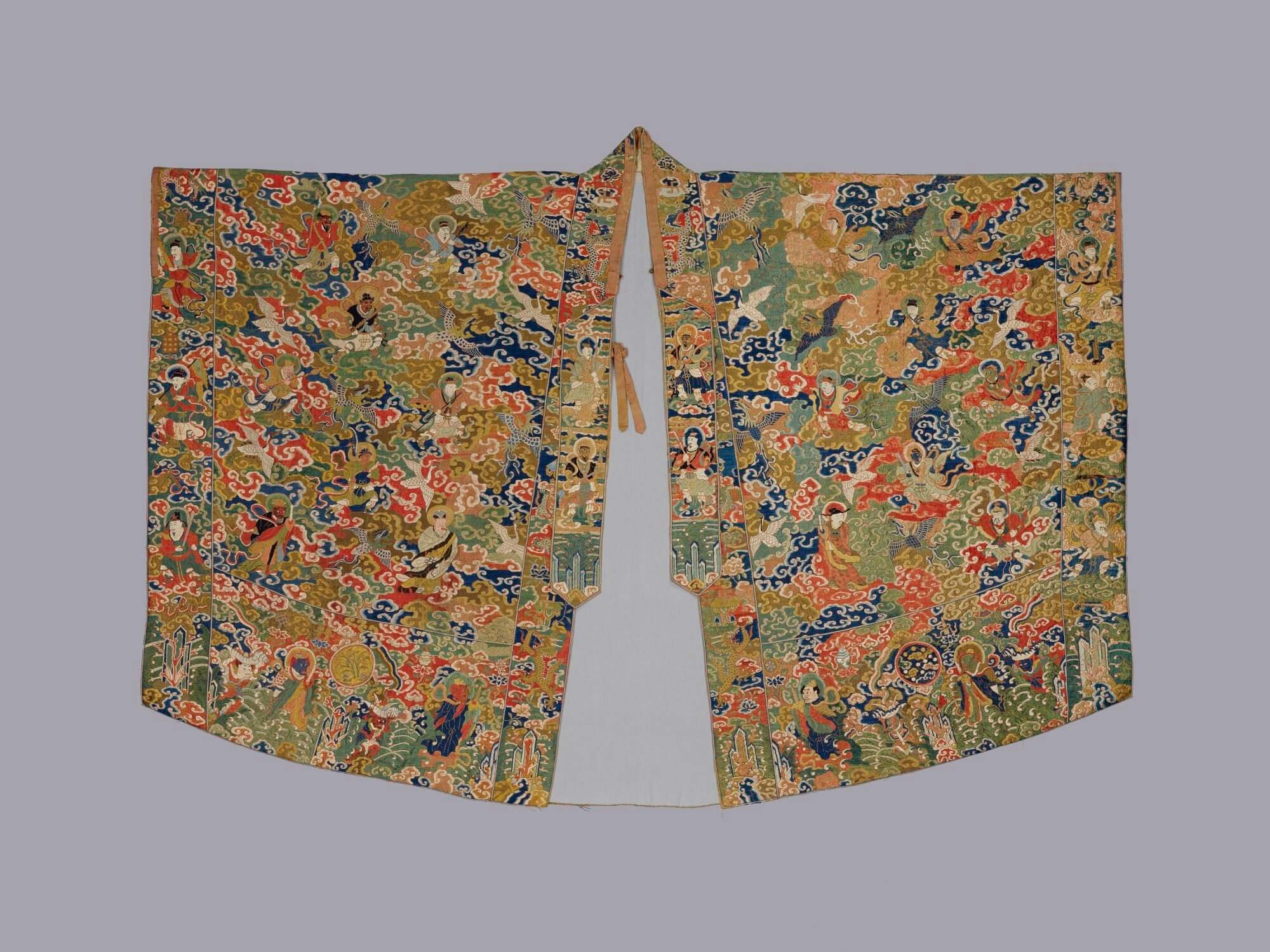
This embroidery from the Ming dynasty, likely dating to the Jiajing period, is crafted with polychrome and metallic-wrapped silk threads and is part of the same museum collection. Artisans have sewn nearly one hundred Daoist deities onto this robe, which was used as ritual paraphernalia, showcasing Daoist art and culture.
The back of the robe features the Three Daoist Officials of Heaven, Earth and Water, each conducting inspections in their respective realms, surrounded by lesser deities and attendants. Daoist followers made special offerings on their birthdays, seeking blessings, forgiveness of sins and protection from danger. A high-ranking priest likely wore this robe during rituals in a Daoist temple.
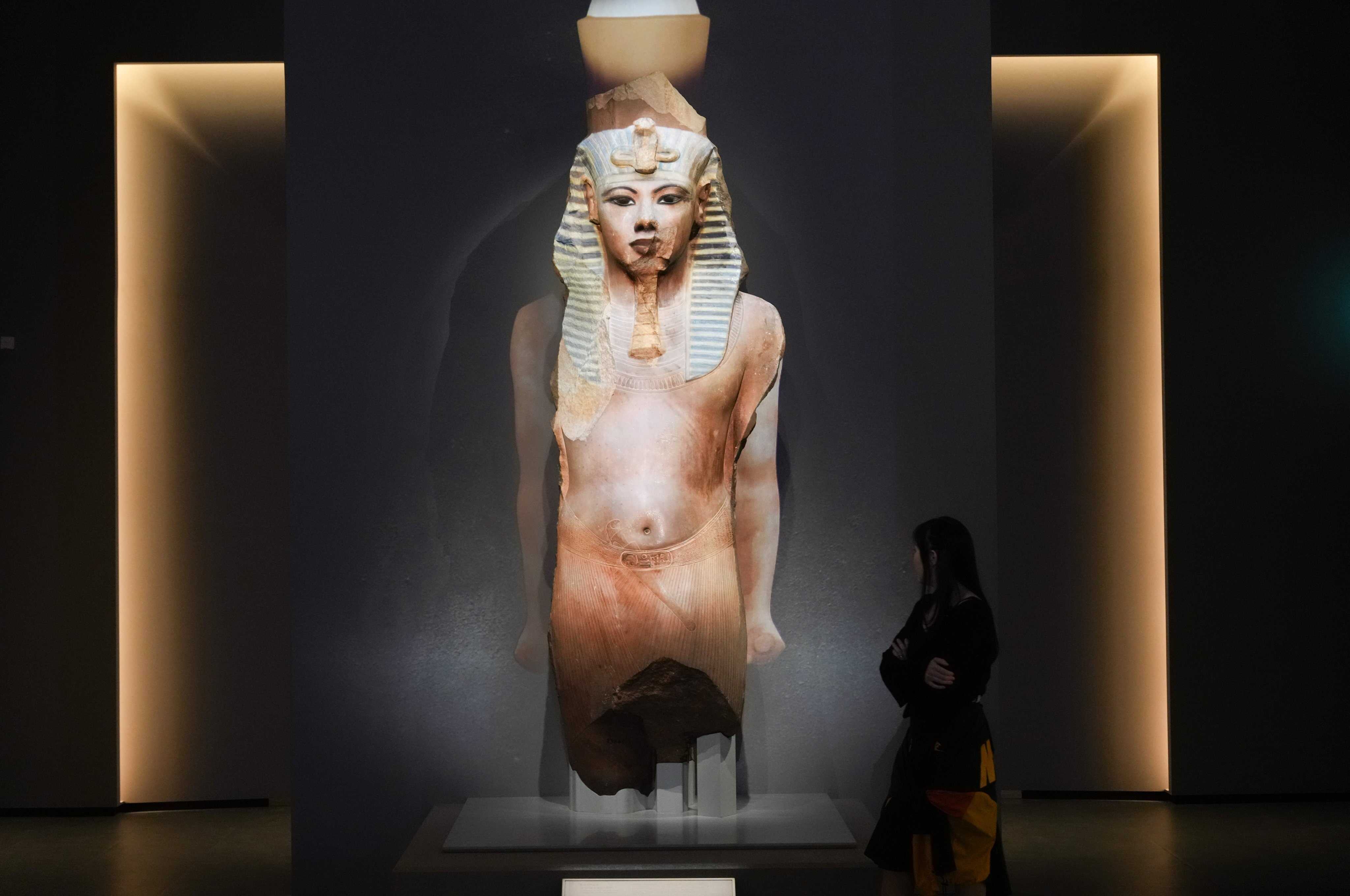
A visit to the museum offers more than just a glimpse of Chinese historical treasures; visitors can also explore how ancient Egyptians celebrated the New Year through the displayed relics in “Ancient Egypt Unveiled: Treasures from Egyptian Museums.” Additionally, guests can engage with ancient Egyptian deities and receive their blessings via an interactive screen located in Gallery 9.
Visit the Hong Kong Palace Museum’s website for more details about opening hours during the New Year holiday.