Every week, Talking Points gives you a worksheet to practise your reading comprehension with exercises about the story we’ve written.
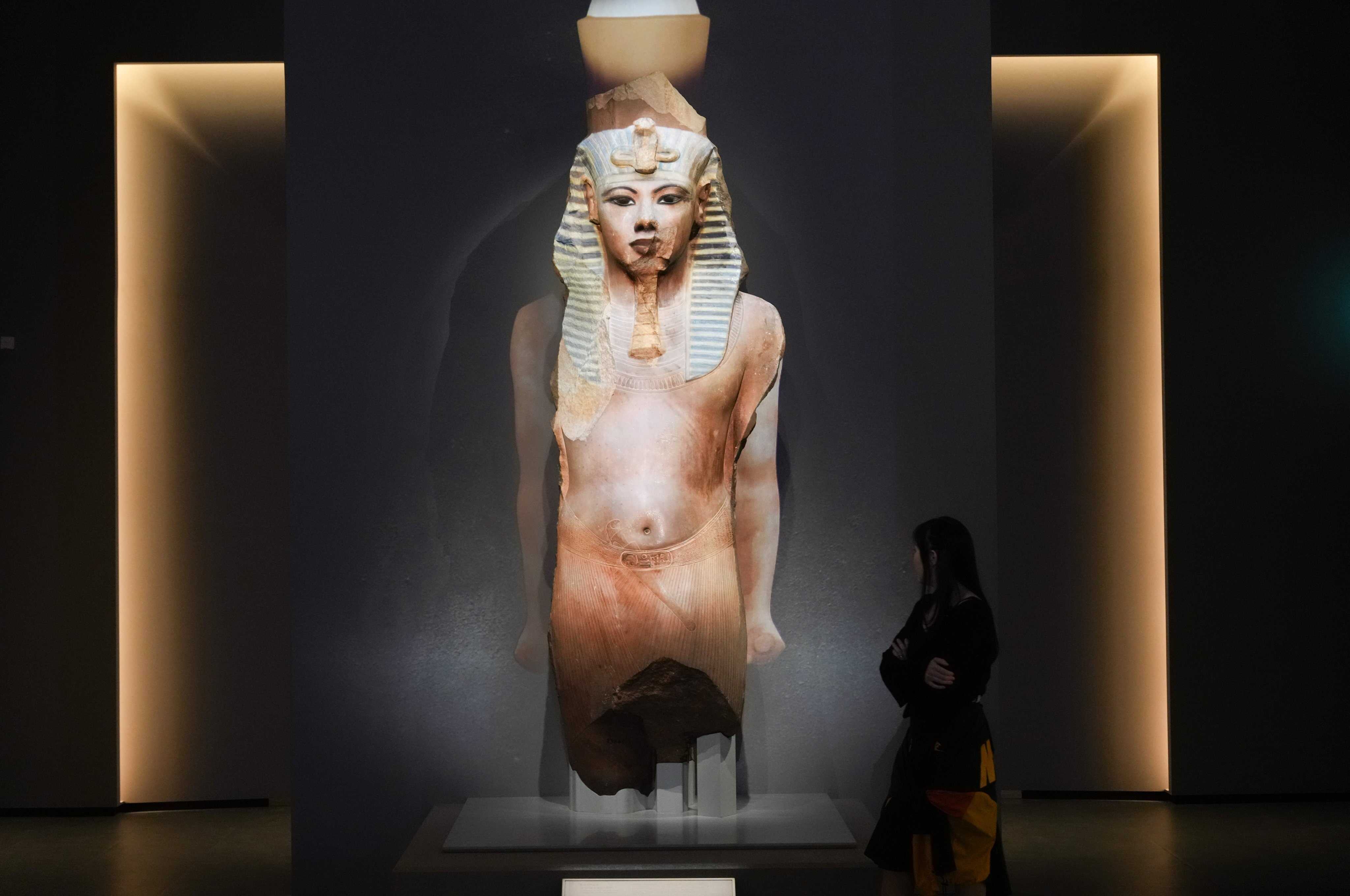
Imagine standing in front of an Egyptian pharaoh’s statue that is three metres tall. This statue survived more than 3,300 years of desert heat and being stolen by tomb robbers.
You can now see it in Hong Kong for the first time.
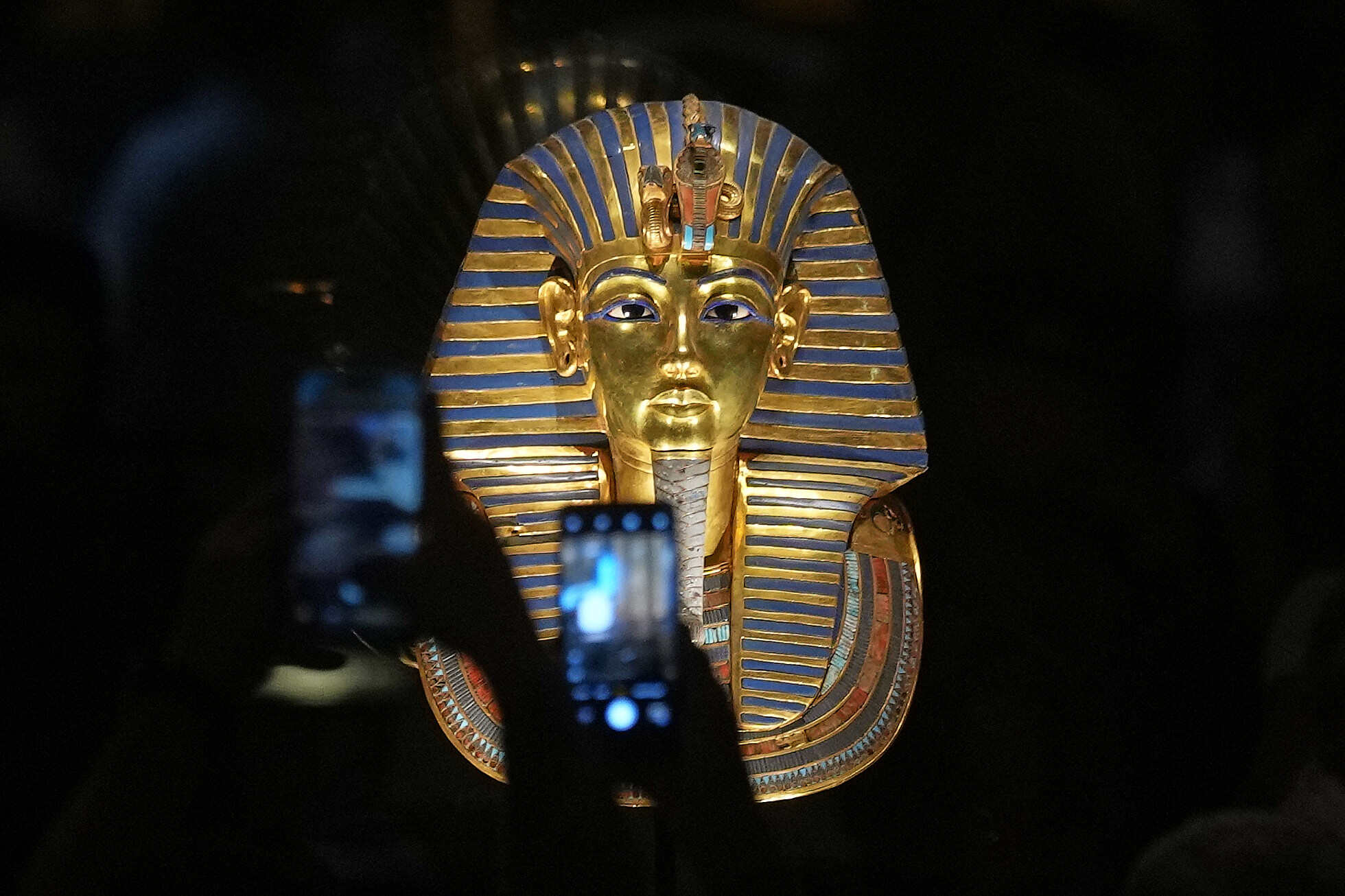
Mummies and other treasures from Tutankhamun’s tomb are now at the Hong Kong Palace Museum.
The exhibition is called “Ancient Egypt Unveiled”. It covers 5,000 years of history. It is the biggest display of Egyptian artefacts in the city.
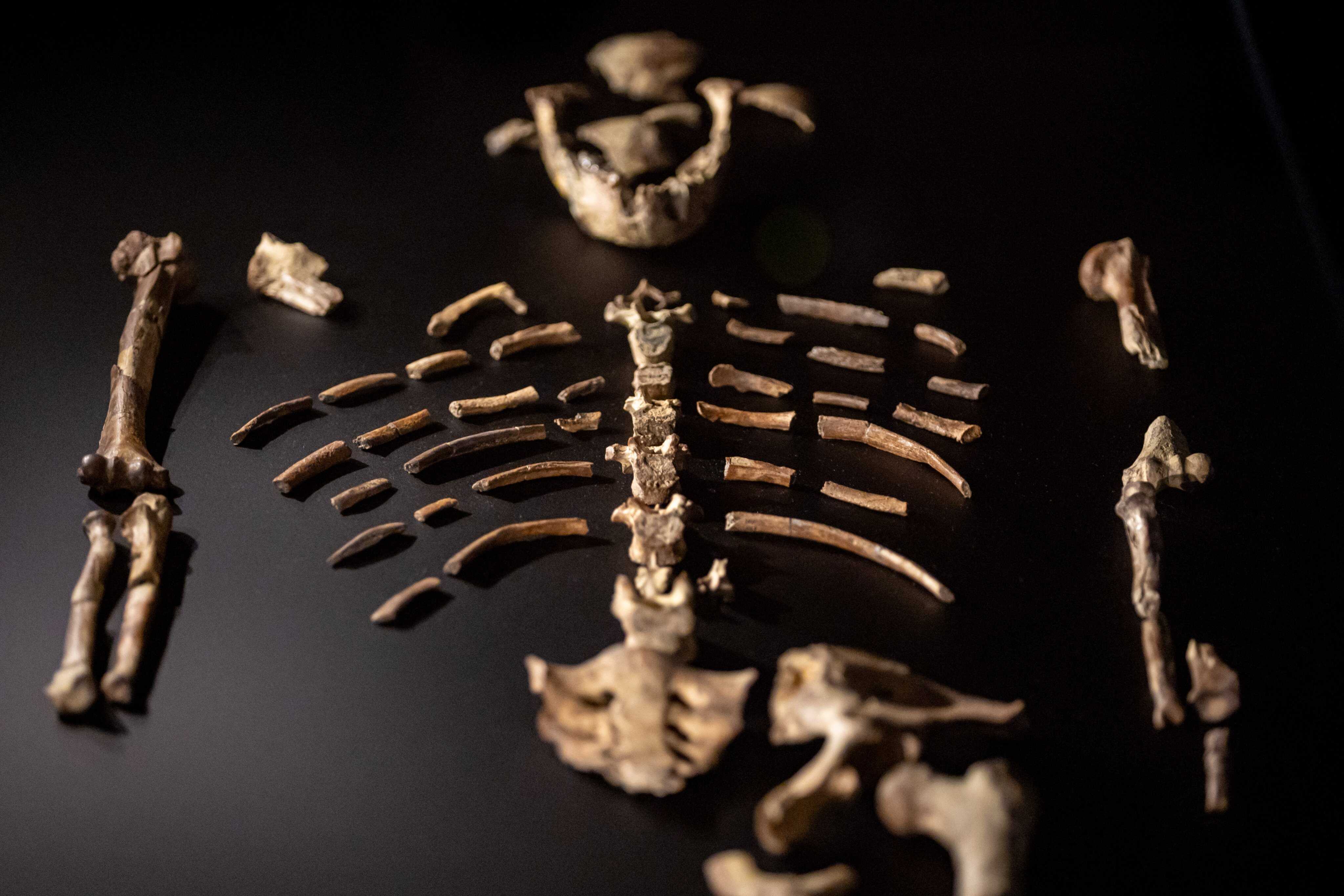
The exhibition has 250 amazing items. For example, you can see golden necklaces that showed a queen’s importance. There are also cat mummies that reflect how much people loved their pets. Many of these are being shown outside Egypt for the first time.
The exhibition has been very popular since it opened on November 20.
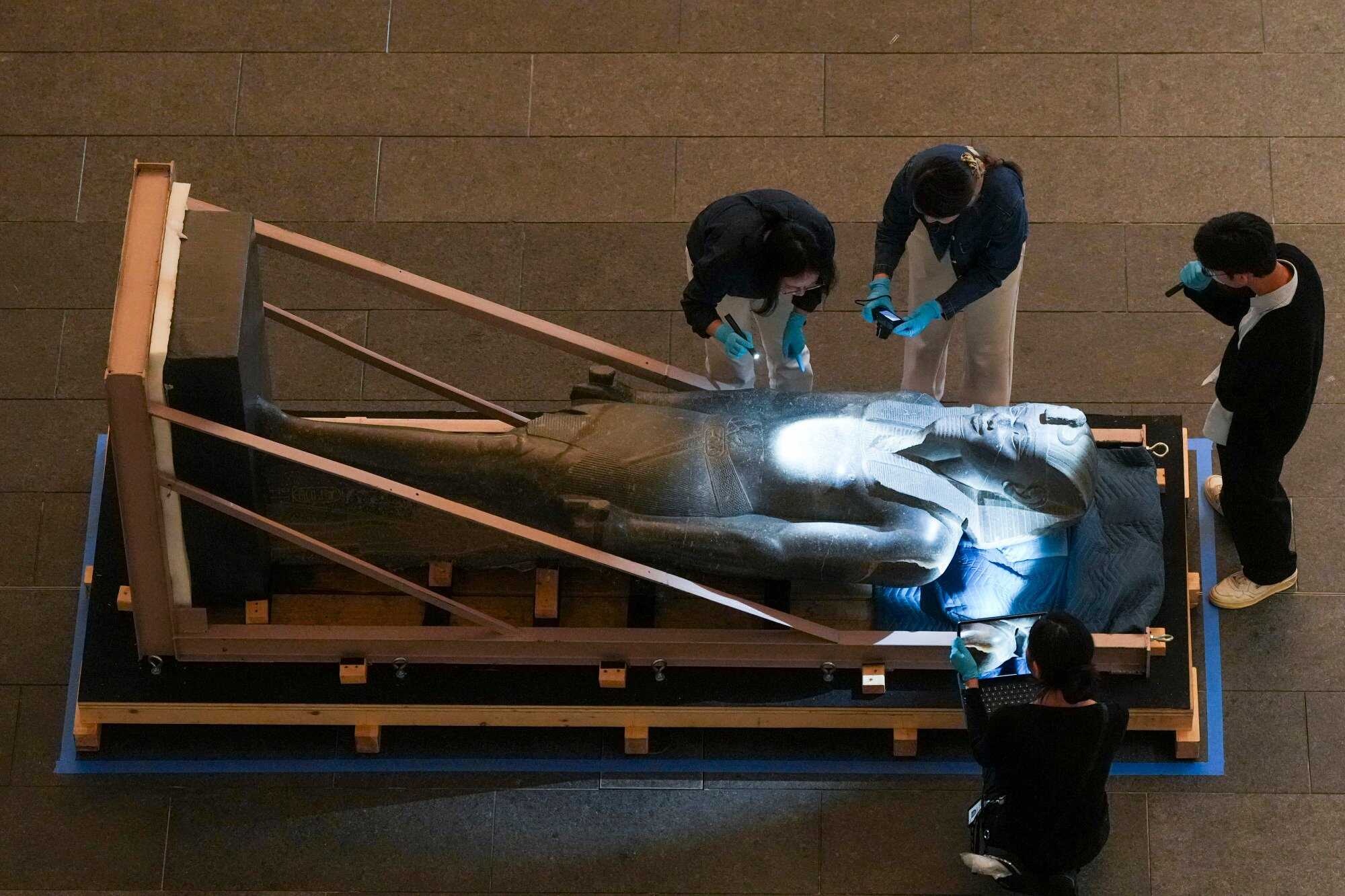
In its first four days, almost 16,000 people visited. The first weekend had long lines, so the museum decided to keep the exhibition open longer.
Allen Siu, 16, said he was excited to visit the museum with his parents. He has long been fascinated by Egyptian history.
“I love their legends and stories,” Allen said. “I have watched movies about pyramid adventures for a long time, and they are my favourite. I am so glad to finally see these valuable treasures.”
Why this exhibition matters
Last month, there was a lot of excitement about the opening of the Grand Egyptian Museum in Egypt. It is the largest archaeological museum in the world about one ancient culture.
Many items on display at the Palace Museum are similar in quality to those at the Grand Egyptian Museum.
The Hong Kong museum worked with Egypt’s Supreme Council of Antiquities to create the exhibition.
Yomna El-Bahar is the Egyptian deputy minister of tourism and antiquities.
She said the project was a crucial link between cultures.
“Through our collaboration with the Hong Kong Palace Museum, we celebrate the power of cultural heritage to unite people, inspire dialogue, and remind the world that history is a bridge – not a boundary,” she said.
Unveiling Egypt’s legacy
The journey at the Palace Museum is divided into four sections.
The main section is “The World of Tutankhamun”. This part is about the “boy pharaoh” whose name was long erased from history.
The exhibition also explores the “Secrets of Saqqara”. Saqqara is known as the “City of the Dead”, a large holy cemetery for animals.
Visitors can see mummified cats and cows as well as other artefacts. There is even an ancient toilet seat. It reminds us that even ancient civilisations had to take care of basic needs.
The exhibition also explores the Egyptian focus on the eternal afterlife. There are painted wooden coffins and amulets meant to meant to give a safe journey to the next world.
The last part looks at how ancient Egypt shared ideas with other cultures, like ancient China.
Bernard Charnwut Chan is the chairman of the West Kowloon Cultural District Authority Board. He noted how the Palace Museum was building international partnerships through art.
The exhibition ends on August 31, 2026. Special exhibition tickets cost HK$95 for students and HK$190 for adults.