Have something to say? Send us a letter using this form.
What must be done before dogs can re-enter public
Edwin Law Fu-wan, Raimondi College
For decades, the Hong Kong government has been toiling to create a more inclusive society by introducing more pet-friendly policies.
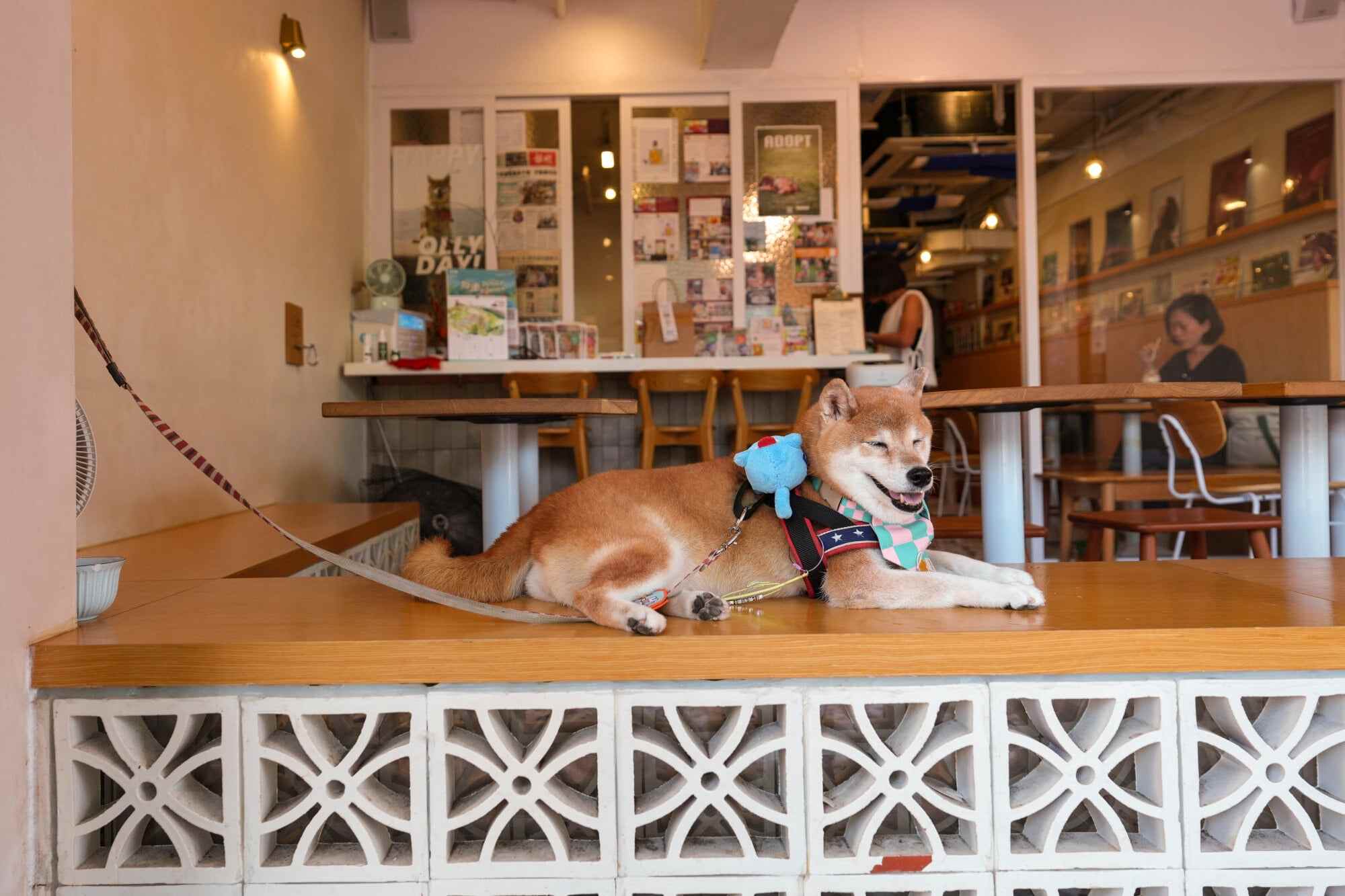
In July, a dog-inclusive dining scheme was rolled out, and it was well-received among restaurant owners and dog lovers. However, within just a month, 31 licensed eateries decided to pull out of the scheme, and 70 warnings were issued by authorities during environmental hygiene and food safety inspections.
The withdrawals show that the policy has room for improvement. Worse still, recent incidents of dog attacks and the animals running amok in public areas have also sparked public concern.
A more comprehensive review of pet-friendly initiatives in the city is needed. Not only do dogs present risks to restaurant hygiene, but they also pose a threat to public safety.
On August 20, a woman was found unconscious at a dog training centre in Ta Kwu Ling. She was pronounced dead at the scene. Closed-circuit television footage uncovered that the woman was mauled by a mongrel dog after trying to lead it to the cage. The dog was later found to have some pit bull ancestry, a fighting breed.
The government should ponder how to monitor dogs that carry genetic traits from fighting or dangerous breeds. It must also consider how to prosecute dog owners if they wrongly declare their pets’ DNA.
Preceding the mauling, an unleashed 60kg dog killed two small canines in Yuen Long. This incident also spread fear and panic among pet owners, specifically when walking their four-legged furry creatures in public areas.
These events tell us that regulations on leashes and dangerous dogs must be tightened to ensure everyone’s safety.
The pet-friendly dining scheme should be suspended temporarily to allow time for cultivating responsible pet ownership. Many complaints and non-compliance cases regarding the dining scheme centred on dangerous dogs entering eateries or dogs near food preparation areas.
Restaurants are retail outlets and customer-oriented. Even if their frontline staff offer verbal advice to pet owners, it is the responsibility of owners to follow rules and keep their dogs under control. Warnings should not be restaurants’ sole responsibility but one shared with pet owners.
The government should ensure pet owners are fully aware of the mandatory leash rules and sanitation practices to guarantee everyone’s safety.
Public safety is always a priority. It does not mean the scheme should be discontinued forever, nor that the pet-friendly initiative is bringing us down the wrong path.
A necessary halt is a pragmatic move. Polishing the current dining scheme will foster bonding between man and pets. Reviewing the overall pet-friendly initiative will pave the way for a more harmonious, stable and sustainable environment.
Young people must preserve our city’s culinary lineage
Choi Wing-yu, Christian Alliance S.C. Chan Memorial College
I am writing to share my reflections on Young Post’s cover feature “Cooking up a storm” published on September 14. Chef Mel Ng’s inspiring story deeply resonated with me, shedding light on a critical issue that our city can no longer afford to ignore: the alarming rate at which Hong Kong’s traditional eateries are vanishing.
As a secondary school student witnessing the steady erosion of our local food culture, I believe Ng’s journey offers a masterclass in how the younger generation can intervene.
Seldom do we realise that these historic restaurants are far more than mere commercial entities; they are the living, breathing repositories of our collective memory and cultural identity. But sentimentality alone cannot shield them from harsh economic realities.
What struck me most about Ng was her pragmatic approach. Recognising that traditional masters possess unparalleled craftsmanship but often lack modern marketing acumen, she astutely leveraged her business background and social media platforms to throw these struggling shops a lifeline. This synergy between heritage and modernity is precisely the catalyst our culinary industry desperately needs.
Armed with their digital literacy, tech-savvy youngsters can revitalise old-school brands. Not only can they breathe new life into precarious businesses, but they will foster a profound cross-generational connection – one that will allow youth to appreciate the grit and dedication of our culinary elders.
Schools should pioneer entrepreneurship projects that pair students with local food stalls. Ultimately, preserving our culinary lineage requires a shift from passive nostalgia to proactive innovation. It is my sincere hope that more young people will step up to ensure these flavours do not dissolve into history.

Keep the elderly safe from phone scams
Chan Chun-wing, Po Leung Kuk Ho Yuk Ching (1984) College
Many elderly residents in Hong Kong have fallen victim to phone scams that cost them significant life savings. It is crucial that we tackle this problem.
Most, if not all, of the elderly population were born before the internet was as widely used as it is today. There is a clear technology gap between younger and older generations, and the lack of digital safety knowledge leaves older adults vulnerable to phone scammers looking to exploit them.
To tackle the root of the problem, the government can help educate the elderly on how to distinguish between real and junk calls. The government can broadcast educational videos on television, which is the main source of information for the elderly.
As young people, we also play an important role in helping prevent the elderly from being scammed. We are tech-savvy, so we can teach them scam-prevention tips, such as installing anti-scam mobile apps to help block potential scam callers.
Protecting our elderly in the digital age is a shared responsibility for the government and residents. With concerted efforts from both the government and young people, we can help keep the elderly safe online in today’s digital era.

Thumbs down for the thumbs-up emoji?
Allegra Khomara, King George V School
Recent social media posts have disparaged the thumbs-up emoji, crediting the rejection to Gen Z. But why is the emoji so disliked?
A 2022 Forbes article declared that Gen Z had cancelled the thumbs-up emoji. Once a symbol of simple agreement or acknowledgement, the emoji representing the motion of putting your thumb up has turned into a mark of annoyance and passive aggression.
As a young person who uses the thumbs-up emoji constantly, however, I struggle to understand how the simple gesture can be taken so negatively. Although I can imagine some use the emoji to quickly leave a conversation or to send insincere agreement, I take the thumbs-up to say “I agree” or “Yes, understood.” I don’t register the hostility of a very common gesture and a useful emoji.
Of course, there are situations where the emoji is absolutely not appropriate. If someone is seeking consolation or advice, one should not send a single emoji as a response.
However, in situations where you set up a meeting place to hang out, send a reminder or even just notify someone, the emoji should be fine – and a “thank you” could accompany it. At the end of the day, I would argue that sending the thumbs up emoji is better than leaving someone on read.