Have something to say? Send us a letter using this form.
Hong Kong youth embraces thrifting
Aahana Mukhi, Island School
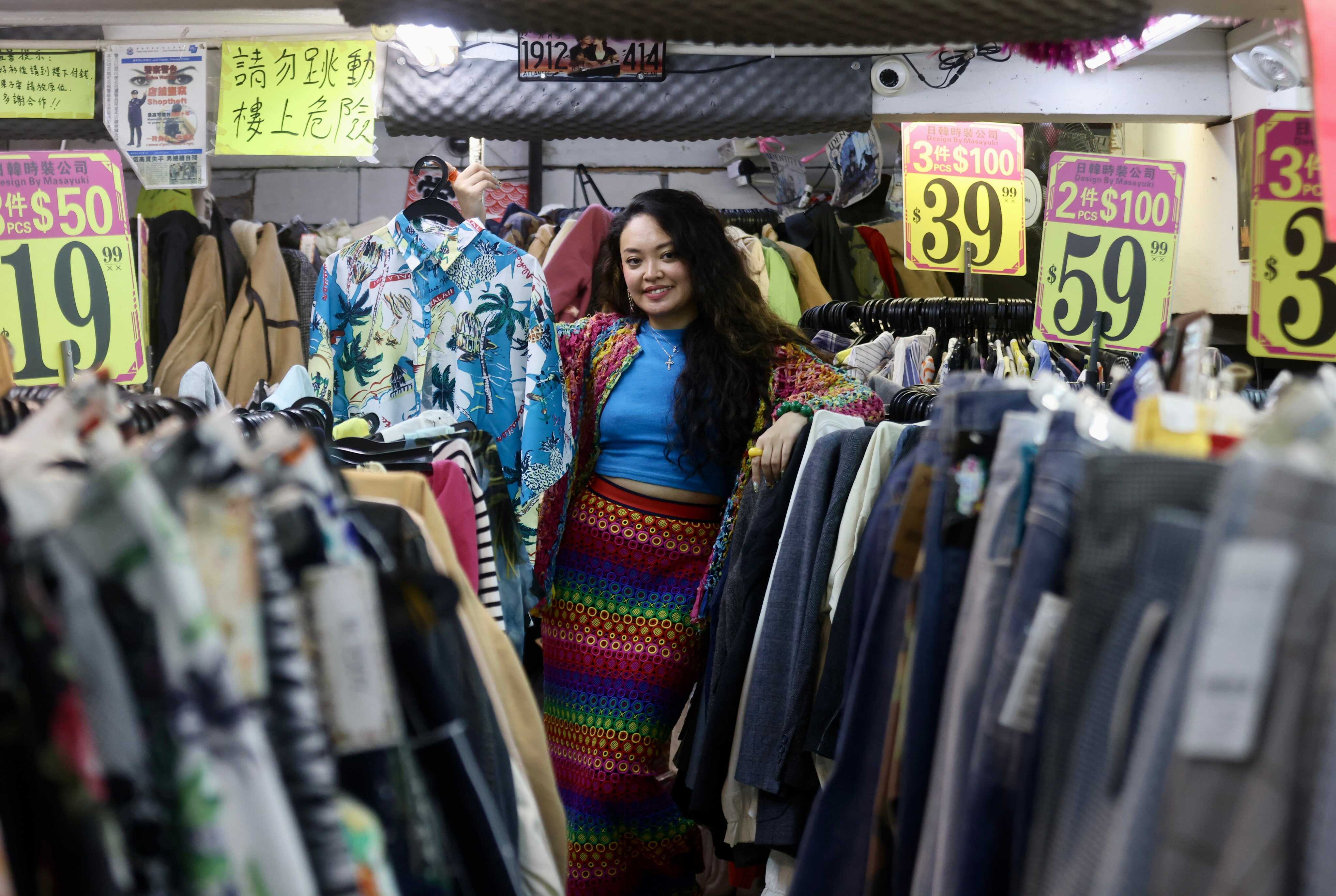
Second-hand clothes are not only sustainable but are more affordable than new clothes. Stigma and hygiene concerns once shrouded the sustainable fashion industry; pre-worn clothing was thought of as unclean, cheap alternatives to fast fashion.
Today, Hong Kong youth are embracing thrifting. Local chains like Mee and Gee are luring in shoppers and tourists with racks of HK$10 blouses and blazers.
Second-hand pop-ups like Old But Gold and TOP Swop are beginning to emerge around the city. And independent Instagram shops are gaining traction as users race to claim one-of-a-kind listings.
But why has thrifting suddenly become the definition of cool?
One reason is its destigmatisation, following “hauls” and “challenges” on social media, where favourite influencers flaunt finds and make thrifting feel aspirational. Fashion trends from the 2000s help second-hand clothing branded as “vintage” or “Y2K” sell. Social media also gamifies thrifting with quests for hidden gems and deals.
Increasing awareness of the environmental damage caused by fast fashion has also contributed to this. Consumers are recognising the repercussions of profit-chasing brands churning out cheap clothing.
How low-budget animated film Niu Lai went viral
Hillie Ip Hoi-yin, St Catharine’s School for Girls
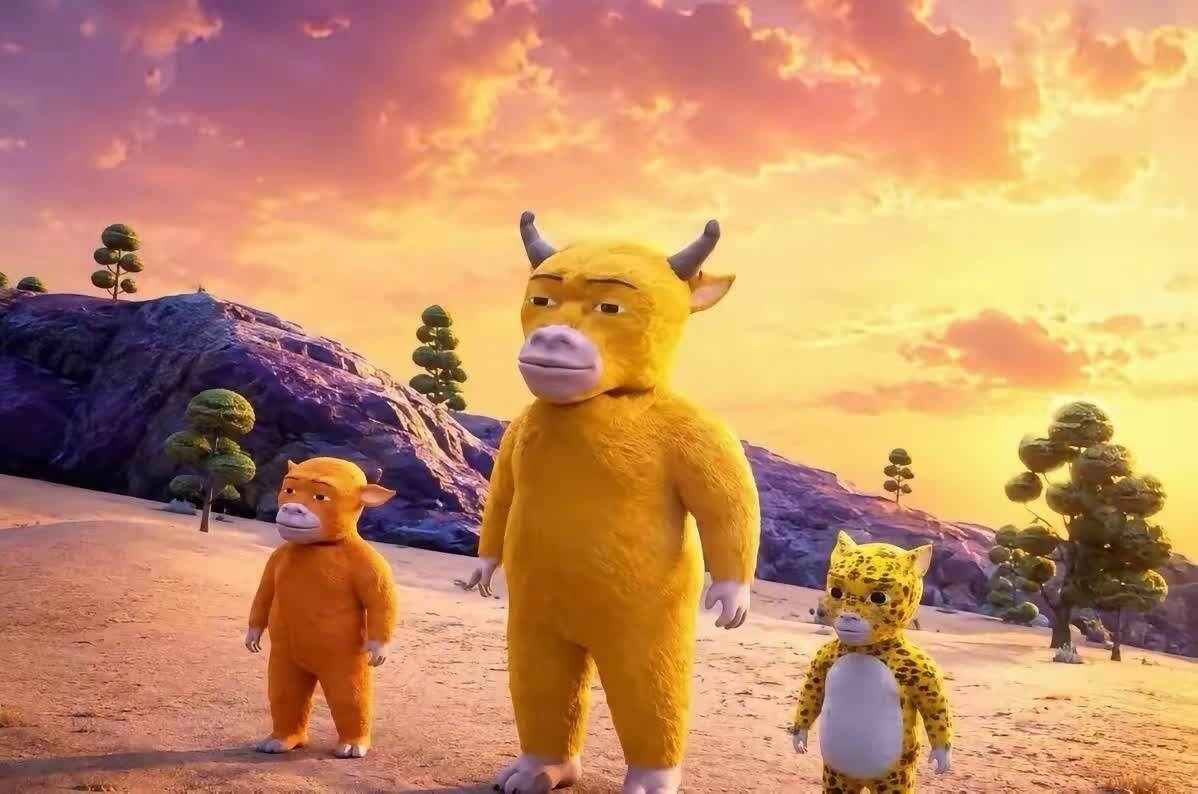
A low-budget animated film has become a burning topic on Chinese social media. Directed by Xin Yumeng and written by his mother Sun Lifang, Niu Lai was made on a reportedly tiny budget of just 20,000 to 30,000 yuan (HK$23,430 to HK$35,150).
The film took over five years to make and was finally released in August.
It follows Niu Lai, a newborn calf who struggles to stand up. He passes out and has a dream about courage, friendship and sacrifice. As he wakes up, he brings his new-found strength and bravery back into the real world.
But this charming plot has little to do with the film’s virality.
Initial box office sales struggled until the film suddenly became a talking point online for its low-quality animation. Its notoriously bad graphics and animation, and some stand-out dialogue, paved the way for the film’s surprising success.
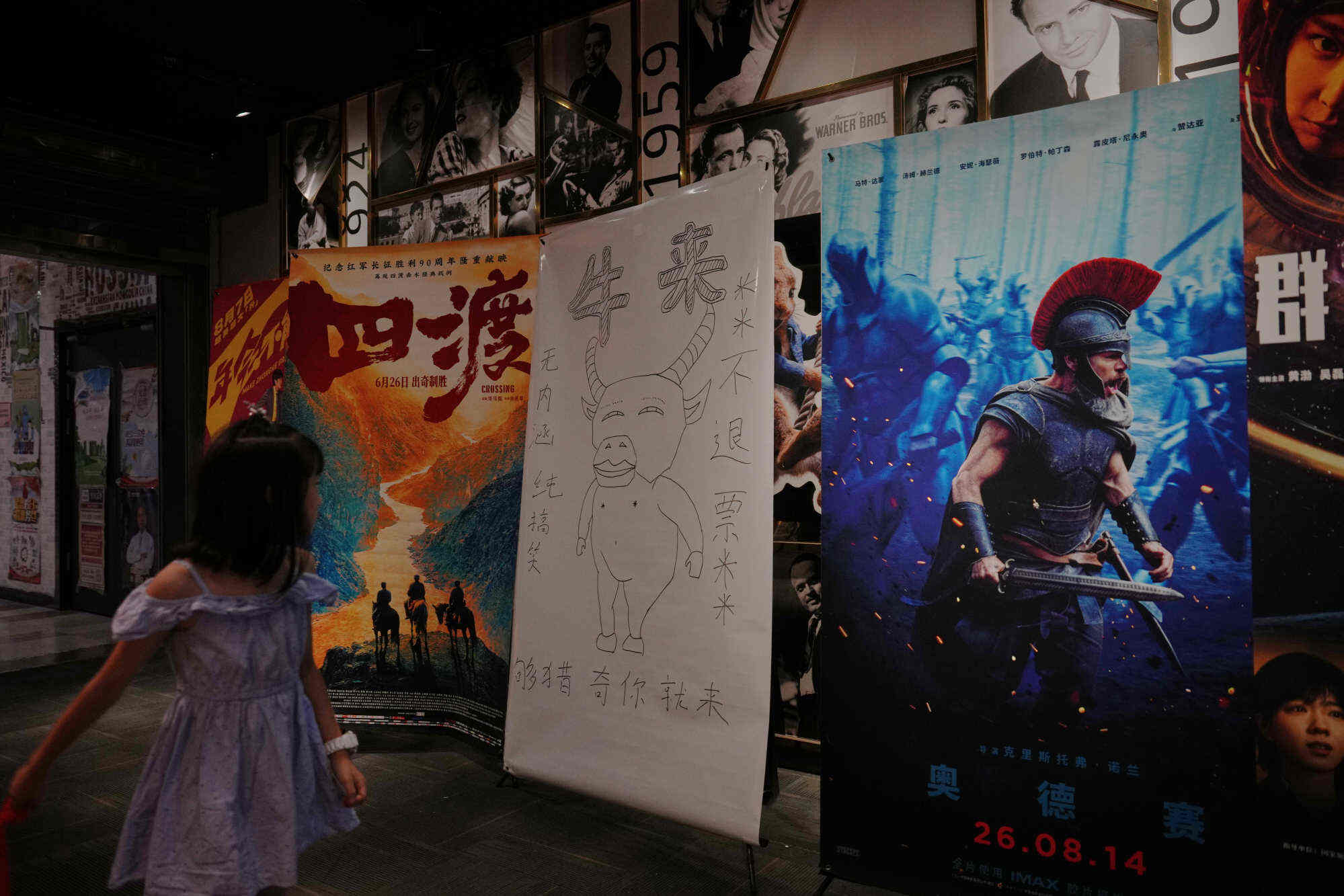
The film features stiff movement, rough rendering and horrible visuals. It accidentally made for perfect meme fuel. Its budget was so low that it did not have marketing allowance, resulting in some cinema staff hand-drawing the posters themselves.
The film has shockingly become one of the most profitable films ever in terms of a gross-to-budget ratio.
Foil and épée fencing in Hong Kong
Eve Constance Chung, St Mary’s Canossian College
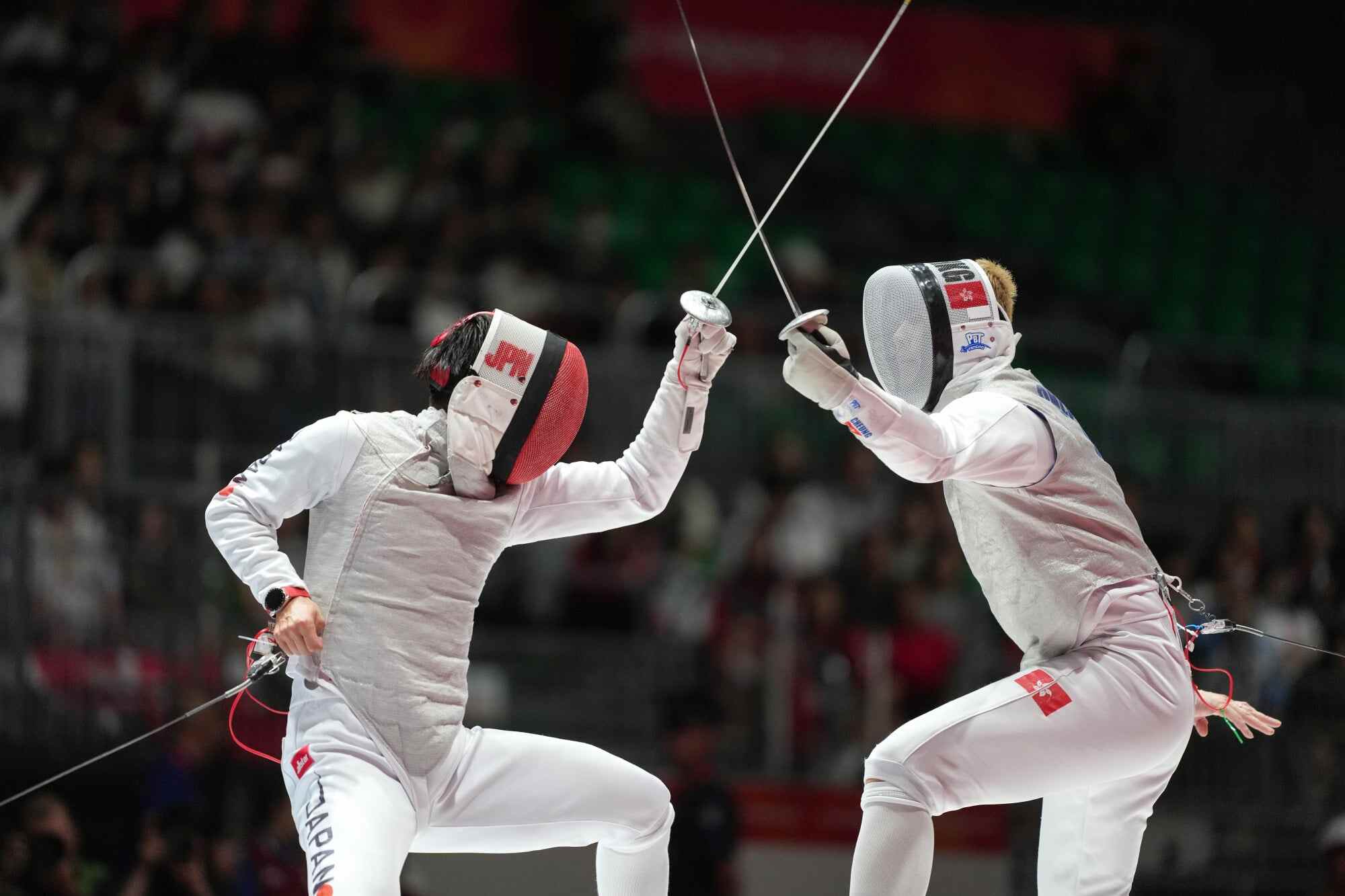
What is fencing? It is a vigorous physical and mental game that builds muscle, hand-eye coordination, patience and concentration.
As a foil and épée fencer in Hong Kong, competing has helped me build confidence, emotional control and a great sense of achievement.
In fencing, you score by touching your opponent with your sword, which can be a foil, épée or sabre. Although it might seem scary, I highly encourage trying the sport out!
Hong Kong has incredible fencers to look up to. In foil, Cheung Ka-long won back-to-back Olympic gold medals through sheer perseverance. In épée, Vivian Kong overcame multiple injuries to achieve her Olympic gold dream.
Their journeys prove that hard work and self-belief lead to success. Don’t be afraid to chase your dreams or step out of your comfort zone to try something like fencing!

The timeless toy that is the yo-yo
Abigail Cheung Sin-yin, Christian Alliance S.C. Chan Memorial College
Considered one of the oldest toys in history, archaeological records trace yo-yo-like items back to ancient China and Greece, around 440BC.
Ancient Greek vases depict children playing with terracotta, wood or metal discs on strings. When these children grew up, tradition dictated they place their childhood yo-yos on the family altar to pay homage to the gods.
So, how do you play with it? When you hold a wound-up yo-yo, it has potential energy. Dropping it lets gravity convert that into kinetic energy. The rapid spin creates angular momentum, acting like a gyroscope to keep the yo-yo perfectly upright.
To make it return, give the string a slight upward tug. This slack causes the string to catch against the spinning axle, forcing the yo-yo to wind itself back up to your hand.
Why is it so popular? First, it is highly portable. You can play anywhere without needing a partner or large space. Second, controlling a fast-spinning, chaotic object with a single finger provides a strong sense of personal achievement.
The yo-yo is a world-famous toy and features in childhood memories for many. While they can be hard to find in modern toy shops, if you spot one, I highly recommend picking it up and giving it a try!