Every week, Talking Points gives you a worksheet to practise your reading comprehension with exercises about the story we’ve written.
Scrolling through fashion feeds on social media might feel intimidating. One video tells you to wear colours that match your skin tone. Another says your body type should determine what you wear.
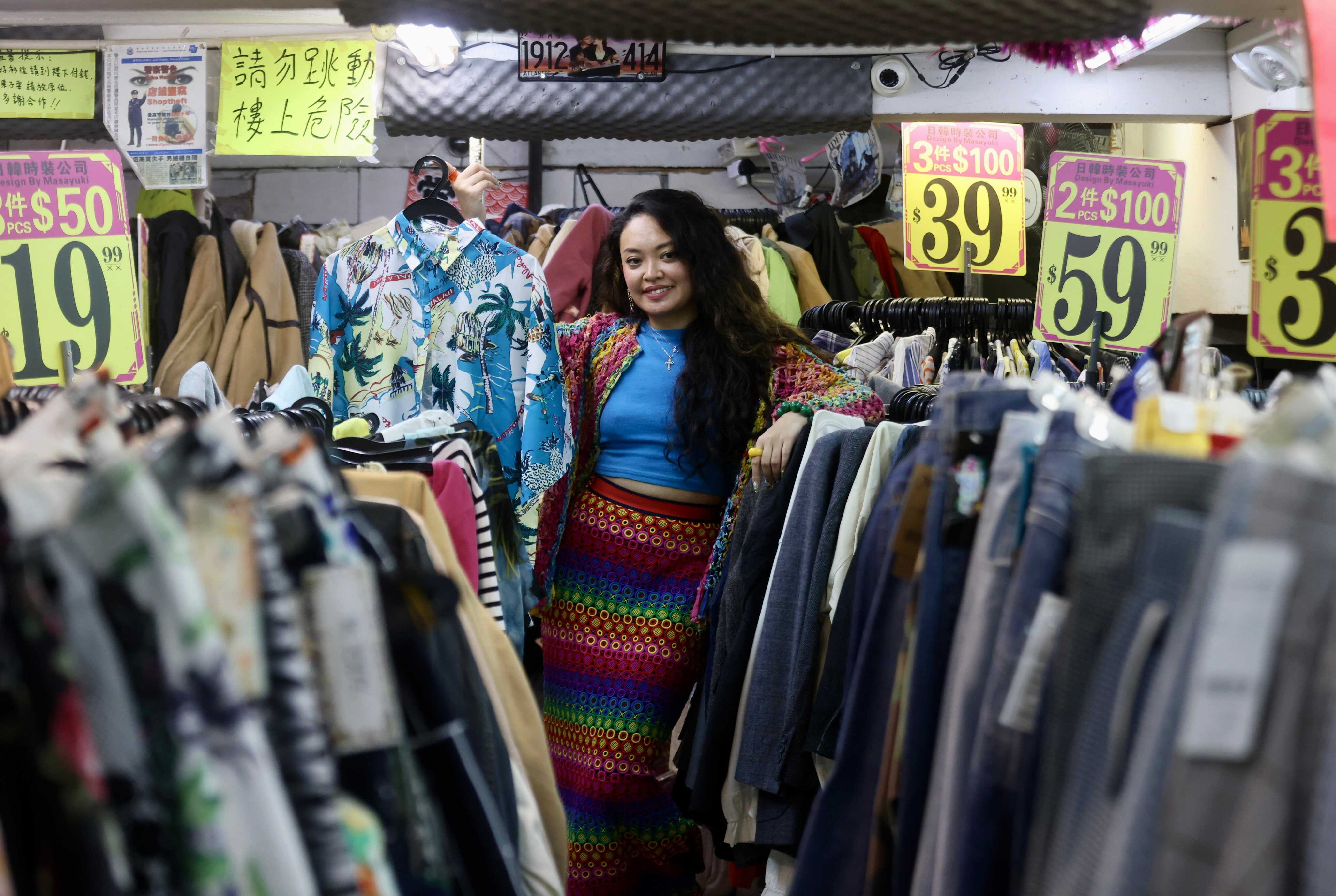
Dianne Gupta shares sustainable styling tips on her Instagram account, @dianneisdressed. She believes style is less about following rules and more about discovering who you are.
“People will always have a perception of you, [whether you] want it or not,” the 29-year-old fashion content creator said. “I think [fashion] is an important way to tell yourself and the world who you are.”
Clothing and confidence
In fashion and psychology, the concept of “enclothed cognition” suggests that the clothes we wear can affect how we think, feel and behave.
Gupta noted that people often gravitate towards certain colours. These colours may reflect their personalities or the emotions they want to feel.
“I think ‘fake it till you make it’ definitely works in this scenario,” she said. “Students can use [colours] to their advantage when they need to trick their brain into feeling something.”
Many teenagers are still figuring out their identities. In this case, fashion can become a safe way to experiment.
Gupta suggested taking small steps. For example, you could pair a bold piece that feels intimidating with something you already love wearing.
She believes clothes can act like a suit of armour.
“Before I found my personal style, I wore a lot of neutrals,” she explained. “I wasn’t fully happy or confident. I felt too scared to take up space. My style now feels very unapologetic.”
Throw away the rule book
Many of the fashion “rules” on social media are not as important as they seem.
One example is clothing sizes. Gupta said that sizing is inconsistent across brands and countries. This means that the number on a label does not define a person’s body.
Gupta noted that many teenagers are afraid to experiment with fashion. They want to “get to perfection immediately”. However, this can hold them back.
“If you want to really have a personal style, there’s a lot of trial and error,” she said.
Hacks for fashion beginners
Gupta shared three budget-friendly tips for students who are developing their own styles.
First, add a pop of colour to a simple outfit to enhance balance and contrast. Gupta said that a bright bag, a pair of colourful shoes or even bold lipstick can make a big difference.
Second, play with the small details of your outfits. For example, roll up your sleeves, or tuck in part of your shirt. You could even replace the buttons on a black shirt with red ones. Tweaking the details of your clothes can refresh an outfit without buying anything new.
Finally, give old clothes a second life. Borrow from family members, swap clothes with friends or personalise an item with simple embroidery.
Gupta hopes teenagers will stop worrying about looking perfect. She encouraged them to develop a personal style that helps them feel confident.
“Focusing on external things can be seen as a bit vapid, but personal style isn’t just about looking ‘good’,” Gupta explained.
“Being comfortable in your own skin and being unapologetic about how you wear [something] is part of having a personal style.”