“Cooperation? Did you mean Cupertino?”
While this might appear to be a trivial mistake, early computer spellcheckers frequently substituted the word “cooperation” for “Cupertino”, the city in California best known as the headquarters of the global technology giant Apple.
Even though companies have enhanced their spellchecking software and developed products utilising generative artificial intelligence (AI), predictive text still encounters issues.
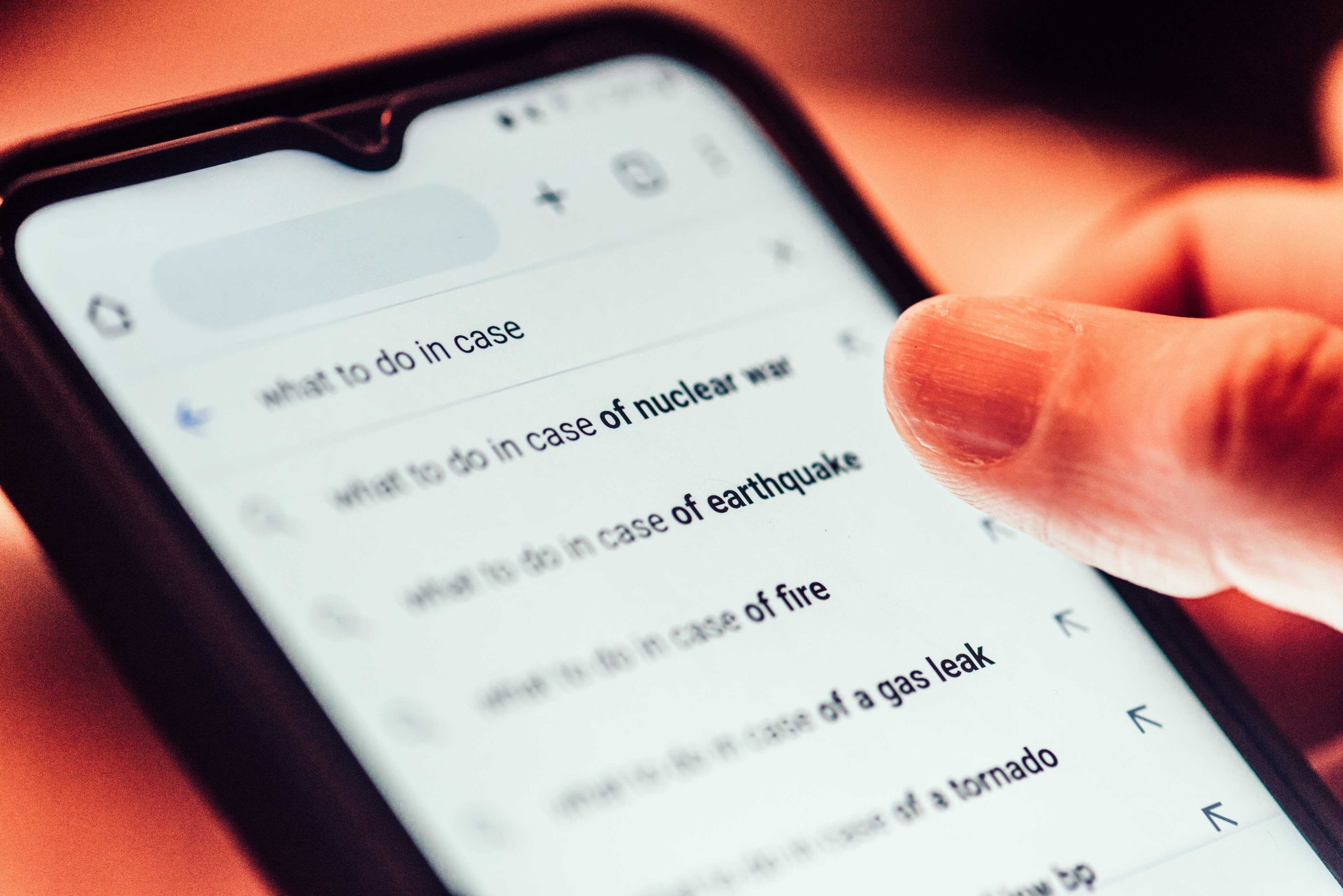
For instance, when we use autocorrect in text messages, compose emails with suggested words, or employ proofreading software for our writing, our devices may suggest words that don’t quite match our intended meaning.
Additionally, as predictive text becomes more accessible and widespread, it could influence how teens develop their voice and communication style.
The problem with predictive text
According to psychologist Andrew Stock, continuous predictive text suggestions can disrupt a user’s thought process and serve as a distraction.
Stock, the president of the Psychotherapy Society of Hong Kong and a founding partner at Therapy Partners, observed that teenagers are particularly susceptible to distractions because their prefrontal cortex, which is the area of the brain responsible for focus, is still developing.
Stock noted that predictive text could lead teenagers to become reliant on it to complete their sentences. The psychologist warned that this constant use might train users to think less independently.
“Because they focus on finishing the message quickly, teens pay less attention to the structure and content of their thoughts. This hurried way of communicating, encouraged by predictive input, can make their writing less thoughtful,” the psychologist pointed out.
A study presented at the 25th International Conference on Intelligent User Interfaces in 2020 found that image captions generated with predictive text prompts were shorter and more predictable than those written without these prompts.
Additionally, teenagers might begin to incorporate inaccurate word suggestions into their everyday language.

In the long run, Stock is concerned that the reliance on predictive writing could make it hard for young people to develop other communication skills.
“I find myself increasingly having to coach the teens I work with on how to navigate a phone call,” he said.
What students should do
At the same time, Stock mentioned that AI predictive text can still assist students learning English by helping them correct basic grammar mistakes and improving their sentence flow.
“Properly used, AI can scaffold writing skills by providing structure and enhancing fluency,” he said.
This support is crucial for students with typing disabilities.
For young people aiming to cultivate independent thinking in their writing, Stock suggested beginning with effective digital habits. This involves turning off predictive text when engaging in creative and academic tasks, as well as dedicating time to practice writing offline.
It is also vital to reflect on the world and cultivate real-world communication skills.
Companies should be transparent about how their products impact children’s development and implement safeguards to prevent young people from becoming overly dependent on their technology.
“Teaching healthy habits is only part of the solution; ethical AI rules are vital because many developers do not focus on user well-being,” the psychologist said.