
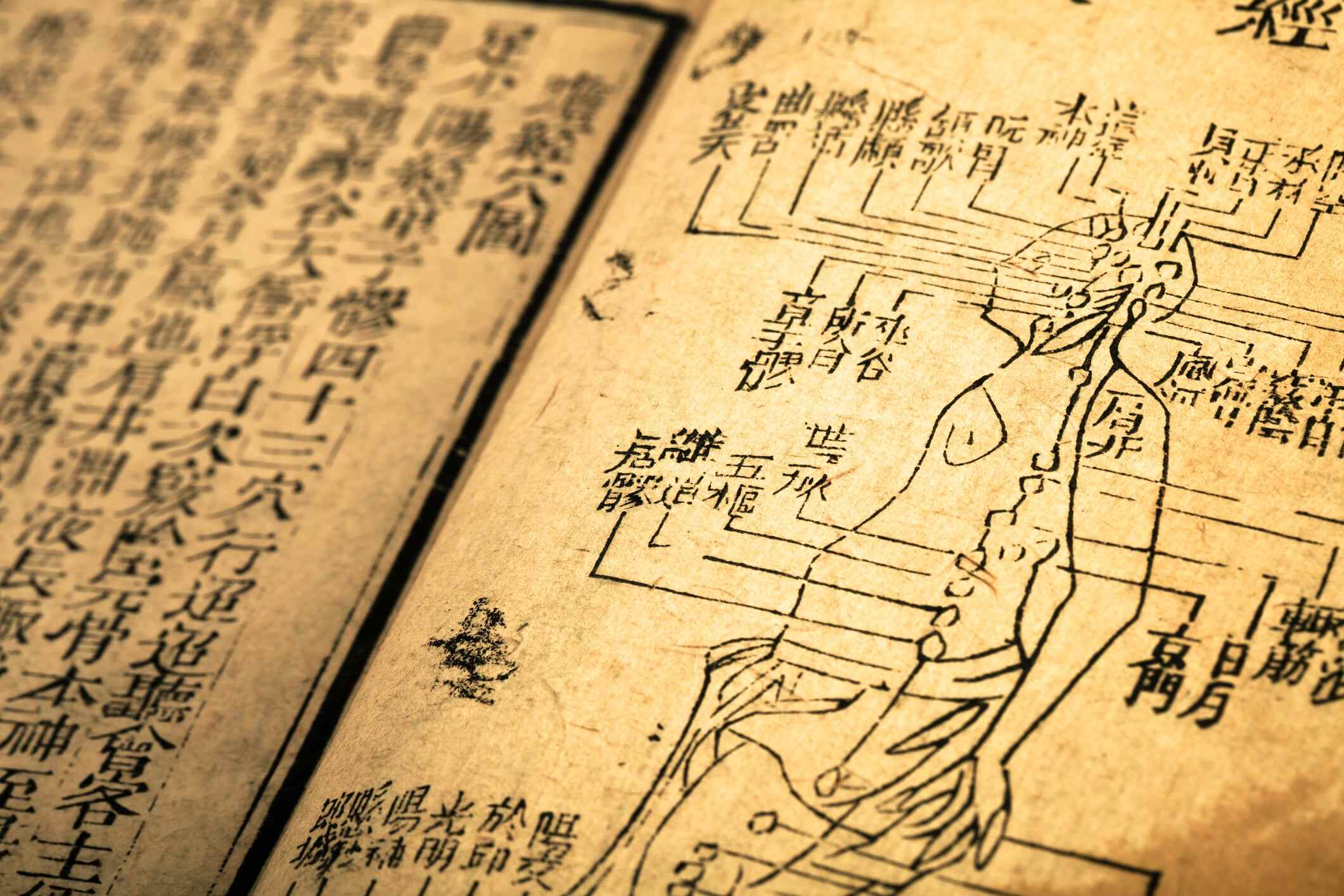
For generations, working with ancient Chinese texts has been a painstaking task.
Specialists would spend years identifying unfamiliar characters, copying manuscripts by hand, adding punctuation to texts written without it, comparing different editions and tracing references across thousands of years of records.
But artificial intelligence (AI) is now changing that process, not only by helping to preserve fragile manuscripts but also by transforming how ancient texts are recovered, studied and shared.
How technology is making the ancient accessible
As China increases its efforts to digitise a huge collection of ancient works, universities and technology companies are helping to turn the country’s rich literary heritage into an open digital resource.
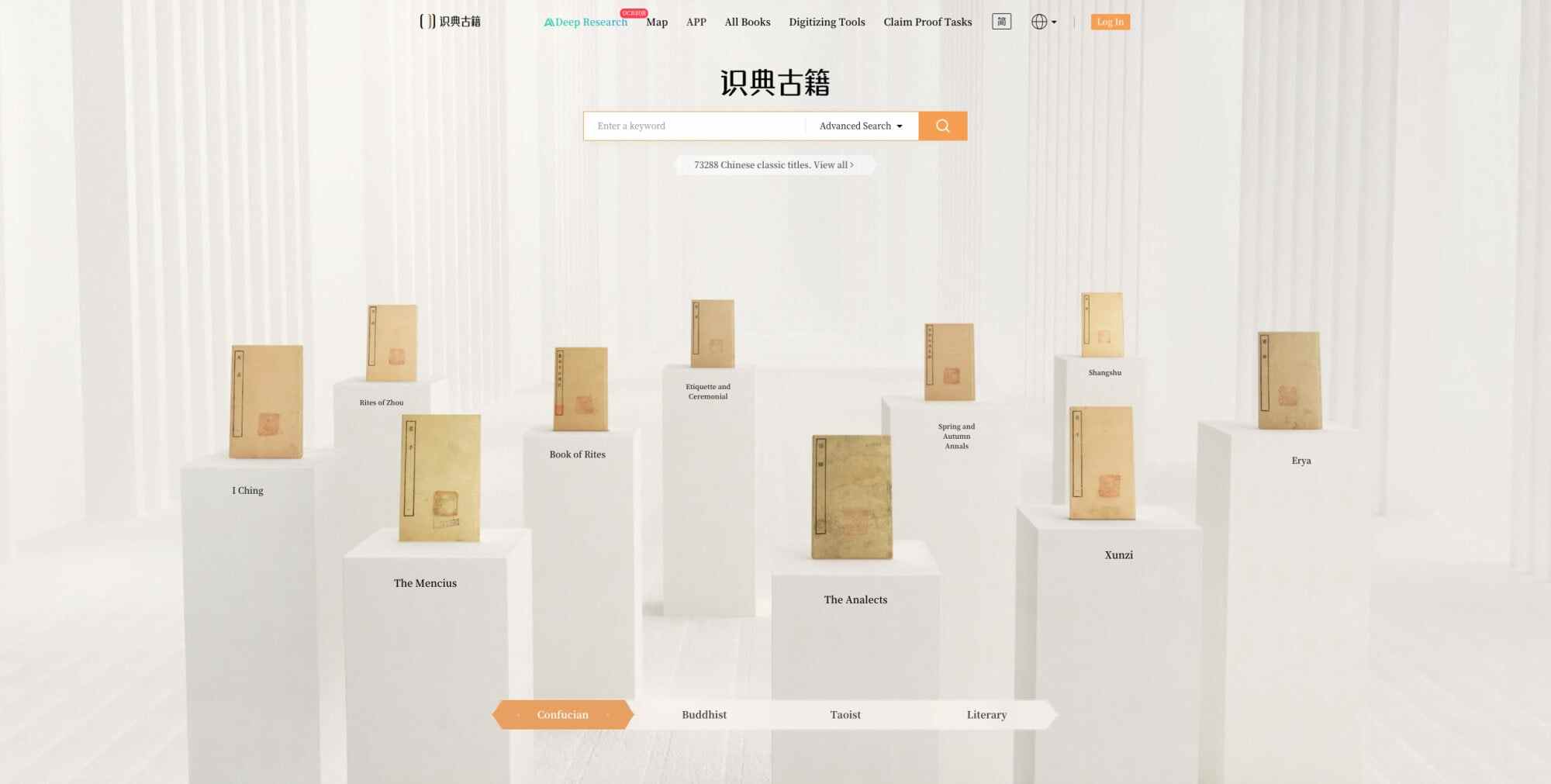
An example of this is Shidian Guji, an online database of more than 70,000 ancient works. All of them are freely available to the public. It was launched in 2022 and jointly developed by ByteDance and Peking University in Beijing.
The database provides tools for searching and reading classical works, including modern language versions of ancient texts and chatbot-based interactions that help users explore them. In July, Shidian Guji published a collection of almost 2,000 traditional scientific works covering fields such as astronomy, mathematics, agriculture and engineering.
Sun Xianbin is a researcher at the Institute for the History of Natural Sciences at the Chinese Academy of Sciences. He told Shangguan News that the digital archive held centuries of China’s “indigenous knowledge system”.
This concept has become more popular in recent years, as Beijing tries to promote ideas rooted in China’s intellectual traditions rather than imported Western concepts.
Beyond technology’s ability to help people access classical Chinese texts, AI-driven digitisation also offers a way to facilitate the “digital return” of ancient manuscripts from overseas. Millions of Chinese texts are kept in collections in countries such as Japan, South Korea and the United States – partly as a result of war and social upheaval.
Several projects have been set up to make these works available to the public.
One is run by the Harvard-Yenching Library in the United States. It has made digital copies of more than 6,000 rare Chinese books available online. These include some works that are valuable because no surviving copies exist in China.
But even when ancient texts are digitised, they can be difficult for non-specialists to read.
Tsui Lik-hang is an associate professor from the department of Chinese and history at City University of Hong Kong. He said AI was helping to remove barriers for modern readers by adding punctuation, glossaries and translations for classic works.
“Much premodern Chinese material is inaccessible not because it is locked away, but because it is unreadable to most people,” he said.
But Tsui warned users to be aware of which elements were supported by historical sources and which were created by AI.
AI’s role for historians
For Tsui, AI’s value lies beyond preserving ancient texts – the more difficult stage is after digitisation when “interpretive operations” are needed to create usable research materials. These operations can include punctuating the text, identifying people, offices, places and dates, as well as annotating allusions.
Tsui said such tasks were “until recently mostly done by hand”, but machine learning had become increasingly useful in assisting with them. Handwritten text recognition was also improving rapidly with AI models, he added.
Tsui said historians had always sensed connections between certain authors, texts and historical periods – but proving them often needed a great deal of reading and note-taking. But now, he said AI tools could help him shift from studying a single written letter to finding patterns across “hundreds of documents by various different authors”.
But Tsui said AI should not become a substitute for directly engaging with historical sources.
“Historical research is … a trade in which scholars find pleasure in reading, interpreting [and] explaining,” he said. “If we always let a predictive machine sit between ourselves and the sources, we lose that.”
He also warned that large language models sometimes made up names, dates or citations, and their “confidence” could make it hard for non-specialists to spot issues.
More importantly, Tsui added: “Interpretation in the humanities is multiple and contested by nature. An AI model returning one confident reading could flatten that.”
Historians, he added, should play a role in shaping these AI systems, which could not replace historians.
“Historians and humanities scholars are trained critics and readers of all kinds of sources. We weigh evidence, argue over meaning and context, and go deep,” he said. “This is precisely what we need in the age of AI models.”