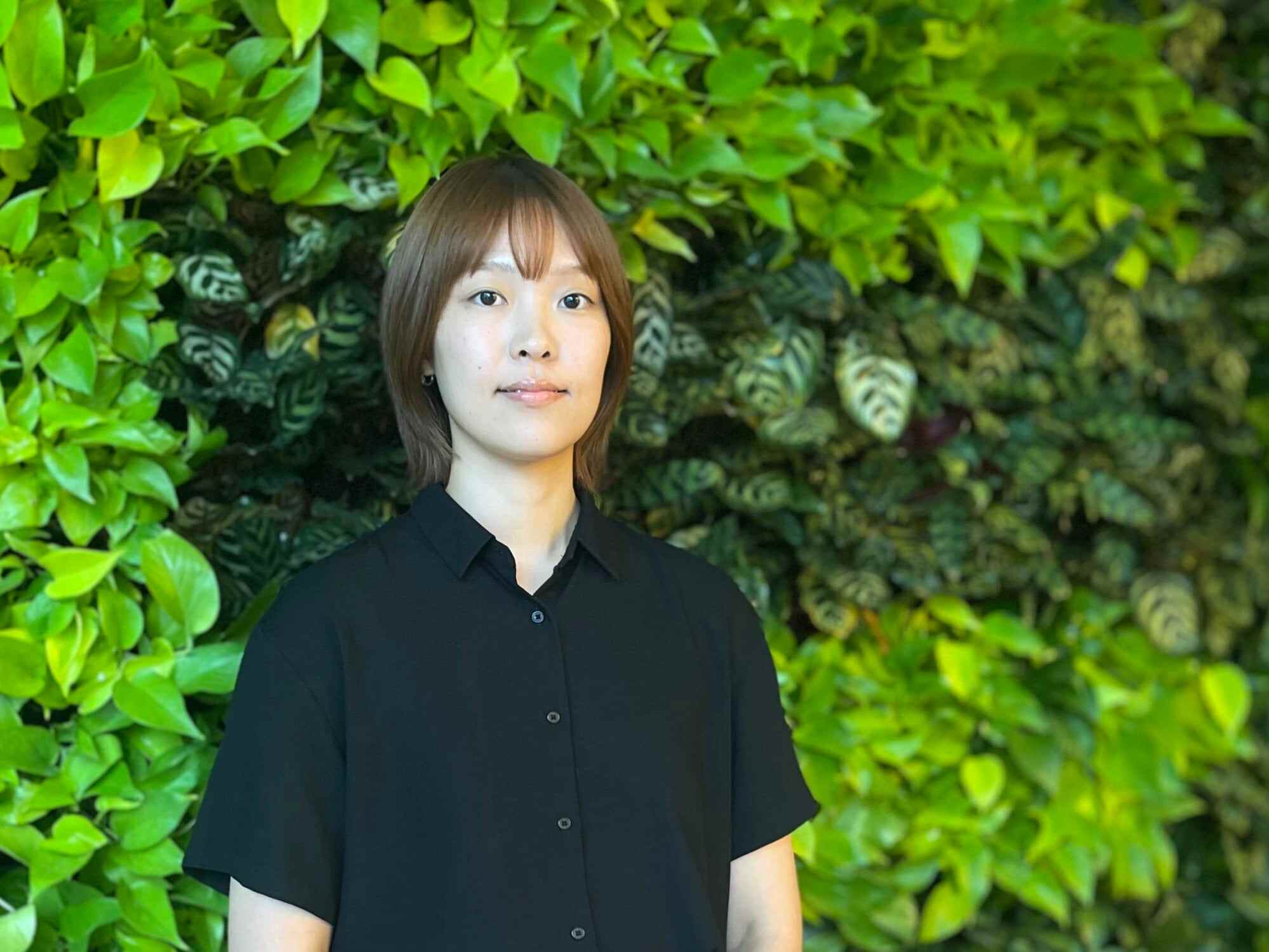
As Ou Aki wandered through Beijing’s centuries-old narrow alleyways known as hutongs, she found herself looking beyond the brick walls and tight streets.
Instead of seeing ageing neighbourhoods, the third-year Peking University student saw communities finding new ways to keep their history alive while adapting to modern life.
“Before, walking in these hutongs, I might have thought they were a bit old and worn,” said Ou, 22, who is majoring in cultural relics and museum studies. “Now, I realise it’s an attitude of maintaining old things while making new repairs, constantly changing and evolving.”
Ou grew up in Japan, where her parents are scholars of northwestern China’s Dunhuang culture. She had always been interested in museums and cultural institutions. Still, it wasn’t until she joined the fifth “Bi-city Youth Cultural Leadership Programme” that she saw how heritage could become part of everyday life in China.
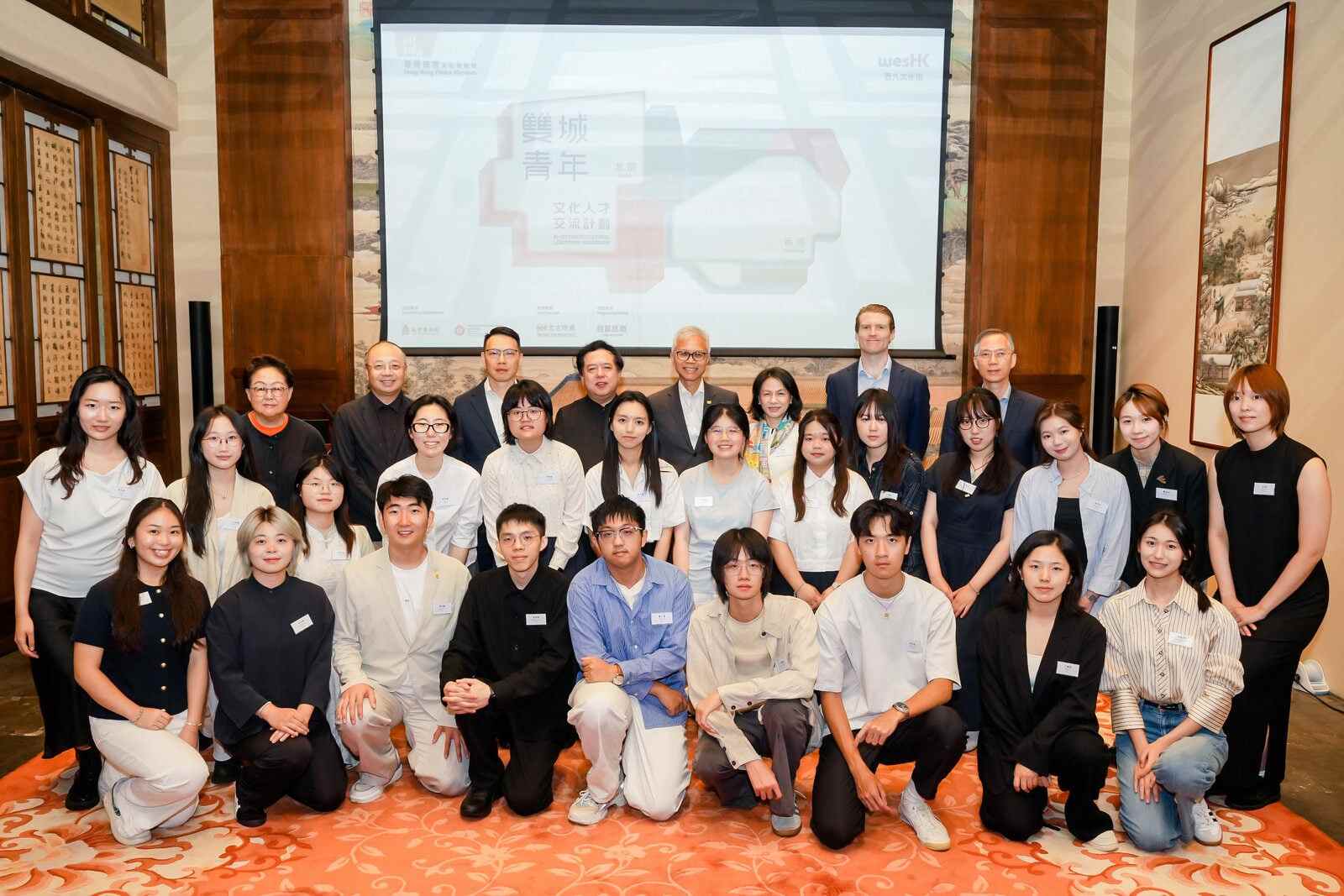
Organised by the Hong Kong Palace Museum, the eight-week programme brought together 22 university students from mainland China and Hong Kong for field visits to three cities – Beijing, Guangzhou and Hong Kong – followed by internship opportunities across the region.
Participants explored how heritage, creative industries and community projects shape modern China while discovering new possibilities for their own careers.
The programme’s commencement ceremony took place on July 10 at the Palace Museum in Beijing.
The student participants also shared their reflections on their three-week cultural exploration at the Swire Archives in Taikoo Place in Hong Kong last Thursday.
Evolving cultural heritage
For Ou, one of the biggest lessons was that preserving history does not mean keeping everything the same.
For example, she saw how Beijing’s hutongs continue to evolve while protecting their unique traditions.
“I can better understand that they are not only trying to preserve hutongs ... but also continue to make changes to attract younger, vibrant generations,” Ou said.
She was particularly impressed by community projects that prioritise residents’ needs while revitalising historic neighbourhoods, making heritage feel relevant instead of distant.
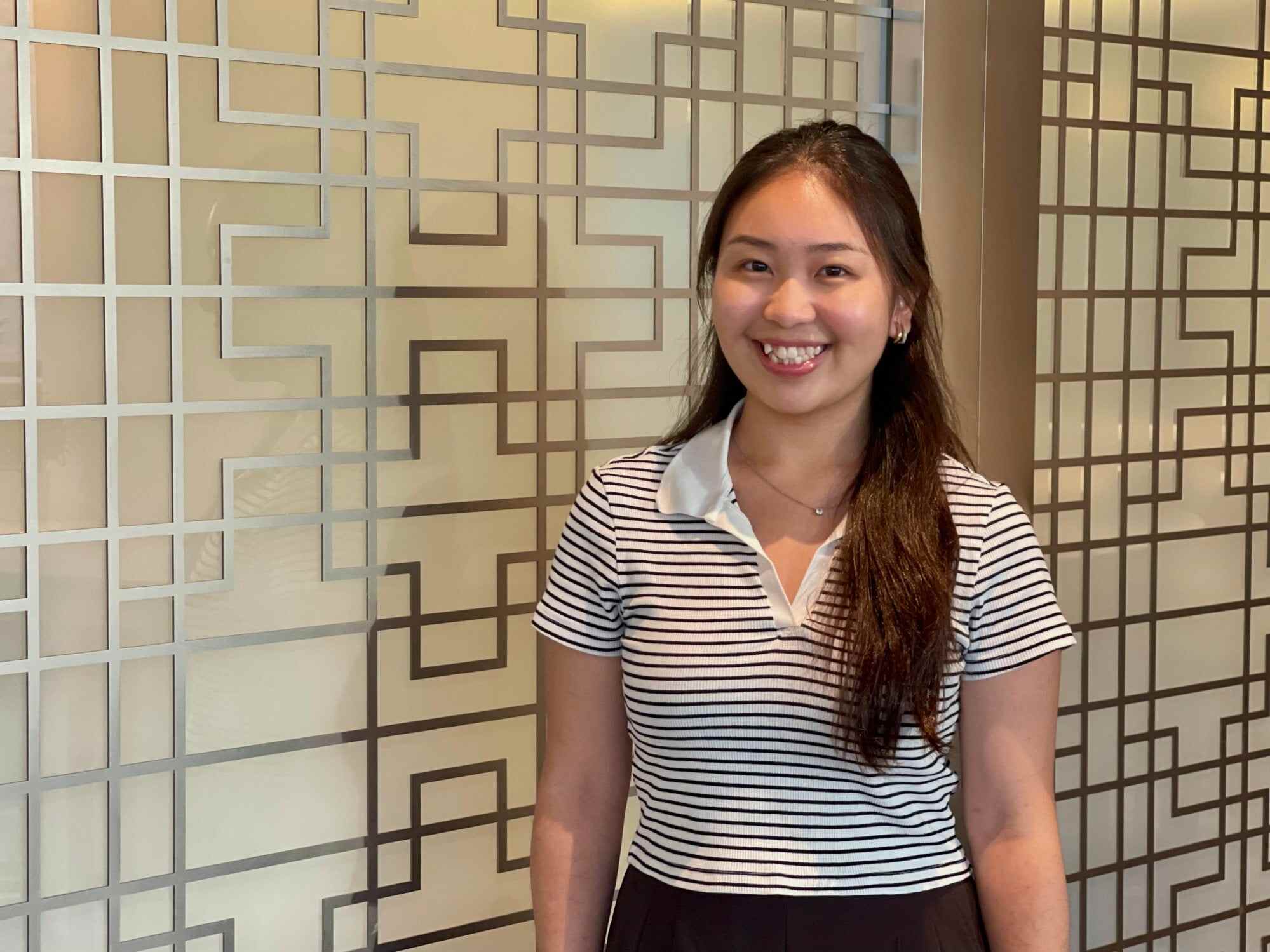
Serene Yu Sum-in is a first-year student at Hong Kong Shue Yan University majoring in arts, culture and technology. She admitted that she also thought culture mainly referred to traditions and festivals.
After the three-week exploration, the 19-year-old realised it could take on different meanings through everyday interactions and neighbourhood life.
“[Culture] can be fluid,” Yu said. “It can be about relationships. It can be about human warmth.”
China’s cultural spirit
The programme also gave students the opportunity to see how China’s cultural industry operates behind the scenes.
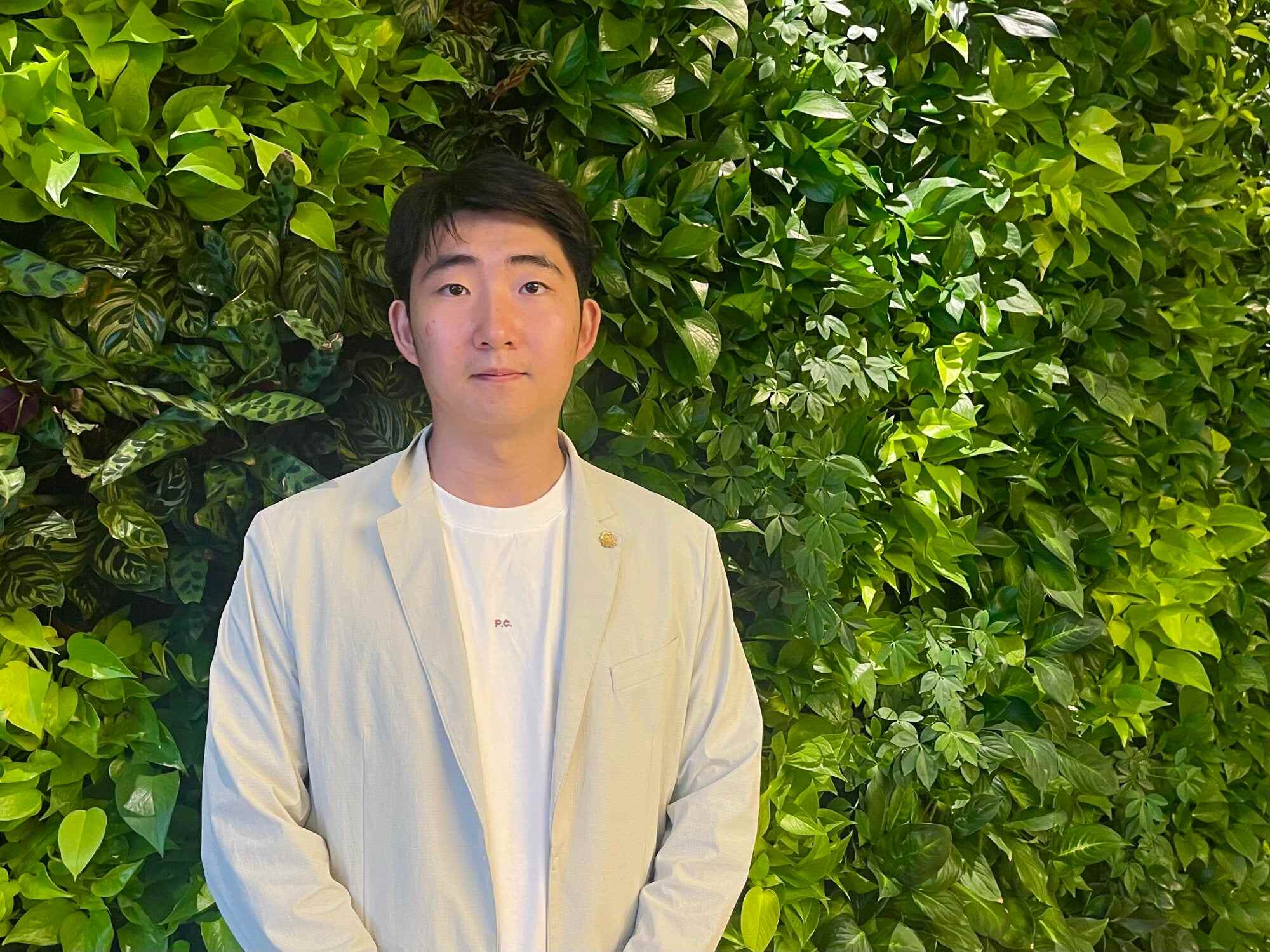
For Eamon Chang Shang-chen, a fourth-year student at Beijing Forestry University, the journey revealed something bigger about the country.
Travelling through Beijing, Guangzhou and Hong Kong helped him understand how different cities contribute to China’s development.
The 22-year-old applied psychology major is originally from Lanzhou. He described Beijing as a city rooted in history, Guangzhou as one shaped by centuries of openness through trade, and Hong Kong as one that introduces Chinese culture to the world while embracing international influences.
Rather than seeing these differences as divisions, Chang believed they reflected a collective spirit: “Every city has a very important role,” Chang said. “These different characteristics complement each other.”
The experience also strengthened his understanding of how culture shapes people’s lives and identities.
“Cultural differences exist everywhere,” he said. “But culture only exists because of people.”
Yu said she left with a new appreciation of a shared value she saw across the three cities: respect.
In Beijing, she noticed community projects were designed around residents’ needs rather than commercial trends. In Hong Kong, she saw museums and cultural spaces embracing people from different ethnic and cultural backgrounds.
When she visited Longxi Art Society, a community-based cultural organisation in Foshan near Guangzhou, she was impressed by its commitment to children’s art education and art therapy.
“All of these people really respect others’ ideas,” she said. “No matter your age or your background, they make you feel welcome.”
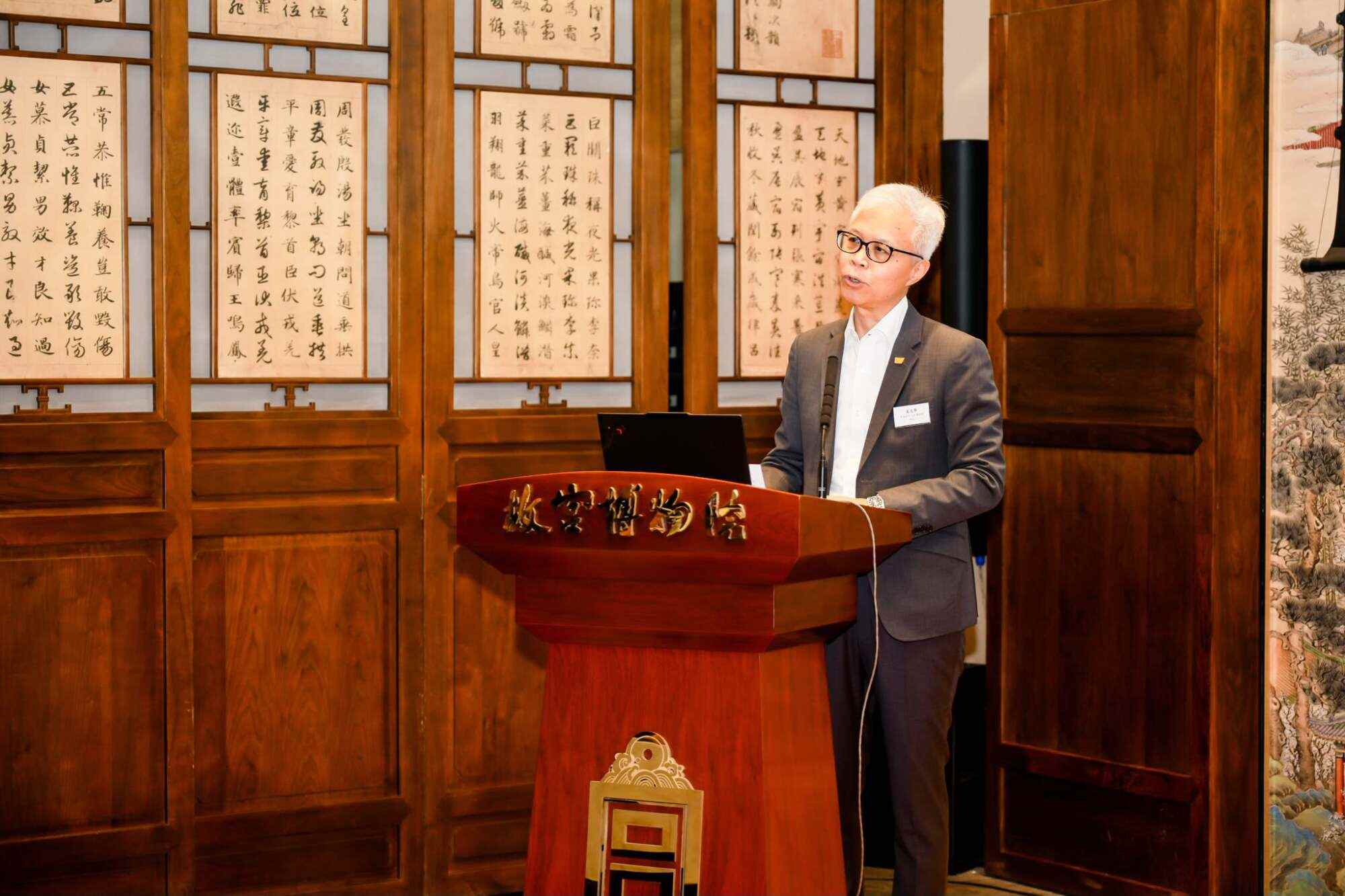
Dr Louis Ng, the museum director of the Hong Kong Palace Museum, said that the programme “underscored the museum’s vision of connecting Beijing and Hong Kong while fostering cultural exchange and cultivating future global cultural leaders”.
“Through this initiative, we aspire to cultivate a new generation ... with global minds and deep local roots, championing the contemporary interpretation and international dissemination of Chinese culture,” he said.
Exploring careers in the Greater Bay Area
This week, the 22 student participants will begin their four-week internships across the three cities before presenting their cultural innovation ideas at the programme’s final “Idea Market” in late August.
Heidi Zeng Yik-hing, a second-year student at the Chinese University of Hong Kong, said the programme has renewed her confidence in the cultural sector.
The 20-year-old cultural management major realised that heritage could be preserved in many different ways, from museums and historic landmarks to revitalised community spaces where residents continue creating new memories.
In addition, she said exchanging ideas with students from different disciplines has broadened her own thinking.
“In this programme, you are not limited to just people within your own circle. You can meet people from different majors and different backgrounds, and their ways of thinking can actually stimulate your own,” Zeng said.
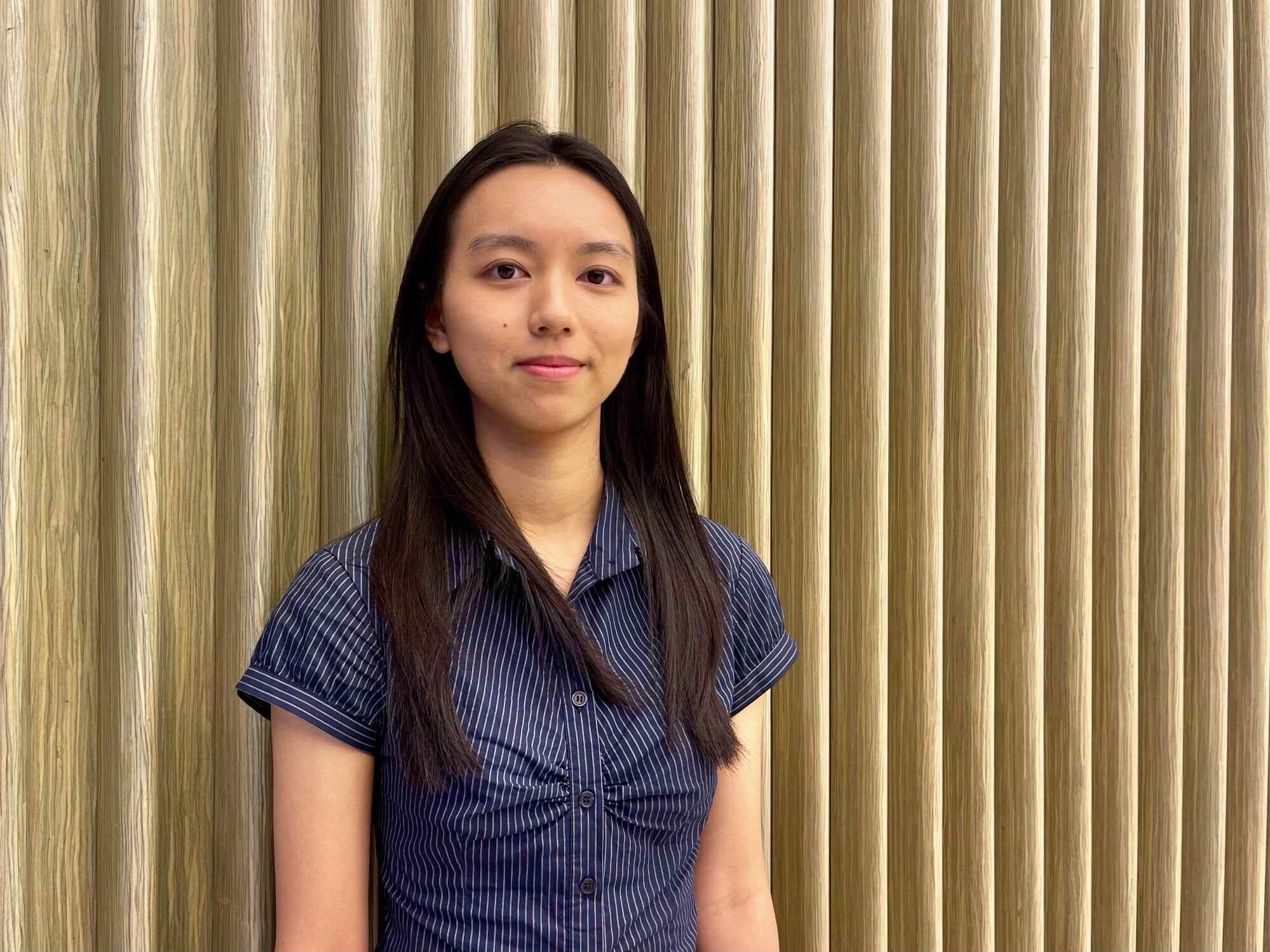
Chang, who will spend four weeks interning at the East Kowloon Cultural Centre, said the opportunity has broadened his career ambitions beyond psychology.
As a psychology major, Chang believes psychology will become even more valuable in the AI era because technology cannot replicate empathy.
“Psychological work is something AI cannot understand,” Chang said.
Before the programme, he had never considered combining psychology with theatre. Now, he is eager to explore psychodrama, a type of experiential therapy in which participants act out scenes from their lives to better understand their emotions and experiences.
“Without this programme, it would not have been possible for me to even come to Hong Kong,” he said.
Ou wants to build her career in the Greater Bay Area, especially Hong Kong, as she believes its multicultural environment suits her work in the cultural sector.
She expected to see a country defined mainly by its history. Instead, she saw how it continues to evolve.
“The nation is continuously changed and rebuilt by generations of young people and all age groups,” she said. “I feel it is welcoming to people from all countries around the world.”