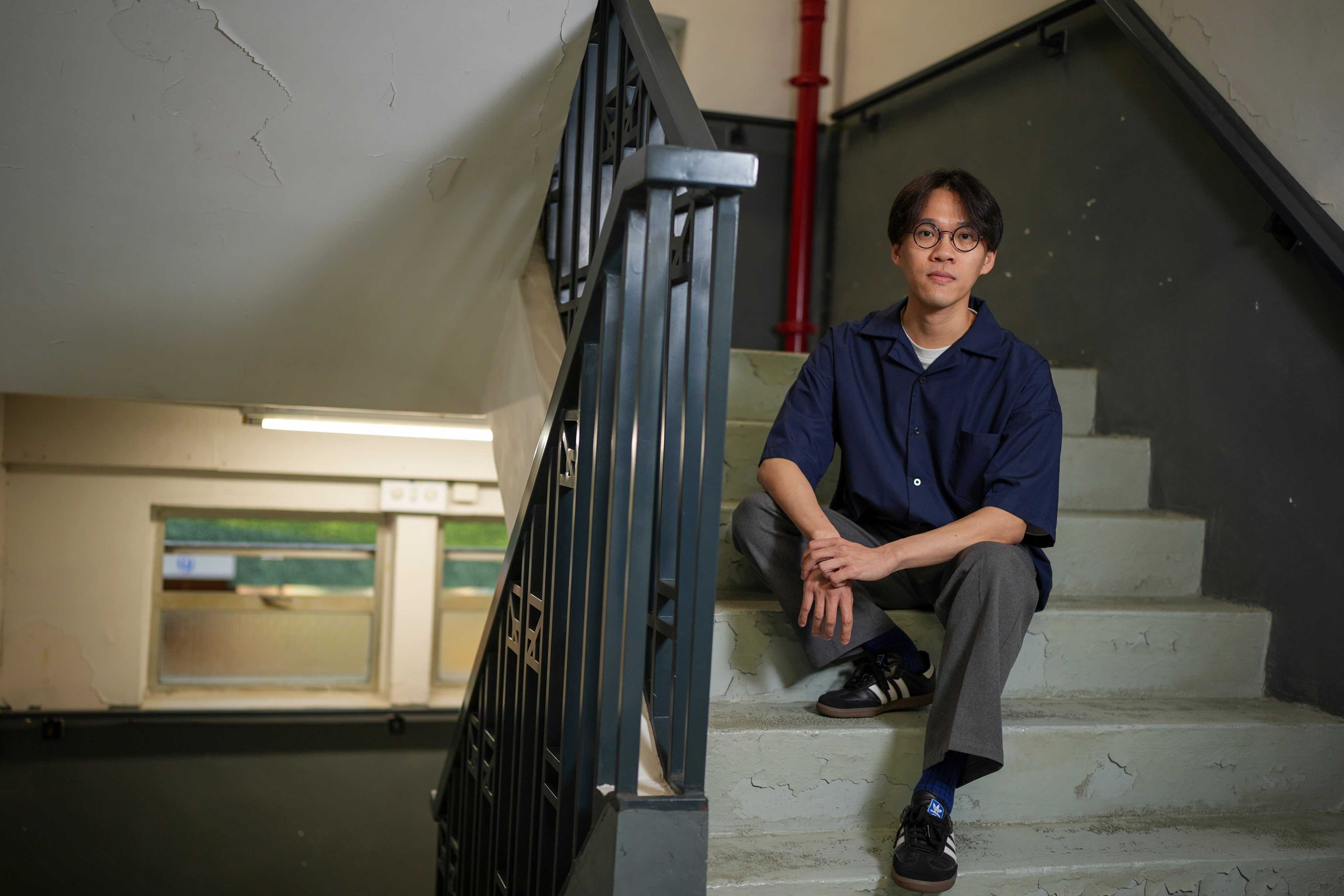
Death is inevitable, but the subject is rarely taught in classrooms despite the life lessons that surround profound grief and loss. For Hong Kong directors Norris Wong Yee-lam and Wong Hoi, the solution was not to dwell in sorrow but to transform heavy feelings into a surreal, life-affirming cinematic journey.
Their latest collaboration, Good Trip, tackles the agonising reality of a parent’s impending death. Rather than succumb to tragedy, the co-directors chose to frame the farewell as a deceptively playful and comedic road trip film.
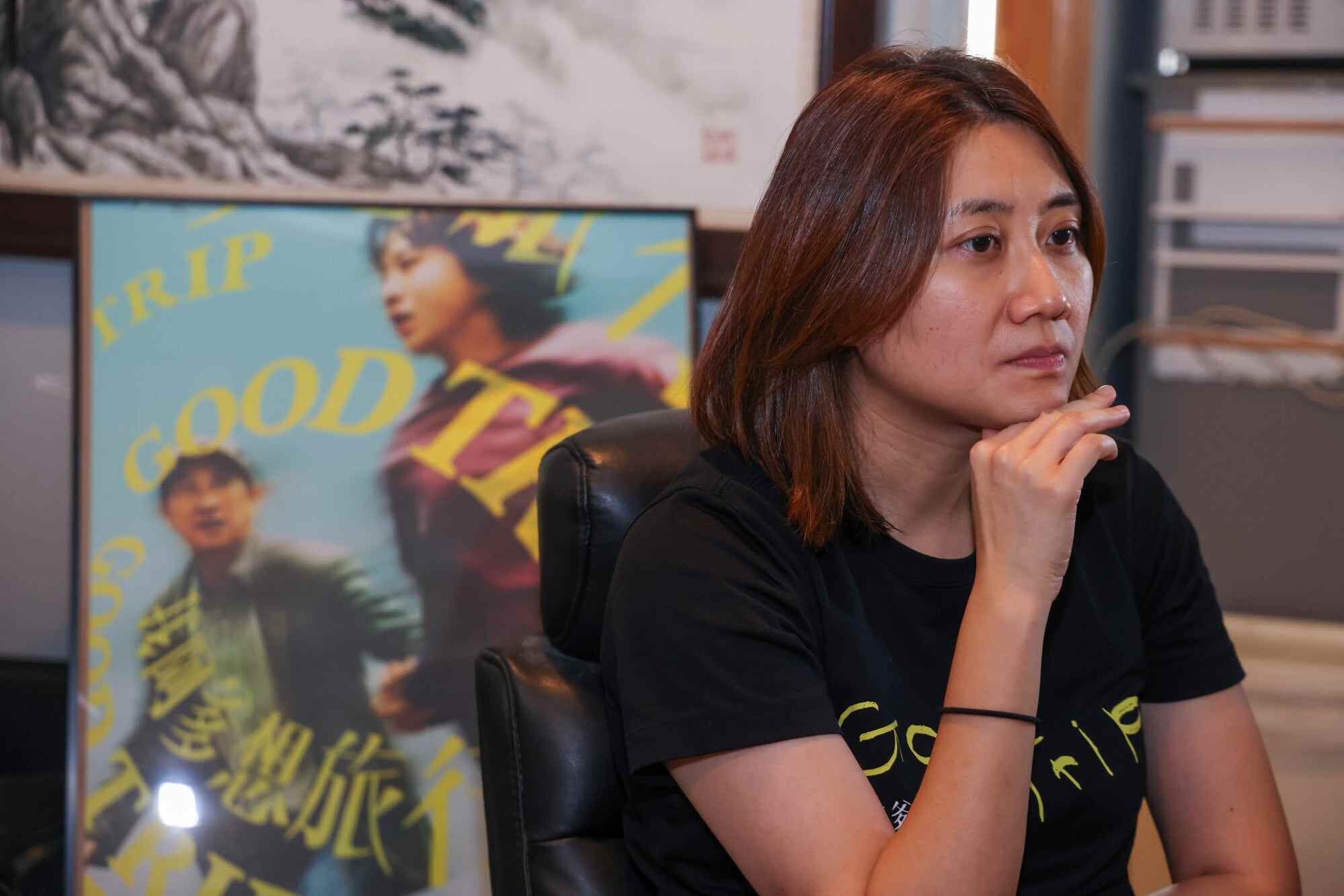
The story’s emotional core comes from Norris Wong’s own life. Following the death of her father during the shooting of her acclaimed film My Prince Edward, she found herself using the camera to hold onto those she had lost.
“It seems I have suddenly reached the age when loved ones around me encounter sickness and death,” she reflected. “But we have never really learned how to handle these feelings at school.”
Her creative process quickly became a vital coping mechanism.
“The fragmented memories of my dad would just suddenly flash into my mind,” she shared. “So I thought if I kept creating – if I kept writing and shooting movies – then my father would still be around. He would still be here.”

Father figure
Norris Wong transposed those memories to the screen through the character of Keung, a terminally ill patient played by veteran actor Nick Cheung Ka-fai. His daughter Shan (Chung Suet-ying) is an art assistant who works on a gritty film set.
When Shan is sent to retrieve a gigantic prop from a remote warehouse, Keung insists on sneaking out of the hospital to join her for a road trip. What begins as a simple night drive quickly becomes an odyssey in a day, with father and daughter finally bonding through humour and shared adventure.
The character of Keung is an amalgamation of Norris Wong’s late father and the archetypal Hong Kong dad.
She described the familiar figure with affection and candour: “[He is full of] dad jokes, [and is] someone who likes to gamble, hang around with their male friends, enjoys showing off and bragging a bit.”
A sense of levity and incorporating culture
Wong Hoi emphasised that the film’s overarching theme was decided early on: they would explore grief, but not through a traditional tragedy. He wanted to deliver the message of cherishing those around you without too much gravitas.
“It makes you think how good it would be if you could have an enjoyable final trip with your loved one, to say all the things you want to say before saying goodbye,” Wong Hoi said.
The directors also wove in nostalgic homages to Cantonese cinema they enjoyed growing up. Good Trip includes an intriguing Chinese kung fu scene, which is quickly revealed to be a daydream of Keung’s from his hospital bed.
There is also a nod to classic gambling films during a sequence in Macau, while other scenes playfully evoke the atmospheric mood of the traditional Chinese vampire horror genre.
“These are the cultures we grew up with,” Wong Hoi explained, adding that these cultural touchstones, blended with typical Cantonese humour, intentionally keep the audience at ease even as the narrative builds towards a cruel, poignant final twist.

Unconventional paths to making movies
Neither director started with film. Norris Wong earned a degree in biology before studying cinema at Hong Kong Baptist University, while Wong Hoi studied engineering at the University of Warwick in Britain and only dived into filmmaking after returning to Hong Kong in 2011.
Looking back, Norris Wong said her desire to create and leave a legacy began in secondary school: “It may be rooted in a fear of death. When visiting the school library, I saw a lot of books that stood the test of time. I thought I also wanted to record something about myself,” she said.
She originally wanted to be a lyricist, a journey she explored in her 2024 film The Lyricist Wannabe. When that path proved difficult, Norris Wong picked up other creative pursuits, including directing and screenwriting.
“In that way, at least I get to write the lyrics for the movie’s theme song,” she joked.

Finding your creative voice
While many see artificial intelligence (AI) as a threat, both directors said the technology provided them with the tools to bring their wildest ideas to life.
Wong Hoi cited a surreal scene where Shan drives across the Hong Kong-Zhuhai-Macau Bridge with a gigantic prop bowl strapped to her car. The bridge’s dreamy background was generated by AI.
“[It] really made us realise how helpful technology can sometimes be; it allows our boldest, most imaginative scenes to be realised,” Wong Hoi said. “But what is most important is the story. Such creation cannot come from AI, and it would not be as enjoyable or connect with audiences without all the human elements.”
For students looking towards the creative industries, both directors offer grounded advice on finding a voice.
Norris Wong pointed to a philosophy widely attributed to American filmmaker Martin Scorsese: the most personal is the most creative.
“Your personal feelings are not something that can be replaced by AI. Continue to put your imagination into your work,” she said. “As long as you create, you can always feel close to someone who is no longer here with you; they can always be with you.”
Wong Hoi offered a blunter perspective on the resilience required to survive in the industry. He cited the acclaimed director Ang Lee: “If you need encouragement from others to make movies, you probably shouldn’t be making movies.”