Difficulty: Summiteer (Level 3)
As the pandemic ended in the city, journalist and psychotherapist Kate Whitehead wanted to document Hongkongers’ experiences and provide tools to cope with the similar events in the future.
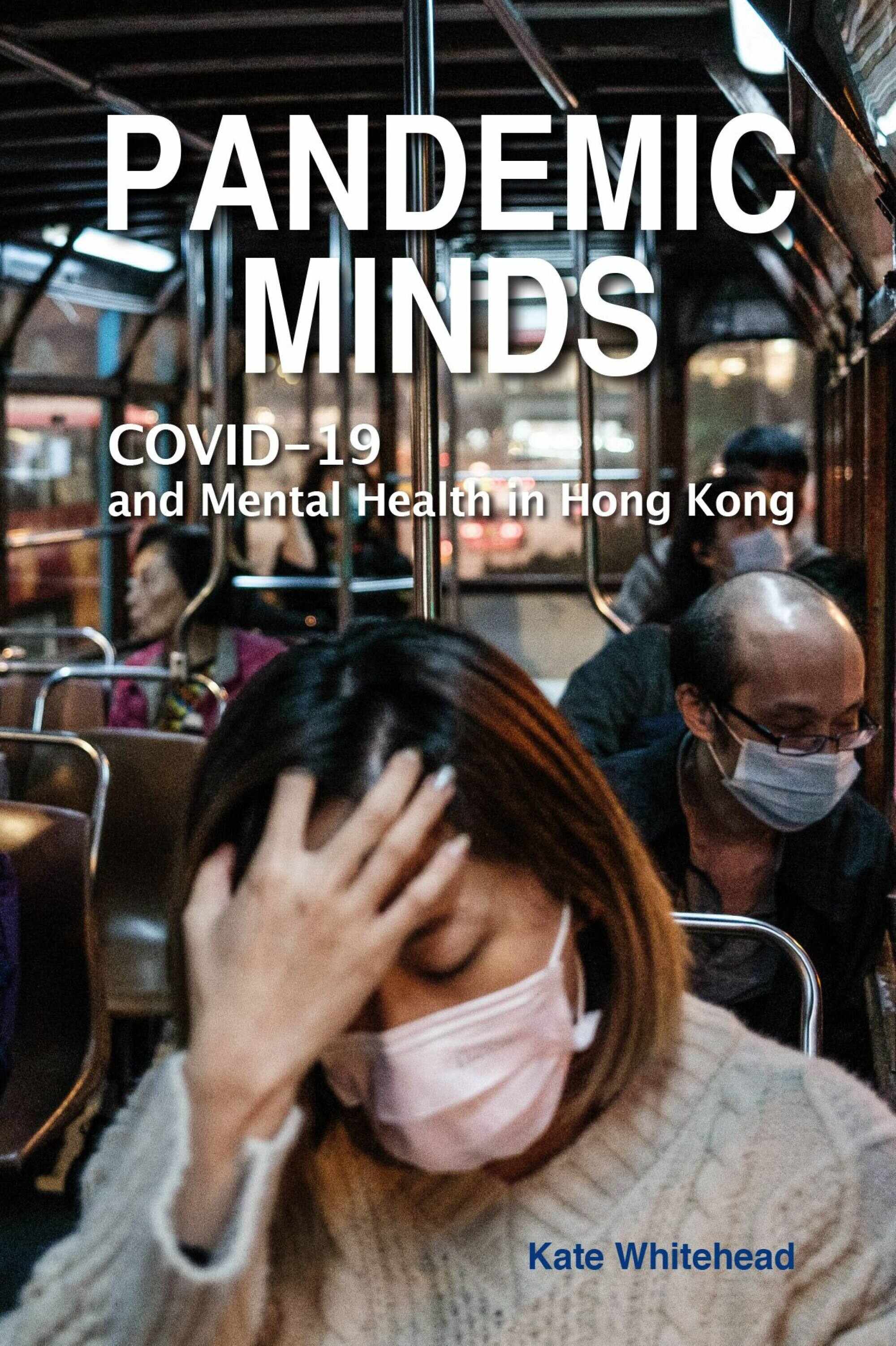
After nearly a year of interviews and writing sessions, Whitehead published the new book Pandemic Minds: Covid-19 and Mental Health in Hong Kong which was released on May 10. It includes interviews with people from all walks of life, including children, the elderly, individuals of different socioeconomic backgrounds, mothers, doctors and pilots – and gives tips on mental well-being.
Looking for clarity
In the chapter “School Closures,” Whitehead tells the story of a young Hongkonger named Marco. Marco was only three years old when the pandemic first kicked off, and he endured nearly two years of online schooling. When he spoke to her in 2023, he was six years old.
“He became very anxious about going out,” she said. “It took him quite a while to adjust from Zoom classes to going back [to campus].”
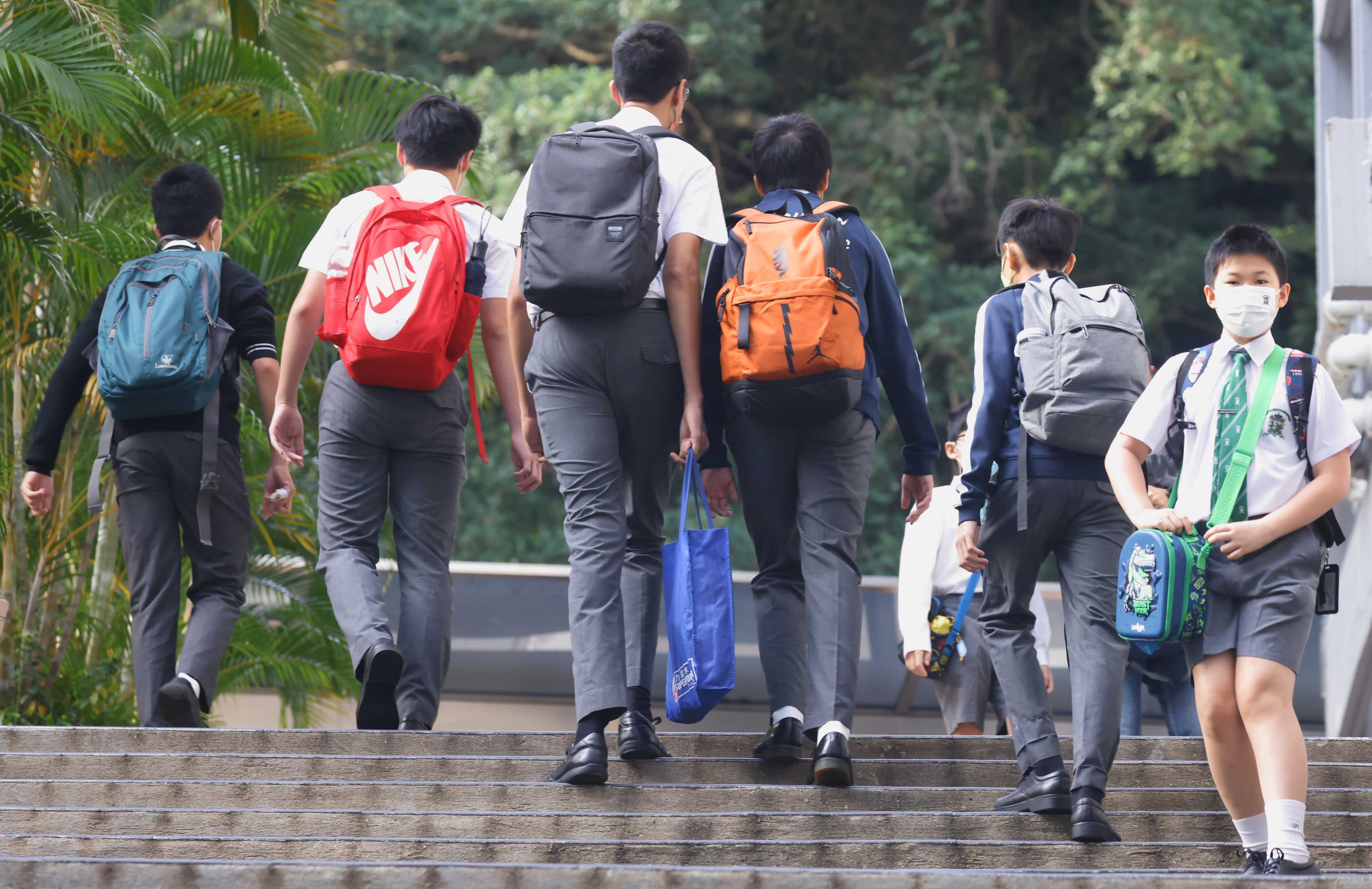
She said his experience mirrored that of many children, adding that some were too nervous to take off their masks once the mandate ended. “Taking the mask off was difficult because they [were] told they’re safe with the mask on.”
Whitehead explained that children are still trying to understand and make sense of the pandemic: “There’s not a lot of clarity about what was happening. Their parents and people around them were getting very worried, [saying] ‘Just put a mask on, and you’ll be safe’. Then they’re suddenly told that you can take it off, and everything’s all right.”
Sharing your struggles
A key takeaway from the book is that it is important to talk about your struggles.
“One of the best ways of reducing stigma [around mental health] is by people telling their stories,” Whitehead said. “When you hear people’s stories, you realise ... everybody was struggling.”
Each chapter of her book includes strategies for coping with obstacles that arose during the pandemic. For example, at the end of the “School Closures” chapter, Whitehead encourages students to stick to a routine, ask for help when needed, incorporate gentle movement into their day, and get fresh air.
Whitehead encouraged youngsters to discuss their feelings about the pandemic at home or school, noting how people can benefit from listening to and reflecting on others’ stories.
She said that when it comes to discussing the pandemic, you don’t need to have all the answers – most people just need someone to listen to them.
“It can be so important to hear somebody and validate what they’re feeling,” she said. “[To say] ‘Yes, I see that you’re struggling. And yes, that is hard.’ Just listen.”
Sample answers
Stop and think: Many children grew up thinking that the pandemic was normal since they were so young when it started. They found it difficult to transition once the rules were dropped. Things like socialising in person and not wearing a mask were strange for children.
Think about it: Whitehead spoke to children, the elderly, individuals of different socioeconomic backgrounds, mothers, doctors and pilots.
Read and answer: Whitehead recommended that people talk about their experiences with the pandemic and lend an ear to others who wished to talk about it.