Difficulty: Challenger (Level 2)
Do you ever avoid doing homework by watching television or going out to play? Perhaps you end up panicking to finish your assignments.
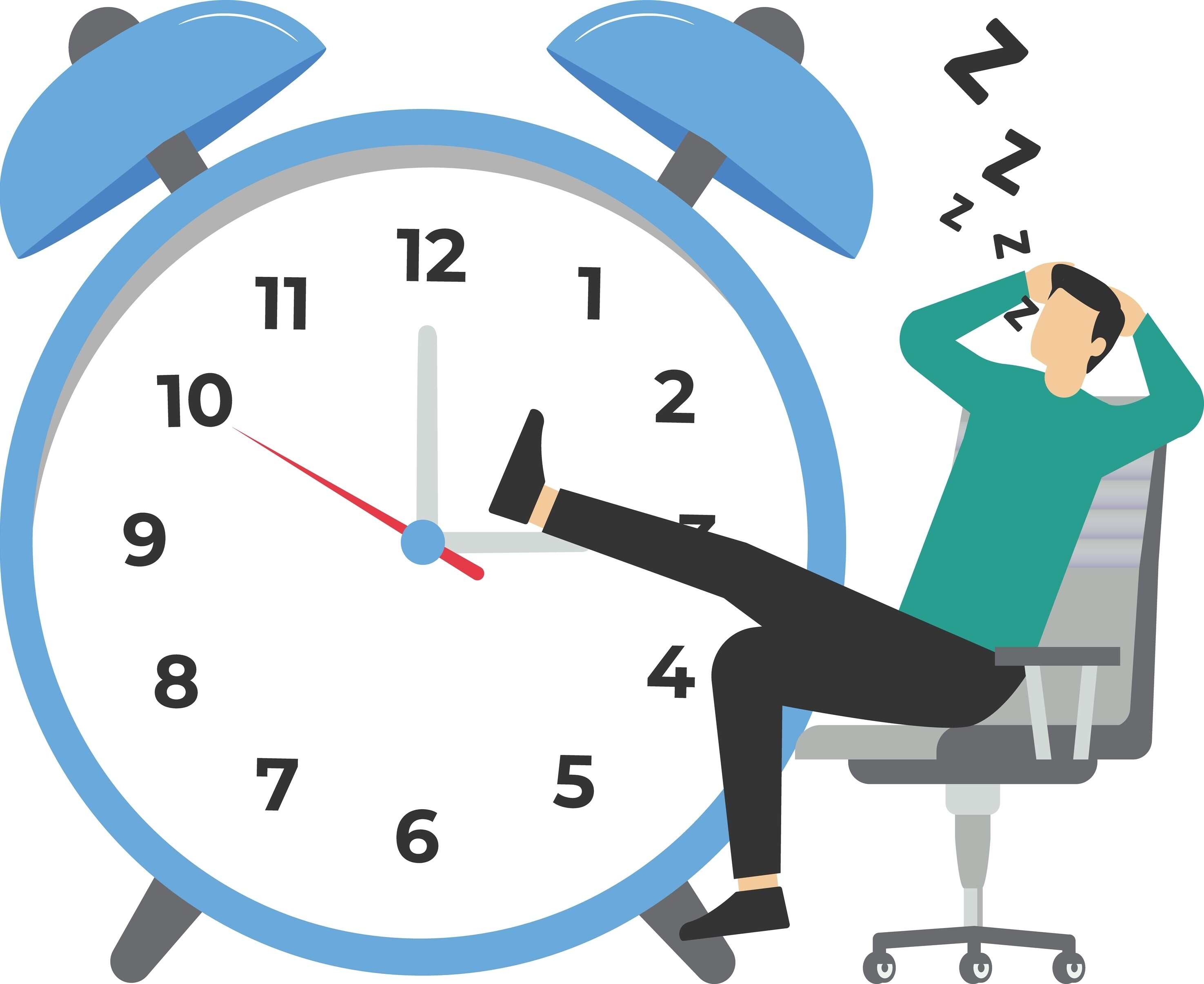
This is called procrastination. It is when you delay doing something you should be doing.
Dr Adrian Low is the president of the Hong Kong Association of Psychology and a chartered psychologist. He explained the reasons behind this habit and how we can prevent it.
What is procrastination?
The psychologist said it can be hard for children to choose tasks they should do over something they enjoy.
“Children usually start showing a tendency to procrastinate around the ages of seven to 10,” Low said. This is when kids start learning skills such as organisation, task planning and discipline.
Low said signs of procrastination include feeling anxious when facing tasks, struggling to start them, and asking for more time to finish.

Students may also need reminders to finish their work and prefer to play instead of focusing on the task.
Procrastination is different from laziness. Procrastination often happens because you feel worried you won’t do a perfect job. Laziness is when you simply do not want to do something because you do not care about it.
People might procrastinate by inventing excuses to avoid doing a task right away. They might also get distracted by games or TV and prioritise less important things over doing more difficult tasks.
Putting things off can also make us feel stressed and guilty. These feelings can make it hard to keep a healthy sleep routine or eat well.
Preventing procrastination
Low gave a few tips on fun and easy ways to reduce procrastination.
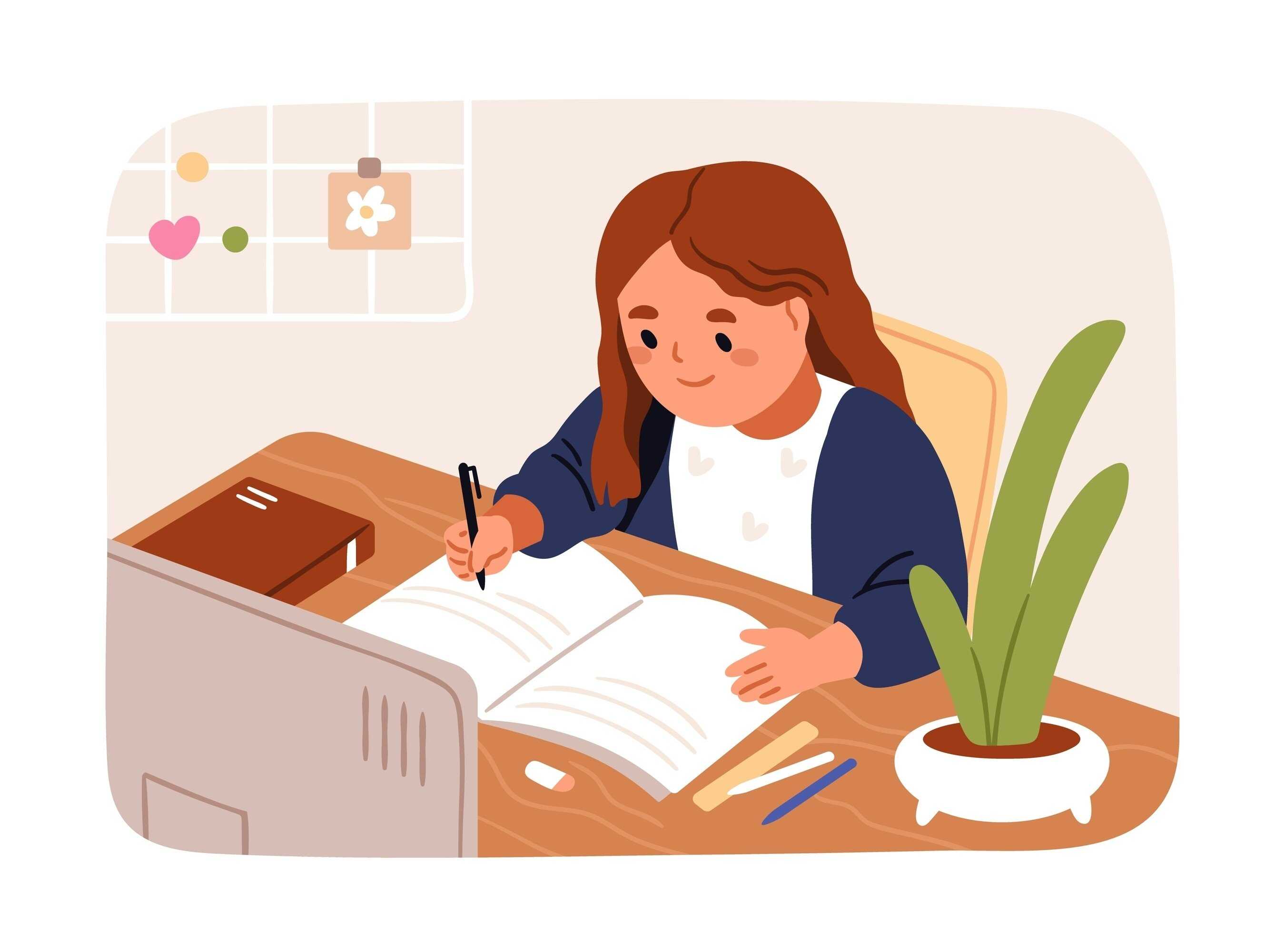
“For example, create a dedicated study space free of distractions and break larger tasks into smaller and [more] manageable steps,” he said.
Low also encouraged taking breaks for physical activity and rewarding yourself after finishing something hard. You could take a walk or play with your pet when you finish your homework.
You can also try using the Pomodoro technique. This is when you set a timer, focus for 25 minutes and take a five-minute break. Repeat this as many times as you need.
Learning about time management is a helpful way to prevent procrastination. “Techniques like making schedules, prioritising tasks, and using calendars or to-do lists can give children a better sense of control over their time,” Low said.
Use the puzzle below to test your knowledge of the vocabulary words in the story.
Suggested answers
Before you read: Answers may vary.
Stop and think: Dr Low says that students may be procrastinating when they are anxious about their assignments, ask for more time to finish them, have difficulty getting started and need lots of reminders to do their tasks.
Consider: Laziness is not caring about a task, while procrastination is when you avoid starting because you are afraid you won’t do it well.