Difficulty: Summiteer (Level 3)
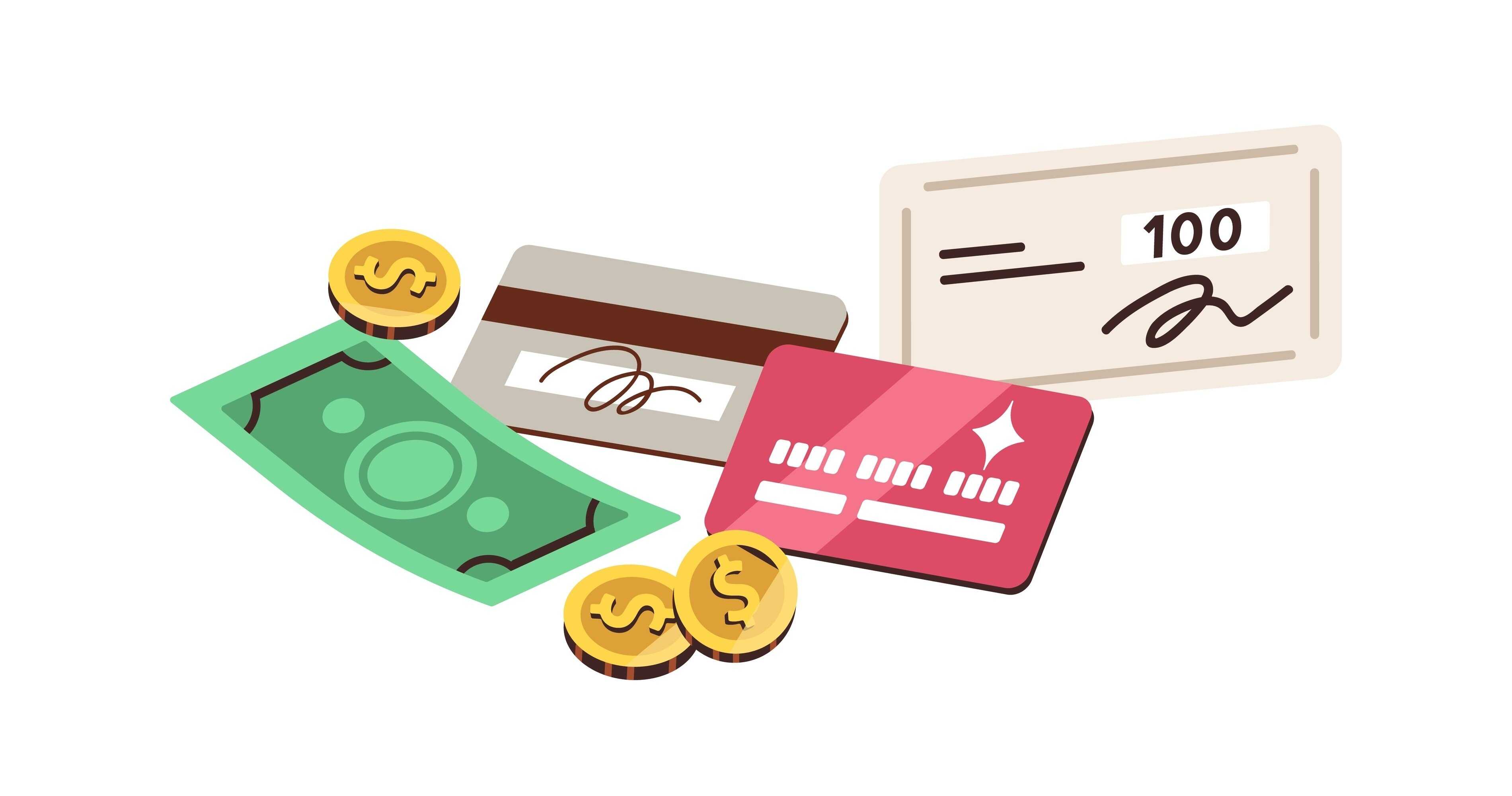
Money is very useful, and credit cards are the most common way to complete transactions. Money plays an important role in our society. But do you know how people used to buy things before paper money was invented?
From the early barter systems to modern digital currencies, the concept of money has developed significantly.
Before we had money
The barter system is the oldest way of trading. Before money was invented, people traded one good or service directly for another without using money.
For example, butter could be exchanged for bread, and a desk could be exchanged for a chair. Although it sounds straightforward and simple, finding someone who wanted exactly what you had to trade took a lot of work.
However, as people started trading more items, they needed an easier way to swap goods. So they started a system known as commodity money. Similar to the barter system, it involves exchanging goods with one another but with valuable or useful items. Examples of that are salt, shells, gold and grain.
From coins to paper
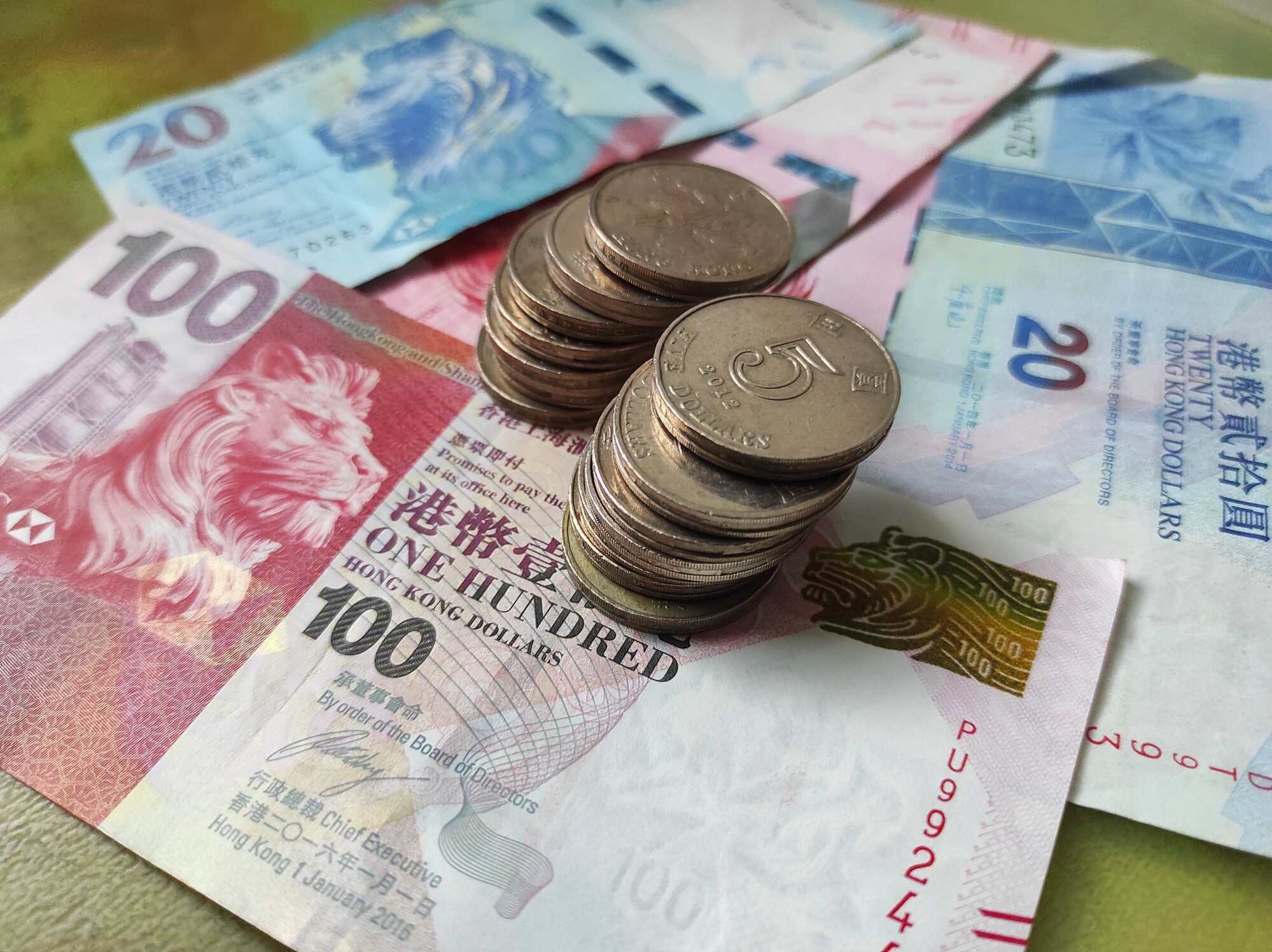
Coins made of metal were invented in Lydia, a kingdom located in what is now Turkey, around 650-600 BC, and they were an important development in the history of currency. Metal coins are long-lasting, easy to store, and have a high and stable value. These qualities made them a practical choice for everyday use and quickly spread to other places.
People began using paper money in the later period of the Tang dynasty. It originated in China and it is still printed and used widely around the world today.
How banking began
In the ancient Mesopotamian empires, around 2000 BC, wealthy people needed a safe place to store their money. This led to the creation of the first banking system.
Now, banks offer credit and debit cards, which allow people to make purchases at stores and online without using cash. People can also make online purchases using electronic money transfers.
Technology has also resulted in the creation of digital currencies like bitcoin and other cryptocurrencies.
They are a form of payment and are created and stored electronically on the blockchain. However, cryptocurrency is still not very widely adopted among the general public.
As technology continues to advance, we may even have new ways to pay using parts of our body, like our fingerprints.
Use the puzzle below to test your knowledge of the vocabulary words in the story.
Suggested answers
-
Before you read: Answers may vary.
-
Stop and think: Prior to the invention of money, people used to barter. This means that they would give one thing or service for another. It was an exchange of two things.
-
Consider: Banks were originally created so that the wealthy people in Mesopotamia could safely store all of their money. Eventually, banks became more widely used and began to give out loans too. They developed further so that people could get credit cards, debit cards and transfer money online.