Difficulty: Challenger (Level 2)
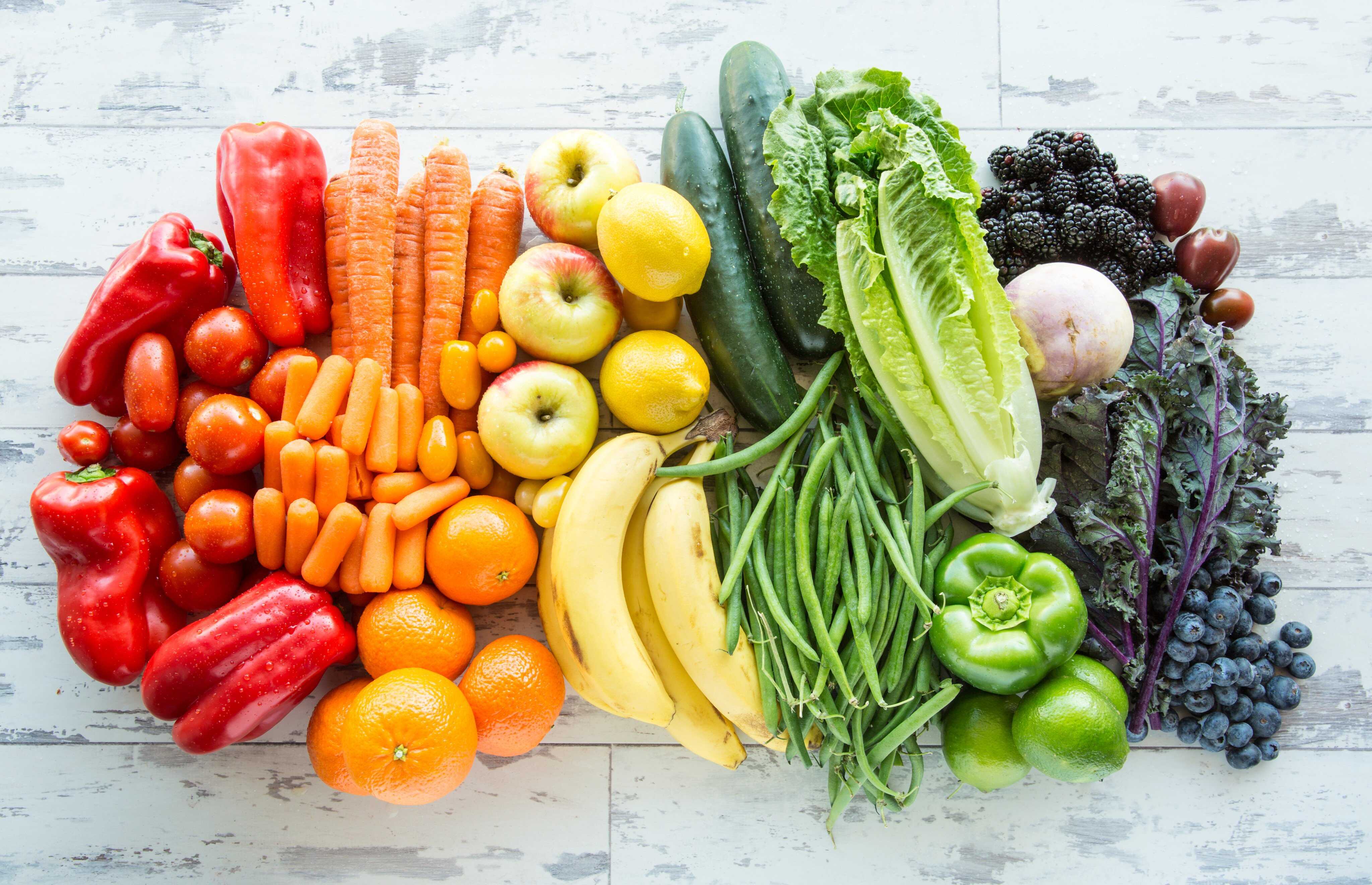
Natural fruits and vegetables are known for their appealing colours and vibrancy. We are often told to eat produce in a variety of colours, but why does this matter?
Behind each colour, there are nutrients that have important functions in the human body.
Michelle Lau is a registered dietitian nutritionist and founder of a nutrition consultancy, Nutrilicious. She tells Posties about the therapeutic values of different coloured fruits and veggies.
According to Lau, the more vibrant and colourful the fruits and vegetables are, the higher the nutrient content.
Pale-coloured produce, such as cabbage, cauliflower and radish, also provide key nutrients. However, they tend to have fewer beneficial qualities.

Spread the red
Tomatoes, red bell peppers, cherries, strawberries and watermelons have a chemical called lycopene. It protects the body’s cells from damage, lowers the risk of certain cancers and shelters skin from sun damage.
Orange glow
Orange fruits and vegetables can strengthen the immune system. The immune system, known as the body’s defence, keeps pathogens away from us. Pathogens are germs that are detrimental to our health.
These benefits are attributed to three main nutrients in orange foods: carotenoids, vitamin A and vitamin C. They also have benefits for our vision and eye health.
Go green
Green vegetables provide folate, vitamin K, and chlorophyll, which support bone health and brain function. They can also help lower the risk of some cancers.
Foods like kale, broccoli, spinach, asparagus and lettuce are good examples.
Purple power
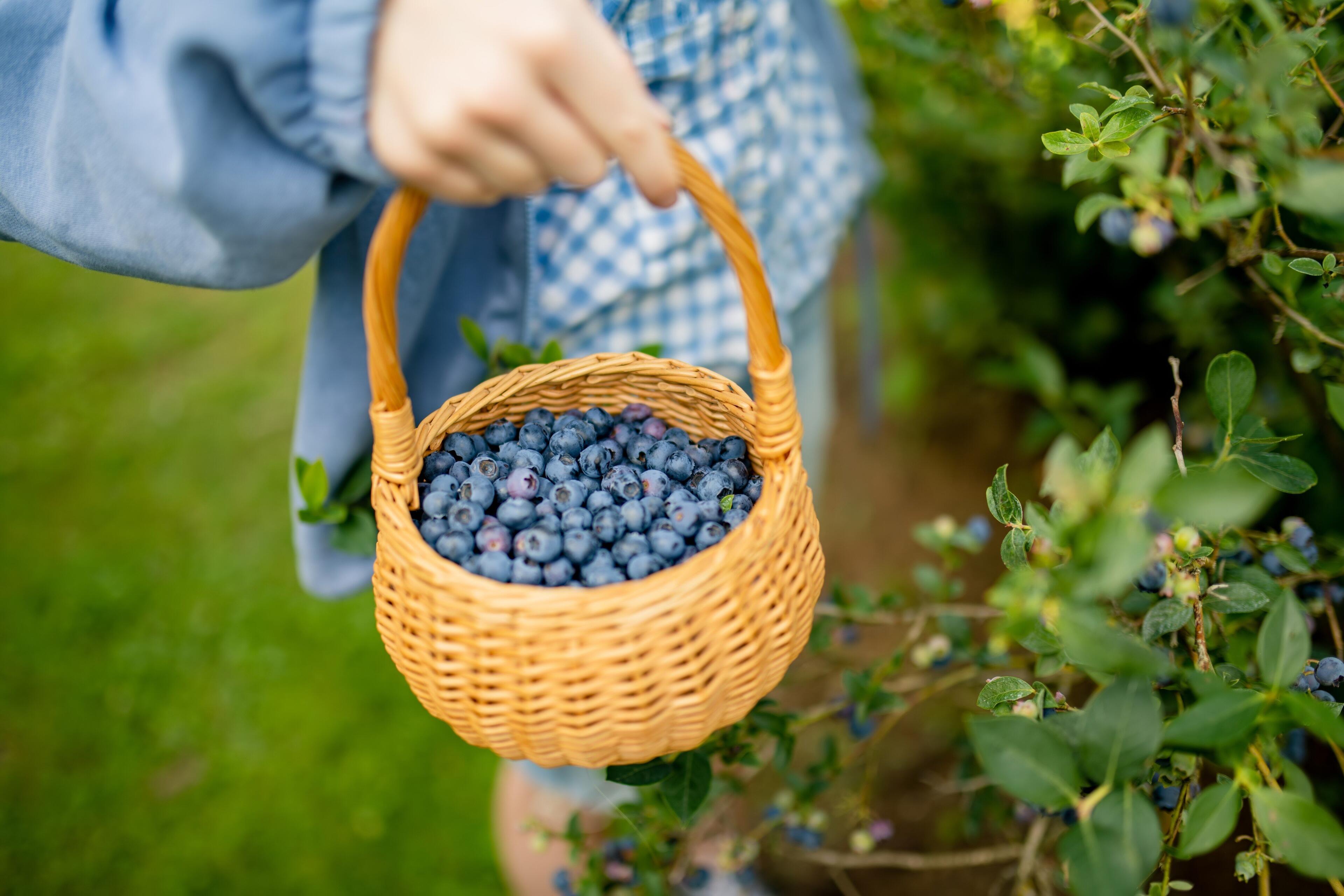
Blueberries, blackberries, eggplants and purple cabbages contain anthocyanins and vitamin C.
Blueberries look blue, but once you mash them, it is easy to see their deep red-purple colour.
Both anthocyanins and vitamin C offer anti-inflammatory properties that can improve brain function and reduce the risk of certain chronic diseases.
Tips for rainbow eating
While colourful fruits and vegetables can significantly contribute to health, colourful candies and processed foods have the opposite effect.
These items get their colour from artificial chemicals. They are often high in added sugars, unhealthy fats and artificial additives. Excessive consumption of these can lead to weight gain and chronic diseases.
To maintain a balanced diet, children are advised to consume one to two cups of fruits and one to three cups of vegetables each day.
Use the puzzle below to test your knowledge of the vocabulary words in the story.
Suggested answers
-
Before you read: Answers will vary.
-
Stop and think: Different colours in fruits and vegetables have different nutrients to help the body.
-
Consider: Orange fruits and veggies have carotenoids, vitamin A and vitamin C. They can help us improve our vision and strengthen our immune system.