Difficulty: Challenger (Level 2)
By junior reporter Cadence Kwok
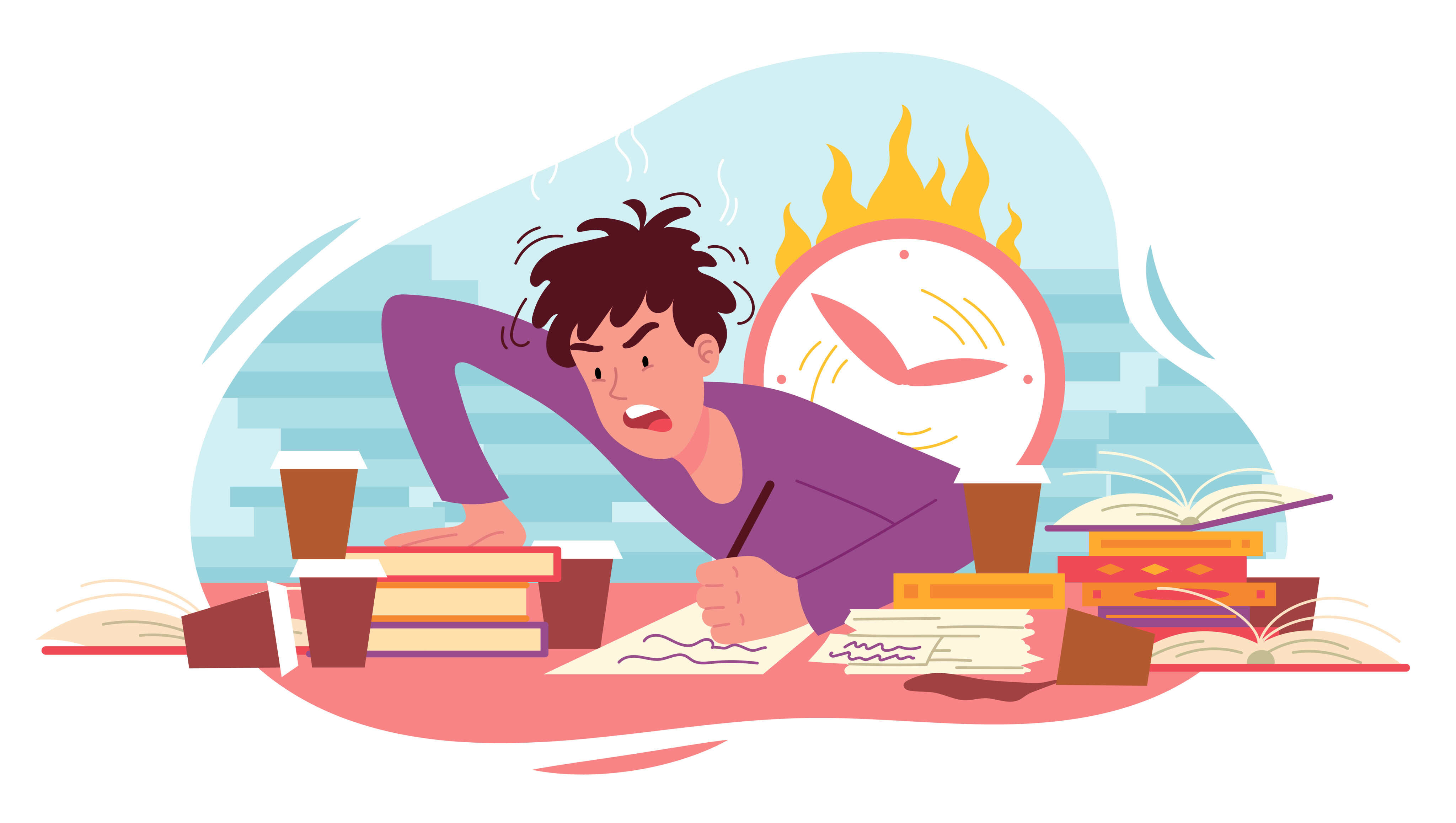
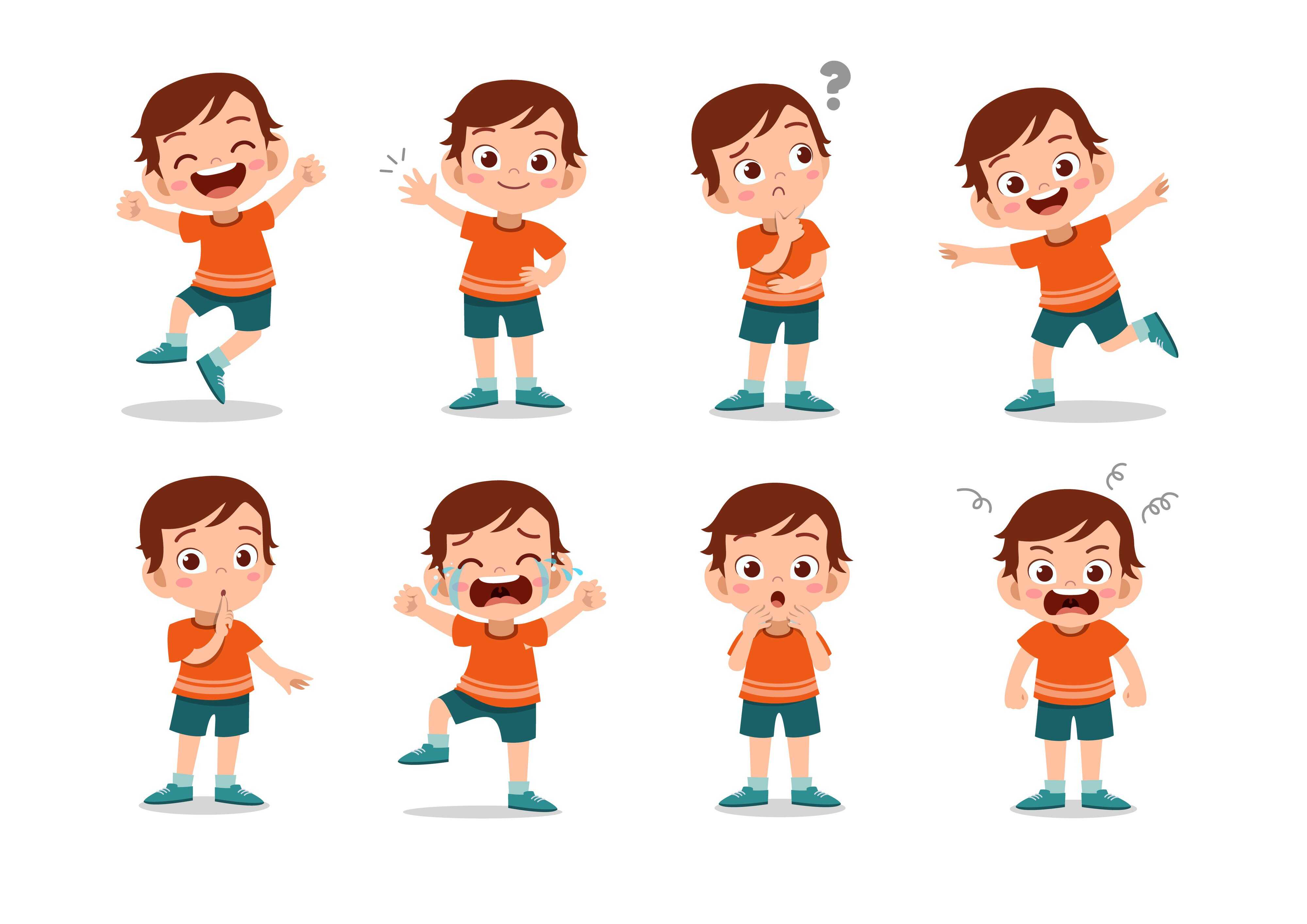
When was the last time you cried your eyes out or started breathing faster when you were angry? These are all normal ways that people show their feelings.
Cherrie Chung, a counsellor at Insight Counselling, said, “Emotions are like placing your hands near a hot stove, where the pain tells you how you’re feeling.”
She explained that just like how the heat from the stove hurts our skin, our emotions also show themselves through physical sensations.
Heartbeats meet emotions
Our heart may beat faster when we are angry. If we feel sad, we might feel tired and have less energy. These physical feelings help us understand what we are experiencing. They are helpful indicators of our needs, such as when we feel sad, it might mean we need to rest.
“We can also feel a mix of different feelings at the same time,” Chung said.
The first emotions may come immediately when something happens, while others may come a bit later.
For example, if we get poor grades, we might feel disappointed first. Then, we might get angry at ourselves for not studying enough.
We might also feel jealous of our friends who did better.
“This is completely normal. It just means different parts of us are feeling different things,” she added.
Emotions are not always good or bad. Feelings that feel nice are often called “positive”. Feelings that are hard to deal with, like guilt, are often called “negative”, but they can tell us important things about ourselves.
Ultimate mixed bag of feelings
Once we understand how we feel, the next step is to handle our emotions.
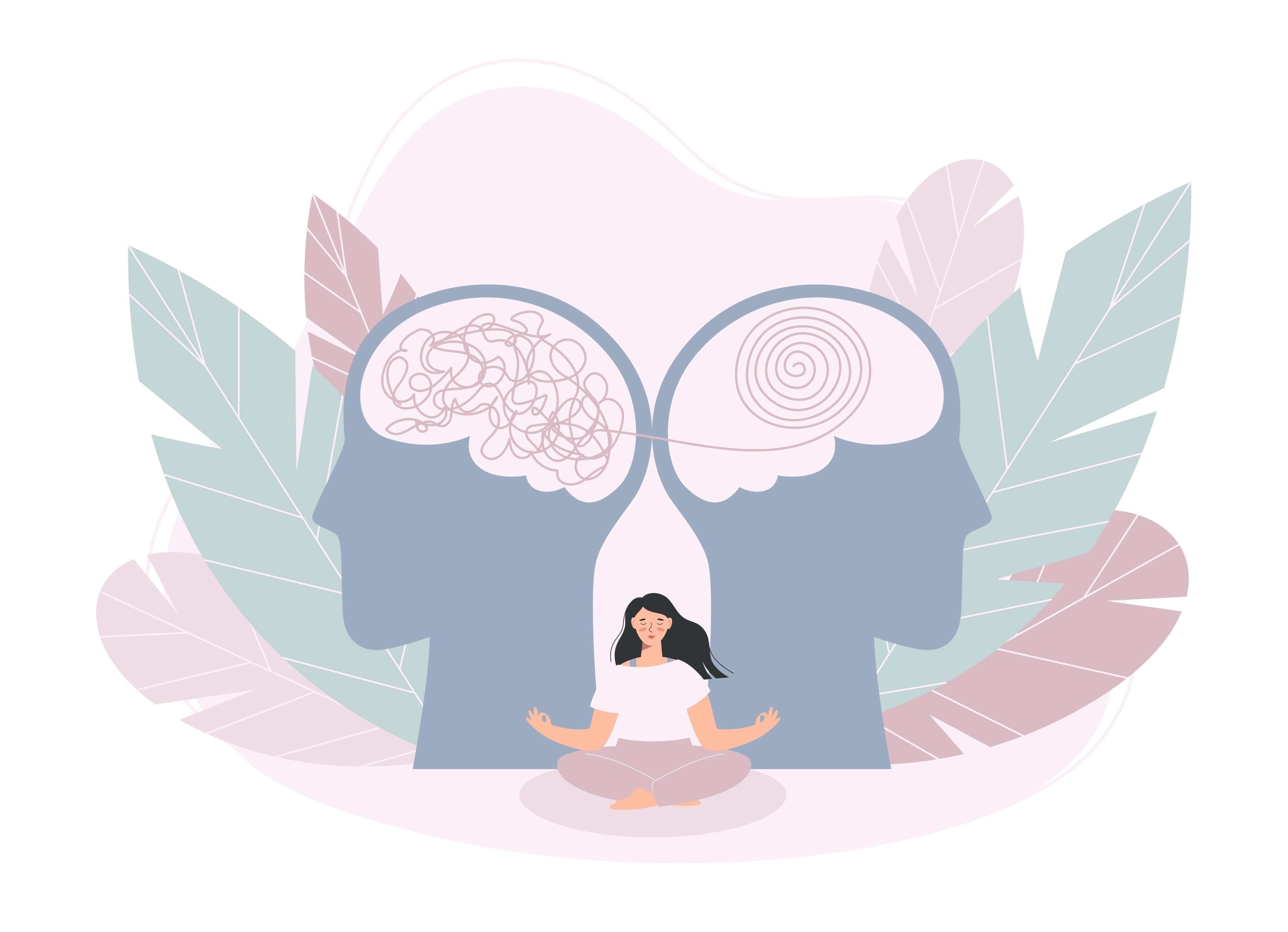
“When we experience strong emotions that feel overwhelming, they are just like waves in the ocean. These emotions start small, grow bigger, and then slowly become smaller again,” the counsellor explained.
We should observe and accept these feelings. We can be curious about why we feel this way and then allow the emotions to come and go naturally.
One helpful way to deal with emotions is to use our five senses to name one thing we observe through each sense. Another way to process emotions is physical activity, such as stretching or walking.
“These activities help us focus on the present moment and feel safe even when we are experiencing strong emotions,” Chung said.
“If you know someone who is having a hard time dealing with their emotions, try to listen carefully and show that you understand how they feel.”
A simple pat on the shoulder or a hug shows them that you are there for them and care, even when things get difficult.
“Sometimes, doing less is actually better,” Chung noted.
Use the puzzle below to test your knowledge of the vocabulary words in the story.
Suggested answers
Before you read: answers may vary.
Stop and think: When we have different strong emotions, this can create physical reactions in our body, such as crying, fast heart rate, lack of energy and more. The physical reactions help us to monitor our emotions and figure out how we are feeling.
Consider: According to Chung, it’s important to identify your emotions. Then you can observe the feelings, be curious about the feelings and accept them, then the emotions will leave naturally.
Chung also recommends noticing your five senses when you have a strong, difficult emotion, and also try physical activity.