Difficulty: Challenger (Level 2)
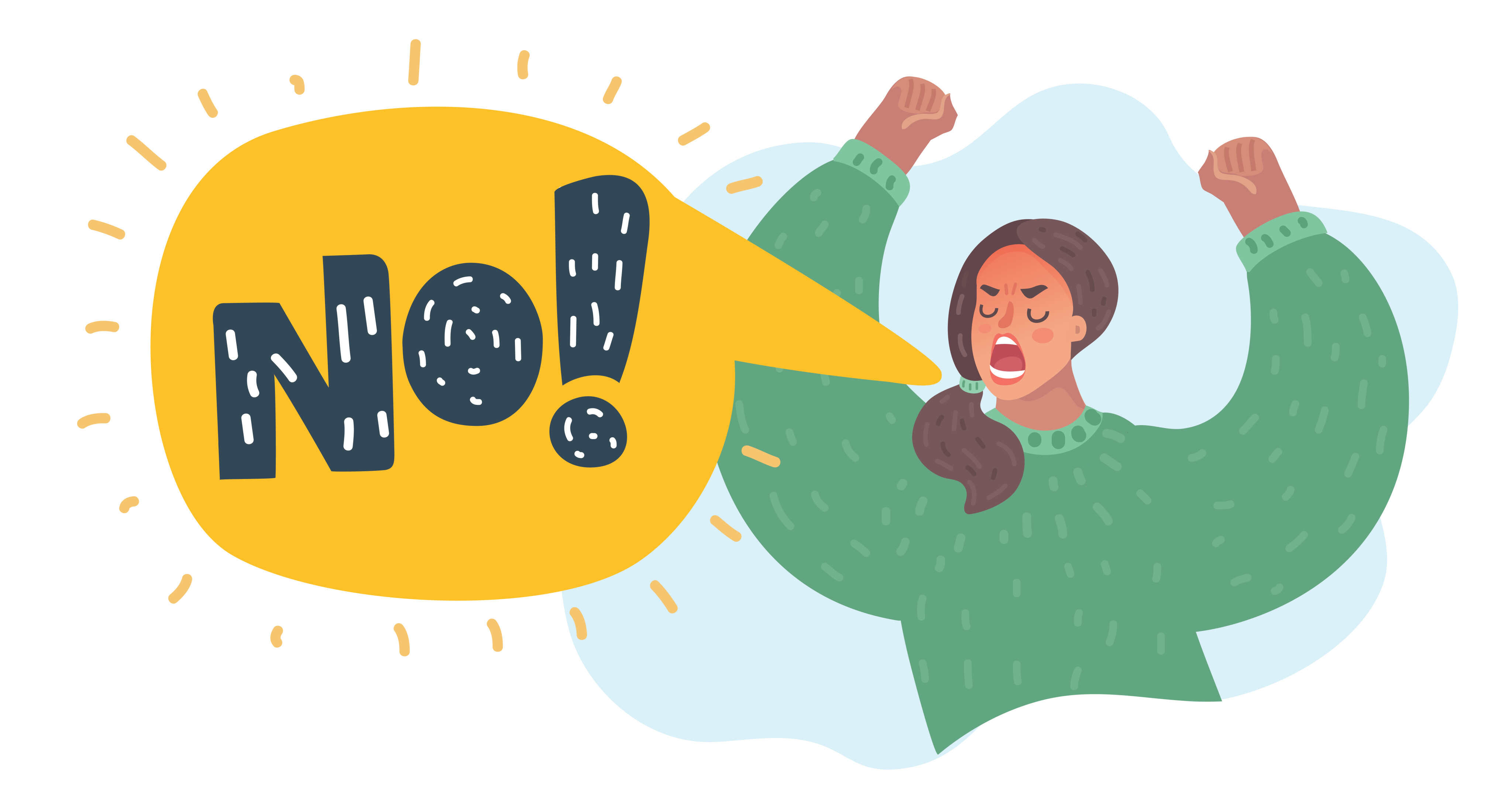
Here’s a situation that might sound familiar: you are arguing with your parents, and before you know it, you shout, “I don’t care!” as you stomp out of the room.
This happens to many people, but is there a better way of saying how we feel? Katie Leung Pui-yan, a partner, child, and family therapist at Therapy Partners in Hong Kong, explains what we can do. She tells us why saying “I don’t care” can cause communication problems. She also shares ideas for how we can better express our emotions.

Big little words
“The meaning of these three words depends on what is being talked about and where the person is when they’re saying it,” Leung said.
She gave an example of someone talking about their dreams and future. If they say “I don’t care”, it might mean they are frustrated. They may also be trying to avoid the topic.
The person may also feel ashamed of something they did. They may be using “I don’t care” as a way of giving up.
“This phrase is an easy, quick stop to the conversation. It may get you what you want for now – which is to stop talking about a particular topic. But as you might already know, this hardly solves the problem,” Leung said.
According to Leung, “I don’t care” can be an emotional shield. This shield “protects” us from having to do something about a situation. But it can be mistaken as a lack of interest or even arrogance.
She added that if the person hearing the phrase was an adult, they might try to force you into discussing your feelings even more. When a friend hears this phrase, it can be tough for them to know what to say.
“If you are worried about a friend, hearing ‘I don’t care’ worsens the relationship because it shuts down the conversation,” she said.
What you can say instead
Leung suggested talking more about how you feel or asking for space if you need it. A simple phrase like “This is really stressing me out” can get the other person to back off a bit.
You can also say, “I can’t care right now, and I’ll get back to you later when I’ve sorted out my thoughts.”
This shows the other person that you need time to process your feelings. At the same time, it will show that you care about their concerns.
“I don’t care” might seem like a simple thing to say. However, it can actually mean a lot and hurt other people’s feelings. Leung said, “Only say that you don’t care when you mean it.”
Use the puzzle below to test your knowledge of the vocabulary words in the story.
Suggested answers
-
Before you read: Answers will vary.
-
Consider: This phrase can express frustration, avoidance and shame. Katie Leung also says the phrase can be mistaken for pride or not caring.
-
Reflect: This is because it tells the other person that you do care about their concerns, but you need time to figure out your opinions and feelings first.