Difficulty: Challenger (Level 2)
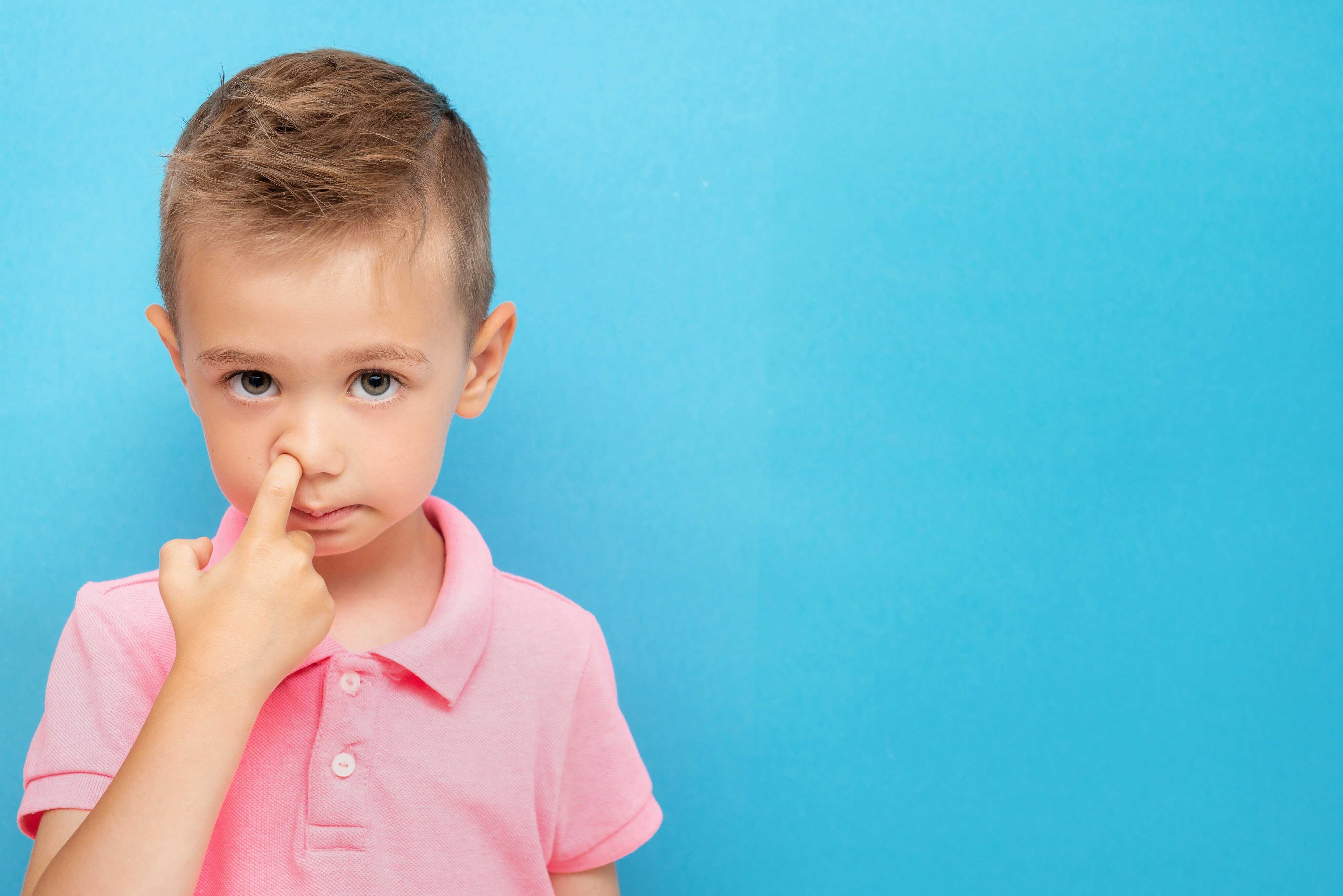
We all have habits: things we do repeatedly. Most of the time, we do these habits without thinking about them. It is important to build good habits, such as eating healthy food and exercising regularly. But sometimes we pick up not-so-good habits, like picking our noses in public or peeing in pools.
We might have been scolded for doing these things, and we know that they are gross. So how can we stop ourselves from doing them?
Learning control
Dr Andrew Stock is a clinical psychologist and the founder of Therapy Partners in Hong Kong. He said that these behaviours may become habits because of the relief and sense of reward they can offer.
“If you’ve got an itchy nose, for example, or if you need to go to the toilet … there’s relief in just actually doing that. We all have a tendency to want to feel comforted and soothed,” he said. “Learning to become a bigger child and a teenager and adult is about sometimes learning to not immediately seek that relief … when it has an impact on others.”
Picking your nose and peeing in pools can start anywhere from the ages of two to four or five. Young children lack the awareness to realise that such behaviours should not be done in public. They should not be blamed for doing them.
However, part of growing up is learning to recognise when habits are not appropriate and choosing to stop practising them.
Empathy and understanding
Stock said other reasons children may engage in gross habits include boredom or exploration.
You might not think twice about lifting your hand to pick your nose or relieving yourself while swimming. But once you become aware of your actions, you should try something else in place of these behaviours.
If your nose feels uncomfortable, try blowing it with a tissue instead. If you need to use the toilet at the pool, take the time to step out and walk to the bathroom.
Parents can help their children regulate their actions. In addition to leading by example, adults can do things like offer toilet breaks before swimming.
Stock emphasised showing empathy and understanding towards children. It’s best to take a gentle, mindful approach to guiding them out of gross habits.
At the end of the day, it’s best not to pick your nose in public or pee in public pools. You should make an effort to stop, but these problems are not the end of the world.
“These habits are very normal for kids to have, and they’re nothing for parents to have to worry about. They are a normal part of development for most kids,” Stock said.