Difficulty: Challenger (Level 2)
The discovery of soap dates back around 5,000 years, to the ancient city of Babylon in what is now the modern-day country of Iraq. Today, billions of people around the world use soap every day. But many of us do not know how it works.
The chemistry of clean
Chemists call molecules that are attracted to water hydrophilic, which means “water-loving”. Hydrophilic molecules dissolve in water. So if you wash your hands with water without using soap, you get rid of the hydrophilic bits from your skin.
There is also another category of molecules. Those are called hydrophobic, which means “water-fearing”. These molecules do not dissolve in water.
Oil is hydrophobic. So swishing your hands through water will not get rid of water-fearing molecules such as oil or grease.
That is where soap comes in to save the day.
Soap both loves and fears water. The soap molecule is shaped a little like a tadpole, with a round head and long tail. The head is hydrophilic, and the tail is hydrophobic. This quality is one reason soap is slippery. It’s also what gives soap its cleaning superpower.
A microscopic view
All the gunk you touch during the day builds up on your skin and makes your hands dirty. That gunk might be water-loving or water-fearing depending on what it is made of.
Dirt is a jumbled mess of both. Dust and dead skin cells are hydrophilic, and naturally occurring oils are hydrophobic.
When you add soap, its molecules surround the grime on your hands. On a molecular level, it looks almost like a bubble covering the hydrophobic bit of debris. The water-loving heads of the soap molecules face the outside, and the water-fearing tails are inside the bubble. This structure traps the dirt. Running water washes it all away.
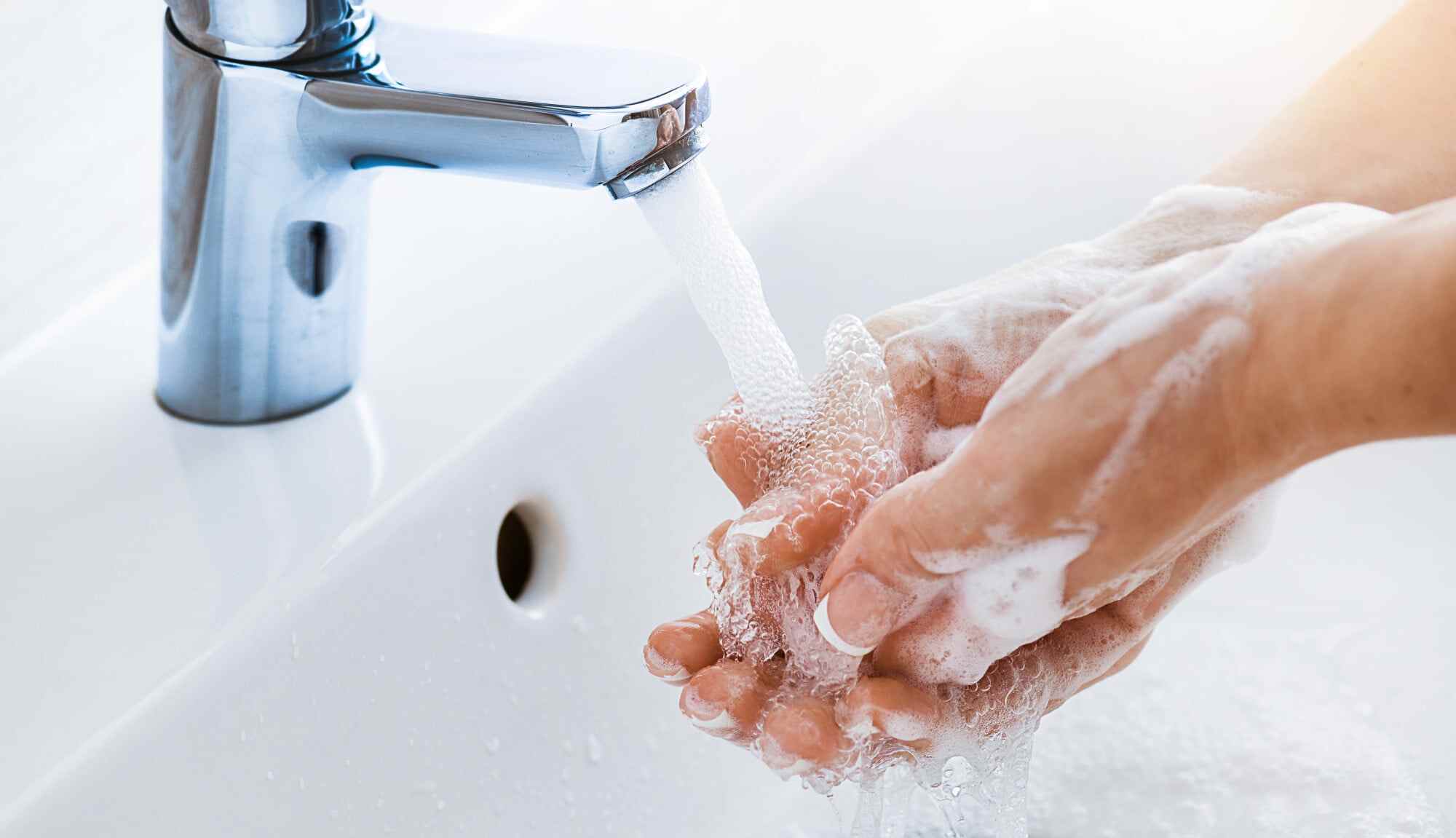
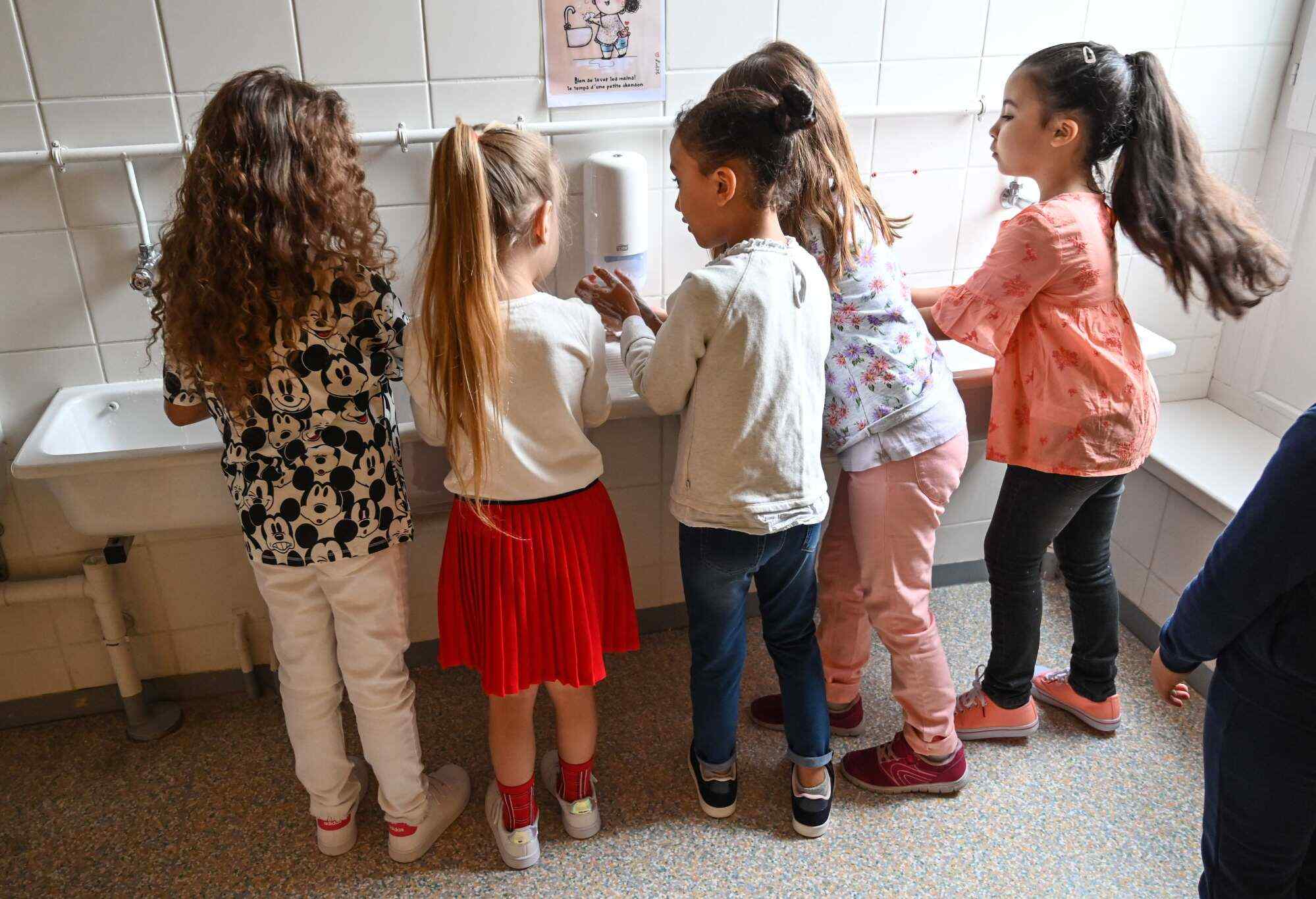
To get the full benefits of soap, wash your hands at the sink for at least 20 seconds. Rubbing your hands together helps force the soap molecules into the dirt to break it up and envelop it.
It’s not just dirt
Along with dirt, your body is covered by microorganisms. Some are harmless. But others, like pathogens, can cause illness and disease.
They can also cause you to smell if you have not showered in a while. This is because these bacteria break down organic molecules and release stinky fumes.
Microorganisms are protected by a barrier called a membrane. Soap and water can disrupt that membrane and cause the microorganism to burst open. Water then washes the microorganism's remains away.
This article was first published in The Conversation. It was written by Paul Richardson, professor of biochemistry at Coastal Carolina University.