Difficulty: Summiteer (Level 3)
In places that prize academics and “winning at the starting line”, play is often dismissed as a reward to be earned only after tutorials and piano drills are finished.
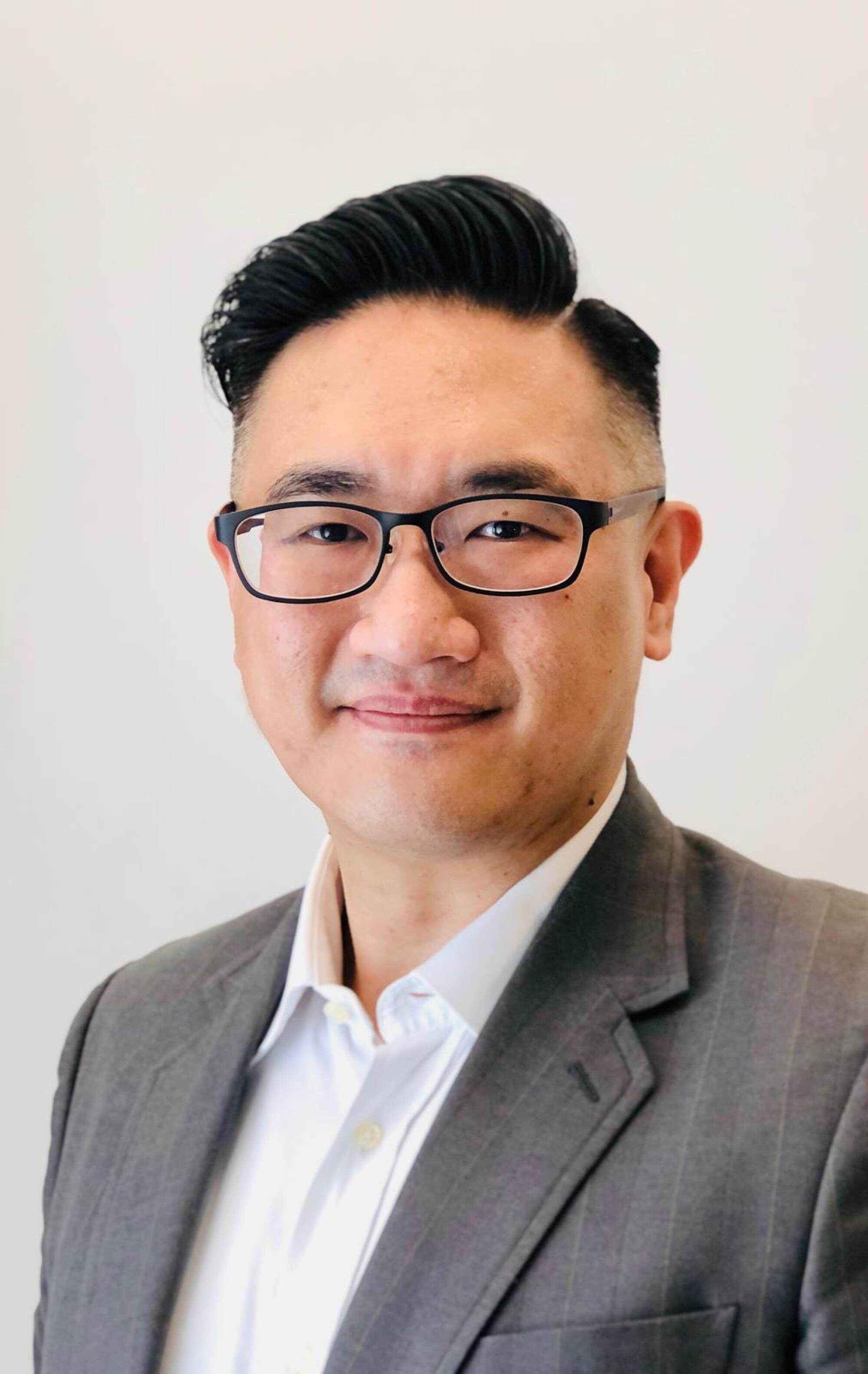
But Avis Ngan argues that play is required to build resilience. He is a registered clinical psychologist and founder of Mindsight in Hong Kong.
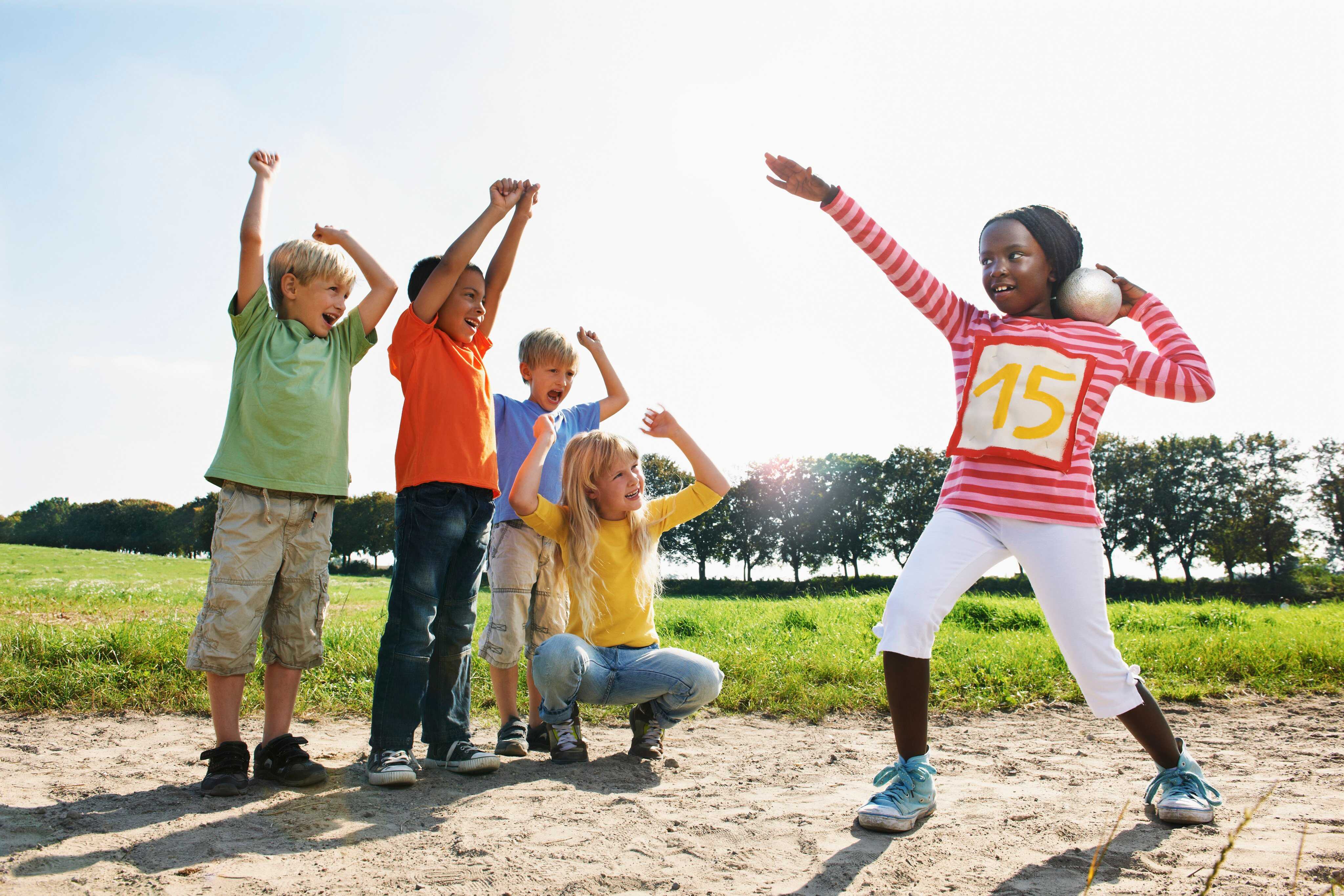
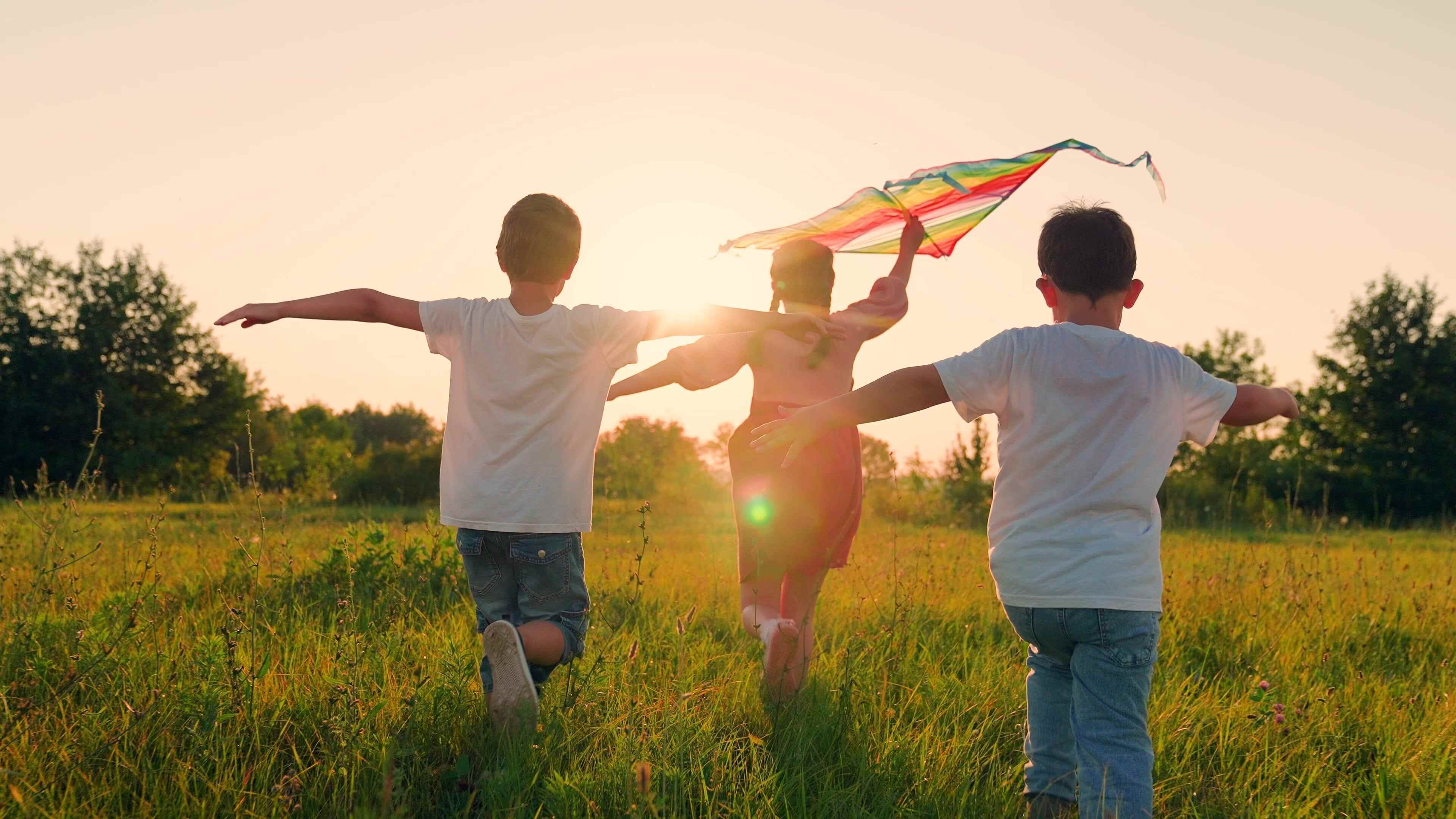
Ngan defined play as an “unstructured, enjoyable, socially connective, autonomous activity”.
Play’s impact on the brain and body
From a neuropsychological perspective, play helps activate the prefrontal cortex, Ngan noted. This region of the brain is responsible for important functions like impulse control and flexible thinking.
Ngan described play as a low-stakes “workout” for the prefrontal cortex, as children negotiate rules with each other and manage the sting of losing.
“You can teach a child a script for sharing. But play is where they learn that sharing sometimes costs them something, and they do it anyway because the relationship matters more,” he said.
Play is also a necessary biological reset button for students who spend a lot of time feeling stressed, Ngan added.
He explained that 30 minutes of play would activate the parasympathetic nervous system – the body’s tool for resting and relaxing after periods of stress.
The rest that comes from play could also benefit students’ academics.
“The child who never played freely often becomes the young adult who has no idea what they enjoy, what they want or who they are outside of their achievements,” Ngan explained. “Most importantly, they don’t have space to feel their emotions.”
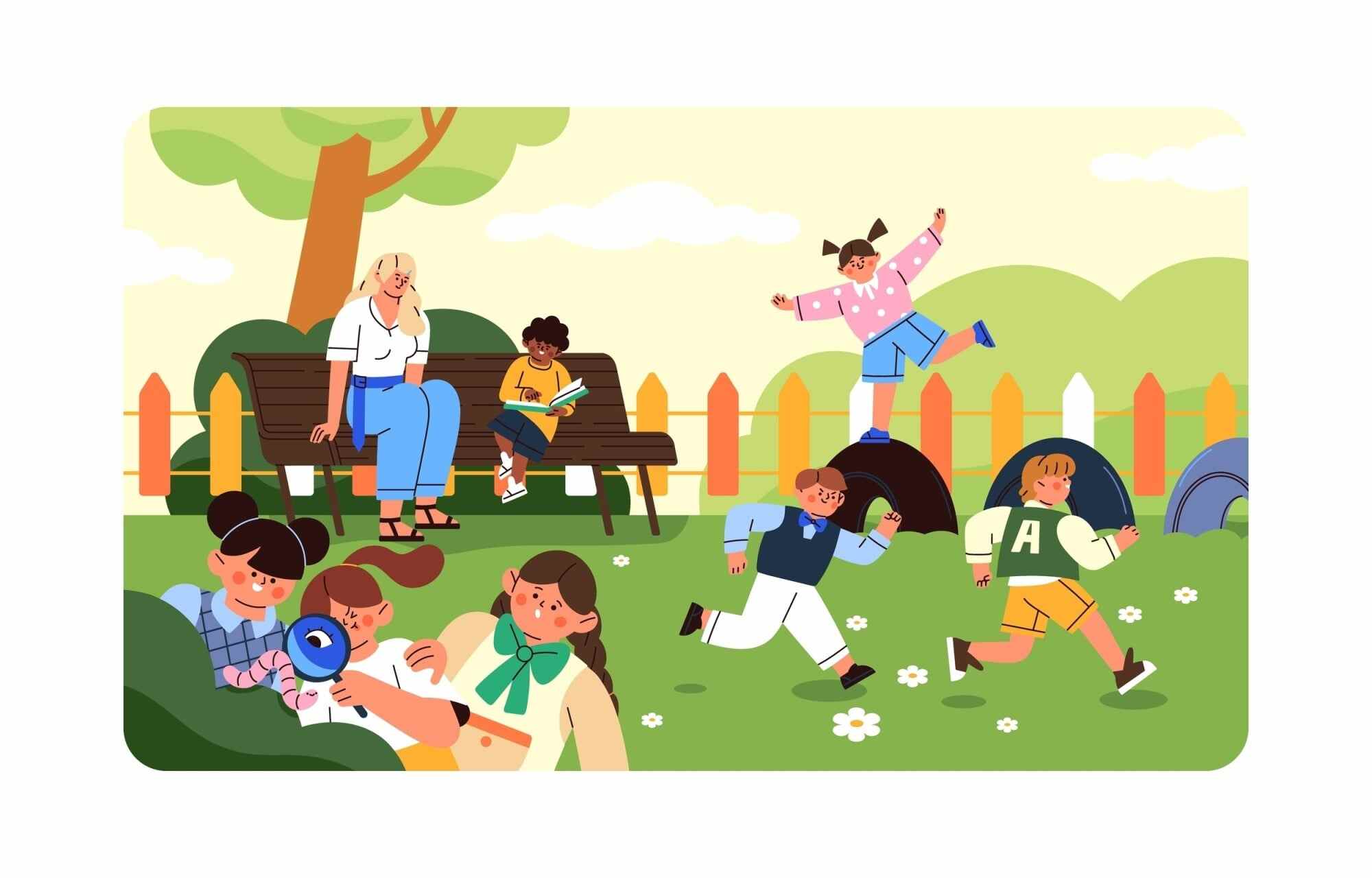
Enrichment is not play
A common mistake is confusing structured enrichment, such as piano lessons or organised sports, with true play.
To distinguish the two, Ngan suggested a simple “quit test”: if an adult sets the agenda and the child cannot walk away from it, it is training, not play. True play means the child decides what to do, wants to do it for fun and is not being judged or graded by others.
“A child kicking a ball against a wall by themselves, making up rules about what counts, deciding to stop and do something else: that’s play. The same child in football practice running drills – that’s training,” he said.
Play will involve boredom, which Ngan described as “the seed of creativity” because it activates the brain systems involved in imagination and reflection.
If Ngan could prescribe a “minimum daily dose” of play for every student, it would be one hour of unstructured, non-academic activity.
“No educational objective, no assessment. The child chooses. The child leads,” he said. “If that sounds impossible … it tells us something about how far we have drifted from what children developmentally need.”