Difficulty: Summiteer (Level 3)
As Ou Aki walked through Beijing’s centuries-old narrow streets, known as hutong, she began to look beyond the brick walls and tight lanes.
Instead of just seeing old neighbourhoods, the Peking University student saw communities finding new ways to keep their history alive.
“It’s an attitude of maintaining old things while making new repairs, constantly changing and evolving,” said Ou, who is 22.
“They are not only trying to preserve the hutong ... but also continue to make changes to attract younger, vibrant generations.”
Ou grew up in Japan. She had always been interested in cultural places. Still, it wasn’t until she joined the fifth “Bi-city Youth Cultural Leadership Programme” that she saw how heritage could become part of everyday life in China.
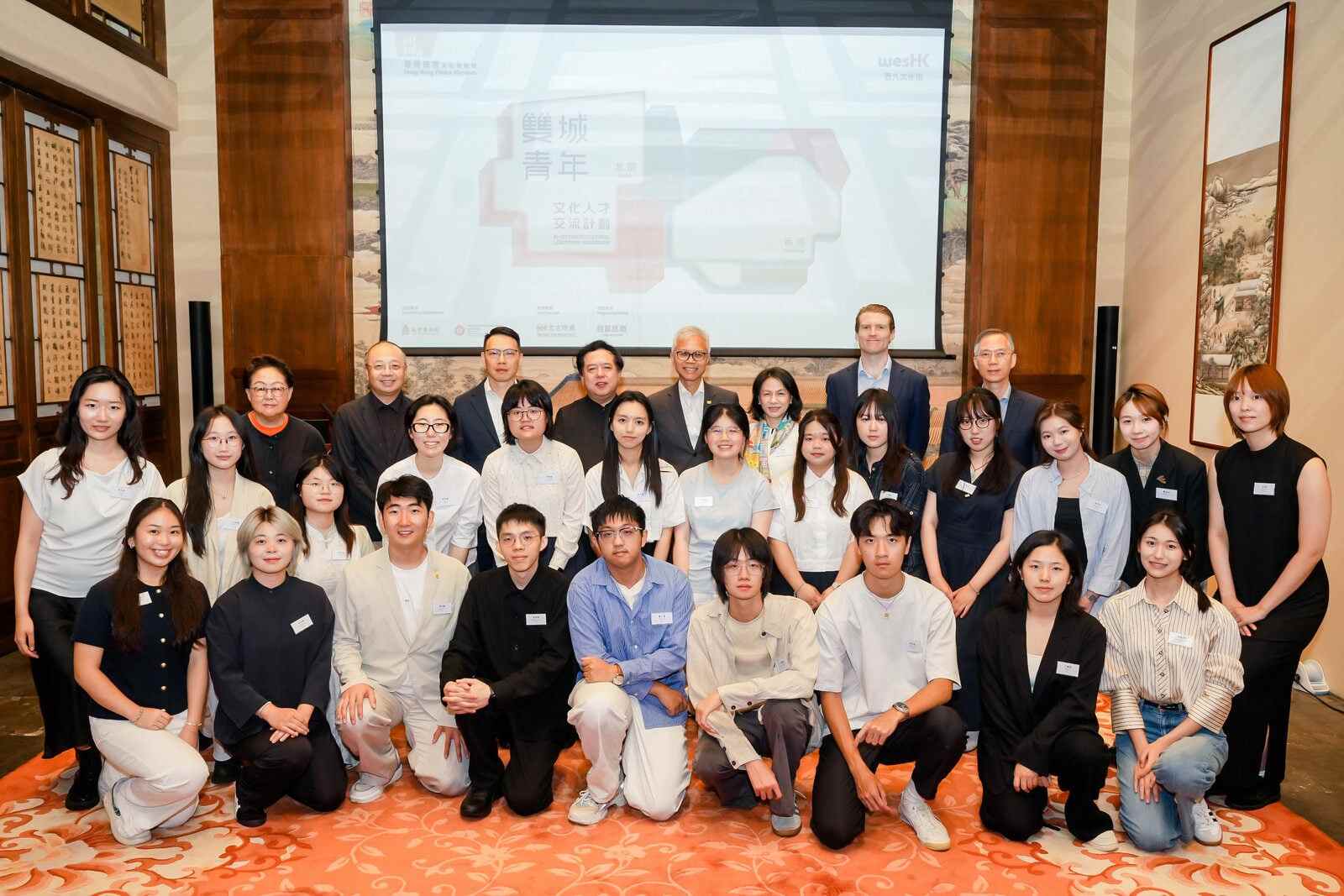
The Hong Kong Palace Museum arranged the eight-week programme. It brought together 22 university students from mainland China and Hong Kong. They went on field visits and did internships.
Participants looked at how heritage, cultural spaces and community projects shape modern China.
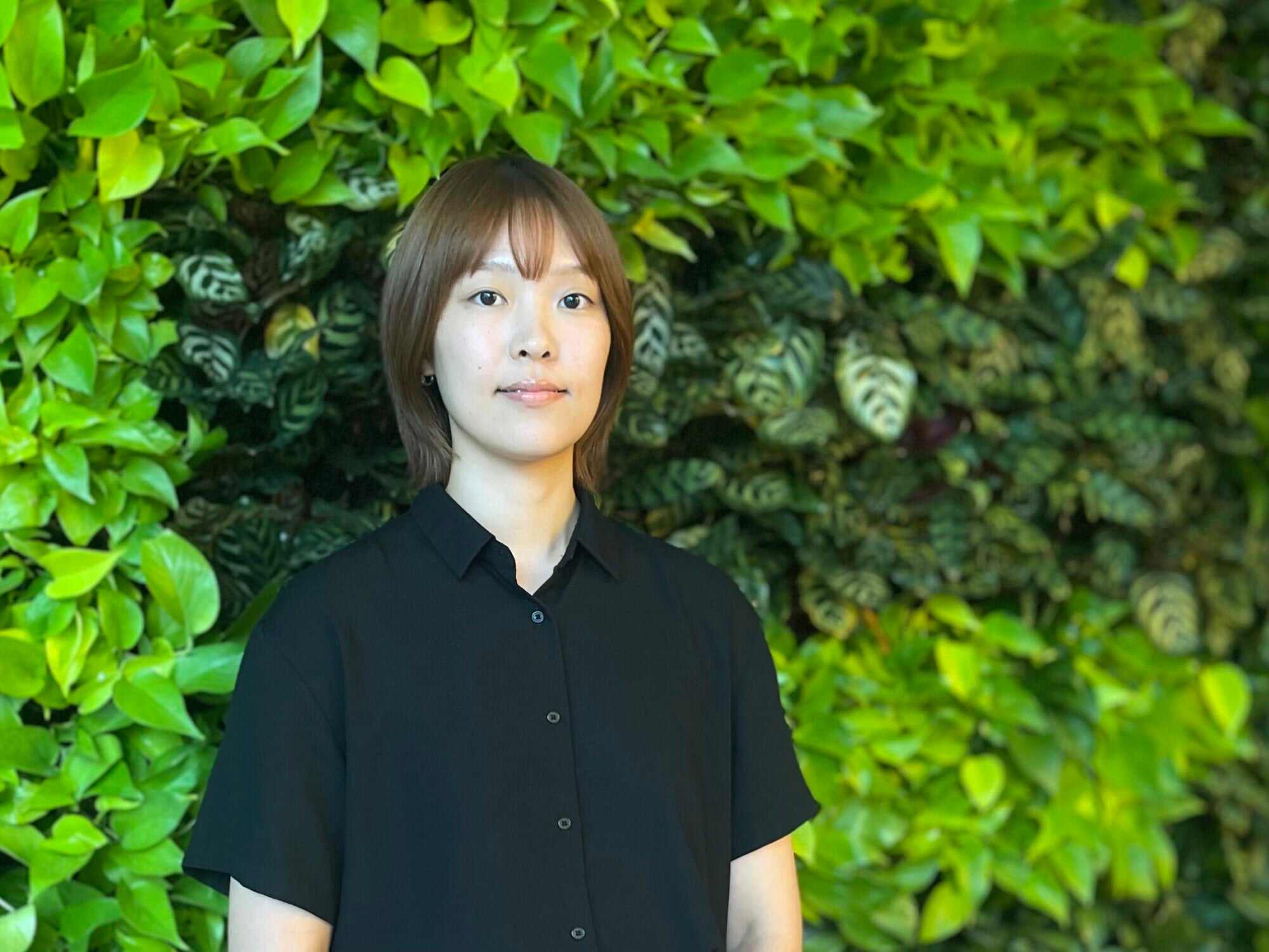
China’s cultural spirit
Eamon Chang Shang-chen is a psychology student at Beijing Forestry University. He travelled to Beijing, Guangzhou and Hong Kong. This journey helped him see how each city plays a role in China’s growth and development.
The 22-year-old student described Beijing as a city with a lot of history. He said Guangzhou was shaped by a long history of trade and openness. Chang added that Hong Kong shares Chinese culture with the world while also welcoming influences from other countries.
He believes this reflects a collective spirit: “Every city has a very important role,” he said. “These different characteristics complement each other.”
He also spent four weeks doing an internship at the East Kowloon Cultural Centre. This experience inspired him to explore psychodrama. Psychodrama is a kind of therapy in which people act out scenes from their lives to understand their feelings.
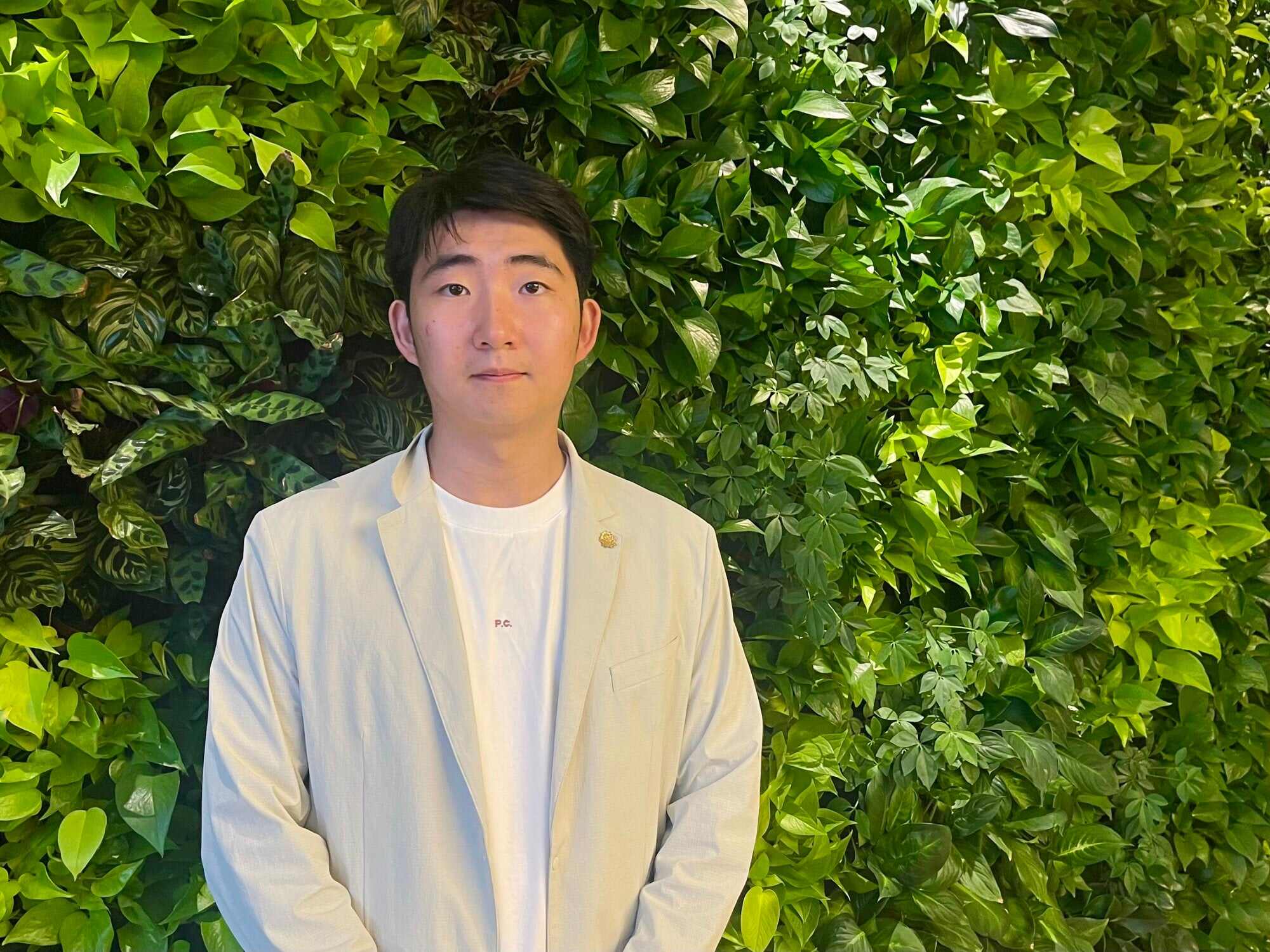
Cultural respect across cities
Serene Yu Sum-in is a student at Hong Kong Shue Yan University. The 19-year-old is studying arts, culture and technology.
Yu said she noticed a value in all the cities she travelled to: respect.
In Beijing, she observed how community projects were designed around residents’ needs. In Hong Kong, she saw cultural spaces embracing people from different backgrounds.
When she visited Longxi Art Society, a community-based cultural group in Foshan, she was impressed by its commitment to children’s art education and art therapy.
“All of these people really respect others’ ideas,” she said. “No matter your age or your background, they make you feel welcome.”